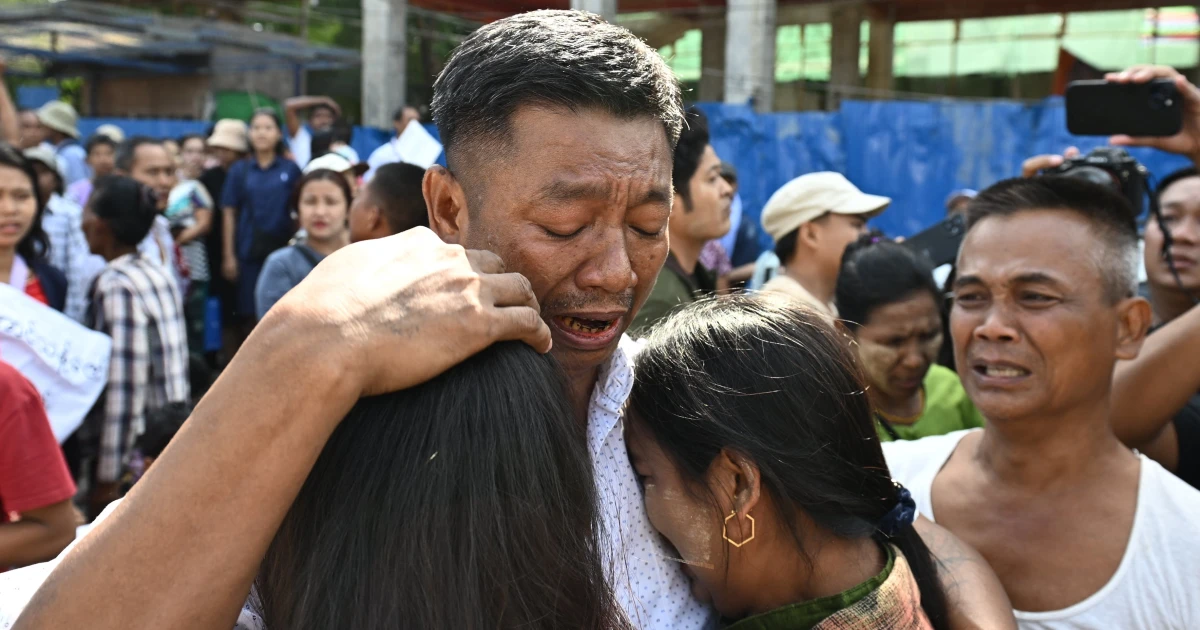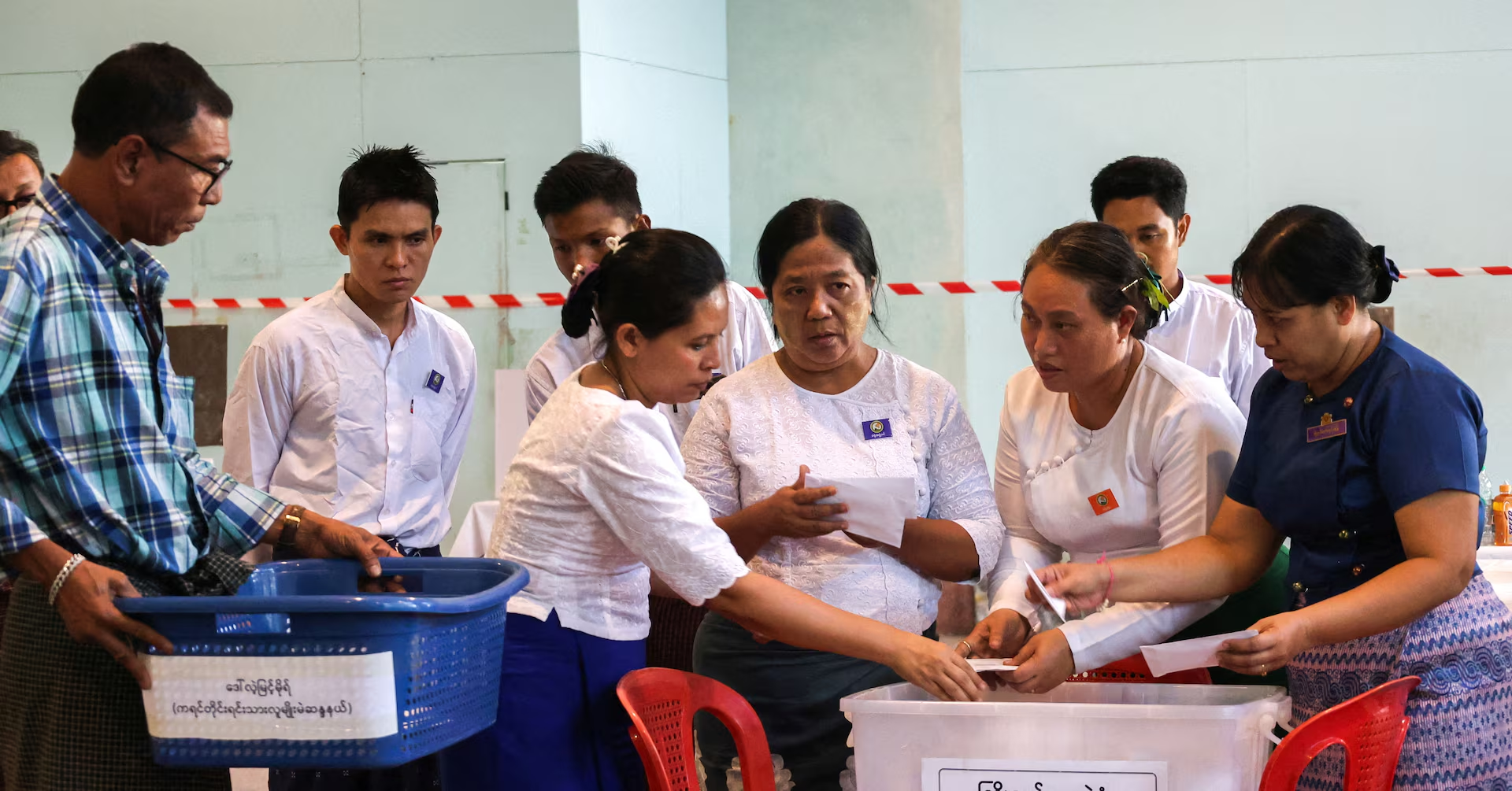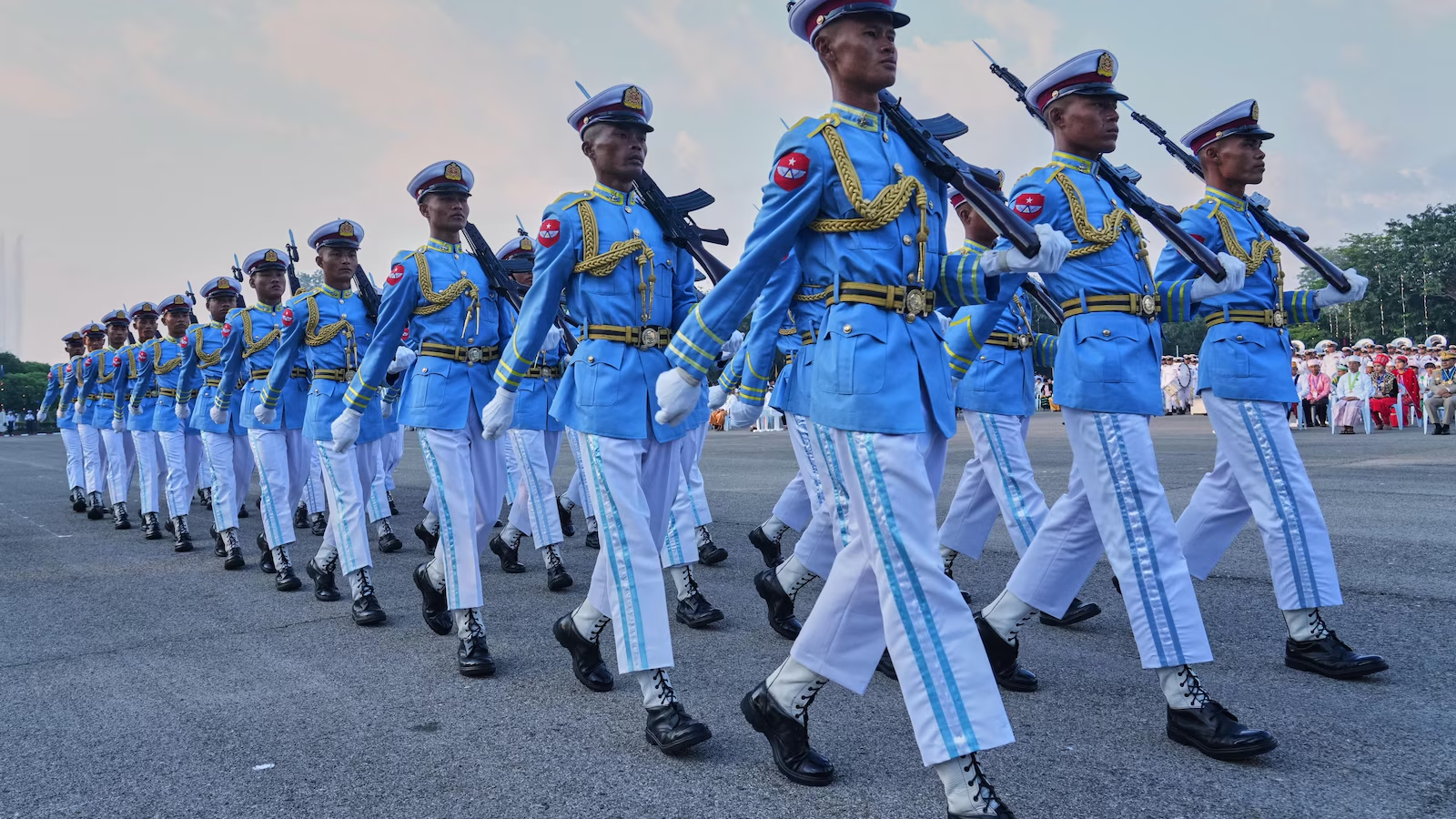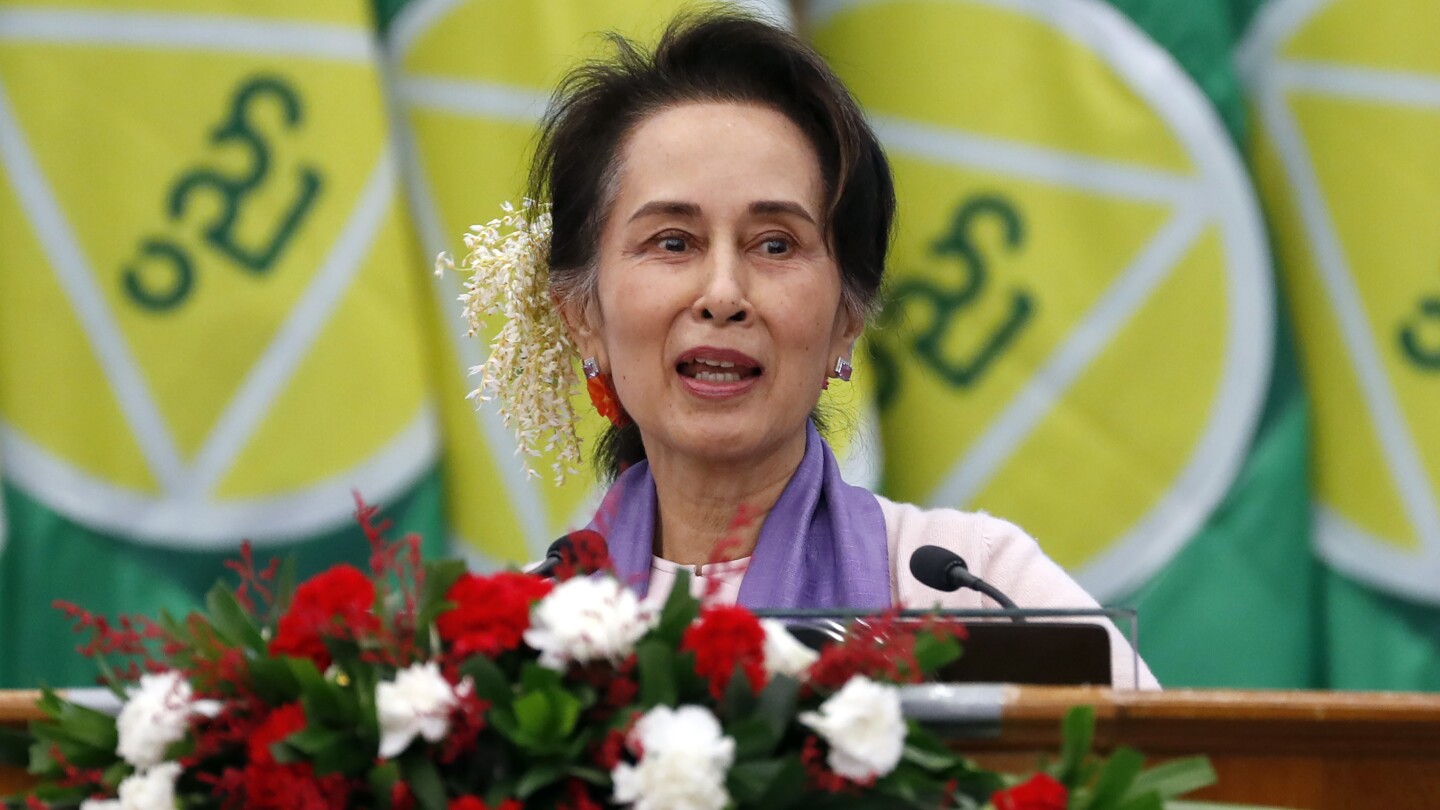
Myanmar's military government released over 6,100 prisoners and reduced sentences to mark the country's independence anniversary, but it remains unclear if political detainees like Aung San Suu Kyi were included. The move coincides with ongoing elections and widespread political unrest, with thousands of political prisoners still detained. The release is part of traditional holiday amnesties, but critics question its sincerity amid ongoing repression.
Myanmar's military government announced the release of 6,186 prisoners, including 52 foreigners, as part of an Independence Day amnesty, amid ongoing political turmoil and a recent general election that has been widely criticized. The amnesty excludes those convicted of serious crimes, and it remains unclear if political detainees will be freed. The country continues to face conflict and unrest following the 2021 military coup.
Myanmar's military government released over 6,100 prisoners and reduced sentences to mark the country's independence anniversary, but it remains unclear if political detainees like Aung San Suu Kyi were included. The amnesty coincides with ongoing elections and widespread political unrest.
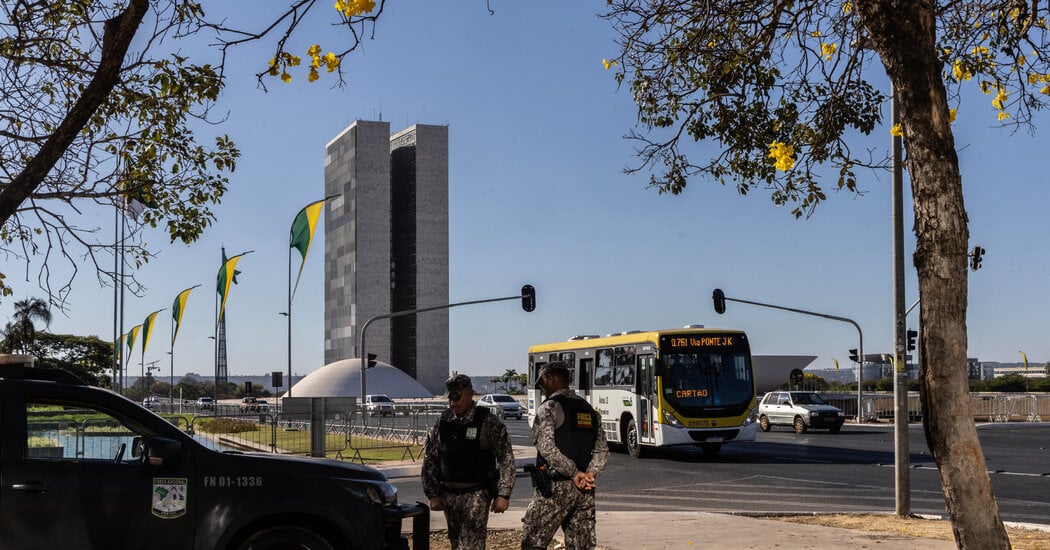
Brazil's congress approved a bill to reduce Jair Bolsonaro's prison sentence from over 27 years, which now awaits President Lula's decision; the bill benefits Bolsonaro and his aides, but is opposed by many Brazilians and critics who see it as a setback for accountability after the attempted coup.
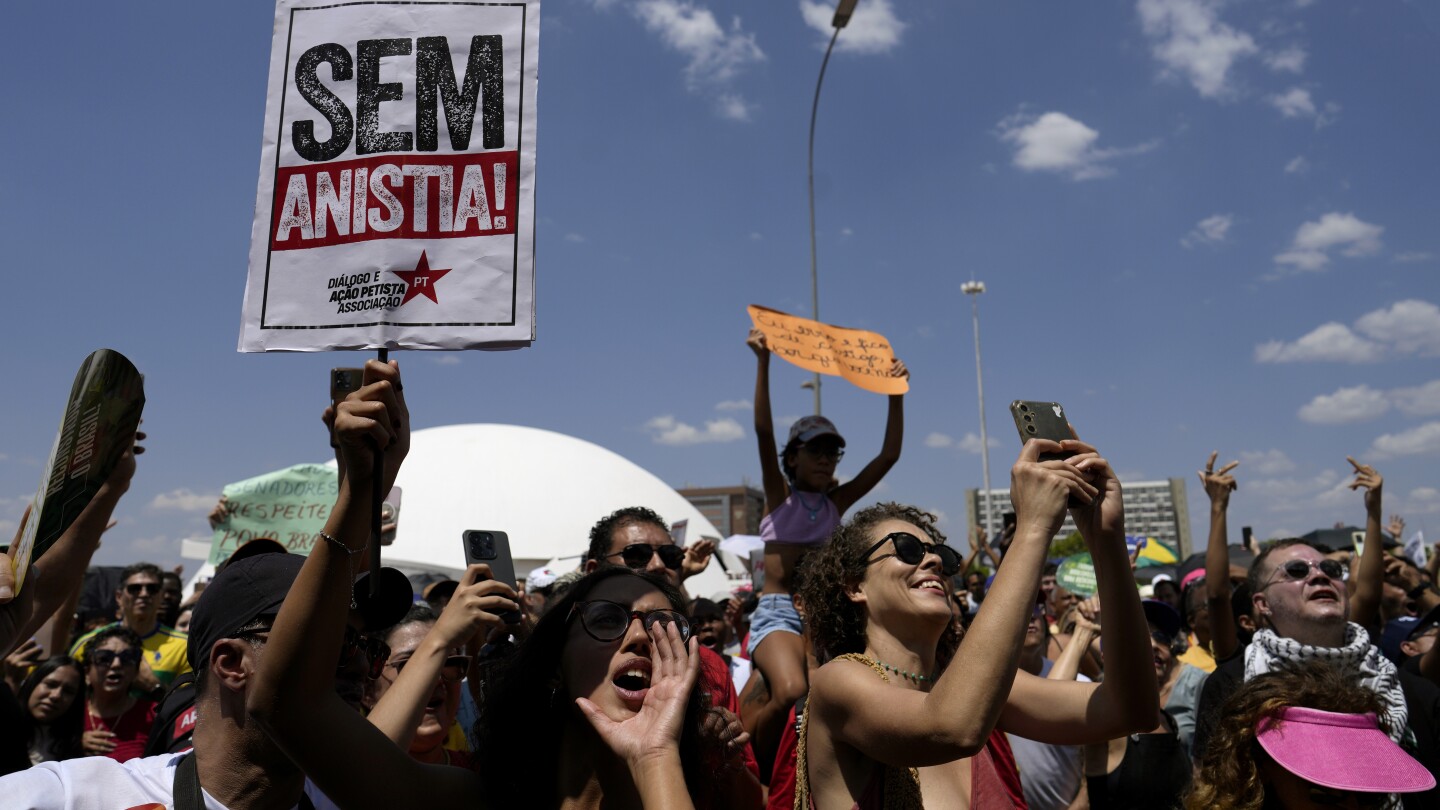
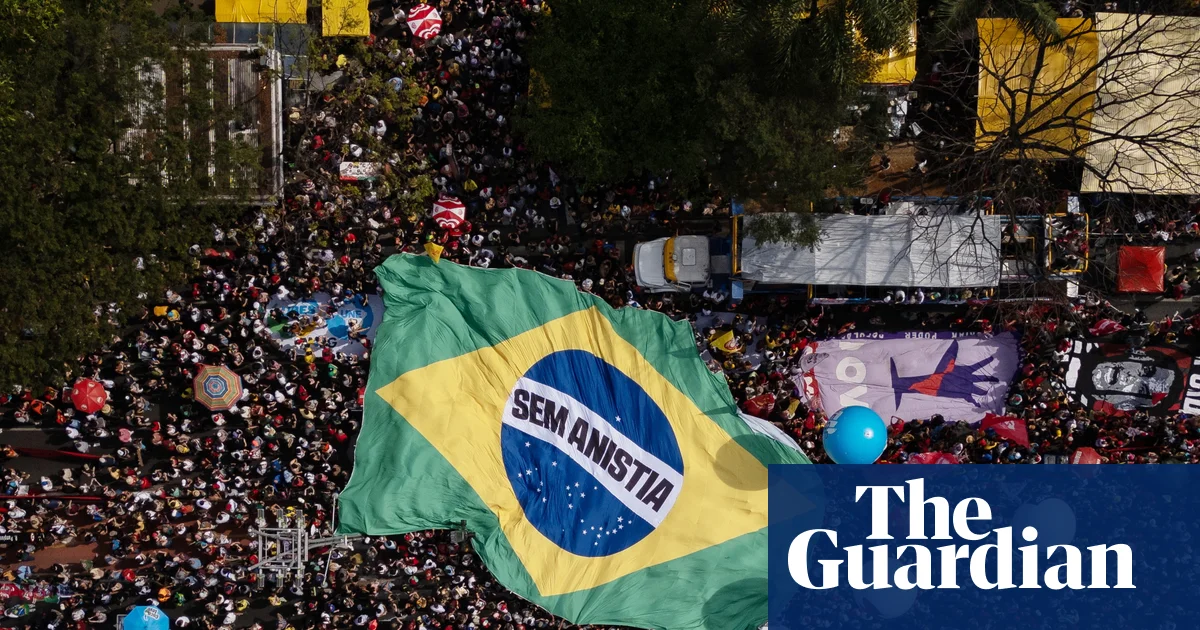
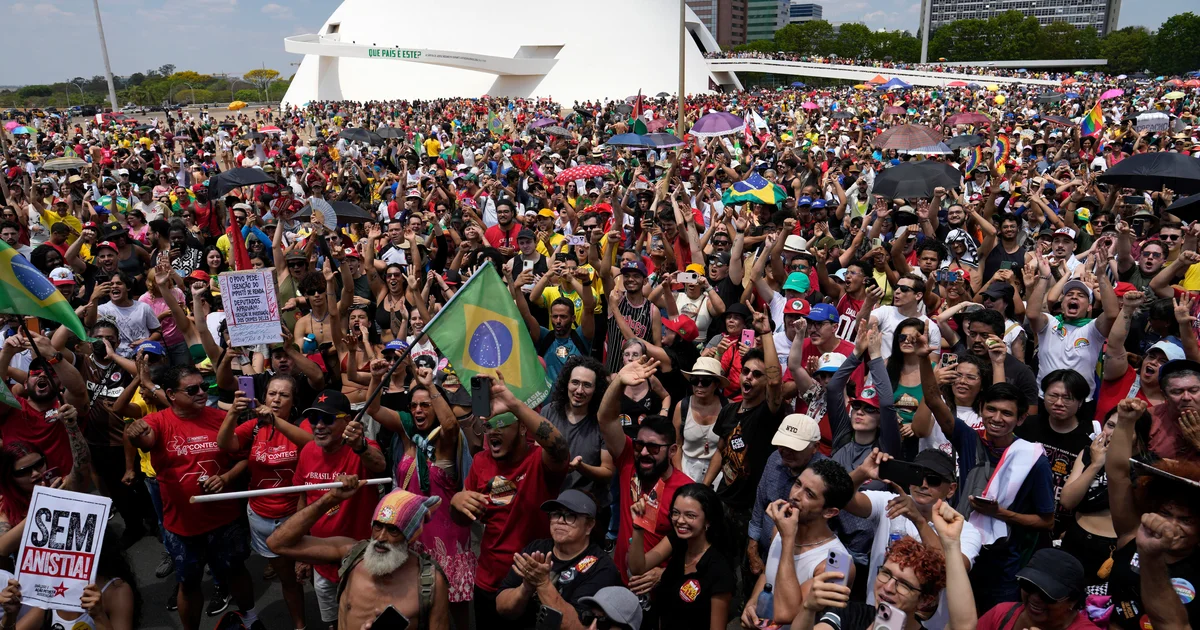
Thousands of Brazilians across all 26 states and the federal district protested against a potential pardon for former President Jair Bolsonaro and legislative changes perceived as shielding politicians from prosecution, amid political polarization and recent convictions of Bolsonaro for attempting to stay in power. The protests, organized by artists and left-wing groups, reflect deep national divisions and concerns over democracy and sovereignty.
Tens of thousands of Brazilians protested against granting amnesty to former President Jair Bolsonaro, who was convicted of plotting a coup, with demonstrations led by prominent musicians and public figures advocating for accountability and democracy. The protests also opposed legislation seen as favoring Bolsonaro and his allies, emphasizing Brazil's commitment to justice and democratic principles.
Brazilian citizens across all states protested against a proposed bill that could grant amnesty to former President Jair Bolsonaro and his allies convicted of attempting a coup in 2023, amid political tensions and divisions over Bolsonaro's conviction and the country's democratic stability.
Brazil's Supreme Court convicted former President Jair Bolsonaro of attempting a coup, sentencing him to 27 years in prison, while Congress is actively debating granting him amnesty, raising concerns about the stability of Brazil's young democracy.
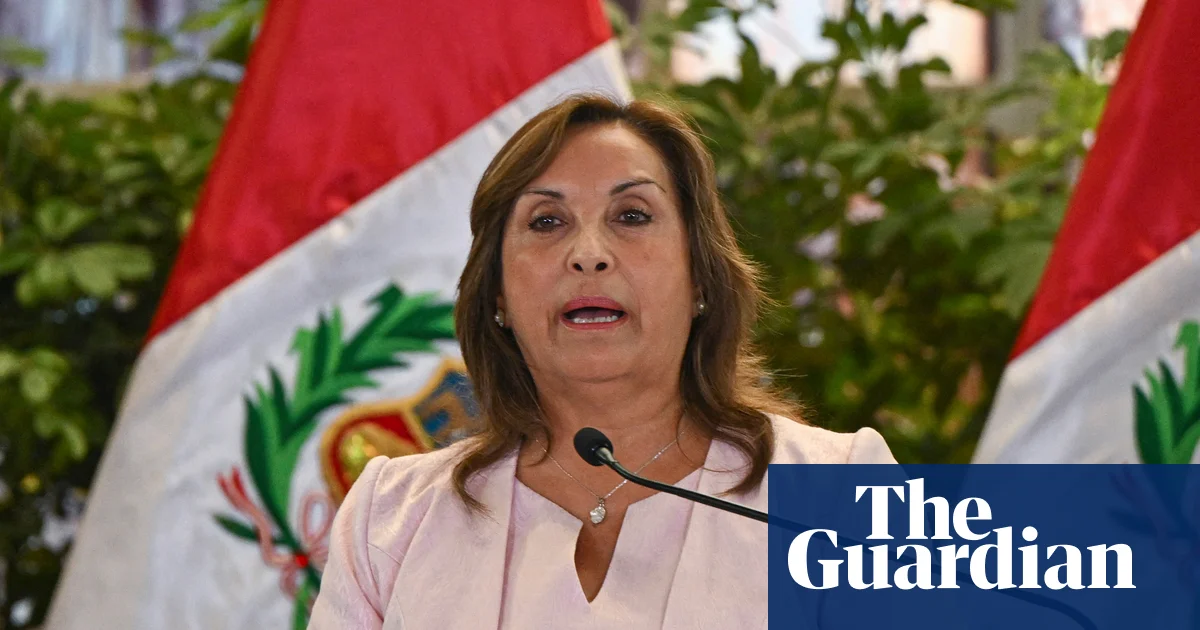
Peru's government, led by President Dina Boluarte, enacted a blanket amnesty for military and police officers accused of human rights abuses during the 1980-2000 internal conflict, sparking outrage from human rights groups and victims' families who see it as a move towards impunity and a betrayal of justice. The law prevents prosecution of those accused of serious violations committed during the fight against insurgents like the Shining Path, raising concerns about setbacks in human rights accountability and international law adherence.
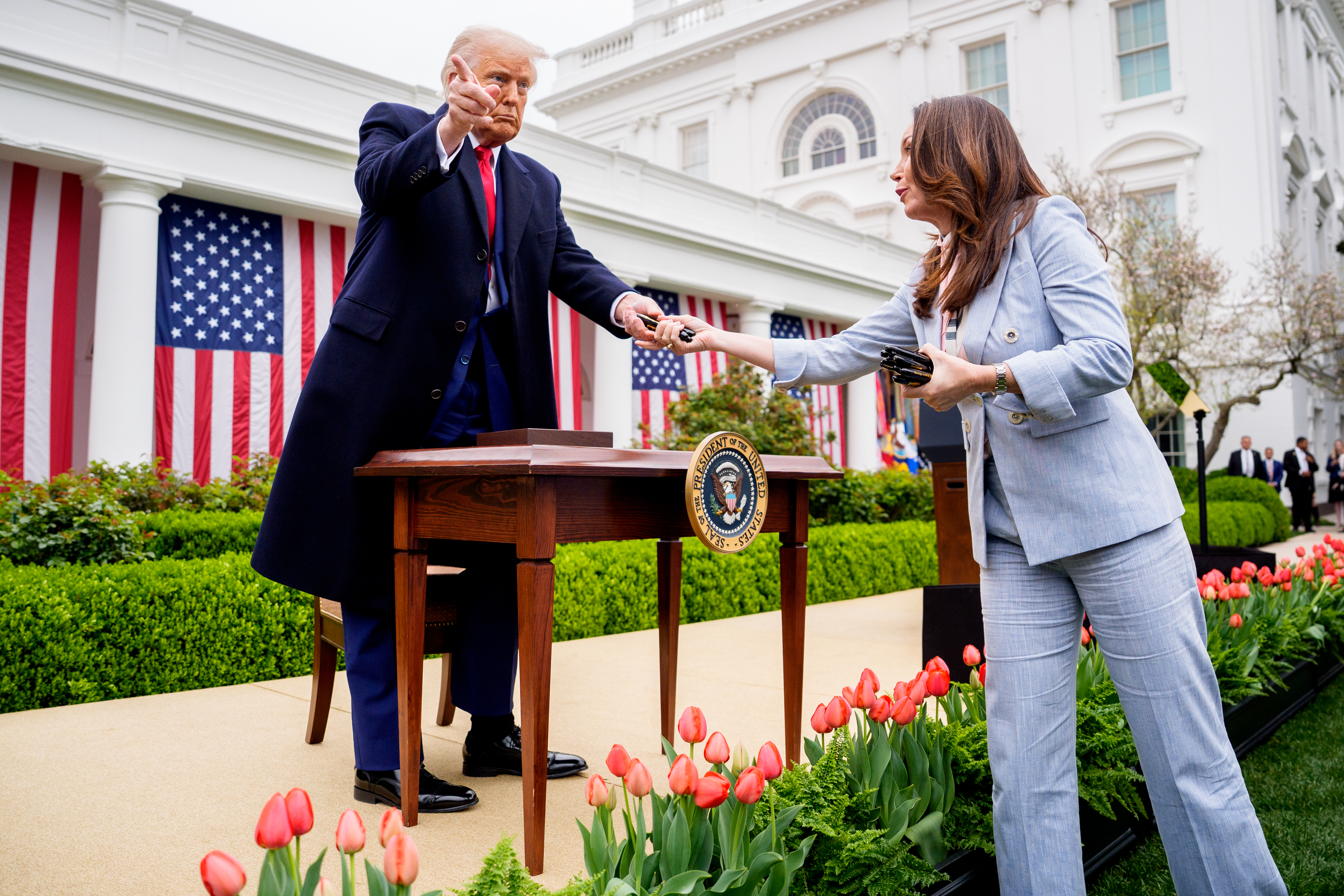
The Trump administration emphasizes a strict 'America first' stance, denying plans for amnesty for migrant farmworkers while exploring streamlined visa programs and work requirements, amidst concerns about setting precedents for other industries.
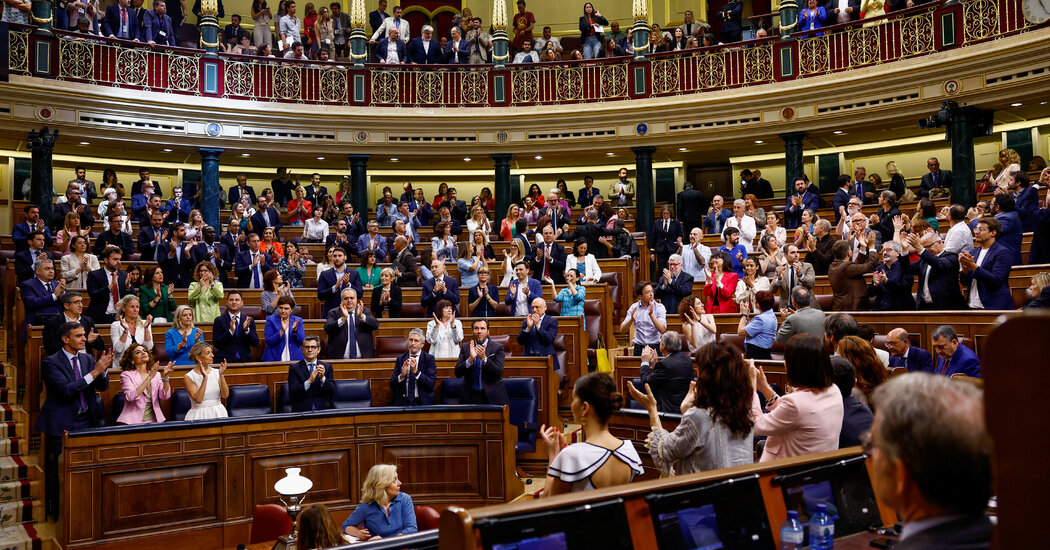
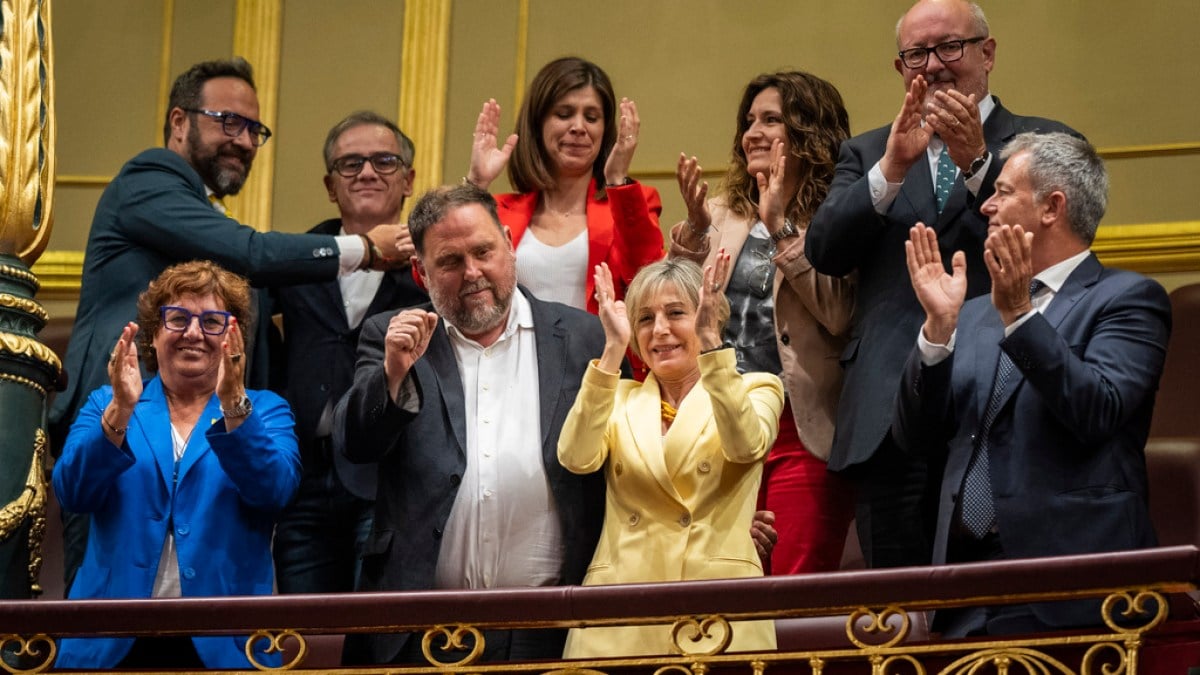
Spain's Parliament has approved a law granting amnesty to Catalan separatists involved in the 2017 independence referendum, including former leader Carles Puigdemont. The measure, brokered by Prime Minister Pedro Sánchez, has sparked significant opposition and protests, with critics arguing it is unconstitutional and a political maneuver to retain power.
Spain's parliament has passed a bill granting amnesty to hundreds of Catalan secessionists involved in the 2017 independence bid, including exiled leader Carles Puigdemont. The controversial bill, which faced significant opposition and legal challenges, aims to resolve Spain's political crisis but may still encounter further legal hurdles. Prime Minister Pedro Sanchez supported the bill to secure parliamentary backing from Catalan parties. Public opinion on the amnesty is divided, with significant protests and varying regional support.
Aung San Suu Kyi, Myanmar's former leader, has been moved from prison to house arrest due to a heat wave, with over 3,000 prisoners granted amnesty for the traditional New Year holiday. The military government cited health concerns due to the severe heat as the reason for the move, which has not been publicly announced in Myanmar. Suu Kyi, 78, and Win Myint, the former president, were among the elderly and infirm prisoners moved. The conflict in Myanmar began after the army ousted the elected government in 2021, leading to nonviolent protests and the imprisonment of Suu Kyi.
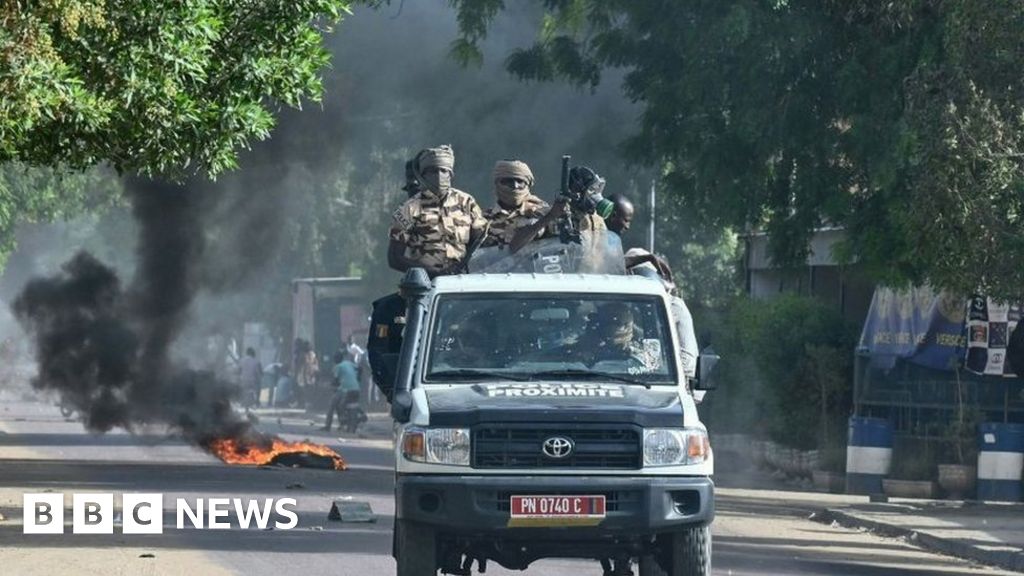
Chad's military-led government has granted amnesty to security forces responsible for killing at least 50 opposition protestors during protests against interim President Mahamat Idriss Deby Itno's extended rule. Human rights groups estimate the death toll to be over 300, with over 600 people arrested and sentenced in mass trials. The amnesty, part of a deal for national reconciliation, has been criticized by some opposition members as an attempt to evade justice. Victims are being encouraged to seek redress at international levels. Chad's government has promised to announce a date for free elections in December and transition to civilian rule.
Thousands of people rallied in Madrid to protest against Prime Minister Pedro Sanchez, who secured another term with the support of smaller parties, including Catalan separatists, by agreeing to grant amnesty to individuals involved in Catalonia's separatist movement. Critics argue that the amnesty is a self-serving measure to maintain power and undermines the rule of law. The protests have been organized by the far right and some have turned violent. Retired right-wing generals have also called for the removal of the prime minister and new elections.