energyenvironment3.315 min read
"Voters to Decide Fate of Texas' Troubled Power Grid"
2 years ago•Source: Gizmodo

The latest energyenvironment stories, summarized by AI
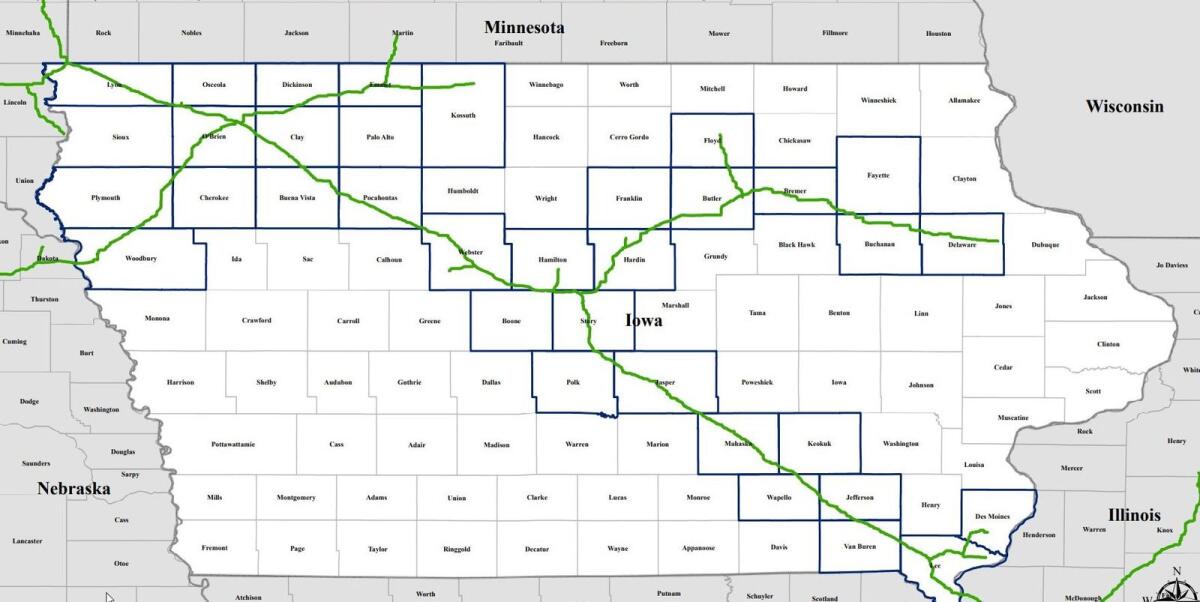
Navigator Heartland Greenway has announced the cancellation of its proposed carbon dioxide (CO2) pipeline through Iowa, citing the unpredictable regulatory and approval process in Iowa and South Dakota. The 1,300-mile pipeline would have transported CO2 from ethanol plants in multiple states for underground sequestration in central Illinois. The decision comes after South Dakota denied Navigator's permit application, and amidst opposition from landowners and environmental groups. Another CO2 pipeline project by Summit Carbon Solutions is also facing regulatory challenges, while a third proposed pipeline by Wolf Carbon Solutions has not applied for eminent domain.
Fox News•2 years ago
Euronews•2 years ago
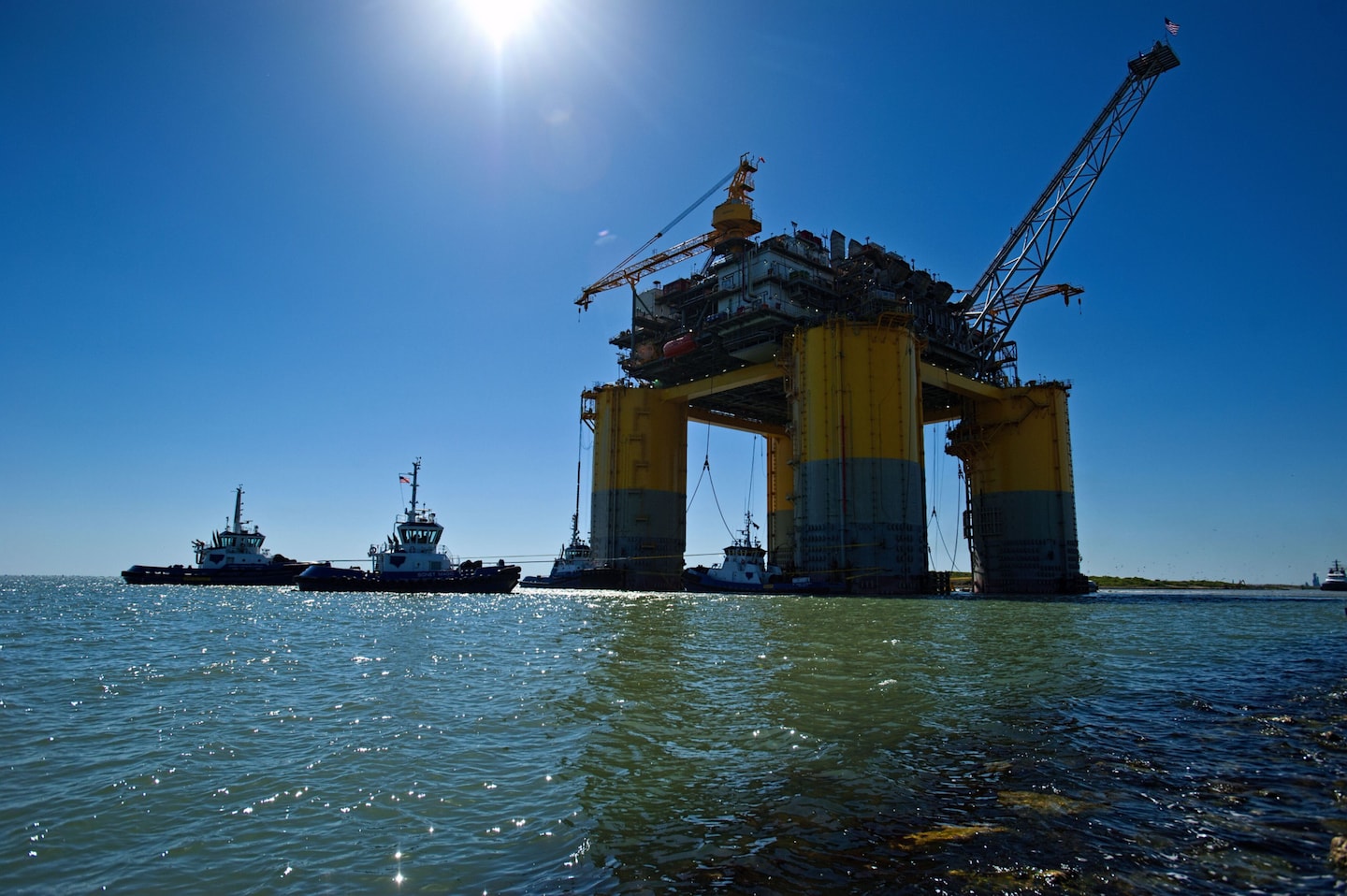
The Biden administration has approved a plan for just three offshore oil and gas lease sales through 2029, the smallest in history, in an effort to comply with divided Congress and address climate concerns. The plan aims to support the offshore wind industry while limiting fossil fuel production and reducing greenhouse gas emissions. The decision reflects the challenges faced by President Biden in balancing his climate agenda with the need for domestic energy supply. Environmental groups criticized the decision, while the oil industry argued it was too restrictive. The plan delays new oil lease sales until 2025 and focuses solely on the Gulf of Mexico.
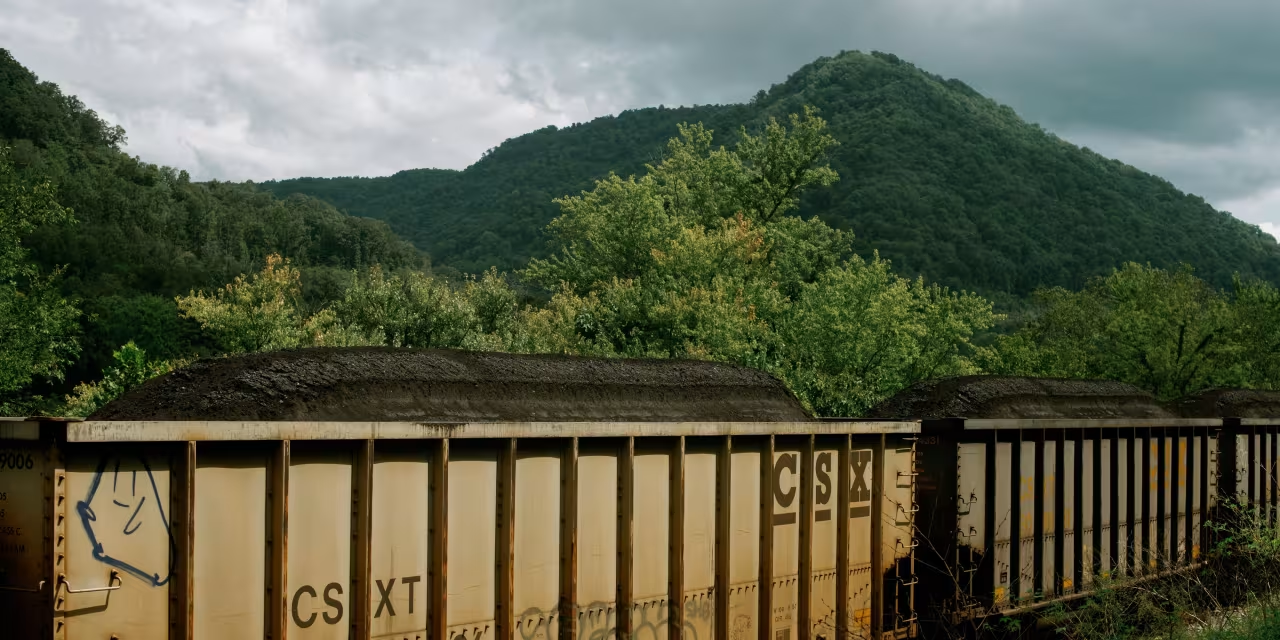
A clean-energy industrial project is being developed in West Virginia, challenging the state's heavy reliance on coal for electricity. Despite being the state most dependent on coal, this project on the Ohio River signifies a shift towards clean energy and poses a challenge to coal's dominance in the region.

Hawaiian Electric, Hawaii's largest electricity supplier, prioritized its pursuit of renewable energy over wildfire prevention, spending only $245,000 on wildfire-specific projects between 2019 and 2022. The utility company focused on converting to renewables after a spike in oil prices in 2008 and a state mandate to derive 100% of electricity from renewable sources by 2045. However, this focus may have come at the cost of fire mitigation, as the company is now facing scrutiny for not shutting down power lines during high winds that contributed to devastating wildfires in Maui. Proposed class action lawsuits have been filed against Hawaiian Electric, alleging negligence in maintaining the grid and failure to prevent the fires.
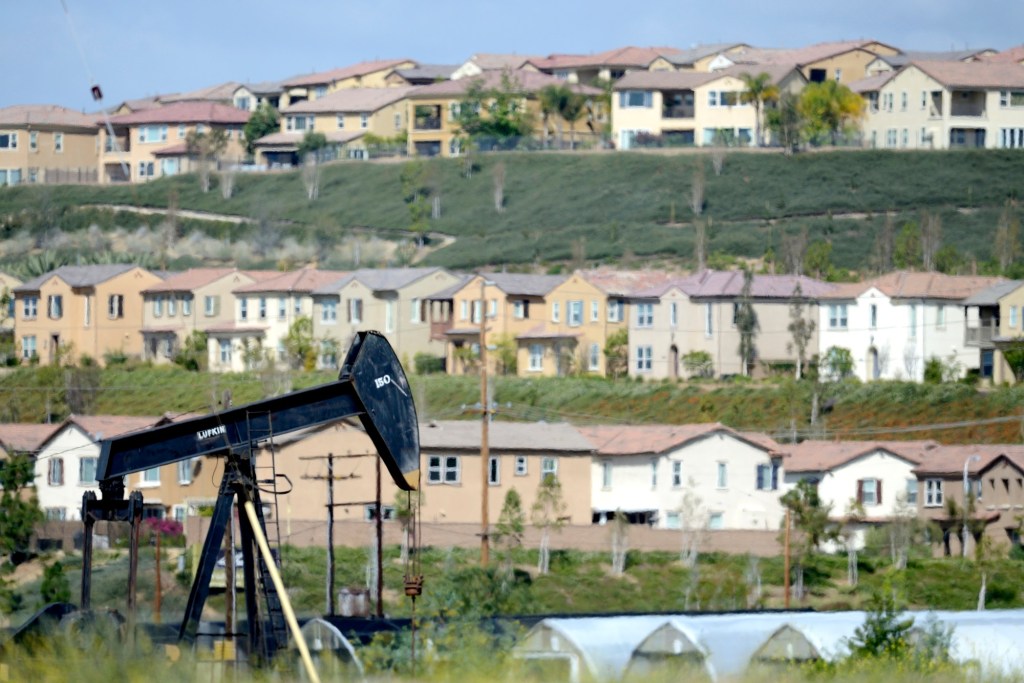
The battle over California's oil industry is intensifying as climate change impacts worsen. California's first oil czar will take office in August, and oil companies will have to provide data on their profit margins to the state, potentially facing penalties for price gouging. Several bills aimed at increasing transparency and reducing greenhouse gas emissions have been proposed but face mixed results. Regulators plan to plug nearly 400 orphan wells, but environmental groups are concerned about the cost falling on taxpayers. A ballot measure to overturn a ban on drilling near homes has qualified for the 2024 election, while environmental groups have filed a counter-initiative to reinstate the ban. Oil interests are expected to spend record amounts to influence energy and climate policy in the state.
Congress has allocated billions of dollars in subsidies to promote the expansion of carbon capture technology, which aims to prevent CO2 emissions from fossil fuel-burning plants by capturing and storing them underground. However, critics argue that carbon capture is a costly distraction and that investing in renewable energy projects would be more effective in reducing emissions. The Petra Nova coal-fired power plant, the only commercial plant in the US to use carbon capture, faced technical issues and high costs before being mothballed. Some experts believe that direct air capture, which extracts CO2 from the atmosphere, could play a role in combating climate change, but current facilities can only remove a fraction of annual CO2 emissions.