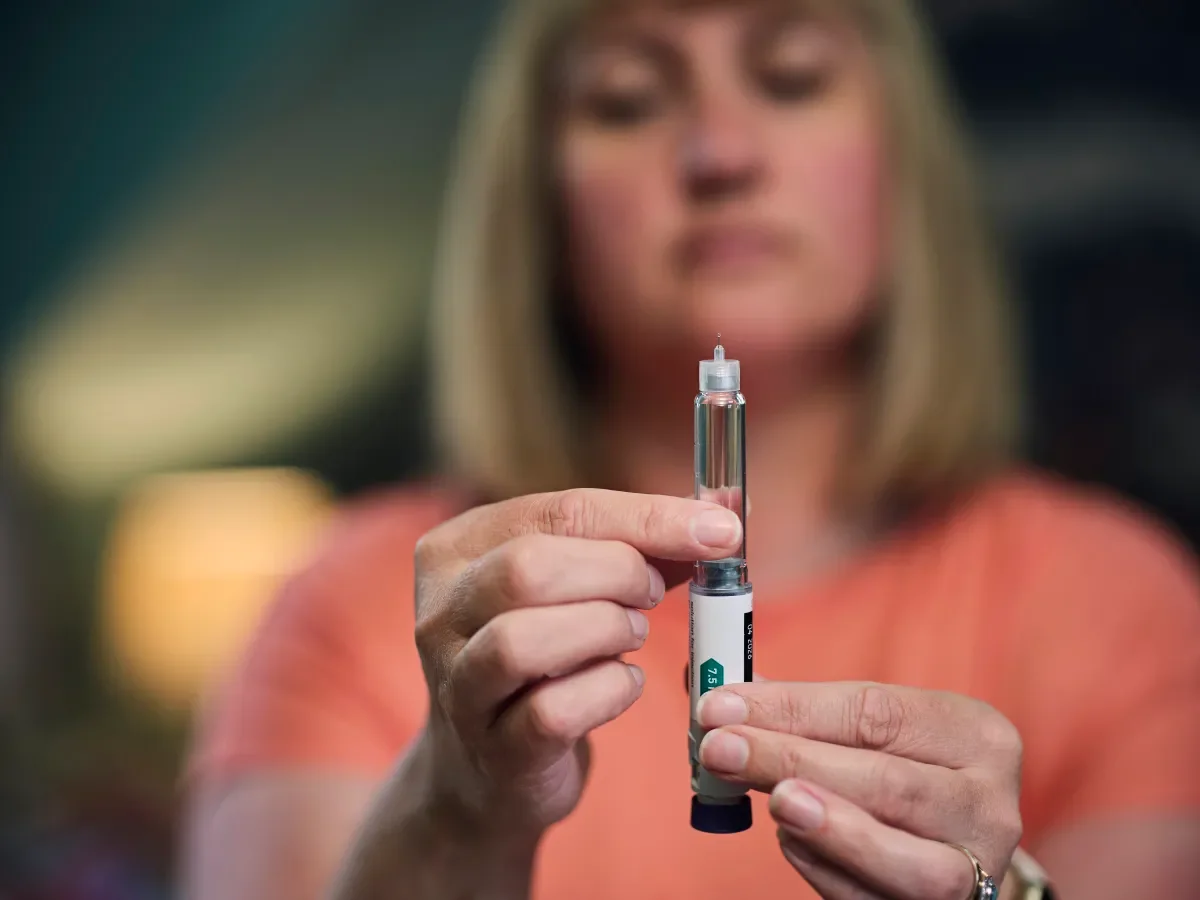
Many individuals using GLP-1 drugs like Ozempic struggle to stop using them due to intense hunger and weight regain, suggesting a potential lifelong dependency. While some can maintain weight loss through lifestyle changes, others face significant challenges in discontinuing the medication, raising concerns about addiction and the need for ongoing treatment for obesity.
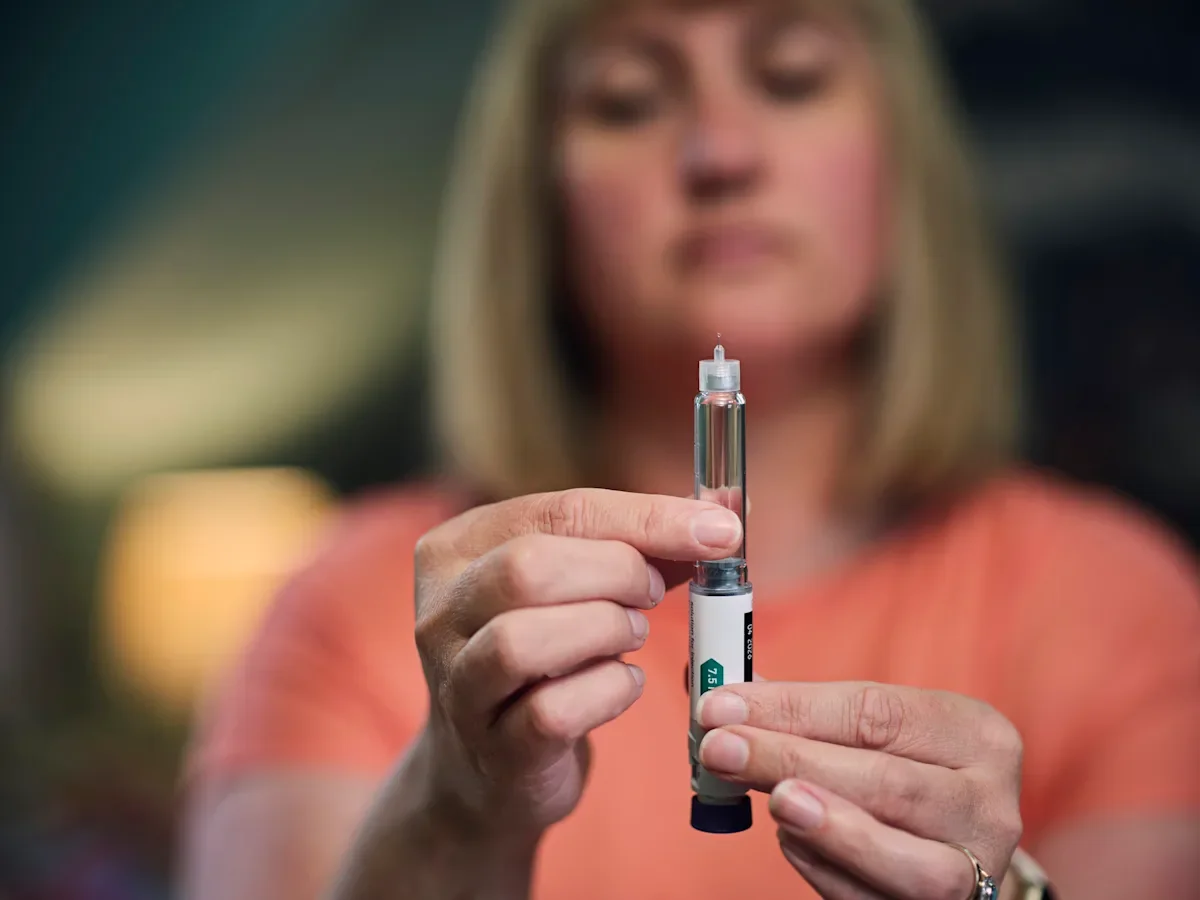
Many users of GLP-1 drugs like Ozempic struggle to stop using them due to intense hunger and weight regain, suggesting a potential lifelong dependency. While some, like Ellen Ogley, maintain weight loss through lifestyle changes, others experience significant weight regain, highlighting the importance of healthy habits during treatment. Experts recommend developing an exit strategy that includes lifestyle modifications to sustain weight loss after discontinuing the medication.
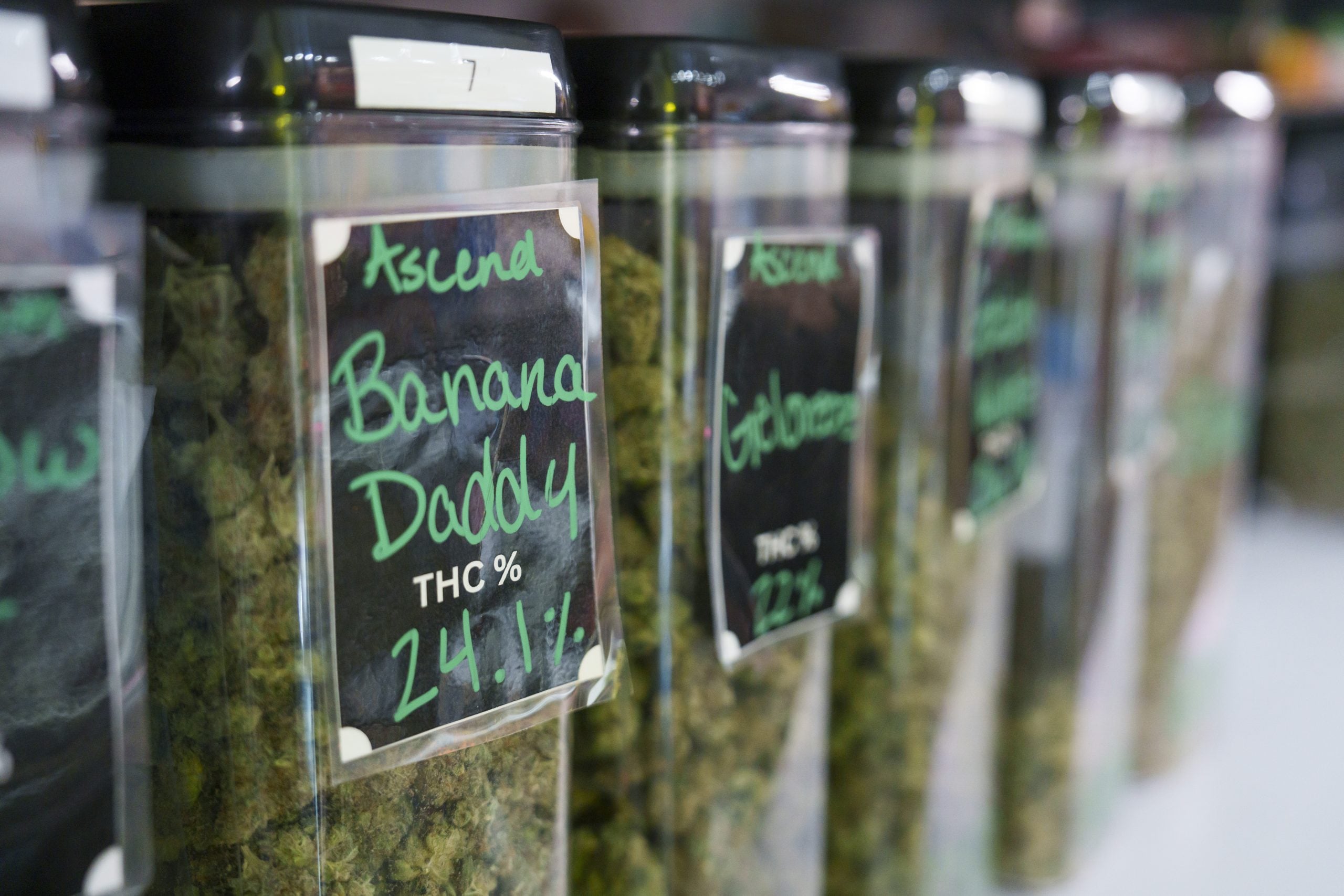
A University of Michigan study found that 22% of young adults aged 19-30 use cannabis or alcohol to fall asleep, raising concerns about potential dependency and sleep quality issues, despite some advocates claiming cannabis can be a beneficial sleep aid when used responsibly.
Ray Dalio warns that the US economy is increasingly dependent on its top 1% of workers and industries like technology, while a large portion of the population struggles with low literacy and productivity, leading to significant inequality and potential economic vulnerabilities.
Smartphones are designed with features that create emotional bonds and manipulate our reflexes, leading to addiction and privacy concerns. These devices use sensory cues, facial recognition, geolocation, and alerts to keep us engaged, often at the expense of our mental health and privacy. Managing dependency involves adjusting device settings and advocating for better regulation and transparency from manufacturers.
The US is urging Taiwan to help produce half of its semiconductor chips domestically to reduce over-reliance on Taiwan Semiconductor Manufacturing Co., as part of a strategic move to counter China's threats and secure supply chains, with discussions ongoing about shifting investment and production to the US.
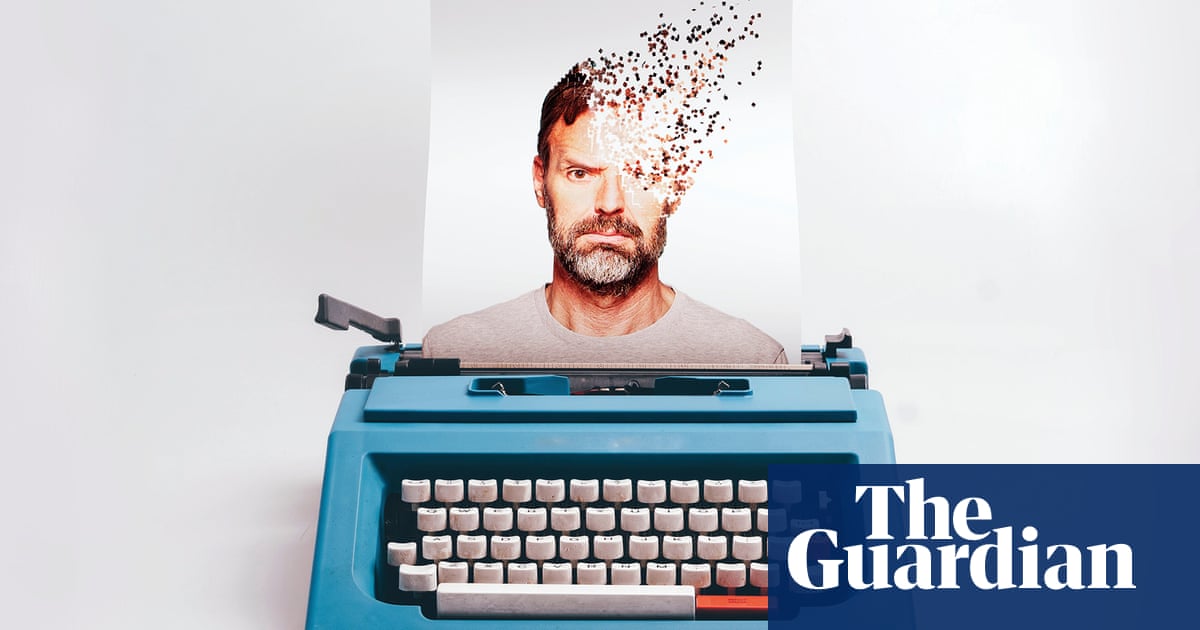
The author reflects on the ways technology has both improved and ruined their life, citing issues with concentration, posture, and the constant need to prove they're not a robot. They also discuss the challenges of resisting the opinions of stupid people, feeling obligated to monitor bad news in real time, and living in fear of being scammed. Despite resenting technology, they admit to being helpless without it and note that the rest of the world is also dependent on it.
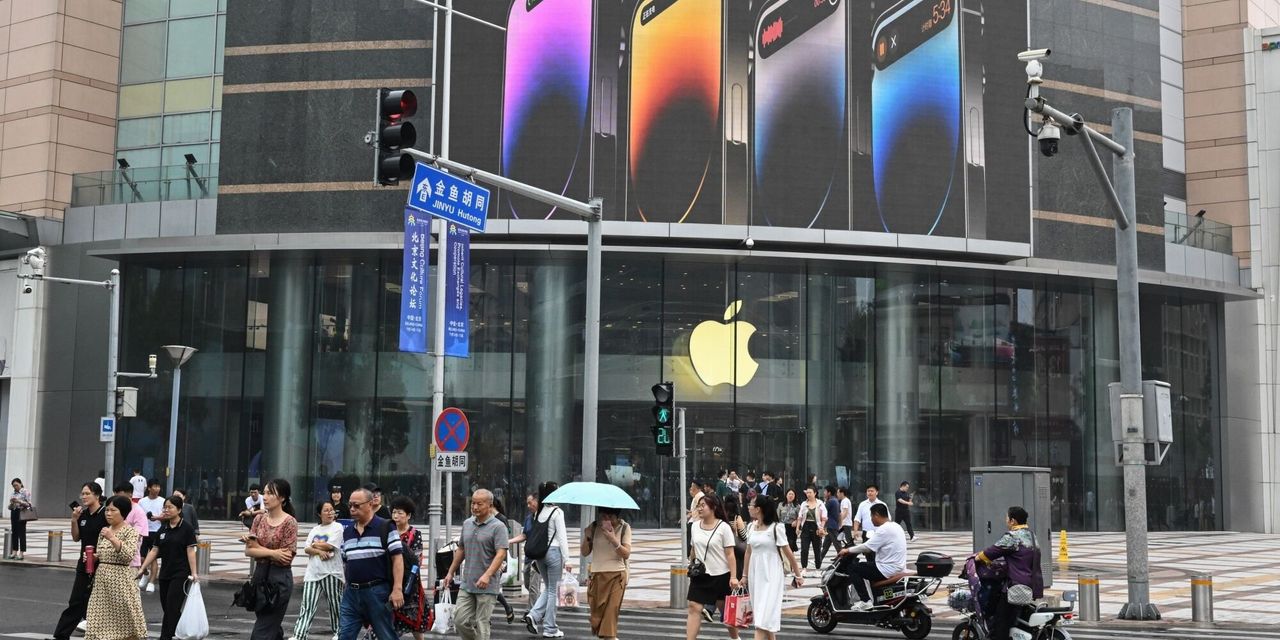
Apple's heavy reliance on China for manufacturing and sales has raised concerns among investors after the ban on its products in the country, highlighting the company's vulnerability to geopolitical risks and potential disruptions in its supply chain.
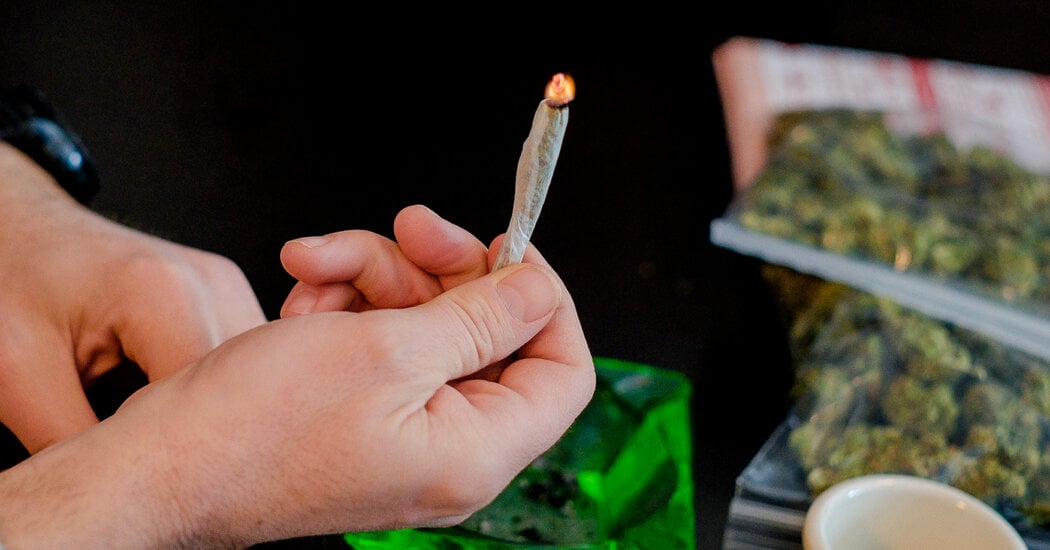
A study published in The Journal of the American Medical Association Network Open found that 21% of cannabis users struggle with cannabis use disorder, characterized by problematic use leading to impairment and distress. Of those, 6.5% had moderate to severe disorder. The study revealed that more severe dependency was associated with recreational use, while less severe but still problematic use was linked to both medical and recreational use. The most common symptoms reported were increased tolerance, craving, and uncontrolled escalation of cannabis use. The findings highlight the importance of assessing cannabis use and disorder symptoms in medical settings.
Belarus is increasingly dependent on Russia, with the Kremlin exerting significant influence over its neighbor through economic, political, and military means. This growing dependency has raised concerns about Belarus' sovereignty and independence, as well as its ability to pursue its own foreign policy agenda. The close relationship between the two countries has implications for the wider geopolitical dynamics in Eastern Europe.