A new drug called ecnoglutide shows promise as a treatment for type 2 diabetes and weight loss, potentially rivaling Ozempic, with clinical trials indicating it may be more effective in lowering blood sugar and promoting weight loss than dulaglutide, and similar or better than semaglutide, though it is not yet approved for market.

Ecnoglutide, a new GLP-1 receptor agonist, demonstrated significant weight loss and improved cardiometabolic risk factors in a phase 3 trial involving overweight and obese adults, showing promise as a personalized obesity therapy with potential advantages over existing treatments.
Eli Lilly's weight loss drugs, Zepbound and Mounjaro, have missed Wall Street sales estimates by nearly $900 million, causing an 8% drop in shares. Despite high demand and market success, inventory issues have been blamed for the shortfall. This mirrors similar challenges faced by competitor Novo Nordisk with its drugs Ozempic and Wegovy. Eli Lilly plans to market Zepbound directly to consumers to boost sales, while addressing concerns over knockoff drugs. Despite the setback, Eli Lilly's shares have risen over 50% this year.
A study suggests that semaglutide, a medication used for type 2 diabetes and weight management, may reduce the risk of developing and relapsing into cannabis use disorder. The research, published in Molecular Psychiatry, utilized a large electronic health record database and found that semaglutide was associated with a reduced risk of new cannabis use disorder cases and a decreased likelihood of recurrence. While the study shows promise, further research, including randomized clinical trials, is needed to validate these findings and understand the underlying molecular mechanisms.
Swiss drugmaker Roche has agreed to acquire obesity drug developer Carmot Therapeutics for $2.7 billion upfront, joining the race to challenge weight-loss drug leaders Novo Nordisk and Eli Lilly. Carmot's lead drug candidate, a once-a-week injection called CT-388, is a dual GLP-1/GIP receptor agonist. Roche aims to develop CT-388 as the best obesity drug in the GLP-1 class, either alone or in combination with other compounds. The weight-loss market is estimated to reach $100 billion, and Roche's move signals its ambition to become a major player in this field.
The European Society of Cardiology (ESC) has released new guidelines for managing cardiovascular disease (CVD) in patients with type 2 diabetes. The guidelines recommend starting treatment with both a sodium-glucose cotransporter-2 (SGLT-2) inhibitor and a glucagon-like peptide-1 (GLP-1) receptor agonist simultaneously, regardless of a person's existing level of glucose control. The guidelines also highlight the use of SGLT-2 inhibitors in people with heart failure and chronic kidney disease. Additionally, the ESC introduced a CVD risk calculator for people with type 2 diabetes without established CVD, heart failure, or CKD. The calculator estimates a person's 10-year risk for CVD and helps identify candidates for more aggressive treatment.
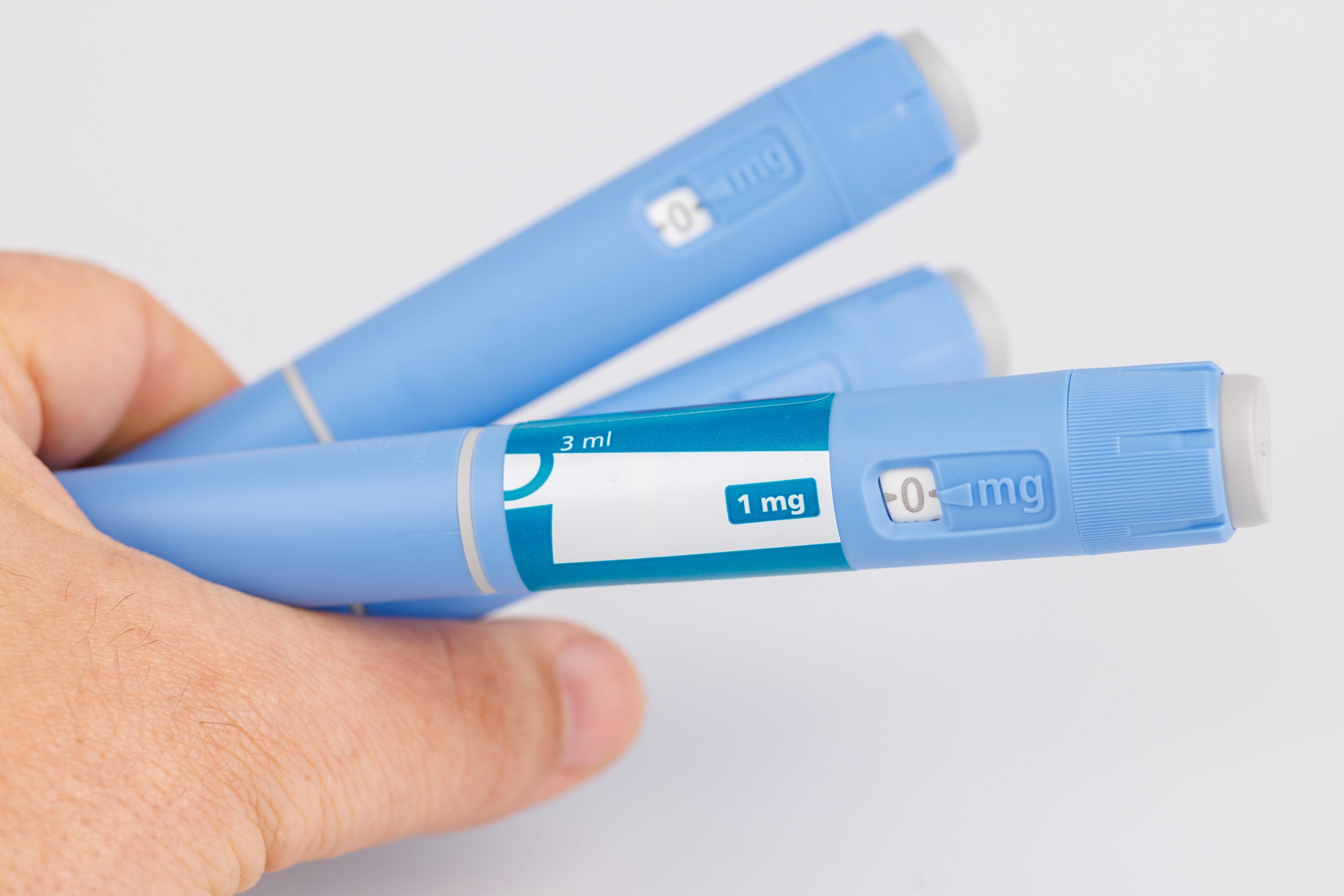
Ozempic, a GLP-1 receptor agonist developed by Novo Nordisk, has been shown to be effective in treating type 2 diabetes and promoting weight loss. The drug works by mimicking the effects of a hormone called GLP-1, which helps regulate blood sugar levels and appetite. Ozempic is administered once a week via injection and has been approved by the FDA for use in adults with type 2 diabetes.
Several celebrities have admitted to using Ozempic, a medication that is rumored to be behind some dramatic weight loss transformations. Ozempic is a GLP-1 receptor agonist that slows down the digestive system, reduces hunger, and lessens food cravings. Although it is approved by the FDA only for use in diabetes patients, it is often prescribed off-label to people trying to shed pounds. Some celebrities have no qualms about admitting that they've used medication to slim down, whether it's Ozempic or another GLP-1 receptor agonist.