Research suggests that tiny genetic differences in the 'dark' regions of our DNA, specifically in an enhancer region called EC 1.45, may explain why Neanderthals had distinct facial features like larger jaws and noses compared to modern humans, with these differences linked to variations in gene regulation during development.
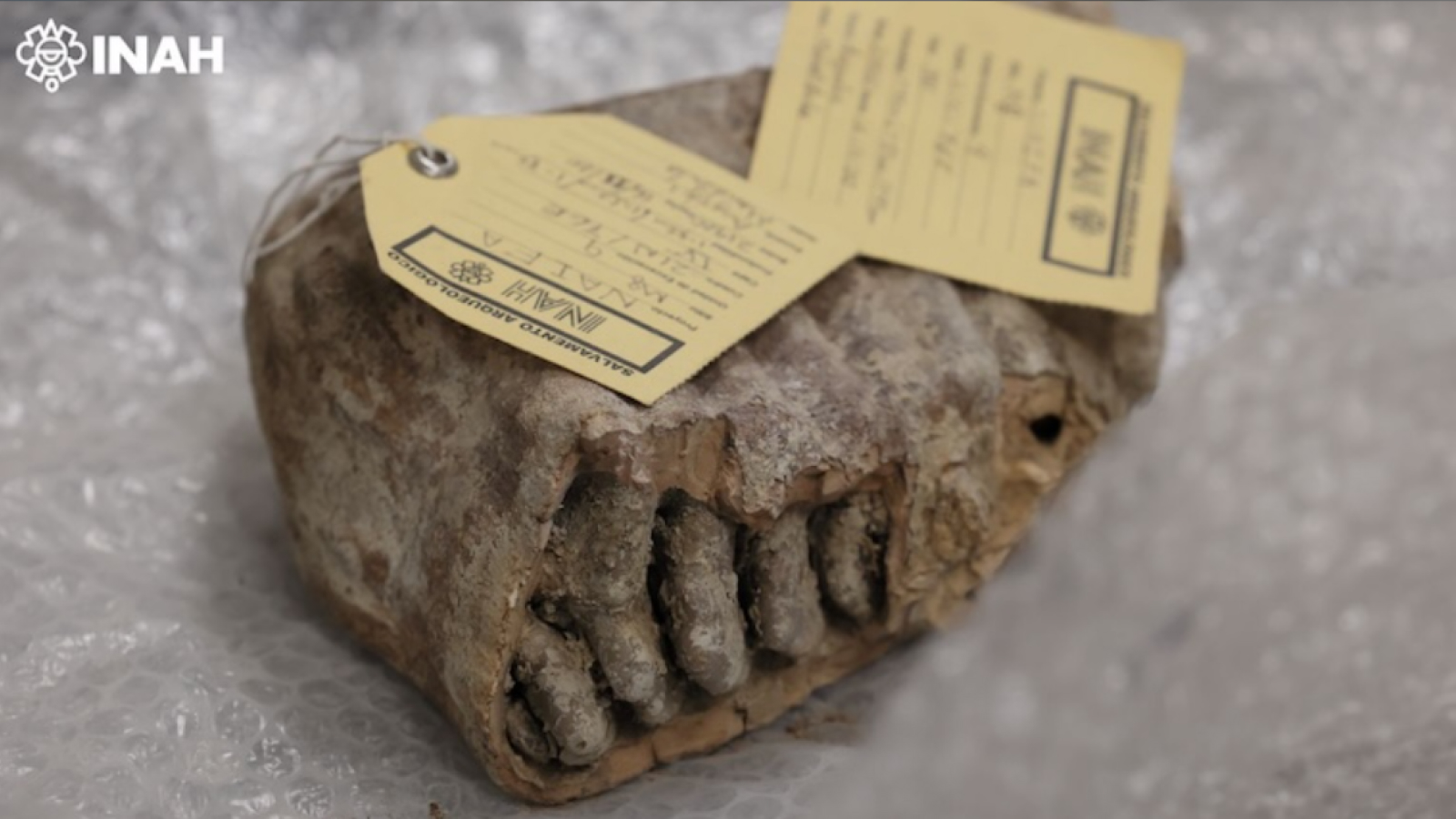
Scientists sequenced ancient DNA from Columbian mammoths in Mexico, revealing unexpected genetic differences from northern populations and suggesting a more complex evolutionary history than previously thought, with implications for understanding species migration and diversity in the Americas.
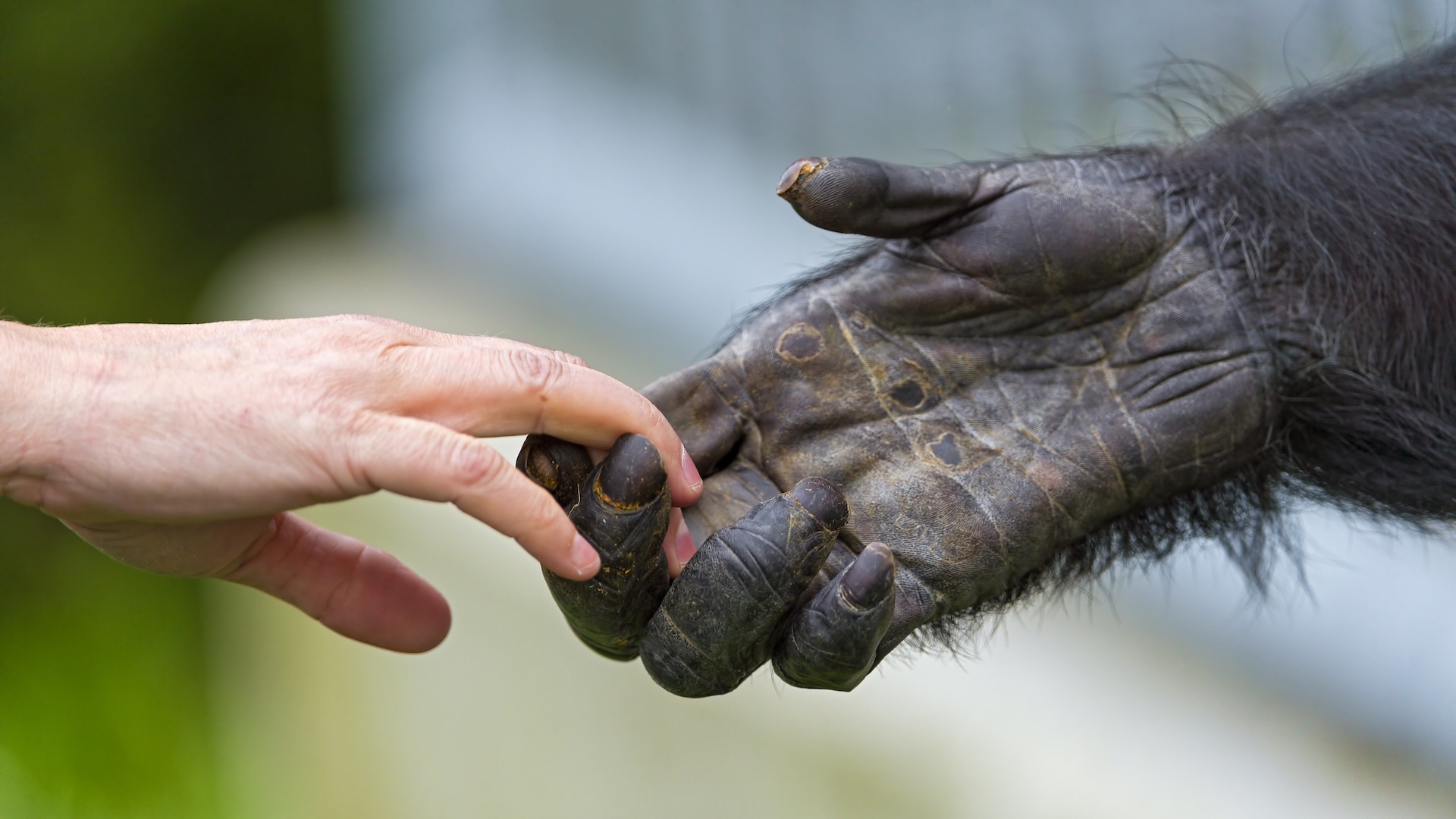
The commonly cited figure that humans and chimpanzees share 98.8% of their DNA is misleading; more comprehensive comparisons suggest they are about 15% different, mainly due to differences in noncoding regions that regulate gene expression, which significantly influence traits and behaviors.
Research identifies a genetic difference in the ADSL enzyme between modern humans and Neanderthals, with experiments in mice suggesting this variation may have influenced behavioral traits and contributed to the survival of modern humans over extinct relatives, though implications for human evolution remain uncertain.
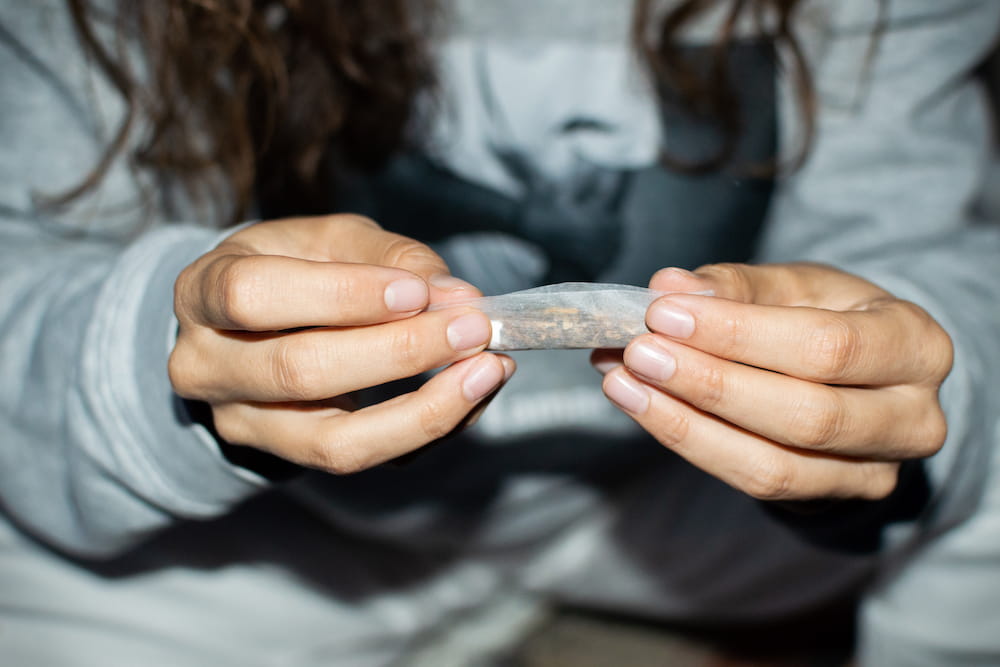
A recent study suggests that genetic differences in how young adults metabolize THC, the main component of cannabis, can influence their experiences with the drug and their risk for developing cannabis use disorder (CUD). The research found that about one in four people have a gene that causes THC to be broken down less effectively, leading to stronger and longer-lasting effects of cannabis. The study also revealed sex-specific effects, with young females who metabolize cannabis more slowly being at higher risk for CUD, and young males with a gene variant for slower THC metabolism reporting more negative effects during initial cannabis use. The findings underscore the importance of educating teens about the potential risks of cannabis use and may open up new possibilities for treatment options for those struggling with CUD.
A research study conducted by evolutionary biologists at Drexel University is examining how mice living in urban environments, such as New York City, have evolved differently from their country counterparts. The study aims to understand the effects of urbanization on the evolution of house mice by comparing their behavioral traits, fecal tests, and DNA and microbiome sequencing. The researchers are collecting mice from homes in New York, Philadelphia, and Richmond, and expect to see differences in stress levels, size, and immune systems due to the complex urban environment. The project has received a $1.1 million grant from the National Science Foundation and hopes to publish results in about a year.