
Revolutionary 3D Bioprinting Advances with Light, Sound, and Speed
TL;DR Summary
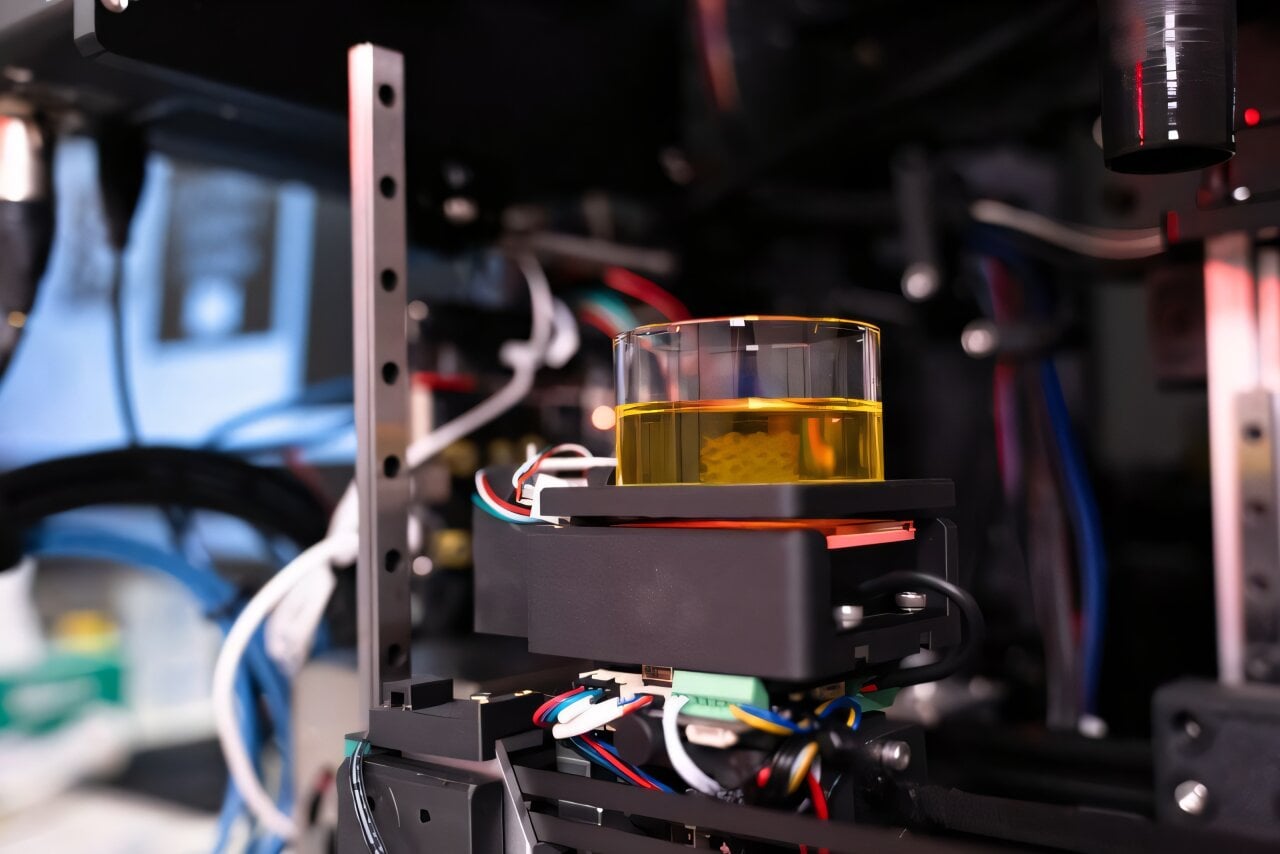
Researchers at the University of Melbourne have developed a high-speed 3D bioprinter that can create structures mimicking human tissues, from soft brain tissue to hard bone. This innovative technology uses acoustic waves to position cells accurately, significantly improving print speed and cell survival rates. The bioprinter's ability to replicate complex tissues quickly and precisely offers promising advancements for cancer research and drug discovery, reducing reliance on animal testing. The research, published in Nature, has garnered positive feedback from leading medical institutions.
Topics:science#3dbioprinting#biomedicalengineering#cancerresearch#technology#tissueengineering#universityofmelbourne
- High-speed 3D bioprinter can fabricate structures that closely mimic diverse tissues in human body Medical Xpress
- Acoustic Waves Propel 3D Bioprinting Breakthrough at the University of Melbourne 3D Printing Industry
- 3D printing with light and sound could let us copy human organs New Scientist
- The state of 3D printing technology ABC News
- Dynamic Interface Printing: The New, Faster and More Accurate 3D Bioprinting Technique 3Dnatives
Reading Insights
Total Reads
0
Unique Readers
1
Time Saved
3 min
vs 3 min read
Condensed
86%
592 → 81 words
Want the full story? Read the original article
Read on Medical Xpress