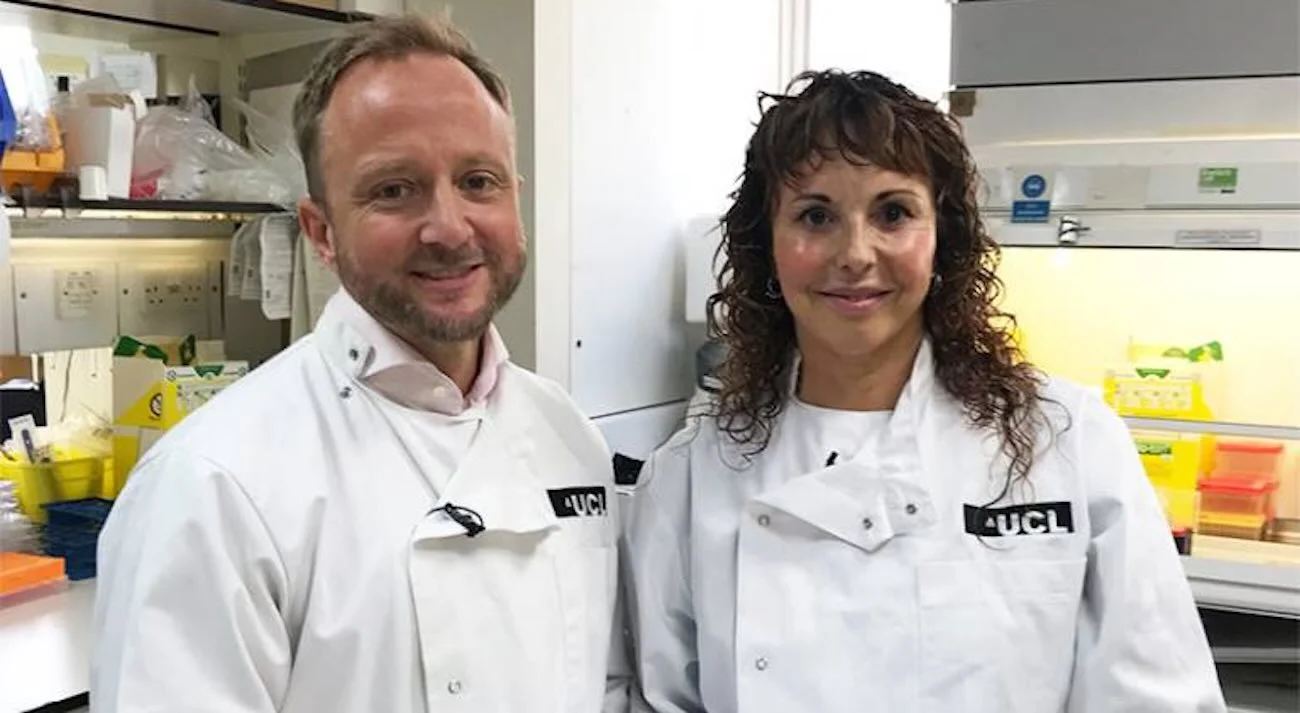
A groundbreaking gene therapy called AMT-130 has shown promising results in slowing the progression of Huntington's disease in a clinical trial, with treated patients experiencing 75% less disease progression and lower neuronal damage markers, potentially offering a new hope for this currently incurable condition.

Preliminary results from a small clinical trial show that a gene therapy injected into the brain can slow the progression of Huntington’s disease by 75%, marking a significant breakthrough in treatment for this neurodegenerative condition.
A study published in The Journal of Nutrition found that replacing refined sugars with maple syrup can significantly improve cardiometabolic risk factors, such as blood sugar levels, blood pressure, and abdominal fat composition. Conducted by Laval University, the trial involved 42 participants who substituted 5% of their daily caloric intake with maple syrup, resulting in improved glycemic response, lower systolic blood pressure, reduced abdominal fat, and healthier gut bacteria. The findings suggest maple syrup as a healthier alternative to refined sugars, with potential benefits for preventing metabolic diseases.
Researchers at City of Hope have found that white button mushroom supplements may slow the progression of prostate cancer by reducing cancer-promoting immune cells, according to early clinical trial results. The study, part of a phase 2 clinical trial, suggests that these mushrooms can decrease myeloid-derived suppressor cells (MDSCs) and increase cancer-fighting T cells, potentially transforming 'cold' tumors into 'hot' ones. While promising, further research is needed, and experts advise against self-prescribing supplements without professional guidance.
A West Michigan man with pancreatic cancer became the first person in the world to test a new imaging agent as part of a clinical trial conducted by BAMF Health, which aims to improve the detection of the disease. The imaging agent, labeled with a radioactive isotope, was used in conjunction with a total-body PET/CT scanner to localize the presence of the disease in the patient. The trial's results could potentially lead to the development of targeted treatments for pancreatic cancer, which currently do not exist.