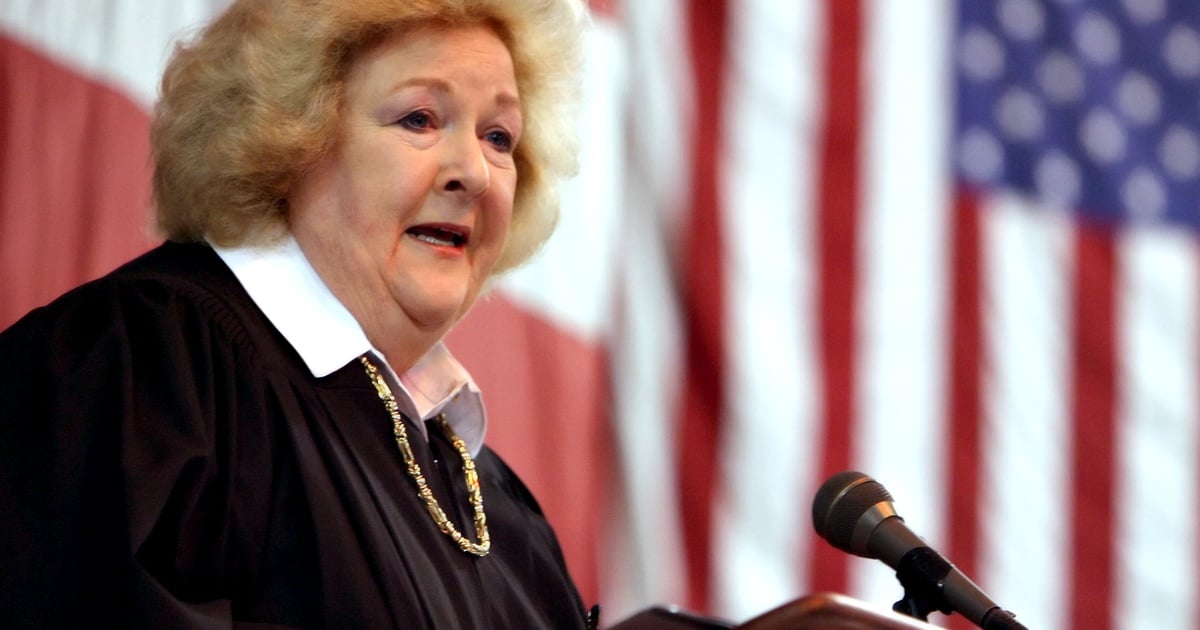
A federal judge temporarily blocked the Trump administration's attempt to freeze billions in childcare and welfare funds for five Democratic-led states, citing lack of legal justification and immediate harm to low-income families, while the government claims the freeze is due to fraud concerns.
In 2026, California will implement over 500 new laws impacting various sectors including immigration protections, child welfare, mental health, criminal and civil law, court procedures, traffic enforcement, and AI regulation, aimed at enhancing fairness, accessibility, and safety across the state.
South Korea plans to phase out international adoptions by 2029 amid concerns over past abuses, falsified records, and systemic human rights violations, with the government focusing on reform and domestic adoption promotion while facing international pressure for accountability and reparations.
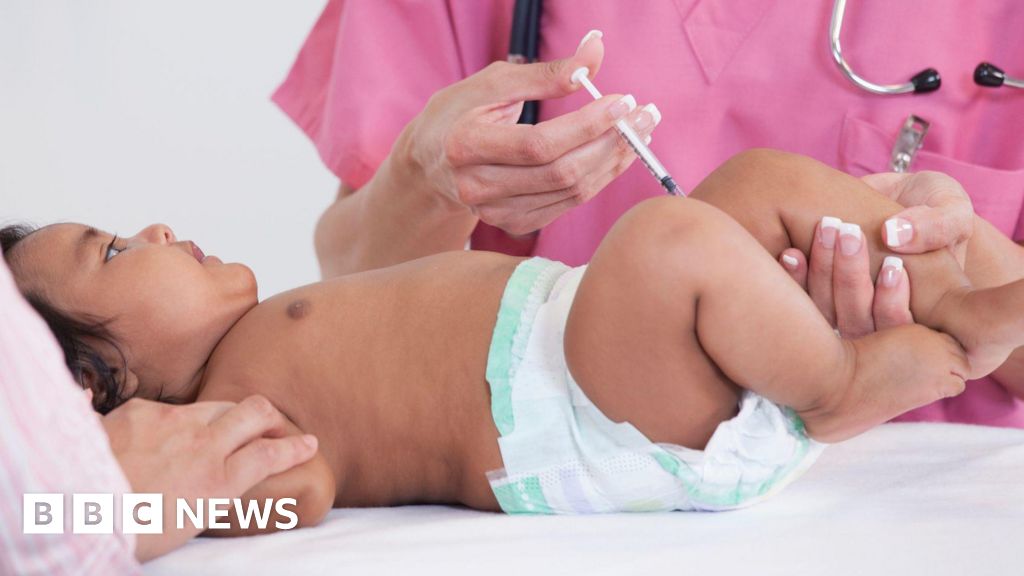
Islington Council won a High Court case allowing it to vaccinate an eight-month-old baby against her mother's wishes, citing the child's vulnerability to preventable diseases and the lack of scientific evidence linking vaccines to autism, under the authority of the Children Act 1989.
Melania Trump sent a public letter to Vladimir Putin urging him to protect children's innocence amid the Ukraine conflict, highlighting the impact of the war on children and calling for their safety, though without directly referencing Russia's invasion or the abduction of Ukrainian children.
A woman is concerned about her nephew's unhappiness and her strained relationship with her narcissistic sister. She considers whether to apologize to her sister to improve her access to her nephew or to find alternative ways to support him without engaging in her sister's drama. Experts suggest maintaining emotional boundaries, avoiding unnecessary apologies, and focusing on creating positive interactions with her nephew while managing her sister's behavior.
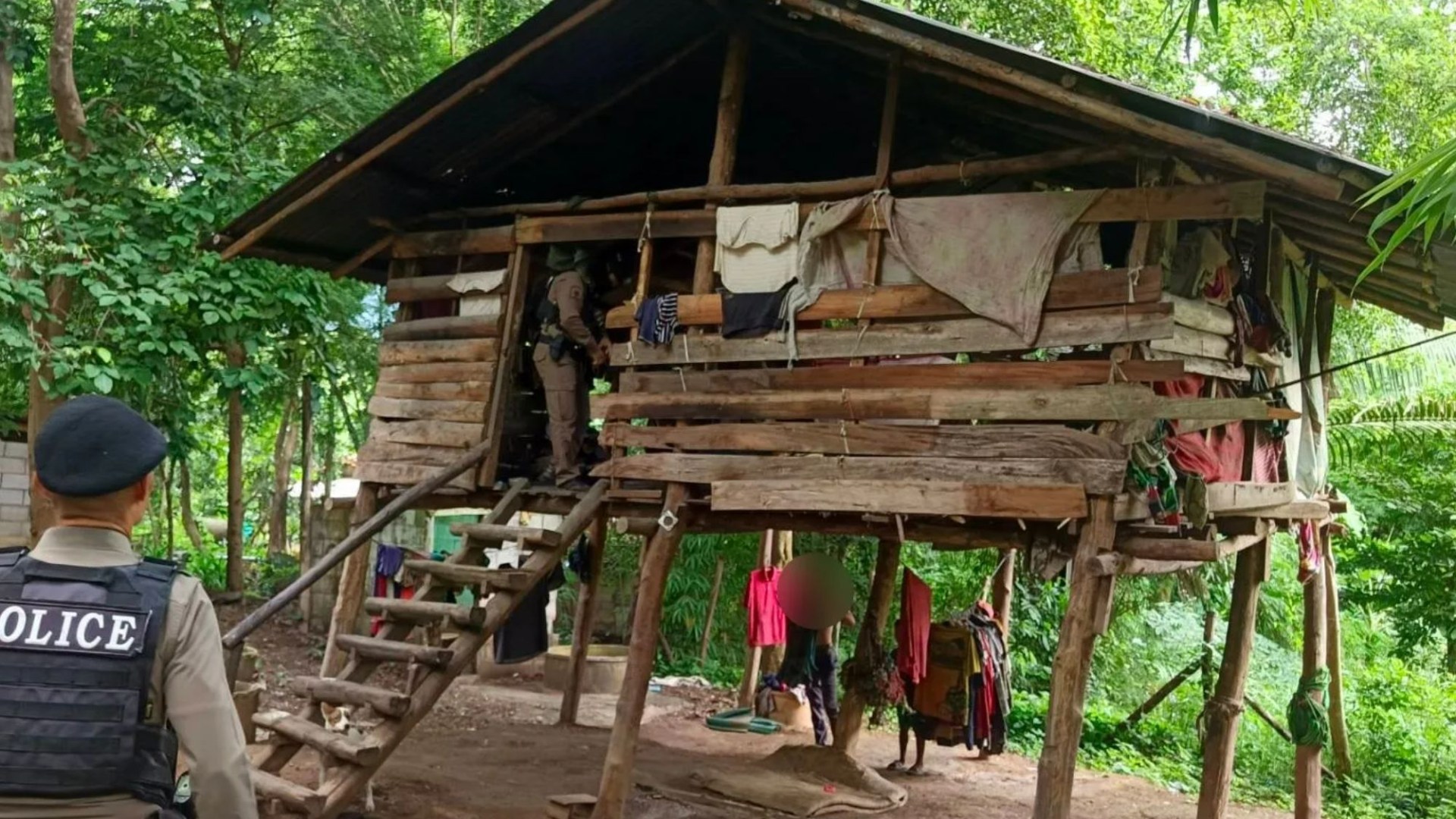
An eight-year-old boy in Thailand was found living in a squalid hut, raised by dogs and unable to speak beyond barking, after being abandoned by his drug-addicted family. His mother and brother were charged with drug offenses, and the boy was placed in a care home to receive proper support and rehabilitation.
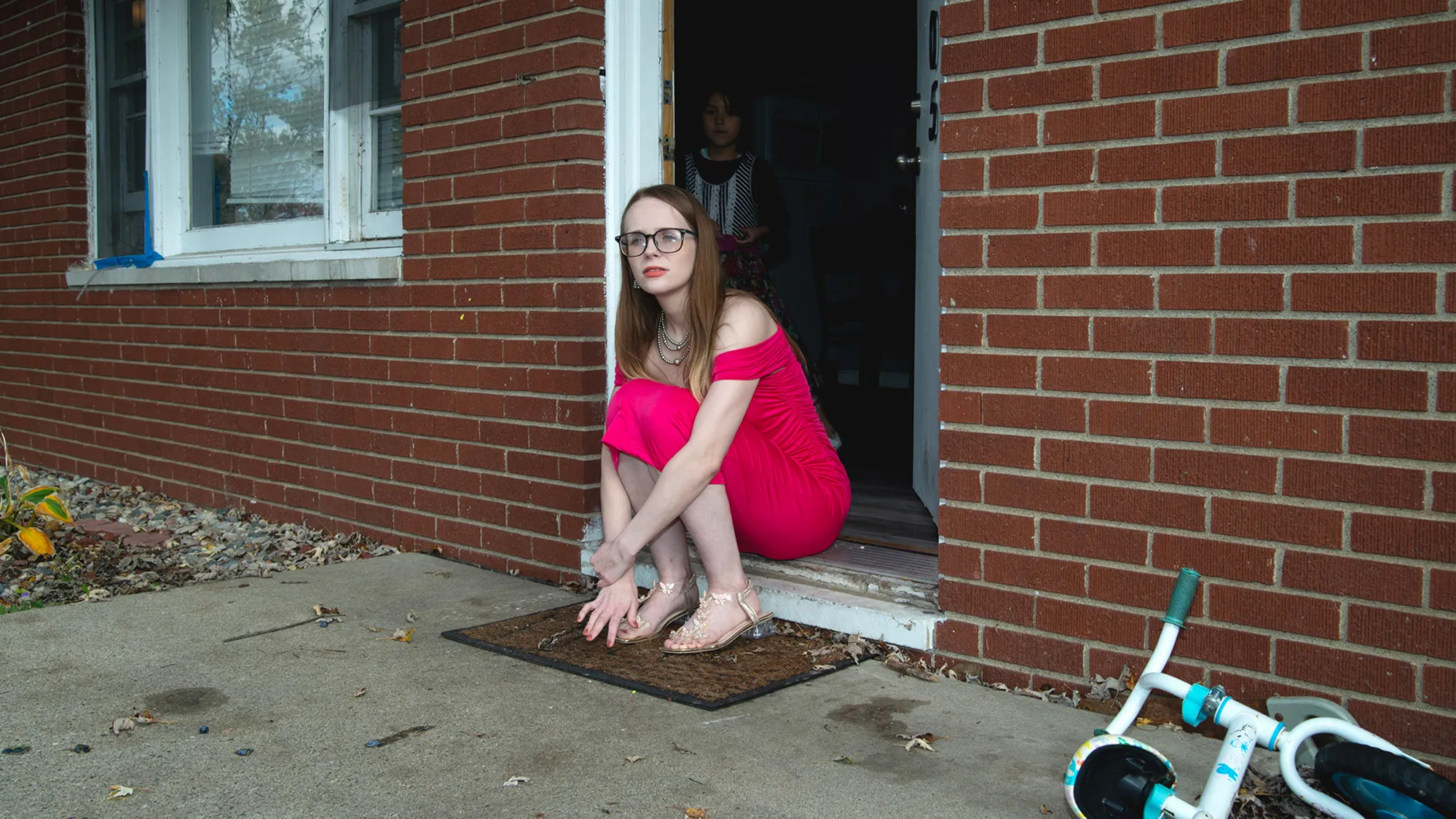
Homeland Security agents are conducting surprise wellness checks on unaccompanied migrant children in the U.S., raising concerns that these visits are used to enforce immigration laws and potentially lead to deportations, amid ongoing debates about the treatment and legal protections of these minors.
An investigation by The Marshall Project and Reveal found that hospitals across the U.S. are administering medications to birthing patients and then reporting them to child welfare authorities when drug tests show positive results for those same substances. This practice has led to child welfare investigations and even the removal of children from their parents, despite the medications being legally prescribed during labor. The issue is exacerbated by the lack of hospital policies to confirm test results or review patient medications before reporting, leading to calls for policy changes to protect patients from unwarranted investigations.
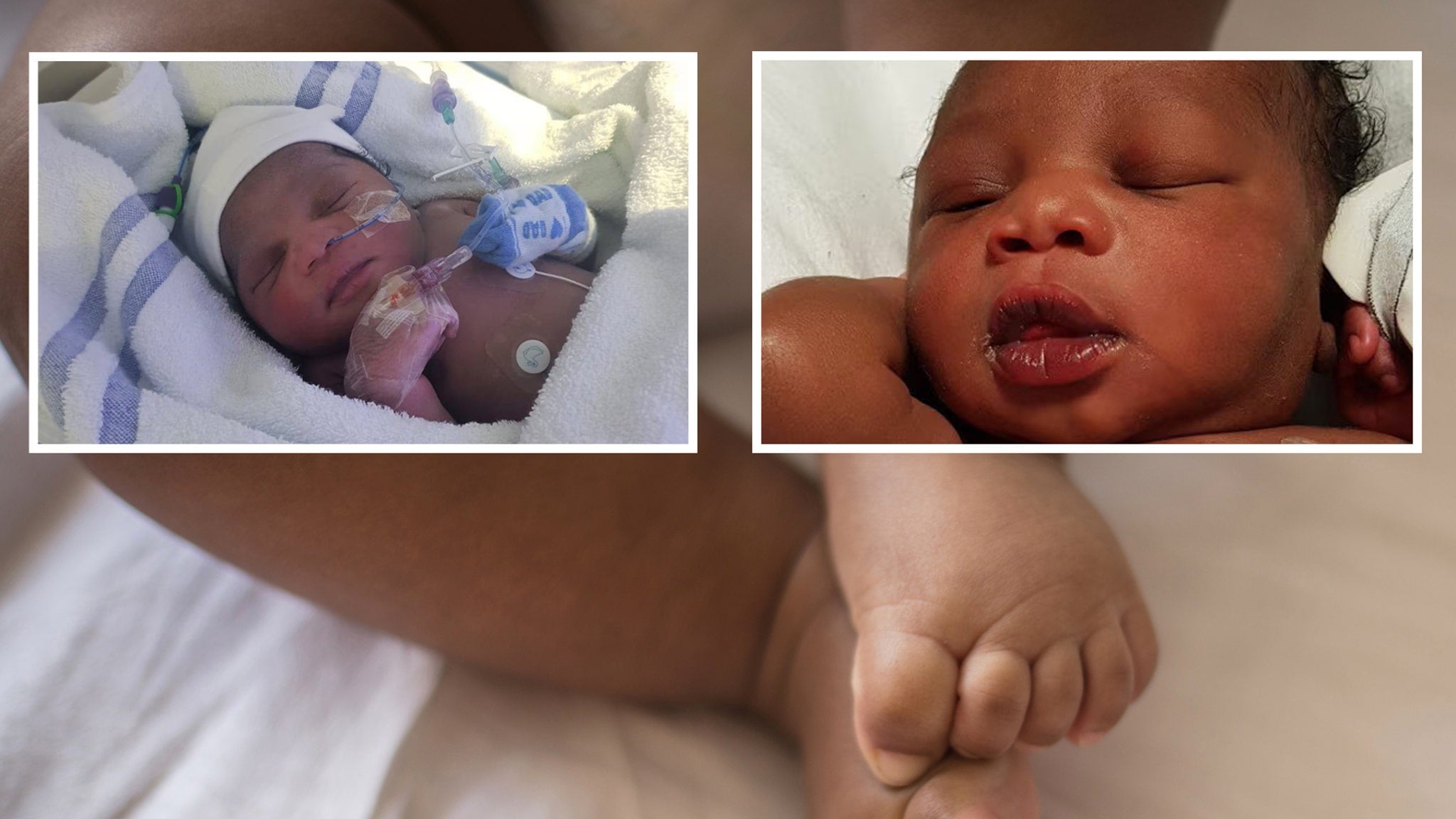
A baby girl, dubbed Baby Elsa, was found abandoned in London this January, marking the third child left by the same parents since 2017. DNA tests confirmed Elsa is a full sibling to two other abandoned children, Baby Harry and Baby Roman. Despite extensive investigations and public appeals, the parents remain unidentified. Authorities are seeking a woman seen near the location where Elsa was found, believing she may have crucial information. The children are now in care, with Harry and Roman adopted and Elsa in foster care.
A newborn girl, Baby Elsa, found abandoned in east London in January, is the third child to be ditched by the same parents, according to DNA tests. She was discovered on the coldest night of the year, just an hour after birth. Her siblings, also abandoned in 2017 and 2019, were found in the same area. The parents remain unidentified despite public appeals.
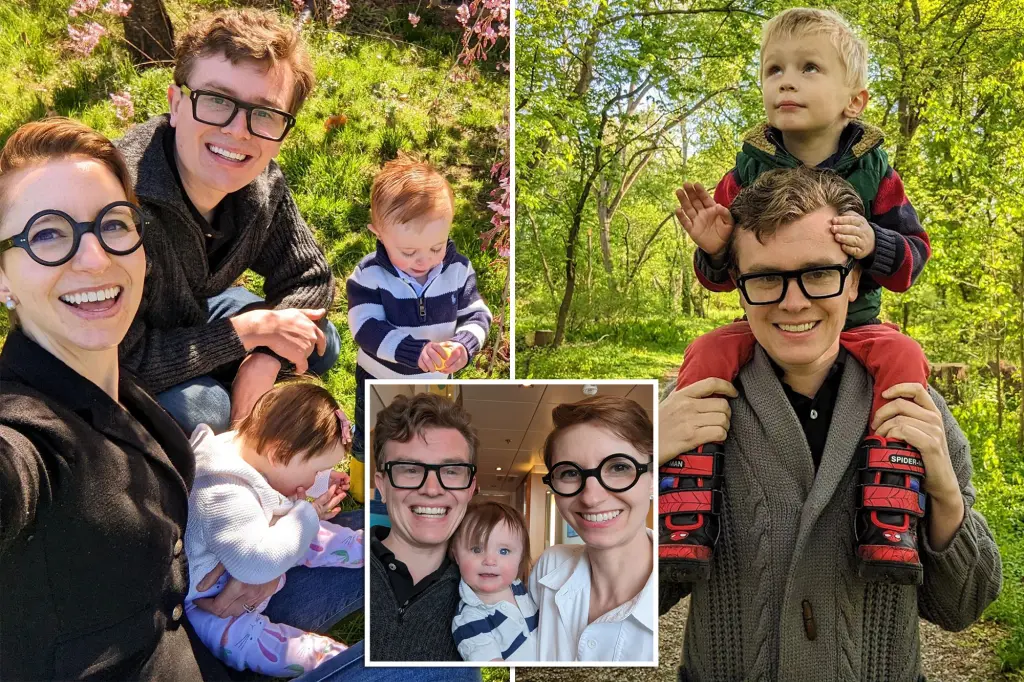
Malcolm Collins, a leader in the pronatalist movement supported by Elon Musk, faces backlash and potential child welfare investigations after slapping his 2-year-old son during a news interview. Collins defends the use of corporal punishment as a necessary corrective measure in dangerous situations, while critics argue it constitutes abuse. The incident has sparked significant online outrage and debate over parenting practices.
A federal judge has fined Texas health and human services officials $100,000 per day for failing to adequately investigate allegations of abuse and neglect in the state's foster care system. This decision comes after years of criticism and court orders to improve the system, with the judge citing "continued recalcitrance" in conducting thorough investigations. The fines will be lifted when the state demonstrates compliance, and a hearing on the matter is set for late June. The ruling sends a strong message about the urgent need to address the shocking evidence of neglect and abuse suffered by innocent children in the state's care.
Massachusetts hospital group, Mass General Brigham, will no longer automatically file child abuse or neglect reports for babies born with drugs in their systems, citing racial and ethnic inequities and aiming to reduce stigma and improve access to substance abuse treatment. The new policy requires reasonable cause to believe that the infant is suffering or at imminent risk of suffering physical or emotional injury before filing a report to the state, and written consent outside of emergencies before conducting a drug test on newborns or mothers. This change is in response to concerns that the previous reporting requirement disproportionately affected Black individuals and led some women to stop their opioid addiction medications out of fear of losing custody of their babies.
A neuroimaging study found that toddlers who experienced more severe maltreatment had lower total brain volume, particularly smaller gray matter volume, which was linked to lower cognitive abilities. Childhood maltreatment encompasses physical, emotional, and sexual abuse, as well as neglect, and can have long-lasting effects on mental and physical health. The study, conducted on 86 children aged 3 to 5, suggests that greater maltreatment severity in early childhood is associated with smaller brain size and implications for intellectual ability, emphasizing the need for mechanism-driven targets for early intervention.