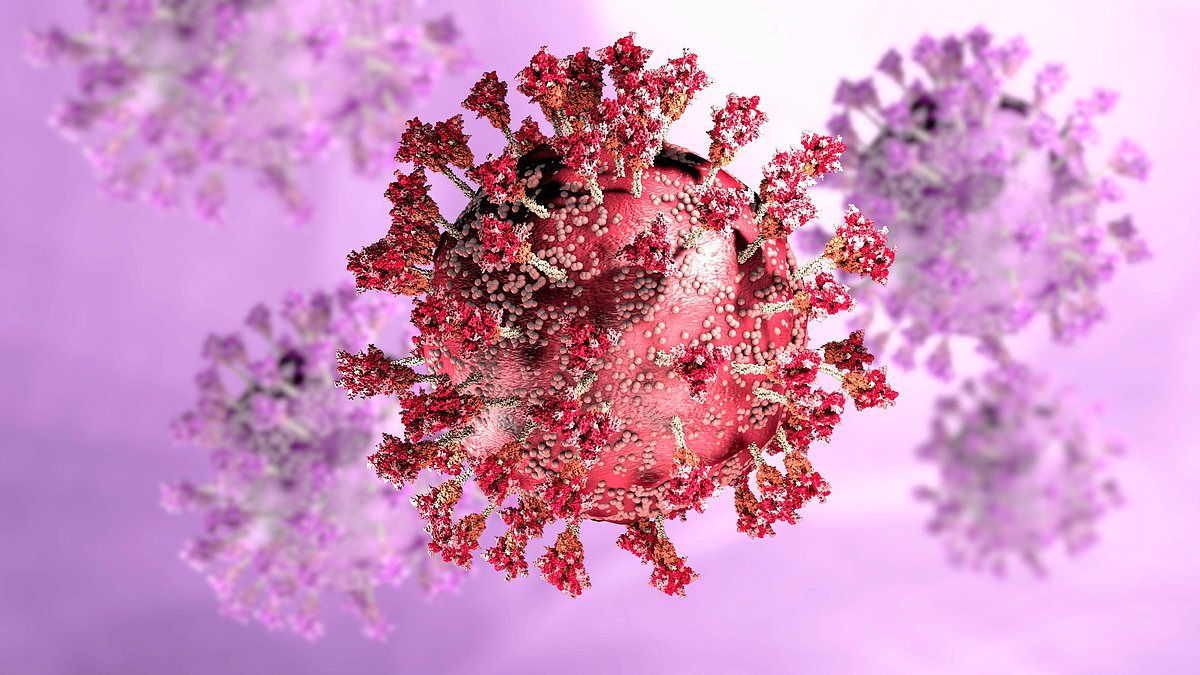
The HV.1 variant of the coronavirus, a mutation of the EG.5 variant, has become dominant in the United States, accounting for 25% of cases. Experts say it is more transmissible but not more likely to cause severe disease. While concerns are raised over America's slow booster vaccine program, with less than 3% of Americans having received a booster shot, Covid cases and hospitalizations are currently declining. However, experts warn that colder weather and upcoming holiday gatherings could lead to an increase in cases. The HV.1 variant has been detected in over 41 countries, including the UK, Canada, and Israel, and has several mutations on its spike protein. The US is rolling out an updated booster vaccine based on the XBB.1.5 variant, which experts believe will still be effective against HV.1.
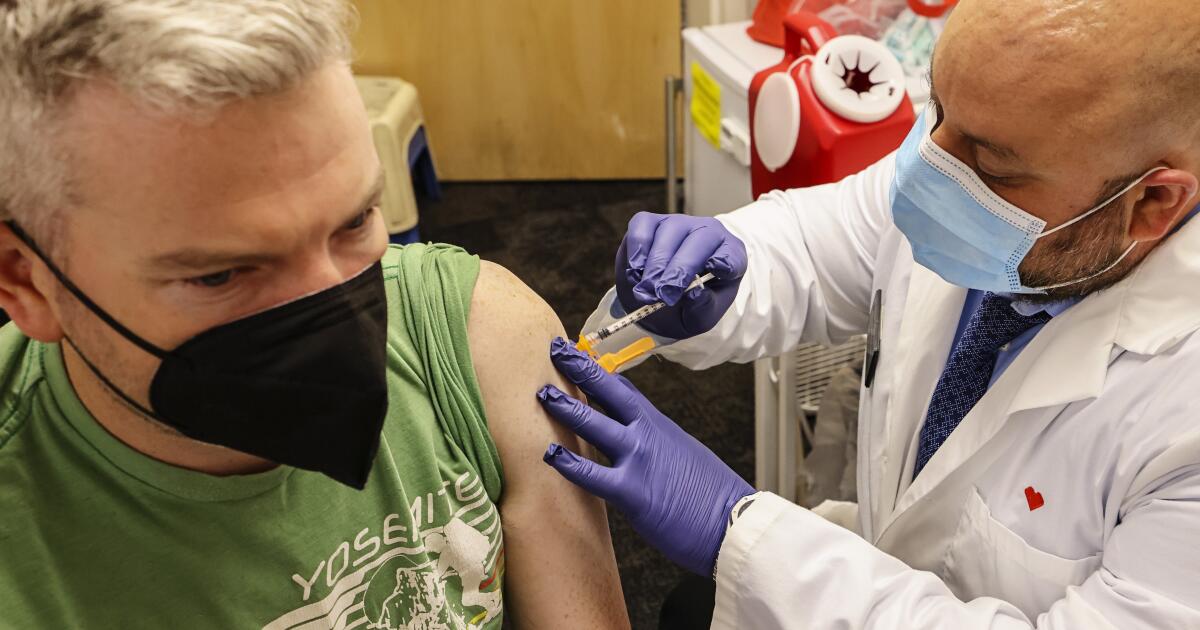
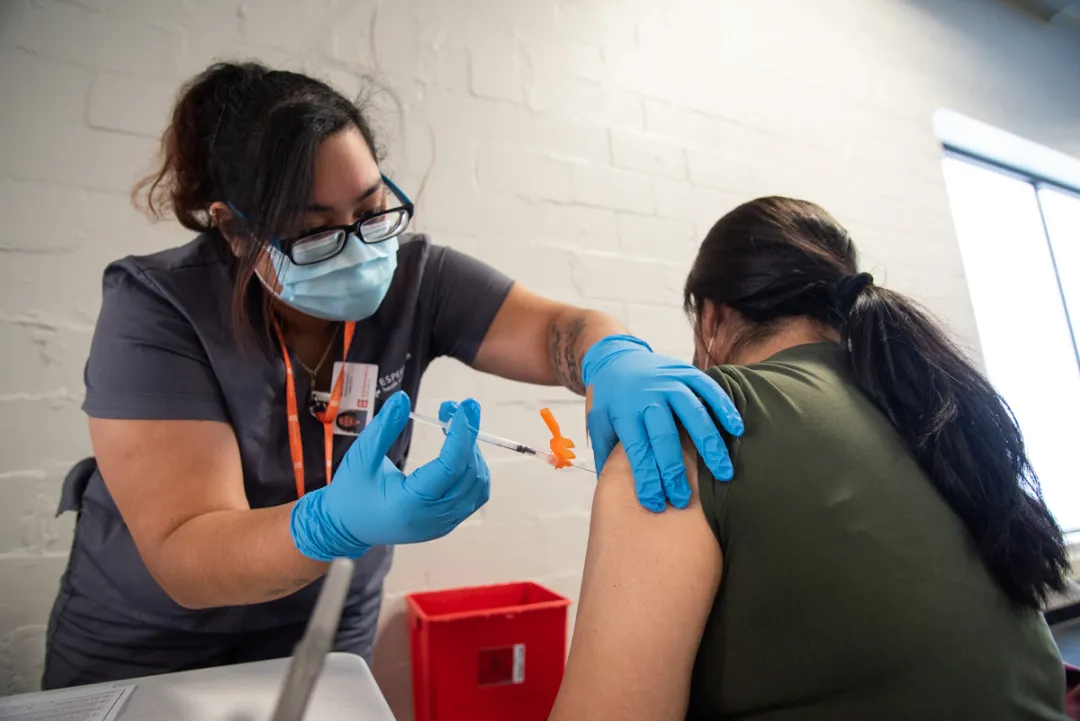
The Centers for Disease Control and Prevention (CDC) is warning that protection against Covid-19 is decreasing over time and the virus is changing, urging the public to get the latest booster vaccine to prepare for the upcoming winter wave. While Covid cases may be falling currently, health officials anticipate a moderate wave in the coming months. The newly-updated vaccines from Pfizer and Moderna are designed to target the omicron subvariant and offer protection against currently circulating subvariants. Experts also recommend booster vaccinations to minimize the risk of long Covid.
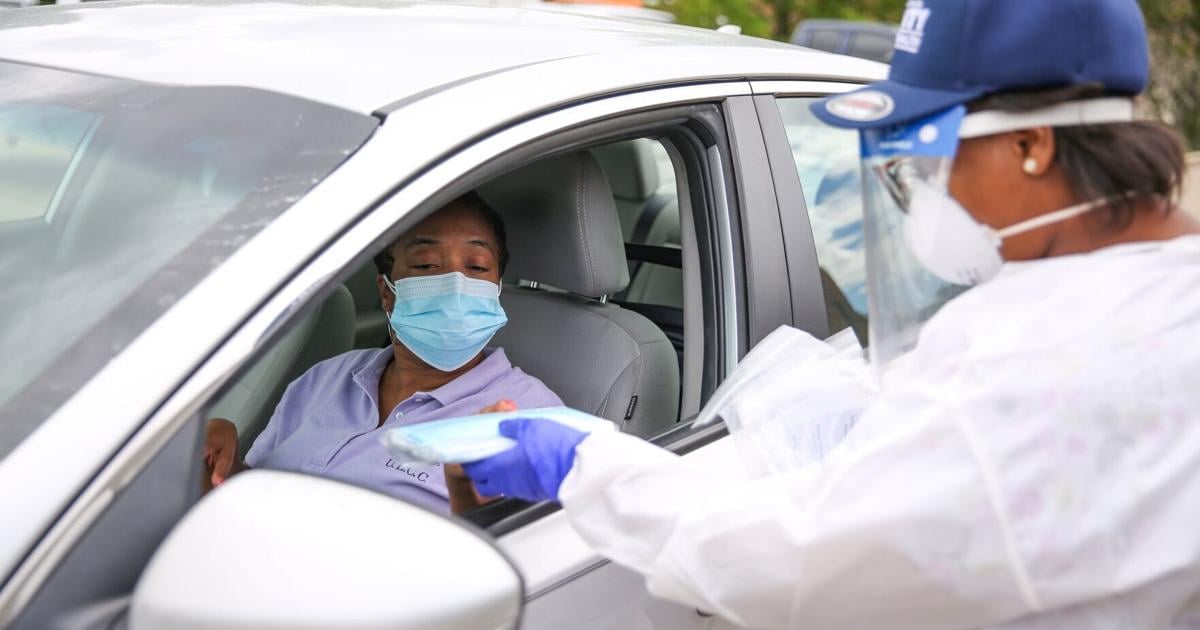
Health experts in the St. Louis area are warning residents about a recent increase in COVID-19 cases, although case rates and hospitalizations are still lower than previous surges. They recommend that residents prepare to get the updated COVID-19 vaccine booster when it becomes available and consider taking preventive measures in crowded settings. Older individuals, those with weakened immune systems, and pregnant individuals may want to consider wearing masks in public or in crowds. The region has tools to prevent and treat COVID-19, but it has become more difficult for residents to know when there is an increase in cases due to changes in reporting and the use of at-home tests. Experts advise residents to stock up on test kits and check expiration dates before discarding them.
The U.S. Centers for Disease Control and Prevention (CDC) expects a refreshed booster vaccine to be available next month, but there are concerns about its effectiveness against a highly mutated coronavirus variant known as Pirola (BA.2.86). Pirola has more than 35 additional mutations compared to the variant included in this year's booster. Experts recommend waiting for the new booster, as the virus continues to evolve rapidly. The CDC's assessment states that Pirola's genetic differences are similar to those between the initial Omicron variant and previous variants. It remains uncertain whether Pirola will outcompete other variants and become dominant. Low uptake rates for boosters indicate that many people do not see the value in getting boosted, but experts emphasize the importance of maintaining immunity, especially for those at increased risk of severe COVID-19 complications.
As COVID-19 cases increase in Chicago, health experts are preparing for a new booster vaccine expected to be available in early October. The city is reporting an average daily count of 92 cases this week, compared to 75 cases last week. Both case counts and hospitalizations have been trending upward, though still below early 2022 levels. The new booster is expected to offer protection against the two predominant variants spreading nationwide. However, the rollout may prioritize vulnerable populations first. Health professionals recommend getting the initial booster if not already received and waiting 90 days after a positive COVID-19 test before getting the new booster. In addition to the booster, health experts encourage getting the flu shot and continuing to test for COVID-19 at home.
A study by the Clalit Research Institute has found that the latest booster vaccine adapted to the Omicron strain reduces hospitalization from COVID-19 complications by 72% and deaths in people aged 65 and over by 68%. The bivalent vaccine targets the original variant of the coronavirus as well as variants BA.4 and BA.5 that were the most common last summer. The study is the first in the world on the bivalent Omicron vaccine and shows that it is an important addition for protecting at-risk populations.