Tag

Health Misinformation

All articles tagged with #health misinformation

technology2 days ago

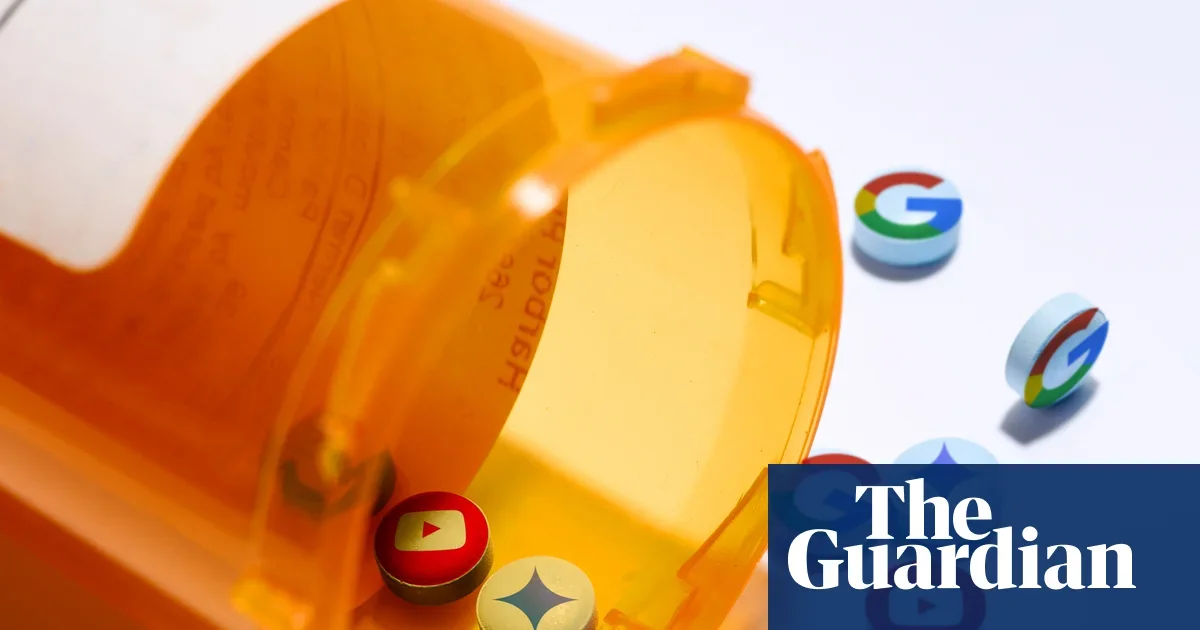
Google pauses AI health overviews after alarming medical misinfo

The Verge reports that Google has disabled its AI Overviews for medical questions after a Guardian investigation found misleading and dangerous medical guidance, including incorrect pancreatic cancer dietary advice and bogus liver-test information; Google says clinicians reviewed the content, many results were supported by quality sources, and improvements are ongoing.

health4 months ago

The Hidden Body Part That TikTokers Fear

The article discusses the widespread misconceptions about cortisol, fueled by social media trends like TikTok, which often misrepresent its role and significance. It emphasizes that true cortisol disorders are rare and that normal fluctuations are misunderstood as problems, leading to unnecessary anxiety and ineffective treatments. The piece highlights the importance of medical expertise in diagnosing and understanding cortisol-related health issues, contrasting them with popular wellness claims.

entertainment4 months ago

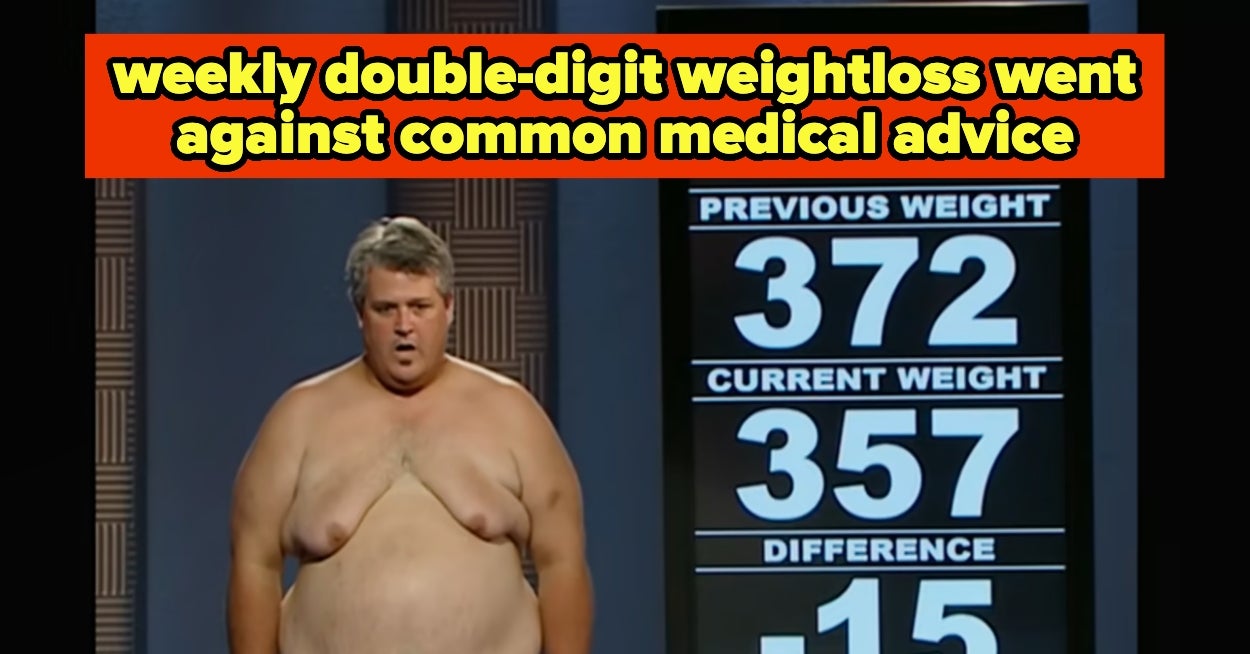
The Biggest Loser: Unveiling Truths and Controversies

The documentary 'Fit for TV' critically examines the toxic aspects of 'The Biggest Loser,' highlighting issues like the show's promotion of weight as a sole health measure, questionable medical practices, contestant exploitation, and the reinforcement of weight stigma, while also noting areas it didn't fully explore such as systemic factors influencing weight and the broader impact of the show on public perceptions of health.

health1 year ago

"Raw Milk Debate Heats Up Amid Bird Flu Concerns"

A Texas cattle worker contracted bird flu from an infected cow, raising concerns about the virus jumping species. Despite health warnings, sales of unpasteurized milk have surged as some people believe it can build immunity against the virus. Experts warn that drinking raw milk is risky and could lead to further virus mutations. Health authorities are monitoring the situation and advising protective measures.

health-social-media1 year ago

"TikTok Influencers Revive Debunked Health Claims"

Discredited health claims, such as those made by Barbara O'Neill, have found a new audience on TikTok, where her lectures promoting dangerous health advice are being used as soundtracks for product promotions. E-commerce platforms like TikTok Shop have become a source of health misinformation, with about 3 percent of content containing false or misleading health information. Despite TikTok's efforts to remove violating content, O'Neill's lectures continue to circulate, contributing to the spread of health misinformation. The rise of O'Neill's lectures on TikTok illustrates the challenges of moderating health misinformation on social media platforms.

health2 years ago

Combating Health Misinformation: Understanding its Impact, Spread, and Solutions

Health misinformation, particularly regarding vaccines, is rampant on social media platforms, leading to a decline in vaccine confidence and the spread of false claims. This misinformation has resulted in significant costs, including preventable deaths and economic losses. The rise of health misinformation can be attributed to declining trust in science and government, as well as the way social media algorithms curate content and limit exposure to diverse perspectives. To combat health misinformation, consumers are advised to check the credibility of sources, examine author credentials, pay attention to the date of information, cross-reference scientific consensus, question sensational claims, prioritize scientific evidence over anecdotes, consult healthcare professionals, and refrain from sharing unverified claims.

health2 years ago

The Controversy Surrounding Vitamin K Administration to Newborns.

Claims that vitamin K does not exist or is not a real vitamin have been circulating online, despite its well-established role in blood clotting and the fact that it is routinely given to newborns to prevent Vitamin K Deficiency Bleeding. Vitamin K is a fat-soluble vitamin found in leafy greens and animal products, and its existence is not in question. The claims appear to stem from a misunderstanding of the chemical symbol for potassium, which is also "K."