Casey DeSantis’s political future remains uncertain as she steps up public appearances around health initiatives, but insiders generally expect she won’t run for governor. Speculation persists, tied to her husband’s trajectory and Trump’s backing for Byron Donalds, with a June 12 entry deadline looming and the DeSantis duo remaining tight-lipped about plans.
Trump’s Truth Social post depicting Barack Obama as an ape drew swift backlash and became a flashpoint in Florida’s 2026 gubernatorial race, with Byron Donalds’ campaign blaming a staffer for the post, rival James Fishback defending the clip and courting racially charged rhetoric, and Democrat David Jolly condemning it as vile; other candidates offered little comment, highlighting ongoing race-related tensions shaping the contest.
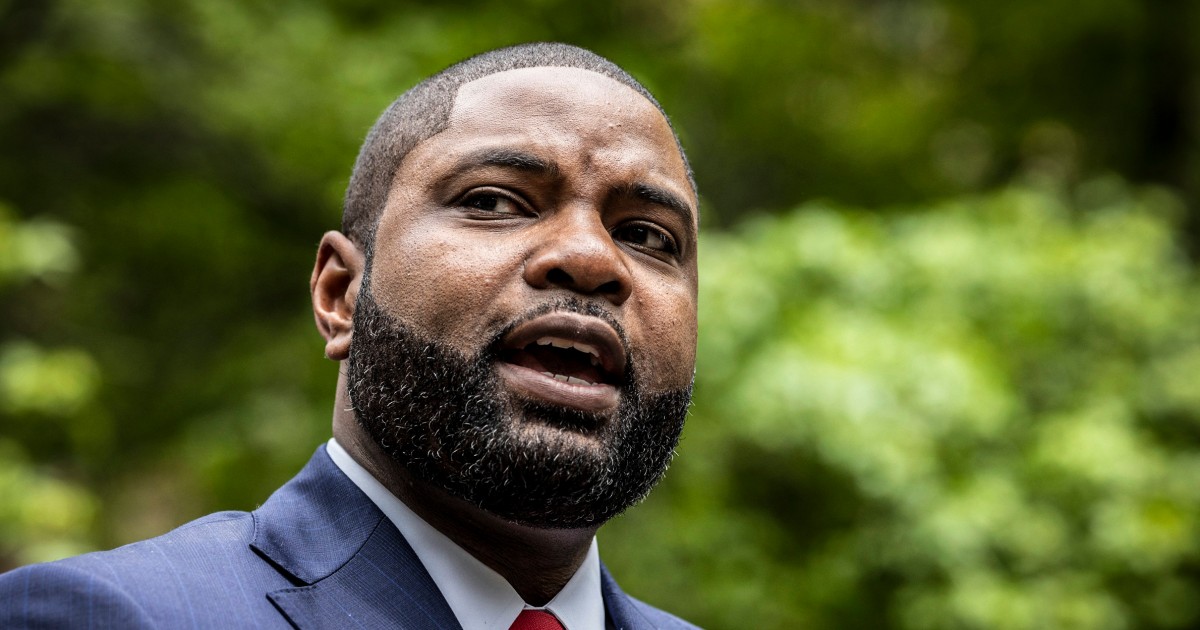
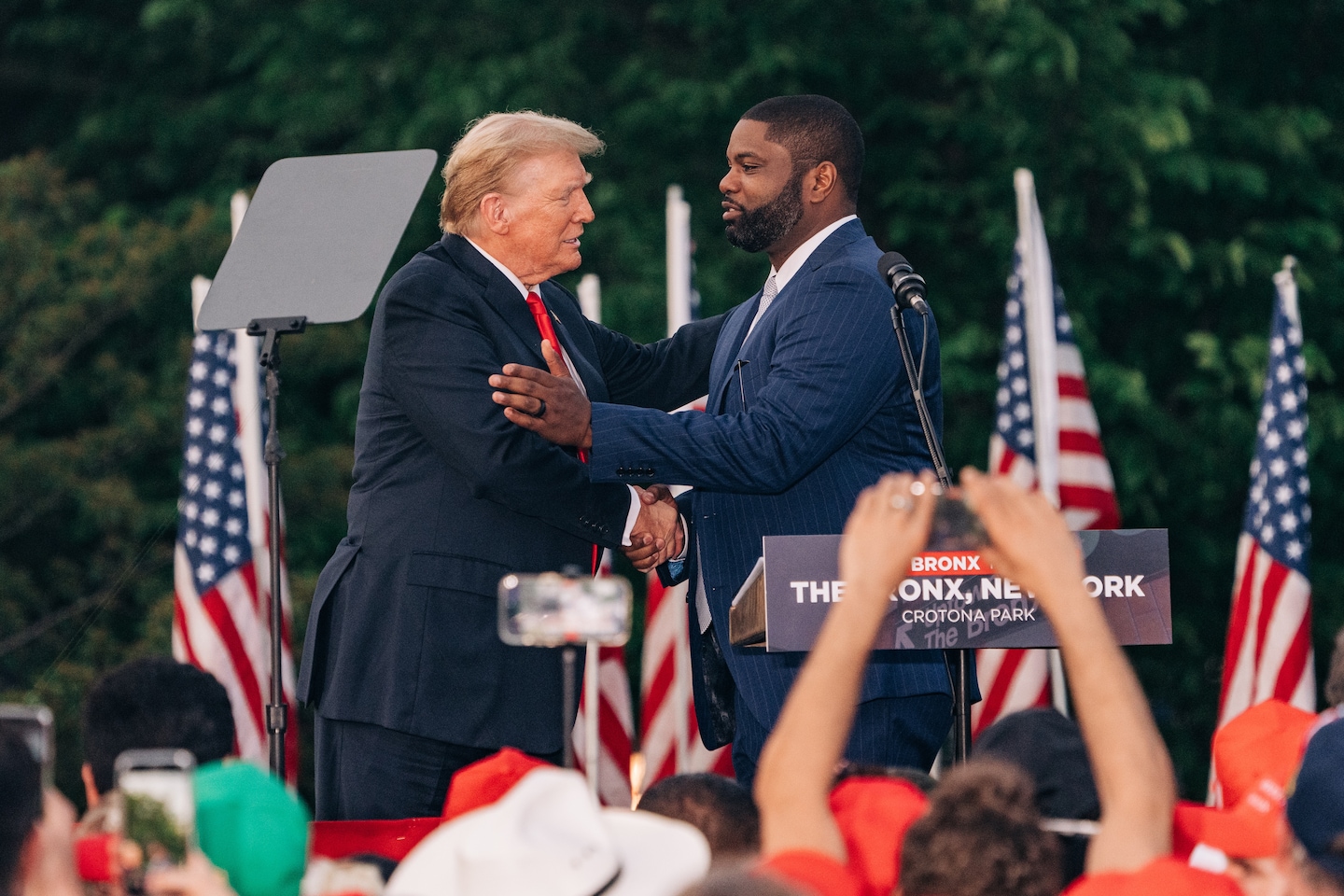
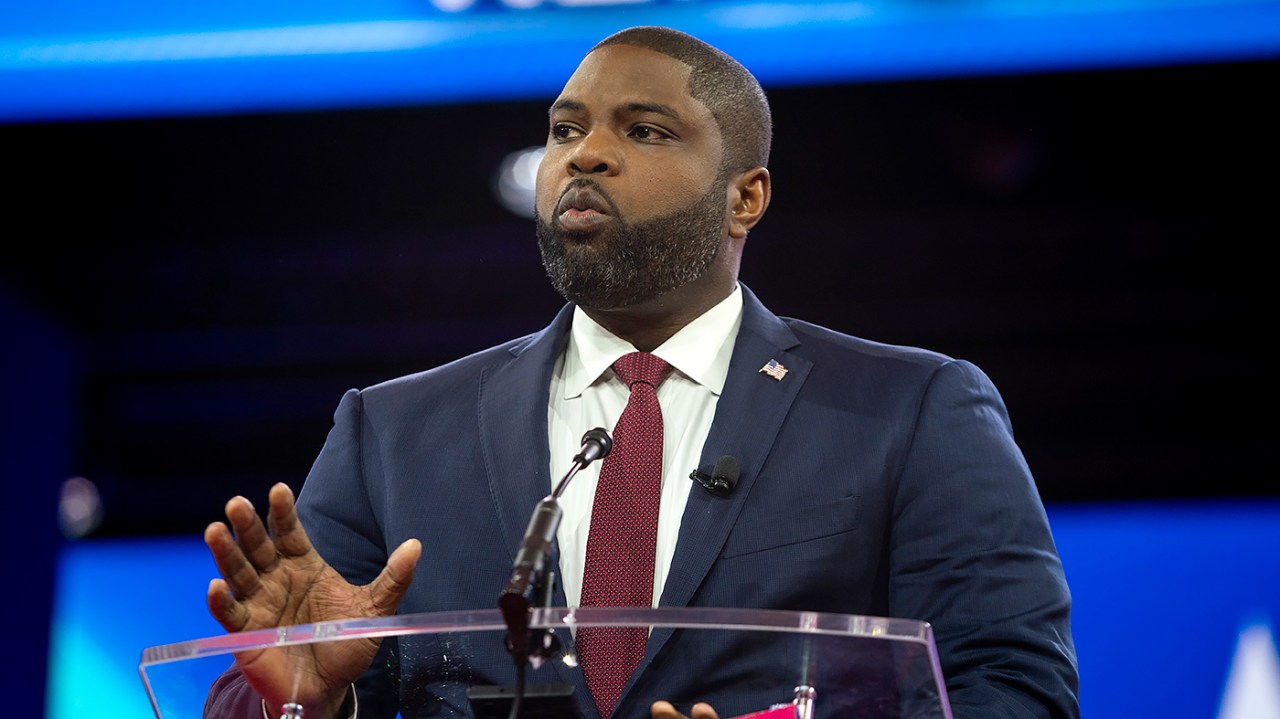
Rep. Byron Donalds, backed by President Trump, leads Florida’s GOP gubernatorial primary with seven months to go, turning the contest into a race for second as DeSantis’ endorsement remains uncertain. High-profile rivals like Jay Collins and Paul Renner have entered the field but polls still show them in single digits, while hypothetical matchups with Florida’s first lady suggest Donalds would win decisively. Donalds’ fundraising (~$45 million), name ID, and a strong campaign team bolster his front-runner position, though opponents argue the race could tighten and scrutinize Donalds’ finances, his wife’s charter-school business, and past associations. DeSantis allies are divided on endorsements, with some suggesting Renner as a credible alternative; the dynamic remains fluid as campaigns eye late developments and potential new entrants into the race.
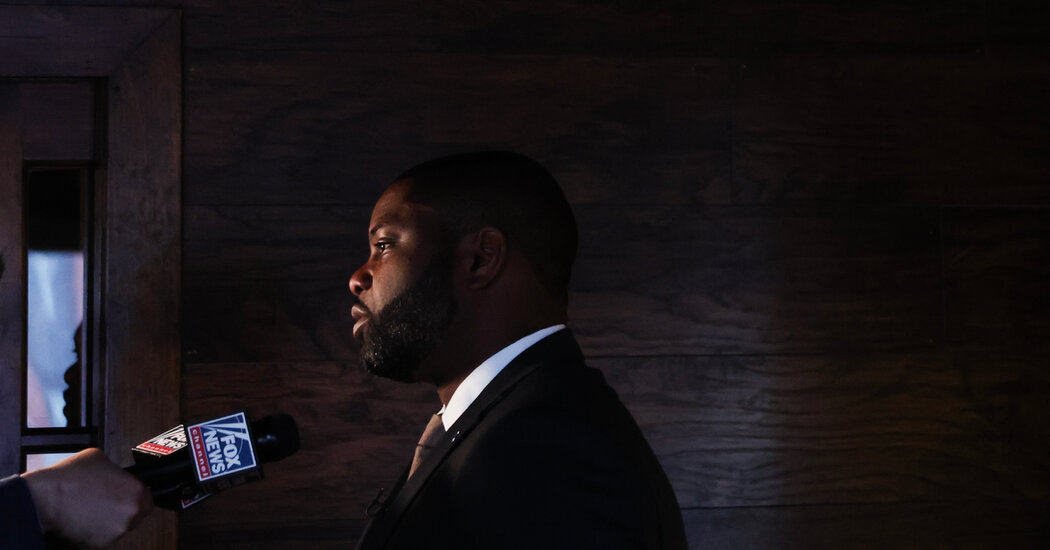
Rep. Byron Donalds (R-Fla.) stated that President-elect Donald Trump does not maintain an "enemies list," countering claims that Trump views his opponents as "the enemy within." Donalds emphasized that Trump's focus is on issues like border security, deportation of noncitizens, and economic improvement, rather than targeting political foes. Despite Trump's previous vows to retaliate against critics, Donalds assured that Trump's priorities remain centered on the American people.
Republican Rep. Byron Donalds, a potential VP pick for Trump, faced backlash from top Democrats over his comments suggesting Black families were more intact during the Jim Crow era. House Minority Leader Hakeem Jeffries and DNC Chair Jaime Harrison criticized Donalds, who clarified that he was referring to the impact of 1960s welfare policies on Black families. The controversy highlights the GOP's efforts to gain Black voter support ahead of the 2024 election.
Rep. Byron Donalds (R-Fla.) claims the media misrepresented his comments about the Jim Crow era, which suggested Black families were better off then because they were "together." His remarks drew criticism from the Black community and Congressional Black Caucus, who called for an apology. Donalds defended his statements, arguing they were taken out of context and accusing critics of political gaslighting.
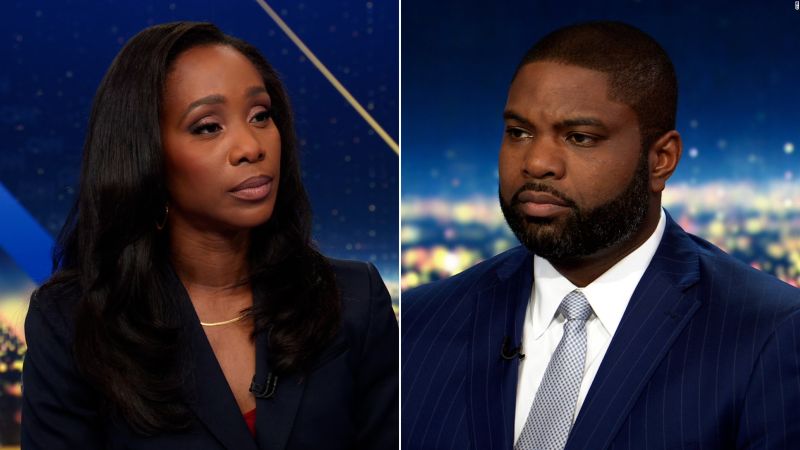
Congressman Byron Donalds was corrected live on-air by CNN journalist Abby Phillip after claiming that economic policies were better under Donald Trump than Joe Biden. Phillip pointed out that Black unemployment and poverty rates were at their lowest under Biden. Donalds argued that inflation-adjusted wages were better under Trump. The interview followed controversial comments Donalds made about the Jim Crow era and comes amid efforts by both Trump and Biden to engage Black voters ahead of the presidential election.
Rep. Byron Donalds (R-FL), a potential running mate for Donald Trump, faced criticism for his remarks at a Philadelphia event where he claimed that 'the Black family was together' during the Jim Crow era. He joined CNN’s Abby Phillip to discuss and clarify his comments.
Florida Rep. Byron Donalds defends his comments suggesting Black families were more intact during the Jim Crow era, amid criticism from Democrats who accuse him of romanticizing a period of racial segregation. Donalds clarifies that he was highlighting higher Black marriage rates before the welfare policies of the 1950s and 1960s, not claiming Black people were better off under Jim Crow. The controversy arises as Donalds is considered a potential running mate for Donald Trump, who is making efforts to gain support from non-White voters.
The Congressional Black Caucus is demanding an apology from Rep. Byron Donalds for his comments suggesting Black Americans were better off under Jim Crow laws, calling his remarks a misrepresentation of history for political gain. House Minority Leader Hakeem Jeffries also criticized Donalds, while Black conservatives defended him, arguing that the Democratic Party has failed Black Americans.
Rep. Byron Donalds, a Trump surrogate, sparked backlash by suggesting Black families were more unified during the Jim Crow era at a Black voter outreach event. His comments were criticized by top Black Democratic officials, including House Minority Leader Hakeem Jeffries, who condemned the remarks as factually inaccurate and offensive. Donalds defended his statements, arguing that Democratic policies have harmed Black families. The controversy highlights ongoing tensions in political discourse about race and family dynamics in America.
Rep. Byron Donalds, campaigning for Donald Trump, claimed Black families were stronger during the Jim Crow era, sparking condemnation from Democrats including House Minority Leader Hakeem Jeffries. Donalds argued that Democratic policies since the civil rights movement have weakened Black family values. The controversy highlights Trump's efforts to attract Black voters, despite his history of antagonistic comments toward the Black community.
Representative Byron Donalds, a Florida Republican and potential running mate for Donald Trump, suggested that the Jim Crow era had some virtues for Black people while trying to persuade Black voters to support Trump. His comments, made at an event in Philadelphia, drew criticism from President Biden's campaign.
Rep. Byron Donalds (R-FL) was pressed by CNN's Abby Phillip regarding his claims about the FBI's search of former President Donald Trump's Mar-a-Lago estate in August 2022.
Rep. Byron Donalds defended former President Trump's remarks on Black voters, stating that Trump's criminal indictments are similar to the political persecution Black people face in the justice system. He dismissed allegations of racism and accused the Biden campaign of playing politics. Trump faces four criminal indictments and 91 charges, including mishandling classified information, attempting to cover up a hush money payment, and illegally attempting to overturn his 2020 election loss. Donalds, a major Trump surrogate, is considered a potential vice presidential candidate.