The Congressional Black Caucus PAC is using a texting scandal involving Young Republicans to attack Rep. Mike Lawler, linking him to racist messages and past controversial actions, as part of their campaign ahead of the midterms.
Members of the Congressional Black Caucus condemned a bipartisan resolution honoring Charlie Kirk, arguing it legitimizes harmful and un-American beliefs, and criticized the use of tragedy to divide the country. The resolution, supported by most Democrats, was seen as an attempt to legitimize Kirk's worldview, which the caucus strongly opposes. The vote highlighted deep partisan divides, with most CBC members voting against it, and also included criticism of recent political rhetoric and actions following Kirk's death.
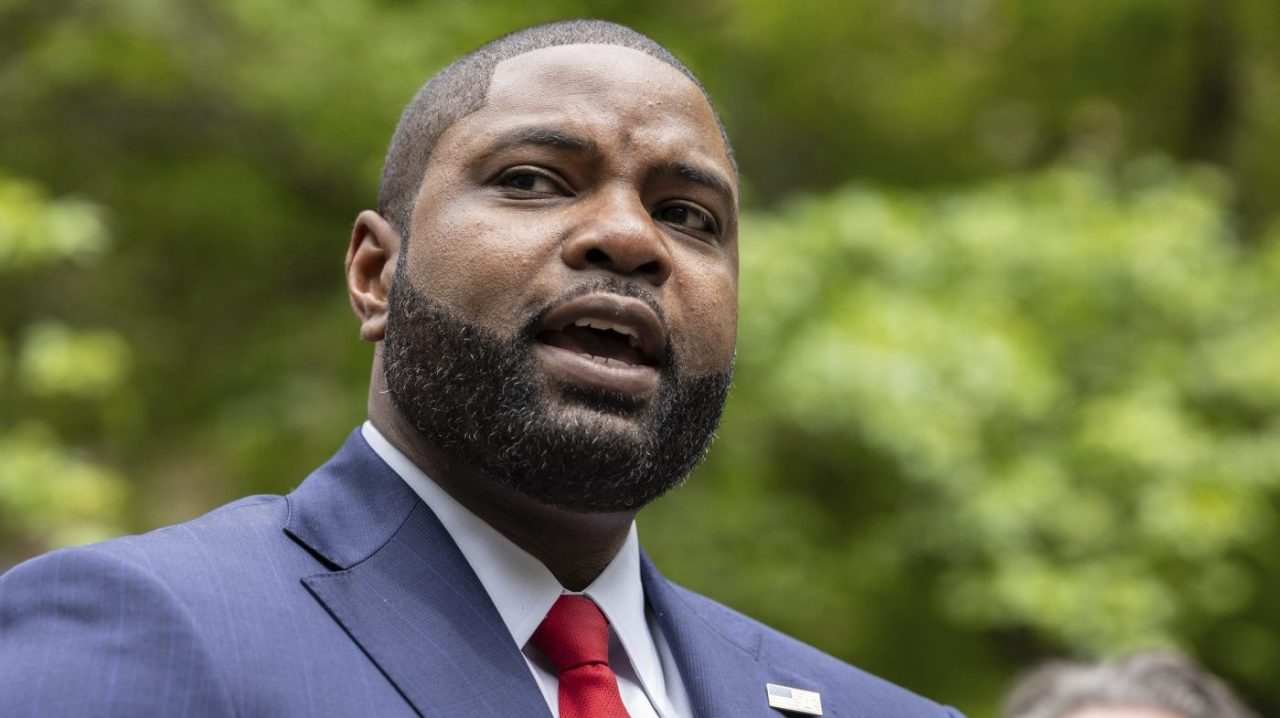
Rep. Byron Donalds (R-Fla.) claims the media misrepresented his comments about the Jim Crow era, which suggested Black families were better off then because they were "together." His remarks drew criticism from the Black community and Congressional Black Caucus, who called for an apology. Donalds defended his statements, arguing they were taken out of context and accusing critics of political gaslighting.
The Congressional Black Caucus is demanding an apology from Rep. Byron Donalds for his comments suggesting Black Americans were better off under Jim Crow laws, calling his remarks a misrepresentation of history for political gain. House Minority Leader Hakeem Jeffries also criticized Donalds, while Black conservatives defended him, arguing that the Democratic Party has failed Black Americans.
Rep. Byron Donalds, a Trump surrogate, sparked backlash by suggesting Black families were more unified during the Jim Crow era at a Black voter outreach event. His comments were criticized by top Black Democratic officials, including House Minority Leader Hakeem Jeffries, who condemned the remarks as factually inaccurate and offensive. Donalds defended his statements, arguing that Democratic policies have harmed Black families. The controversy highlights ongoing tensions in political discourse about race and family dynamics in America.
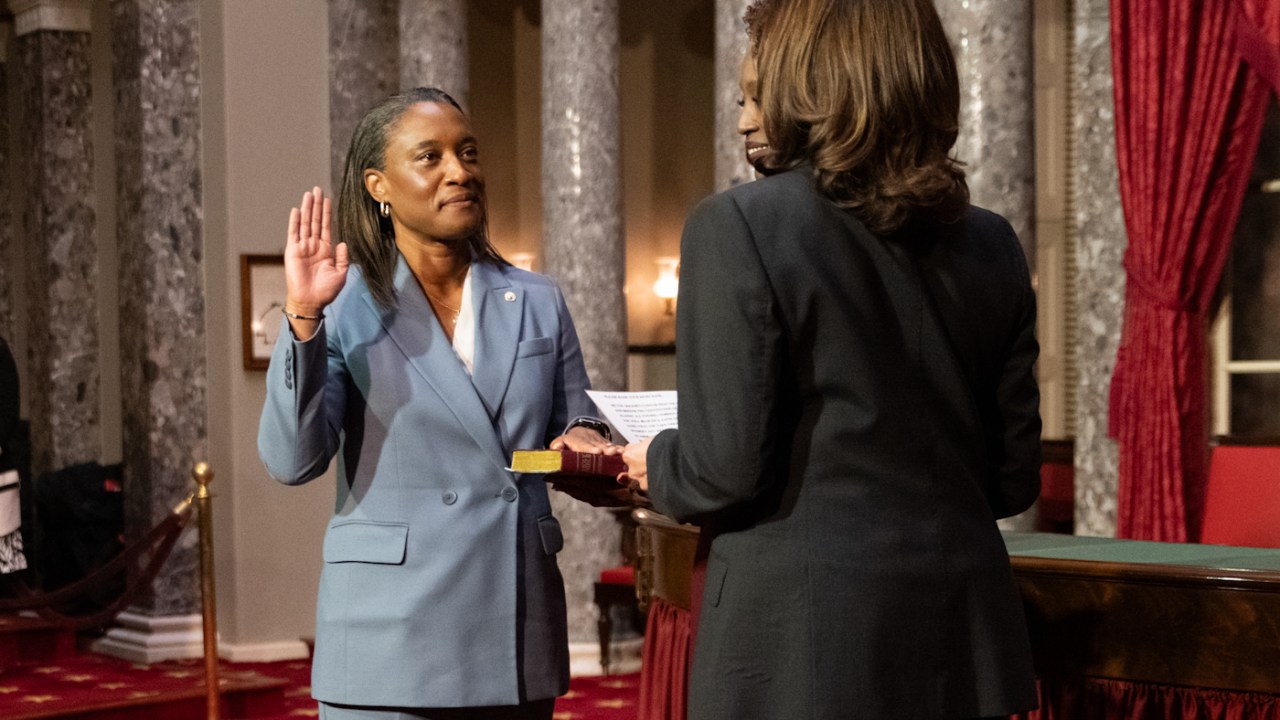
Black lawmakers are praising Laphonza Butler, the first openly gay Black female senator, but are also trying to maintain support for California Rep. Barbara Lee without pitting the two against each other. Butler's appointment has sparked a crowded field of candidates seeking to succeed the late Sen. Dianne Feinstein, including Lee, Adam Schiff, and Katie Porter. While the Congressional Black Caucus (CBC) has sent a letter endorsing Lee, they also welcomed Butler as their 59th member. The CBC emphasizes that Butler's appointment is a historic moment and highlights the importance of having Black women in positions of power.
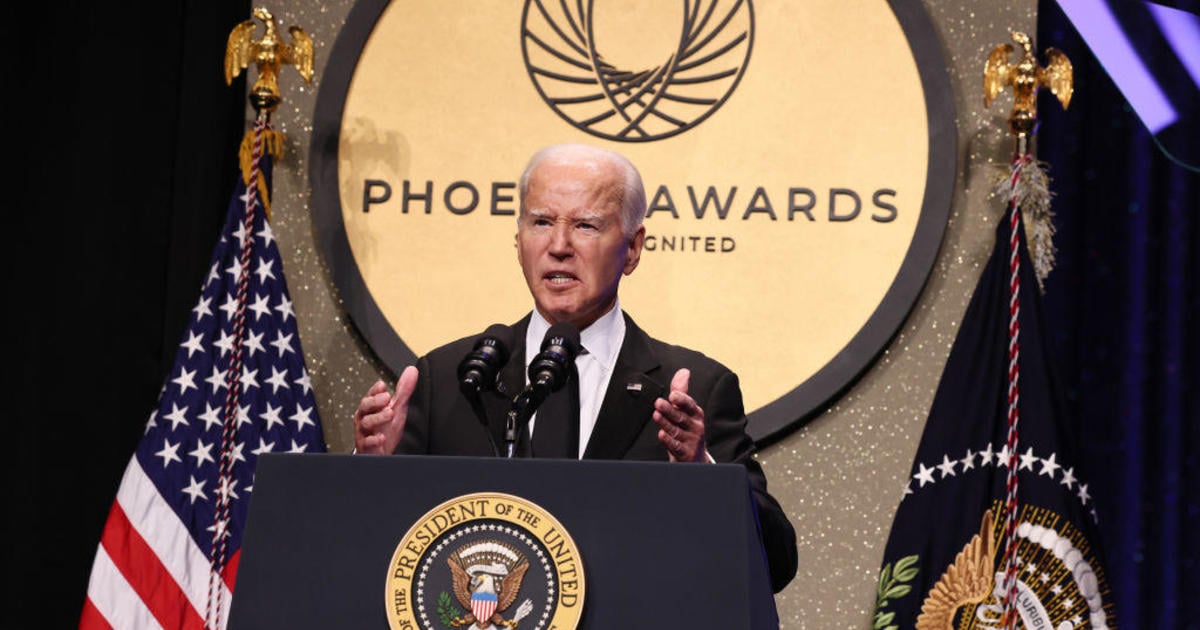
President Biden warned against a potential government shutdown, emphasizing the negative consequences it would have on various aspects of American life. He blamed "extreme Republicans" for failing to adhere to a previous debt ceiling agreement. Meanwhile, at the Congressional Black Caucus dinner, Biden and Vice President Kamala Harris made a case for their reelection in 2024, highlighting their commitment to issues impacting communities of color. The dinner marked the end of the CBC's annual legislative conference, which focused on securing democracy, protecting freedoms, and uplifting culture.
President Biden mistakenly praised the "Congressional Black Caucus" during a speech to the Congressional Hispanic Caucus, causing confusion and raising eyebrows. This gaffe comes after previous verbal missteps, including implying that African American and Hispanic workers lack high school diplomas. Despite boasting about his administration's achievements for the Hispanic community, a June poll shows that nearly two-thirds of Hispanic voters disapprove of Biden's job performance as president.
Allies of the Congressional Black Caucus have launched a super PAC called Rolling Sea Action Fund, which aims to mobilize Black voters and flip the House majority for Democrats, potentially electing the first Black speaker of the House. The organization plans to spend over $10 million on advertising, in-person organizing, and engagement in key communities. They will target competitive districts with a significant Black voting age population. While primarily focused on the House, the group may also support Black candidates running for higher office.
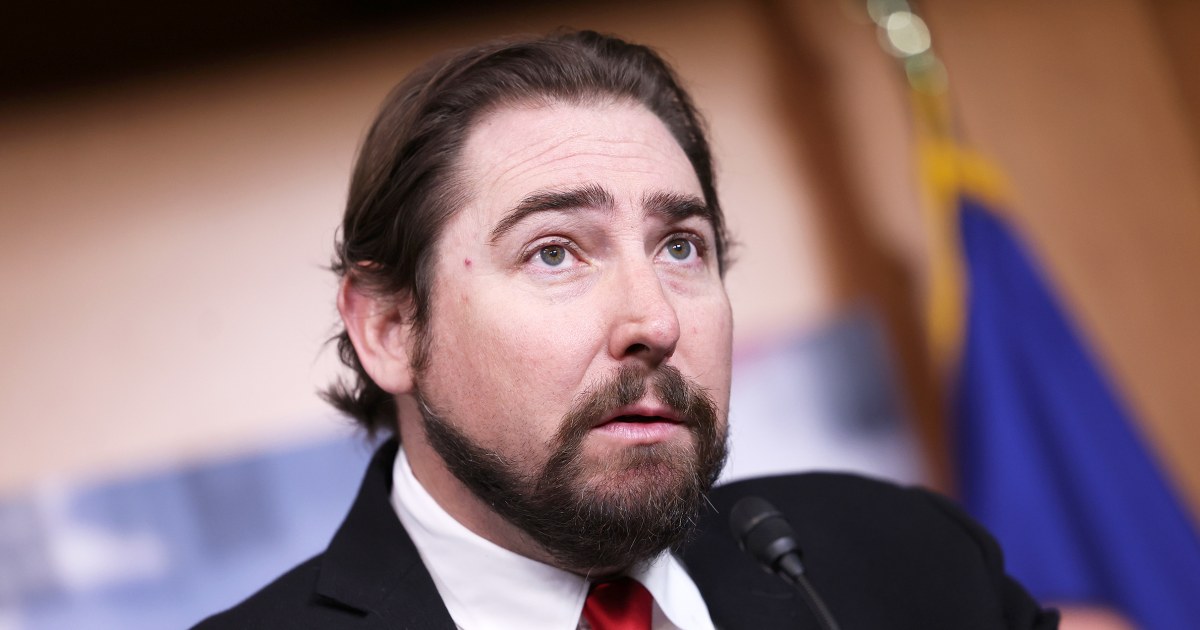
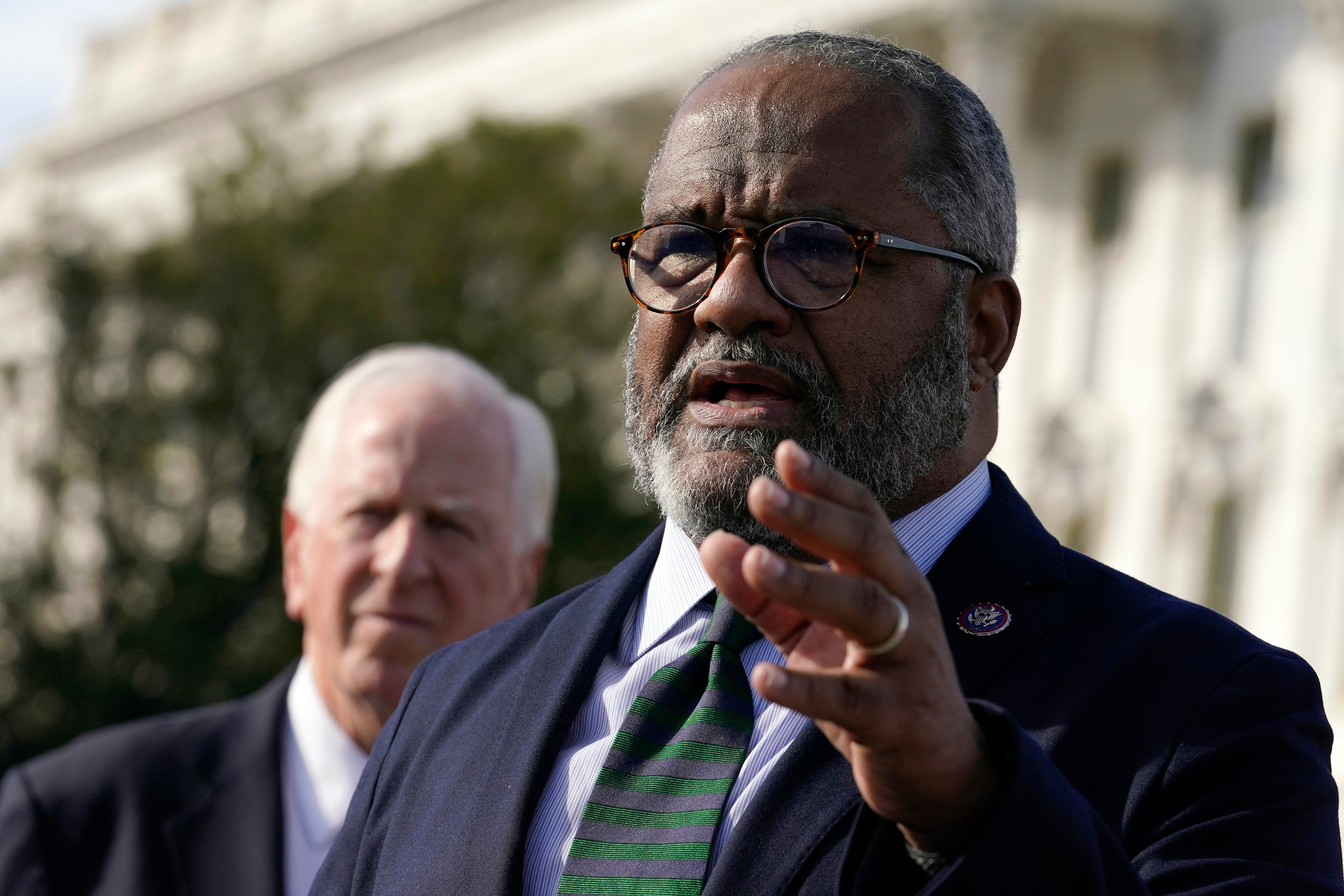
Arizona Republican Representative Eli Crane referred to Black Americans as "colored people" during a floor debate on his proposed amendment to a defense policy bill. Crane's amendment aimed to prohibit the Defense Department from considering race, gender, religion, or other ideological concepts in recruitment and promotion decisions. After Crane's remarks, Representative Joyce Beatty, former chair of the Congressional Black Caucus, requested that the derogatory phrase be stricken from the record, which was done by unanimous consent. Crane later stated that he "misspoke" and that everyone is created equal. The House adopted Crane's amendment, and in a separate incident, Senator Tommy Tuberville refused to acknowledge that white nationalism is fundamentally racist.
House Democrats are expressing frustration with the Biden administration's handling of judicial nominations, with some members of the Congressional Black Caucus feeling left out of the process. Swing-district Democrats are urging the Senate to fill key vacancies more quickly, while progressives are angry that Julie Su's nomination as Labor secretary has yet to be considered. The Senate has spent much of its time this year on nominees, including an array of diverse judges with progressive bona fides as well as several with Republican backing.
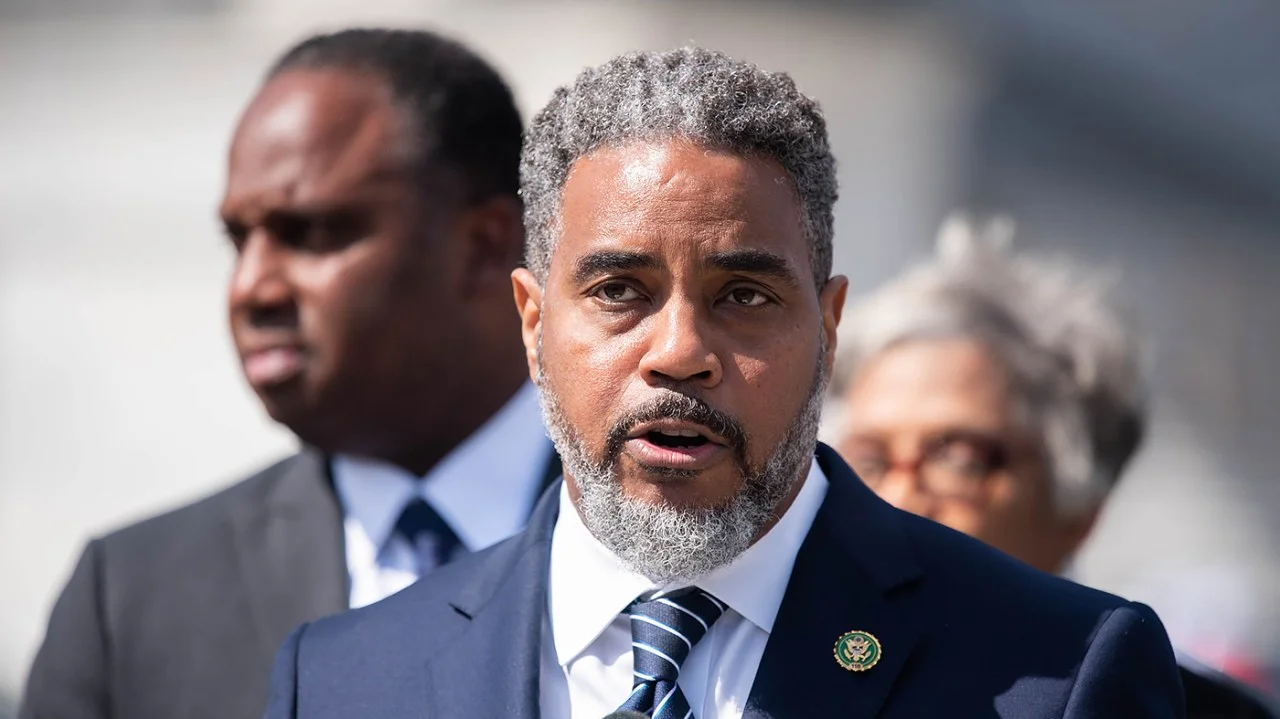
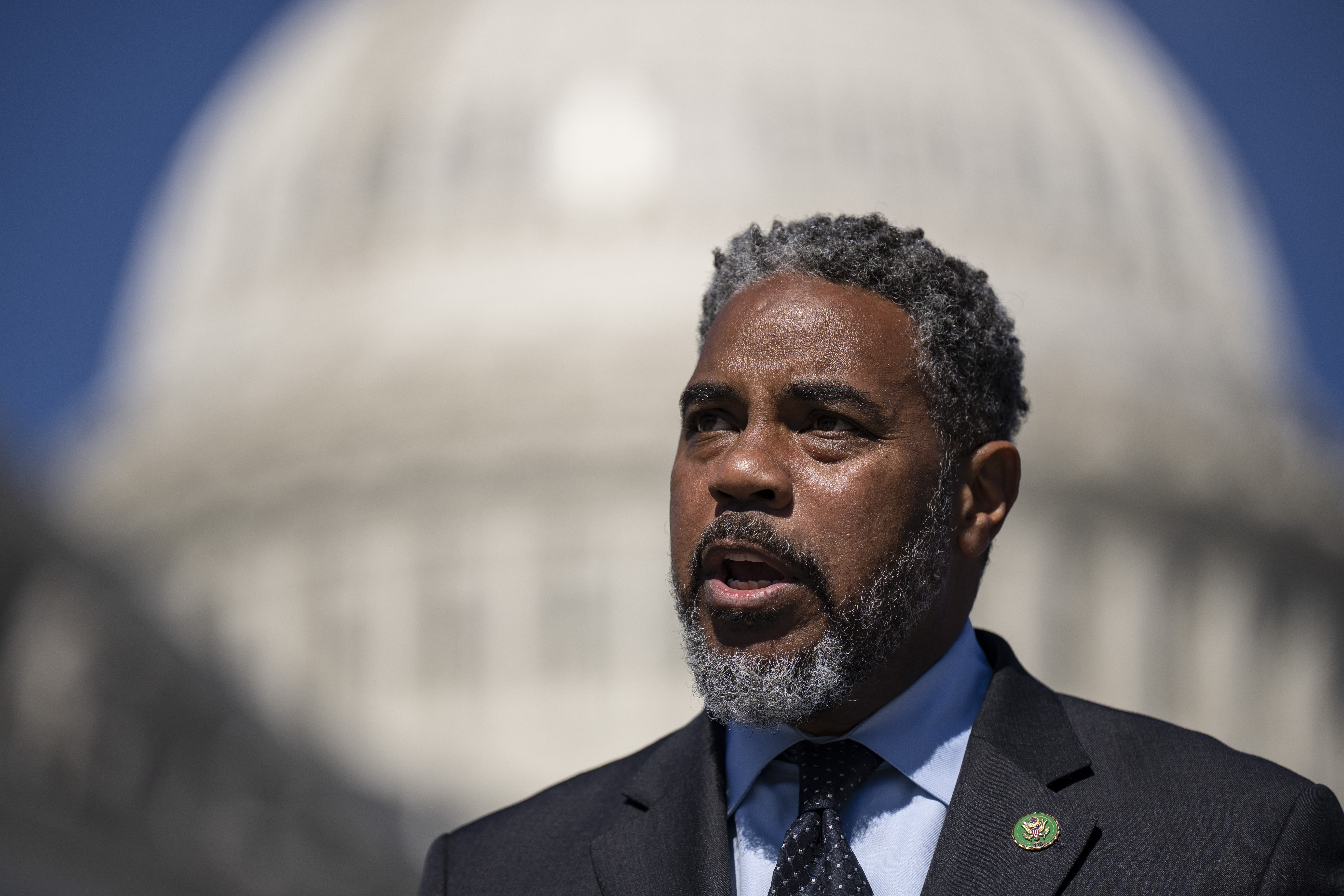
The head of the Congressional Black Caucus, Rep. Steven Horsford, has urged President Biden to use the power of the presidency and address the nation on the debt ceiling negotiations. Democrats have accused the White House of remaining too quiet while Republicans have made the media rounds to broadcast their perspectives. Horsford said there have been several offers from White House negotiators that have been rejected by the Republicans, including provisions that would lower the cost of prescription drugs for the government and consumers alike.
The Congressional Black Caucus is urging Senate Democrats to eliminate the tradition of blue slips, which gives a single senator veto power over President Joe Biden’s judicial picks. Republicans have recently used this practice to block one district court nominee and stall another, slowing Biden’s efforts to stock the federal bench. The dispute has huge implications for the future of the federal judiciary, the Senate, and the White House. With the House run by Republicans until 2024 at least, Senate Democrats still can confirm judges for lifetime appointments without a single GOP vote, but Republicans can block some of those nominees from ever getting to the chamber floor by denying blue slips.