John Leguizamo reflected on feeling humiliated playing a Latino gunman in 'Regarding Henry' and criticized 1990s Hollywood for its racial stereotypes, comparing it to Jim Crow-era segregation, but later found success with more diverse roles.
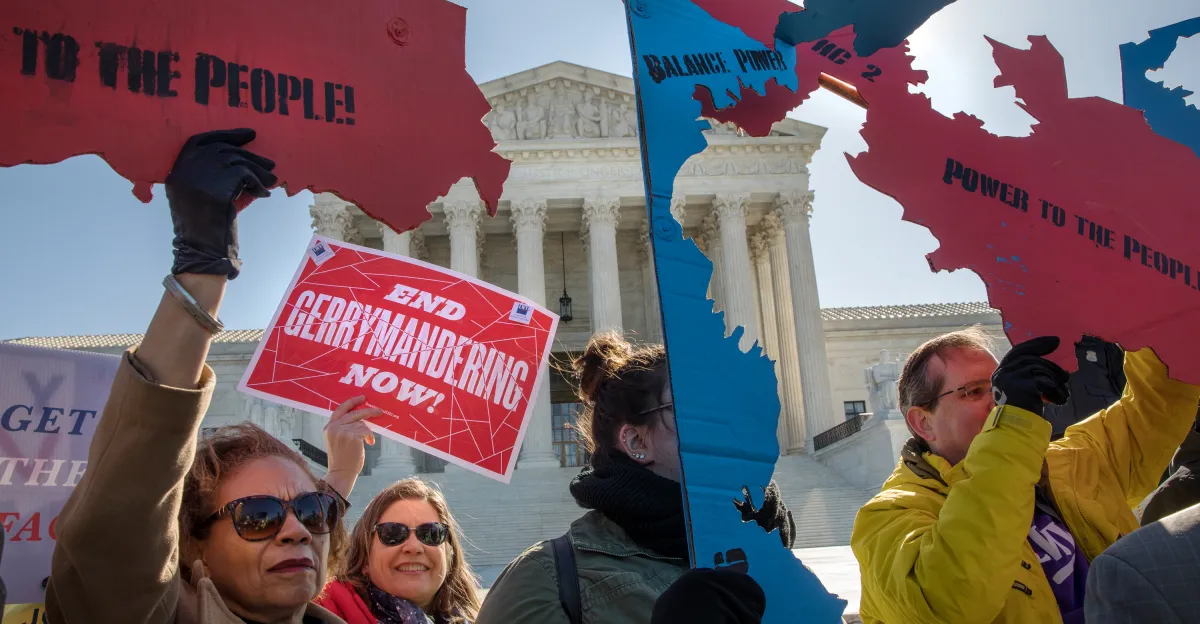
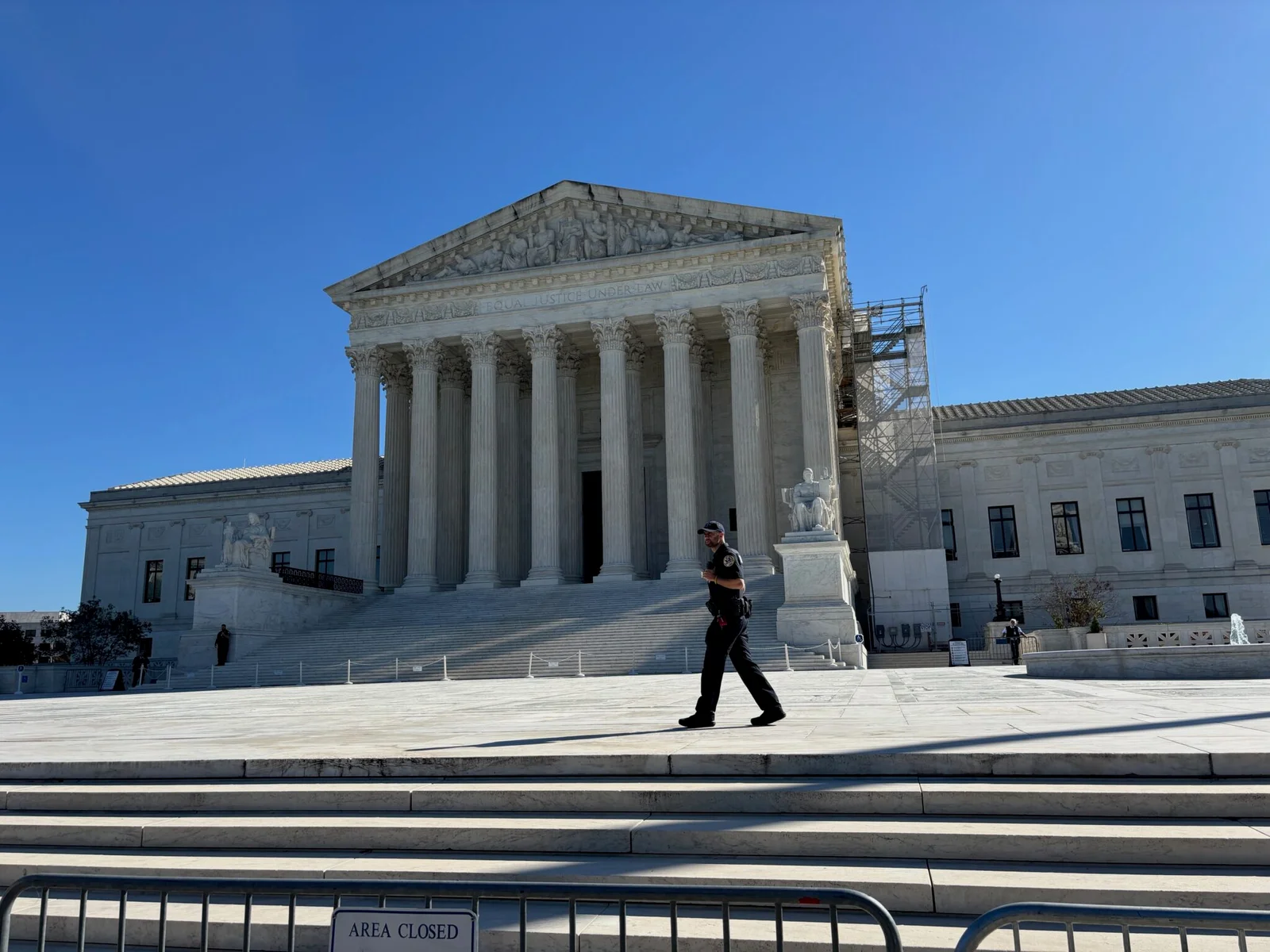
The Supreme Court recently struck down Alabama's racially gerrymandered maps in Allen v. Milligan, signaling a potential rollback of protections under the Voting Rights Act, with the Court's conservative majority generally hostile to challenges against gerrymandering, raising concerns about worsening partisan and racial gerrymandering in the future.
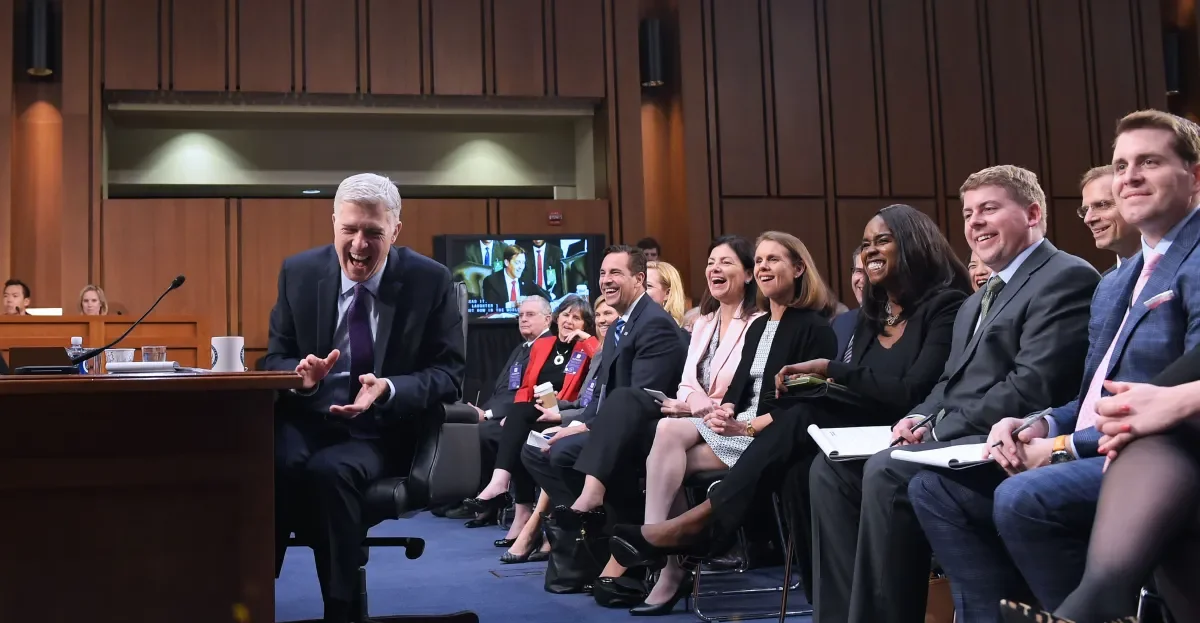
Three Supreme Court justices expressed approval of race discrimination in elections by voting to uphold a lower court decision that effectively nullified key civil rights protections, highlighting ongoing debates over voting rights and racial discrimination in the US.
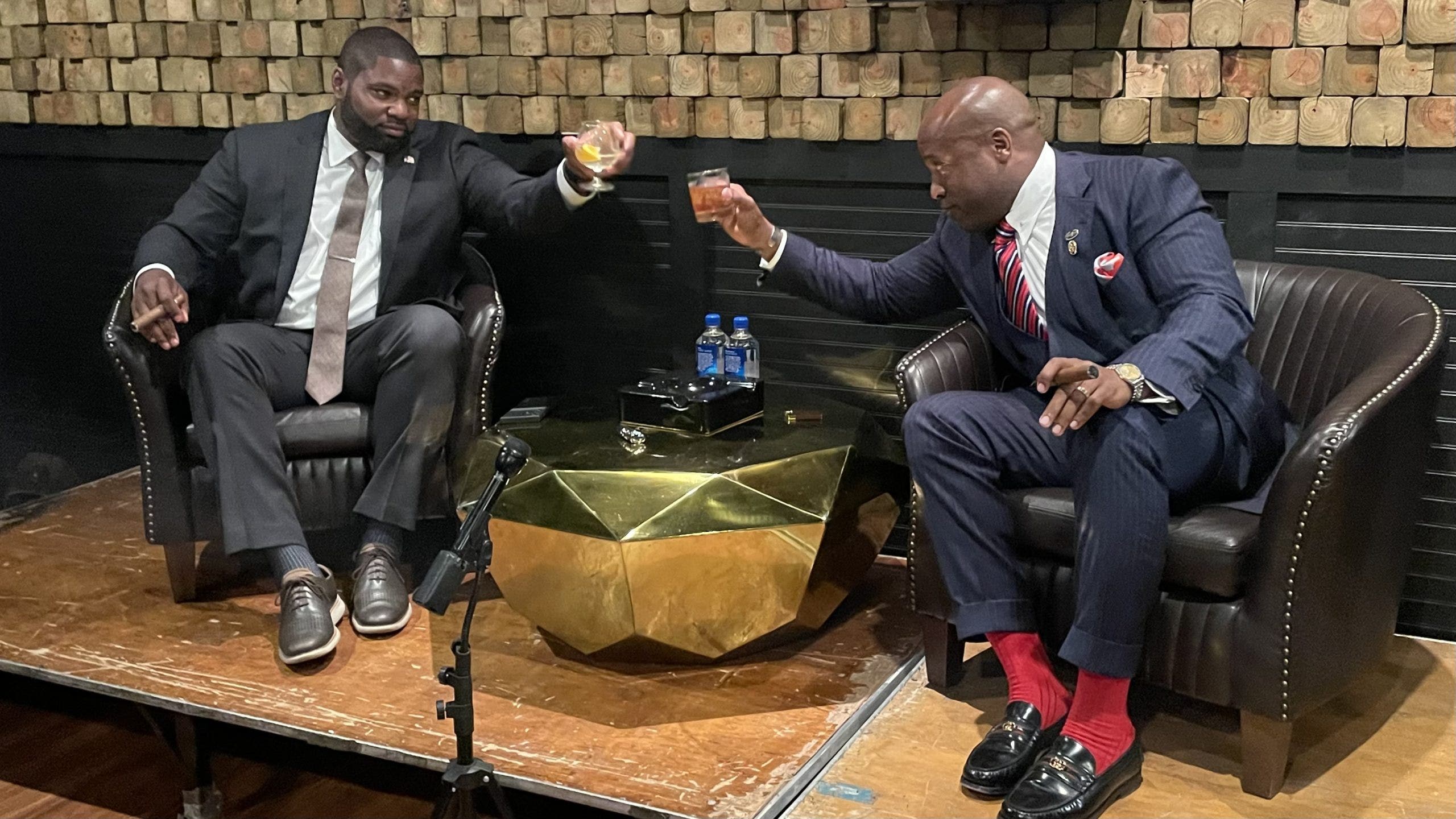
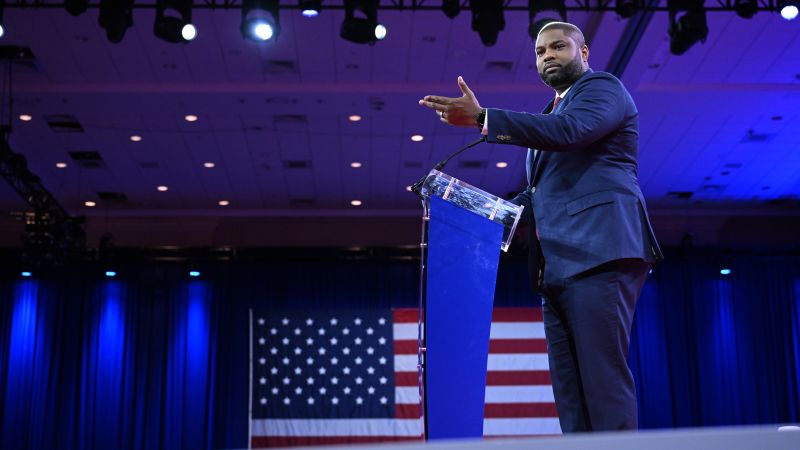
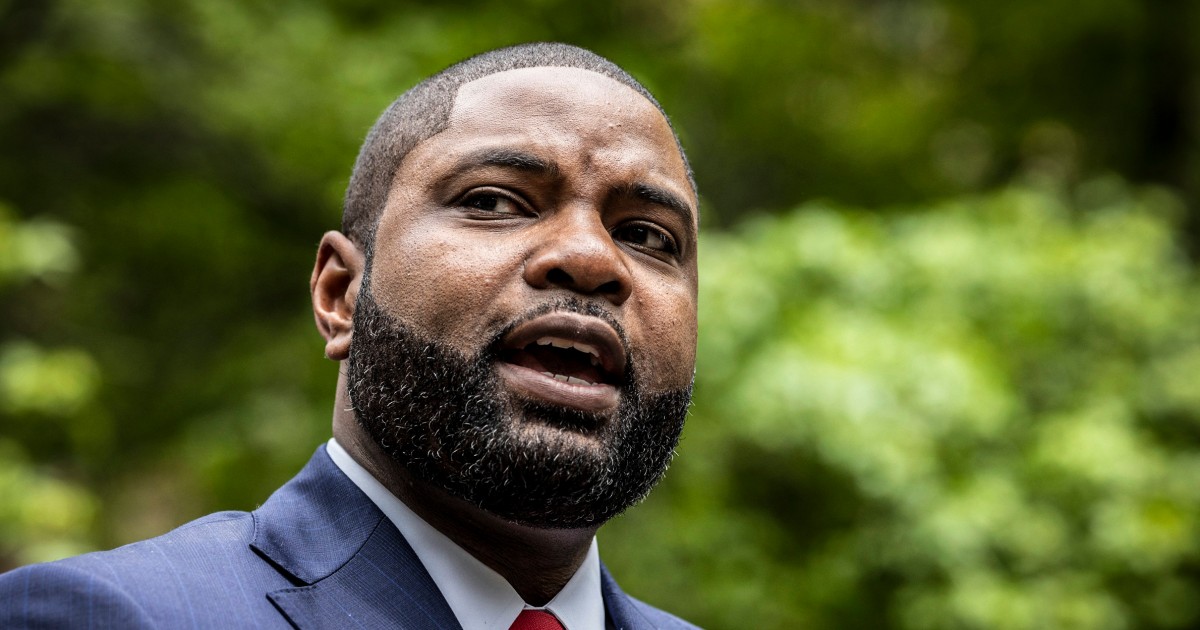
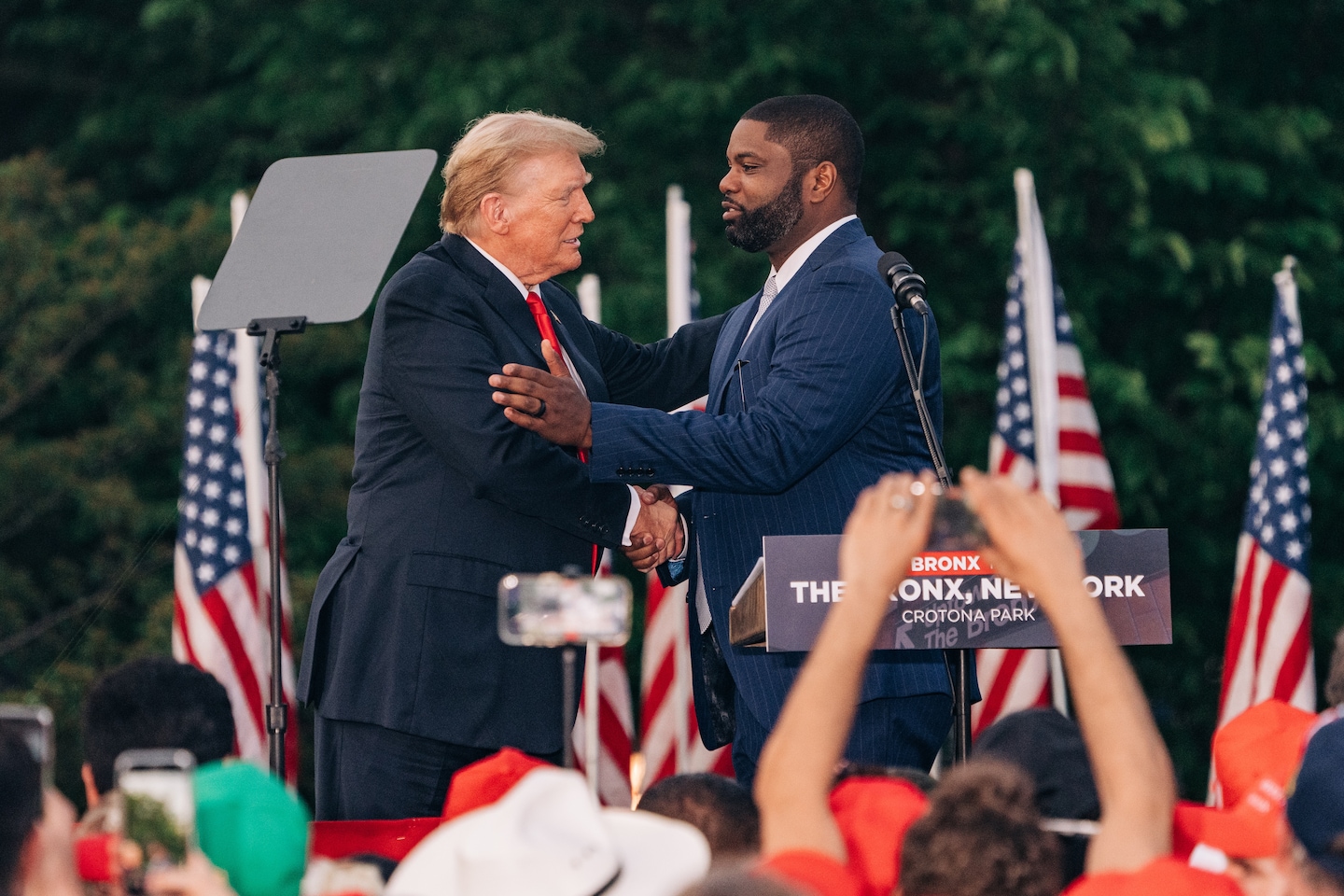
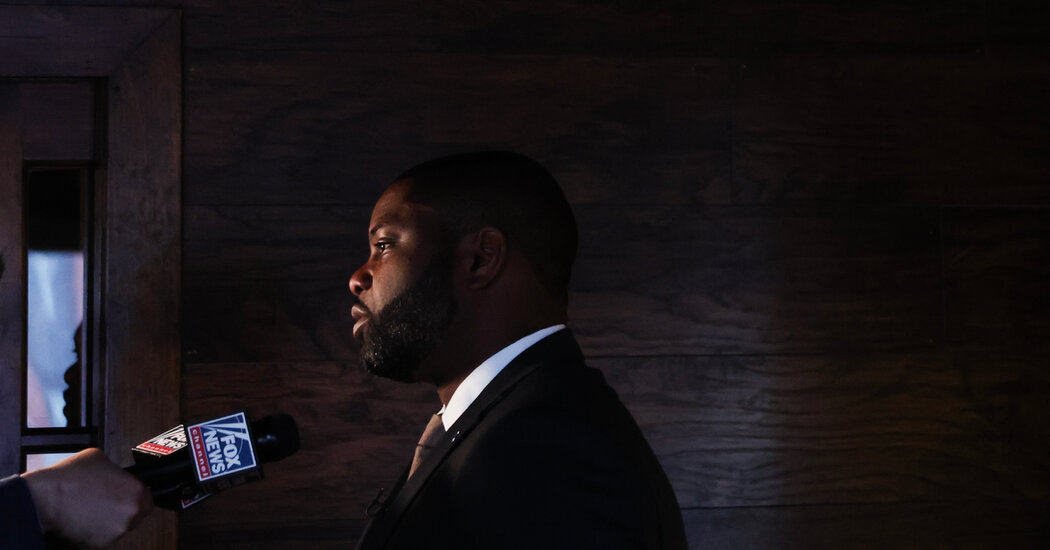
Republican Rep. Byron Donalds, a potential VP pick for Trump, faced backlash from top Democrats over his comments suggesting Black families were more intact during the Jim Crow era. House Minority Leader Hakeem Jeffries and DNC Chair Jaime Harrison criticized Donalds, who clarified that he was referring to the impact of 1960s welfare policies on Black families. The controversy highlights the GOP's efforts to gain Black voter support ahead of the 2024 election.
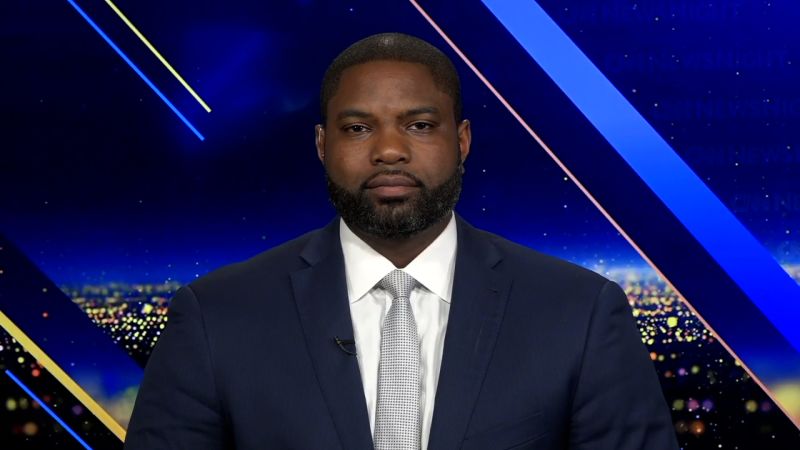
Rep. Byron Donalds (R-FL), a potential running mate for Donald Trump, faced criticism for his remarks at a Philadelphia event where he claimed that 'the Black family was together' during the Jim Crow era. He joined CNN’s Abby Phillip to discuss and clarify his comments.
Florida Rep. Byron Donalds defends his comments suggesting Black families were more intact during the Jim Crow era, amid criticism from Democrats who accuse him of romanticizing a period of racial segregation. Donalds clarifies that he was highlighting higher Black marriage rates before the welfare policies of the 1950s and 1960s, not claiming Black people were better off under Jim Crow. The controversy arises as Donalds is considered a potential running mate for Donald Trump, who is making efforts to gain support from non-White voters.
The Congressional Black Caucus is demanding an apology from Rep. Byron Donalds for his comments suggesting Black Americans were better off under Jim Crow laws, calling his remarks a misrepresentation of history for political gain. House Minority Leader Hakeem Jeffries also criticized Donalds, while Black conservatives defended him, arguing that the Democratic Party has failed Black Americans.
Rep. Byron Donalds, a Trump surrogate, sparked backlash by suggesting Black families were more unified during the Jim Crow era at a Black voter outreach event. His comments were criticized by top Black Democratic officials, including House Minority Leader Hakeem Jeffries, who condemned the remarks as factually inaccurate and offensive. Donalds defended his statements, arguing that Democratic policies have harmed Black families. The controversy highlights ongoing tensions in political discourse about race and family dynamics in America.
Rep. Byron Donalds, campaigning for Donald Trump, claimed Black families were stronger during the Jim Crow era, sparking condemnation from Democrats including House Minority Leader Hakeem Jeffries. Donalds argued that Democratic policies since the civil rights movement have weakened Black family values. The controversy highlights Trump's efforts to attract Black voters, despite his history of antagonistic comments toward the Black community.
Representative Byron Donalds, a Florida Republican and potential running mate for Donald Trump, suggested that the Jim Crow era had some virtues for Black people while trying to persuade Black voters to support Trump. His comments, made at an event in Philadelphia, drew criticism from President Biden's campaign.
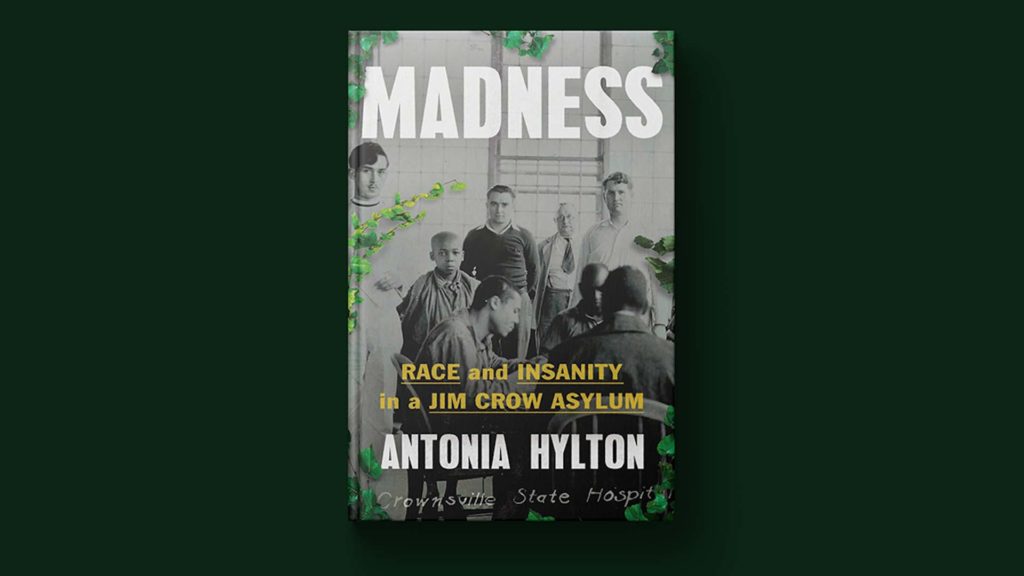
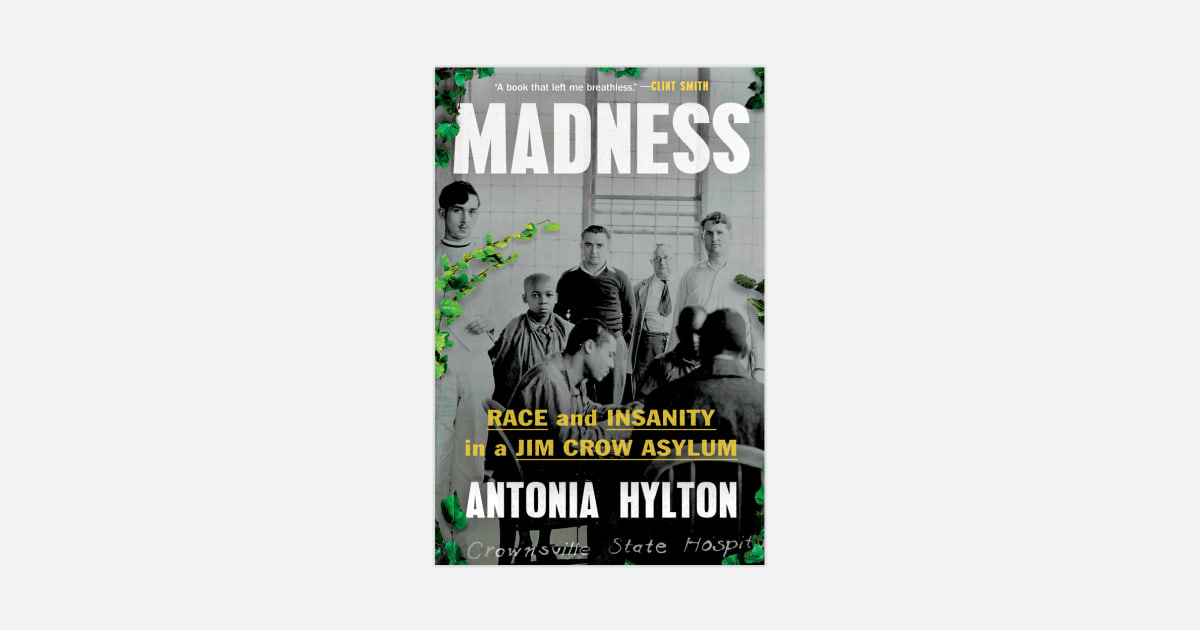
Antonia Hylton's new book "Madness: Race and Insanity in a Jim Crow Asylum" documents the racism and mistreatment of Black patients at Crownsville State Hospital, a segregated mental asylum in Maryland that operated for 93 years. The hospital's founding reflected the belief that Black people were different and needed to be treated differently, with patients forced to build the hospital from the ground up. The book also highlights the transformative efforts of Black women employees who worked to improve the lives of the patients.
Antonia Hylton, a correspondent for NBC News and MSNBC, has published a book titled "Madness: Race and Insanity in a Jim Crow Asylum," which explores the dark history of the Crownsville Hospital, formerly known as the Maryland Hospital for the Negro Insane. The book uncovers the oppressive and racist treatment of Black patients in the mental institution, shedding light on the intersection of mental health care and systemic racism. Hylton's research, spanning a decade, includes oral histories from former patients and employees, as well as archival records, revealing the harrowing experiences of those confined within the institution. She hopes the book will prompt judgment-free discussions about mental health and contribute to a better future for mental health care for Black Americans and all.
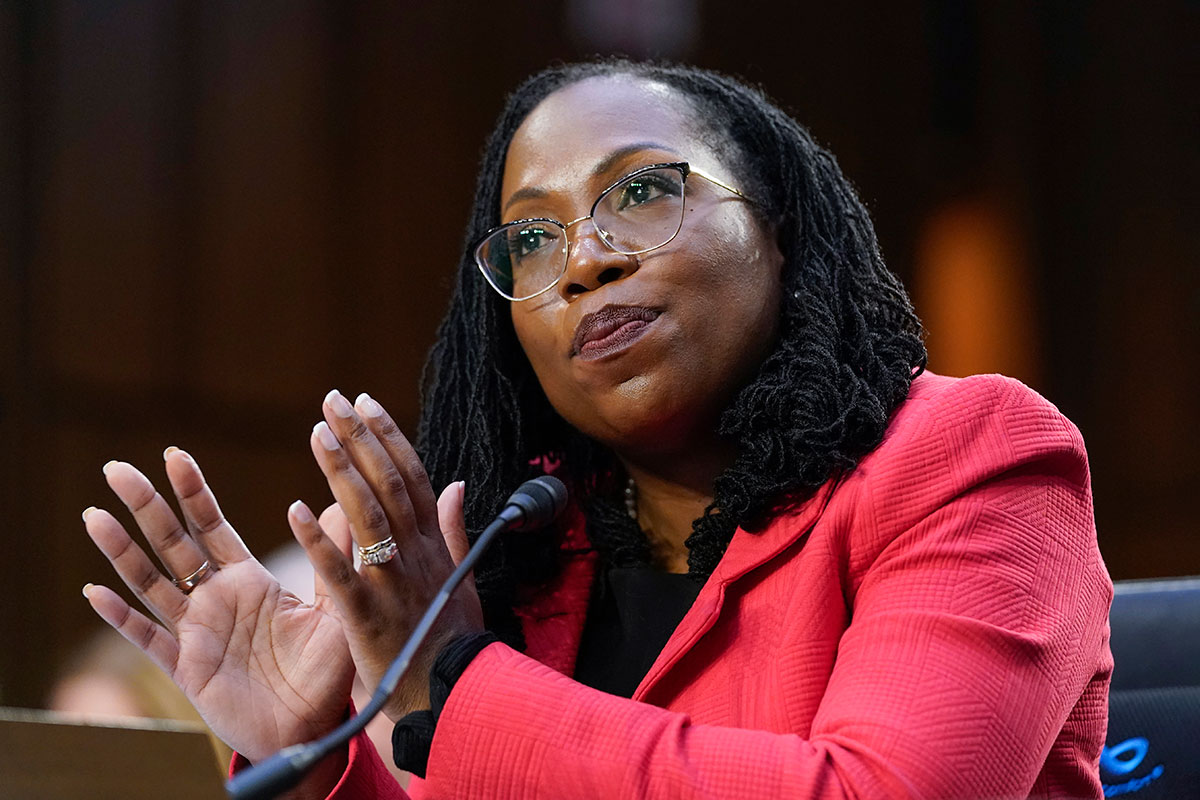
The U.S. Supreme Court has declined to hear an appeal challenging Mississippi's Jim Crow-era voting law that disproportionately disenfranchises Black residents. The law, adopted in 1890, designates certain crimes believed to be committed more by Black people as lifelong disenfranchising crimes. The court's refusal to take the case has been criticized, with dissenting Justice Ketanji Brown Jackson recounting the law's history and calling for legislative action to repeal it. Mississippi's 1890 Constitution aimed to eliminate Black voting power and was followed by other southern states with their own Jim Crow constitutions. The court's decision comes a day after ruling affirmative action for race-conscious college admissions as unconstitutional.