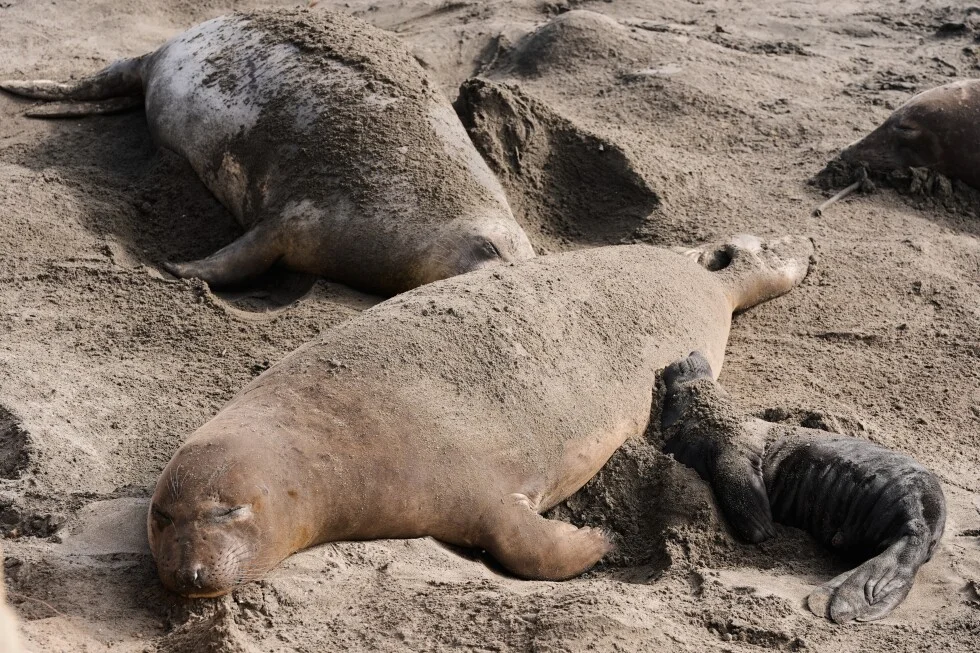
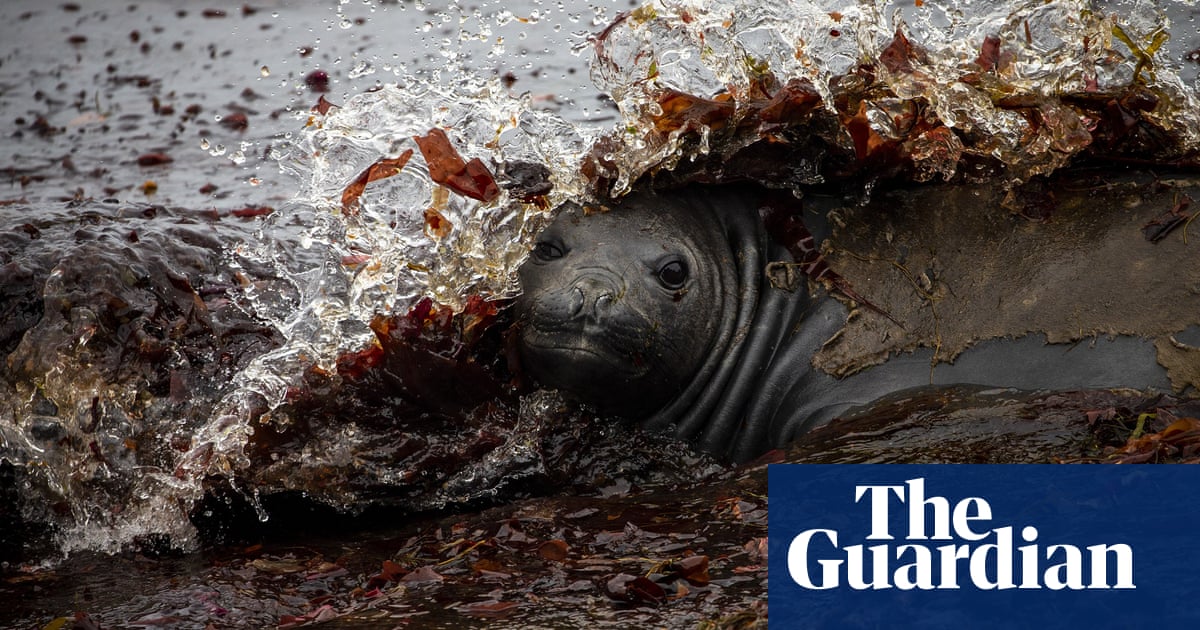
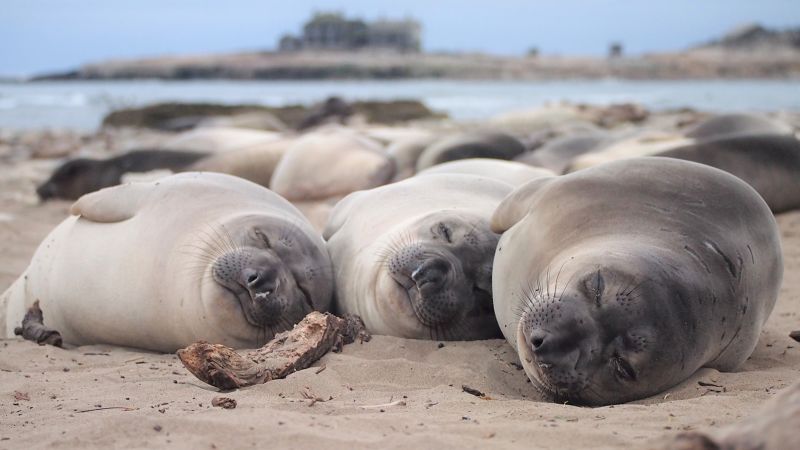
Researchers have confirmed a bird flu outbreak among elephant seals at California's Año Nuevo breeding grounds, prompting authorities to cancel popular seal-watching tours while wildlife officials monitor the situation.
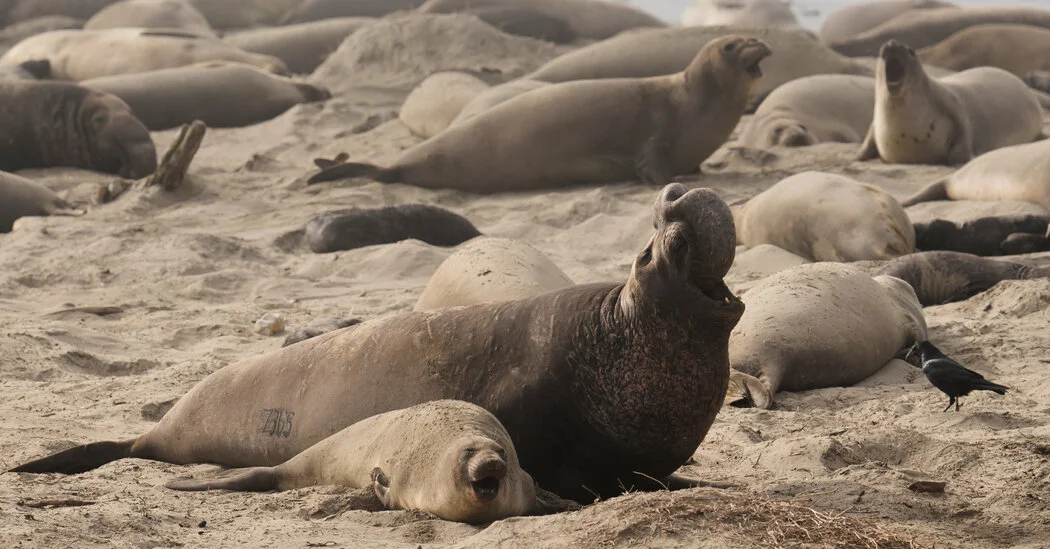
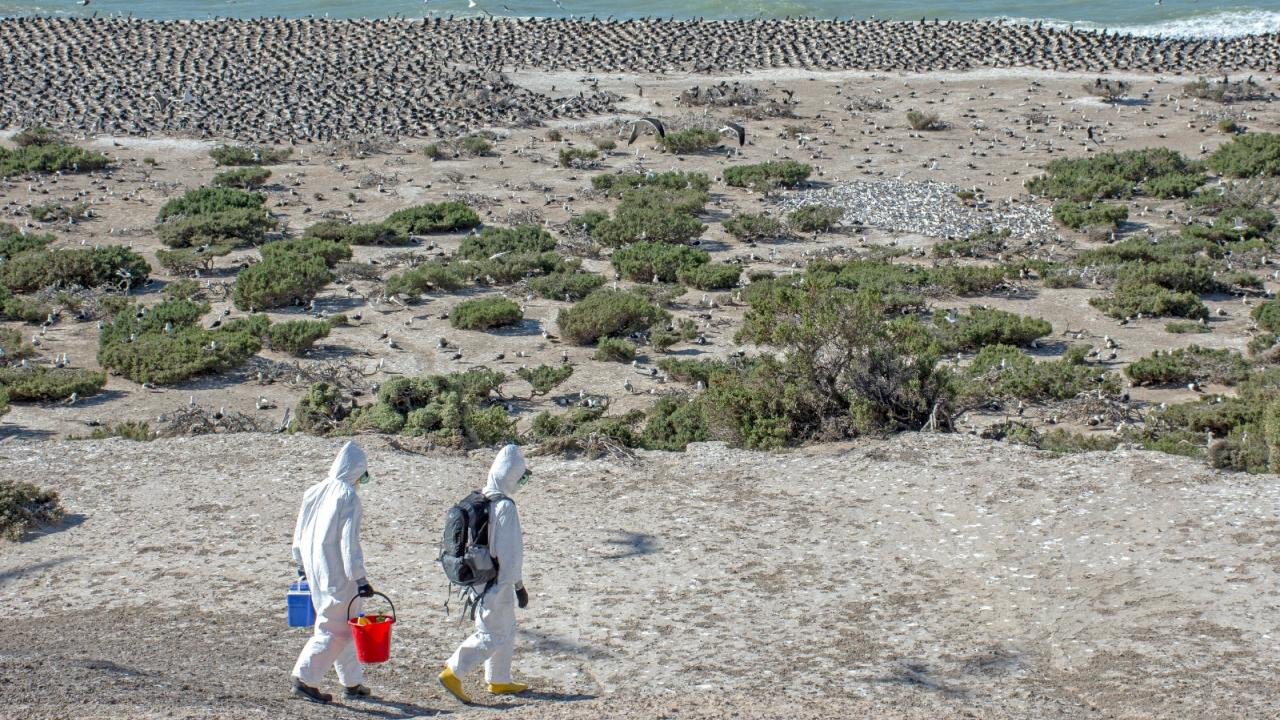
An outbreak of the highly pathogenic avian influenza HPAI H5N1 has killed about 30 elephant seal pups at Año Nuevo State Park in California, prompting the temporary closure of seal-viewing areas through the end of March. Researchers from UC Davis and UC Santa Cruz are intensifying monitoring of the park’s roughly 5,000-seal breeding colony to understand transmission and outcomes, with the virus's source and spread still unknown as wildlife agencies coordinate responses.
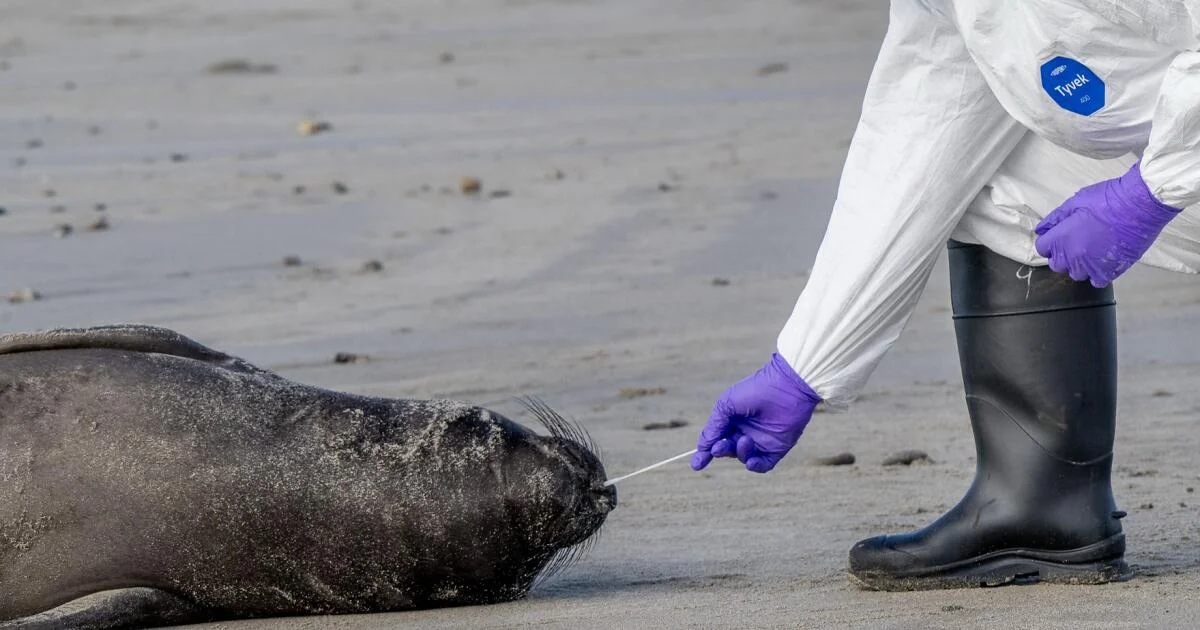
Researchers confirm H5N1 bird flu in California elephant seals at Año Nuevo, marking the first known infection in the state’s elephant seals; seven of the dead pups tested positive as part of ongoing surveillance that has counted about 30 seal deaths since the outbreak began. Officials say the outbreak likely stems from sick seabirds, with mammal-to-mammal transmission under investigation; the park remains closed and beachgoers are urged to avoid wildlife.
A lethal avian influenza strain H5N1 has infected Northern elephant seals at Año Nuevo State Park, with seven pups testing positive and about 30 seals dead since late last week, marking the first documented cases in this population.
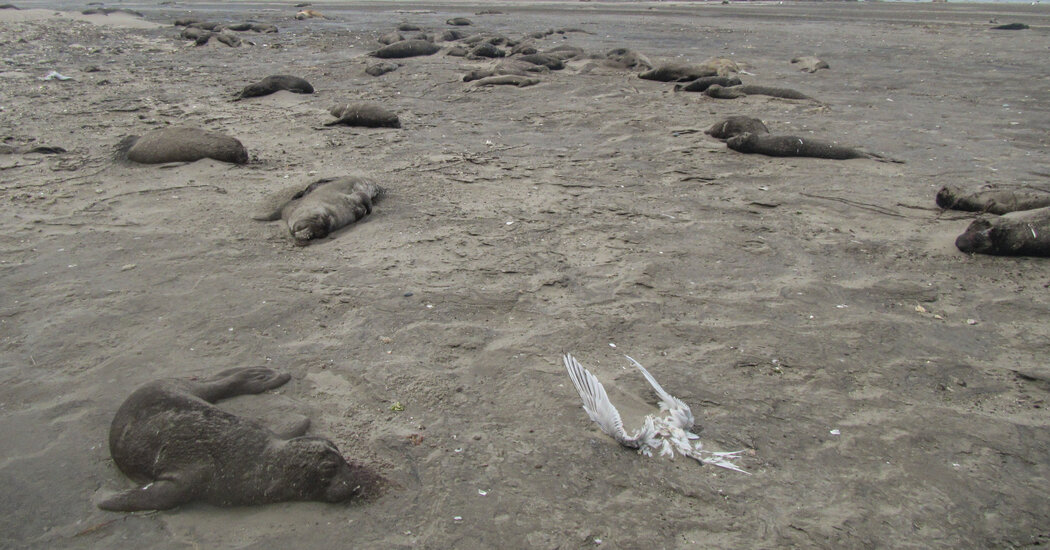
The bird flu H5N1 has caused the largest recorded mortality event among southern elephant seals in Argentina, decimating nearly 97% of pups and leading to a 60% population decline, with potential long-term ecological consequences and a slow recovery estimated to take at least 70 years.
A study reveals the first known transnational spread of highly pathogenic H5N1 avian influenza among mammals, specifically elephant seals in Argentina, marking a significant adaptation of the virus to mammal-to-mammal transmission. This development raises concerns about potential impacts on human health, wildlife, and livestock, as the virus evolves into separate avian and marine mammal clades.
A new study reveals that the bird flu virus H5N1 has mutated to spread among sea mammals, causing massive die-offs of elephant seals in South America. This development raises concerns about potential large-scale infections in other mammals, including humans. The virus is also linked to an ongoing outbreak among dairy cows in the U.S. and has been detected in mink on a fur farm in Spain. The study, which has not yet been peer-reviewed, provides the first genetic and epidemiological evidence of mammal-to-mammal transmission of the virus.
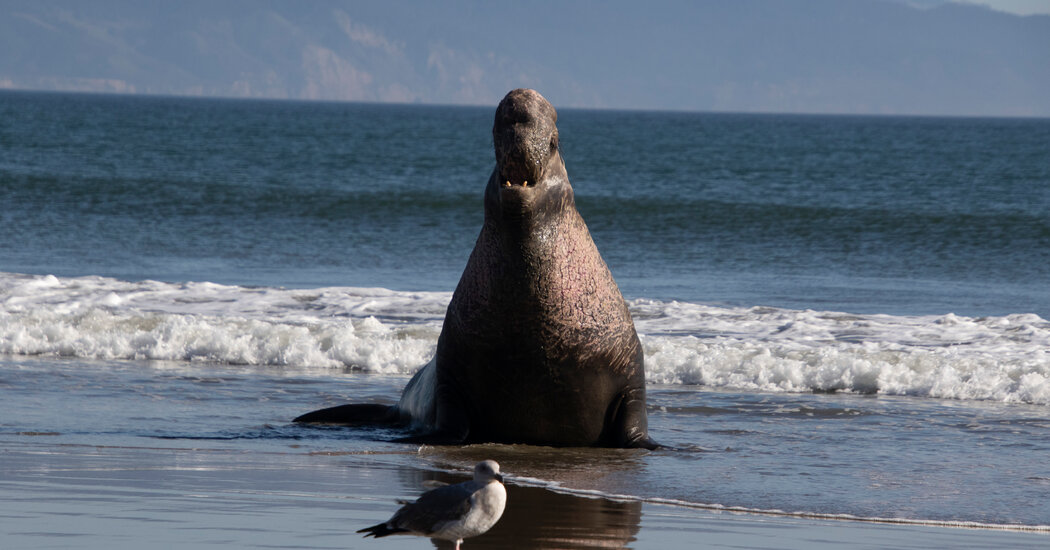
In an unusual act of altruism, a male elephant seal at Point Reyes National Seashore prevented a young pup from drowning by gently nudging it back to the beach when it was struggling in the rising tide. This behavior is unexpected from male elephant seals, known for their focus on mating and fighting. Wildlife biologists were surprised by the male seal's actions, as it is completely out of the ordinary for these animals.
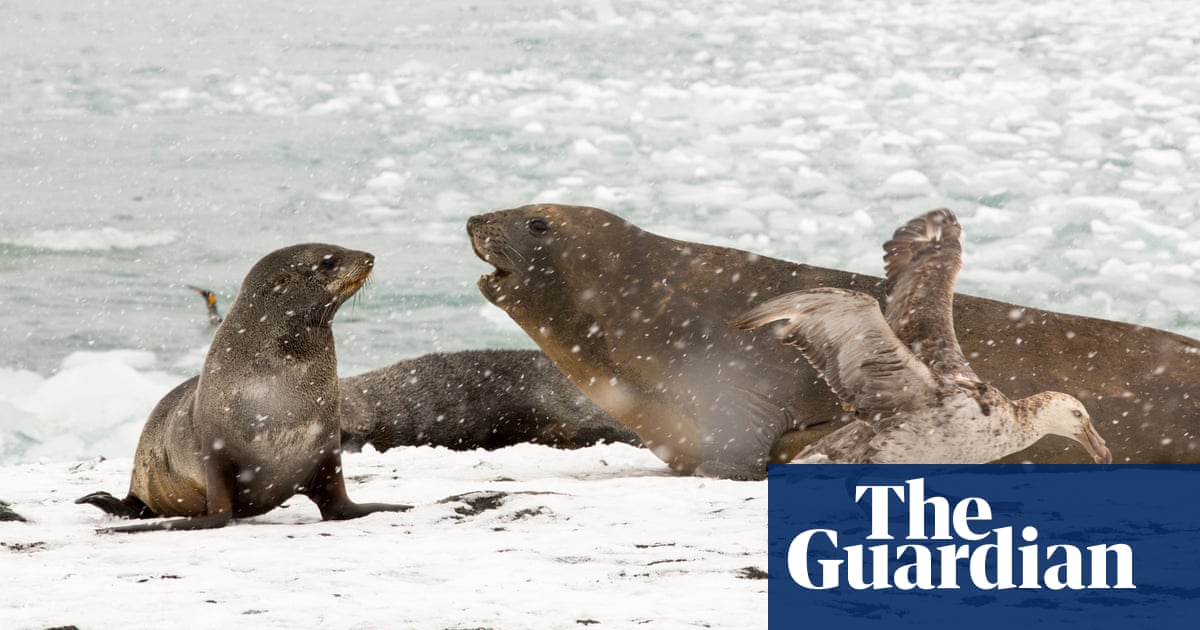
The spread of bird flu in the Antarctic is causing mass deaths of elephant seals and raising concerns about the potential devastation it could bring to penguin populations. The virus has been confirmed at multiple sites, with suspected cases among various species including seals, gulls, and skua. Penguins, particularly vulnerable during their breeding season, could face catastrophic breeding failure and mortality events if the virus spreads. The consequences for the unique ecosystems of the Antarctic, home to many species found nowhere else, are unknown. Efforts are underway to monitor and prevent the further spread of the disease.
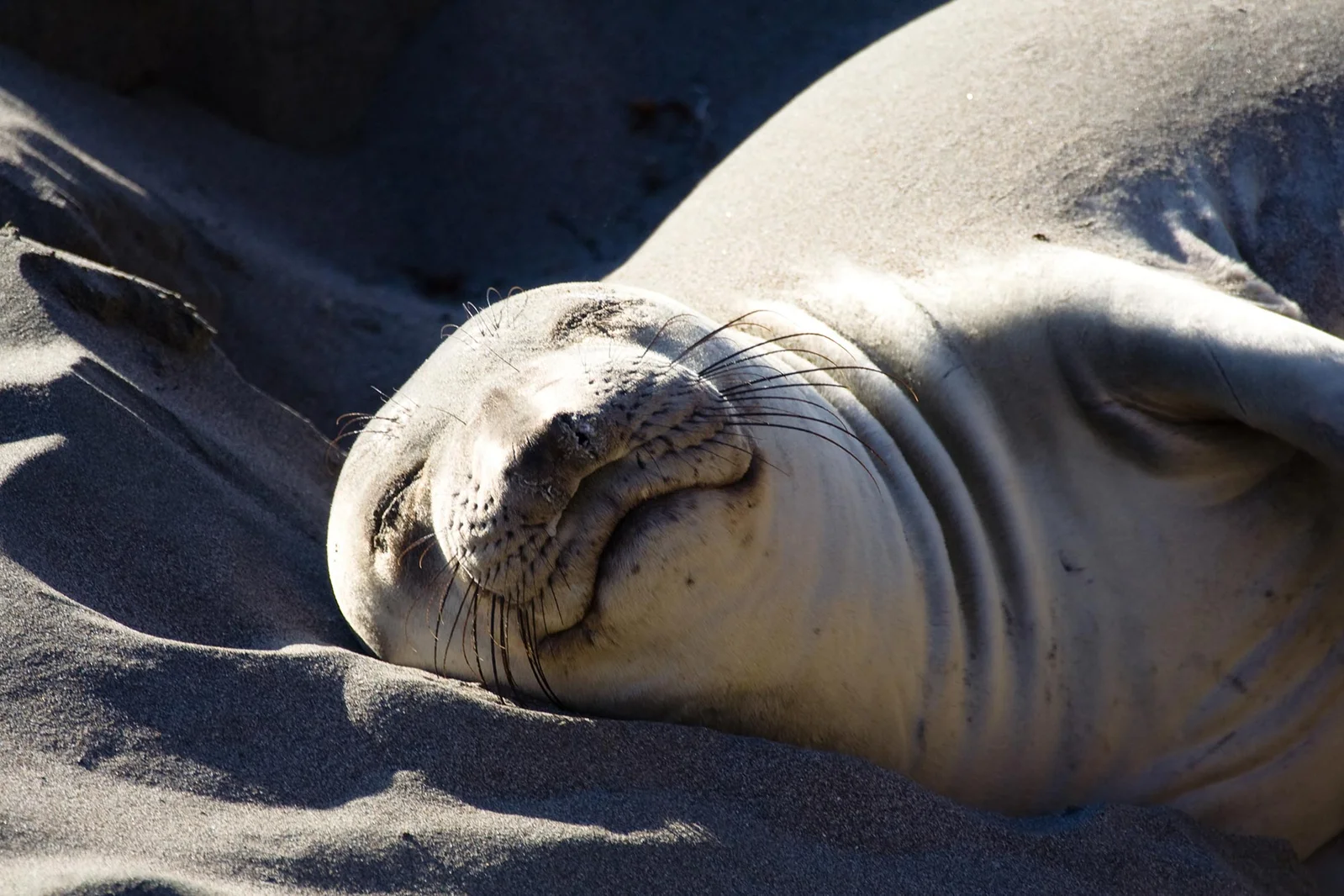
Scientists have discovered that elephant seals only average two hours of sleep per day when they are at sea on long foraging trips, with short naps occurring during deep, 30-minute dives. The study, led by Jessica Kendall-Bar at UC Santa Cruz, is the first to record brain activity in a wild marine mammal, shedding light on their unique sleep habits. The seals are vulnerable to predators at the ocean surface, so they spend minimal time breathing there and instead fall into a deep slumber during their dives in deeper waters. The findings may be helpful for conservation efforts by revealing a "sleepscape" of preferred resting areas.
Elephant seals have been found to drift downwards in a "sleep spiral" when deep diving in the ocean to catch up on sleep while on months-long foraging trips. The seals fall into sleep during deep dives of up to 1,235 feet to avoid predators. Scientists recorded the brain waves of 13 young female seals in California as part of the study, marking the first time scientists have studied the brain waves and recorded the sleeping habits of a free-ranging, wild marine mammal. Elephant seals do get a lot of sleep when they are on land — about 10 hours — scientists said, which makes their sleeping pattern "unusual."
Elephant seals are able to sleep while deep diving up to 1,235 feet to avoid predators, according to a new study. The seals spiral downwards for about 10 minutes at a time during half-hour dives, and they sometimes even catch some sleep on the sea floor. Scientists recorded the brain waves of 13 young female seals in California as part of the study, marking the first time the sleeping habits of a free-ranging, wild marine mammal have been studied. The study examined the crucial nature of sleep for mammals, and pointed out that marine mammals "encounter especially challenging conditions for sleep when they are at sea."
Northern elephant seals sleep while drifting hundreds of meters below the sea surface, at depths where their predators do not usually lurk. Researchers tracked the animals, recording their brain activity as the seals swam for thousands of kilometers. The mammals, which reach depths of up to 2,500ft, sleep for only two hours per day in what the researchers describe as "nap-like sleeping dives". The study has drawn "nap maps" for seals, suggesting that sleeping areas may be as important as active hunting areas for these animals.
Elephant seals sleep just two hours daily in a series of short naps while performing deep dives, according to groundbreaking research that recorded brain activity in a free-ranging, wild marine mammal. During the months they spend at sea, elephant seals rival the record for the least sleep among all mammals, typically sleeping in 10-minute bursts during deep, 30-minute dives, often spiralling downwards while dreaming, and occasionally lying down for a nap on the seafloor. The scientists believe that sleeping while diving allows the seals to avoid predation.
Northern elephant seals have learned to sleep and dive at the same time during their seven to eight months foraging trips in the North Pacific Ocean. Researchers have discovered that the seals sneak in short naps during deep dives while holding their breath, and when they experience sleep paralysis, they continue to spiral down in a corkscrew pattern, which the researchers refer to as a "sleep spiral." The study marked the first time scientists recorded brain activity in free-ranging wild marine mammals, capturing data from 104 sleep dives.