
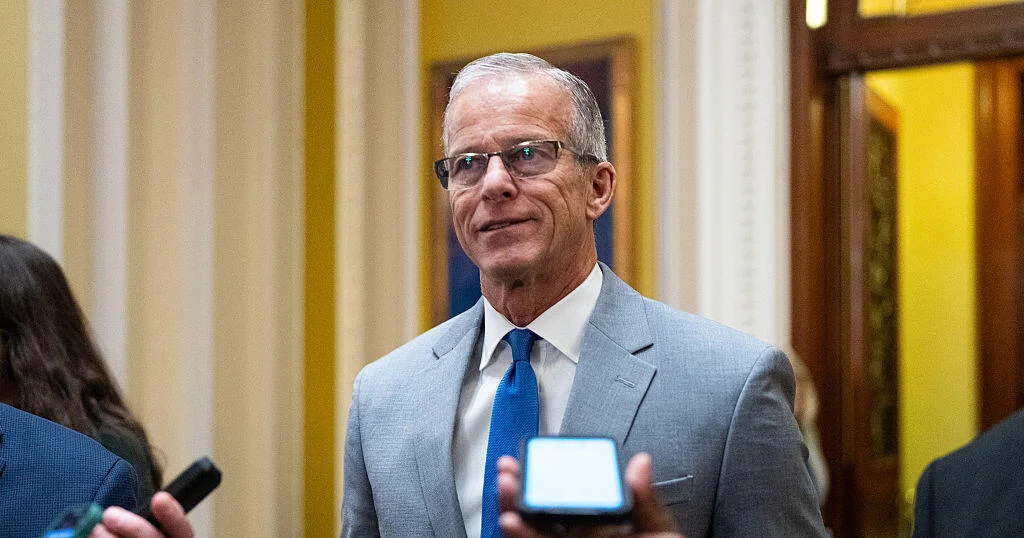
The U.S. Senate is set to vote on a House-passed measure to end the 38-day government shutdown, with a new Republican strategy aiming to include long-term appropriations and extend funding beyond November 21, though support from Democrats remains uncertain amid ongoing negotiations and election impacts. Meanwhile, discussions about changing Senate filibuster rules to facilitate government funding are also underway but unlikely to be adopted.
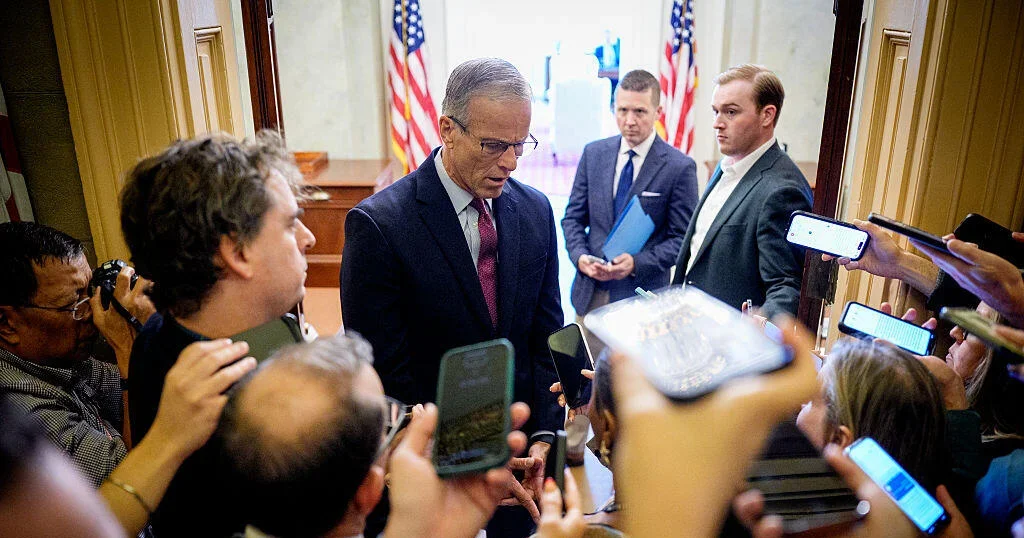
Senators are close to finalizing a bipartisan deal to end the government shutdown by passing a funding package, with negotiations focusing on appropriations bills and a stopgap expiration date, while also addressing military and legislative issues. Democrats and Republicans are working through procedural hurdles, with some internal disagreements and strategic considerations, as they aim to reopen the government and address other legislative priorities.
The U.S. government shutdown enters its third day with the Senate set to vote on short-term funding measures, as deadlock persists between Republicans and Democrats. The Democratic proposal includes extending healthcare tax credits, a popular measure among Americans, while negotiations remain stalled, risking thousands of federal layoffs and halted infrastructure projects. The Senate is unlikely to work over the weekend, with further votes expected early next week.