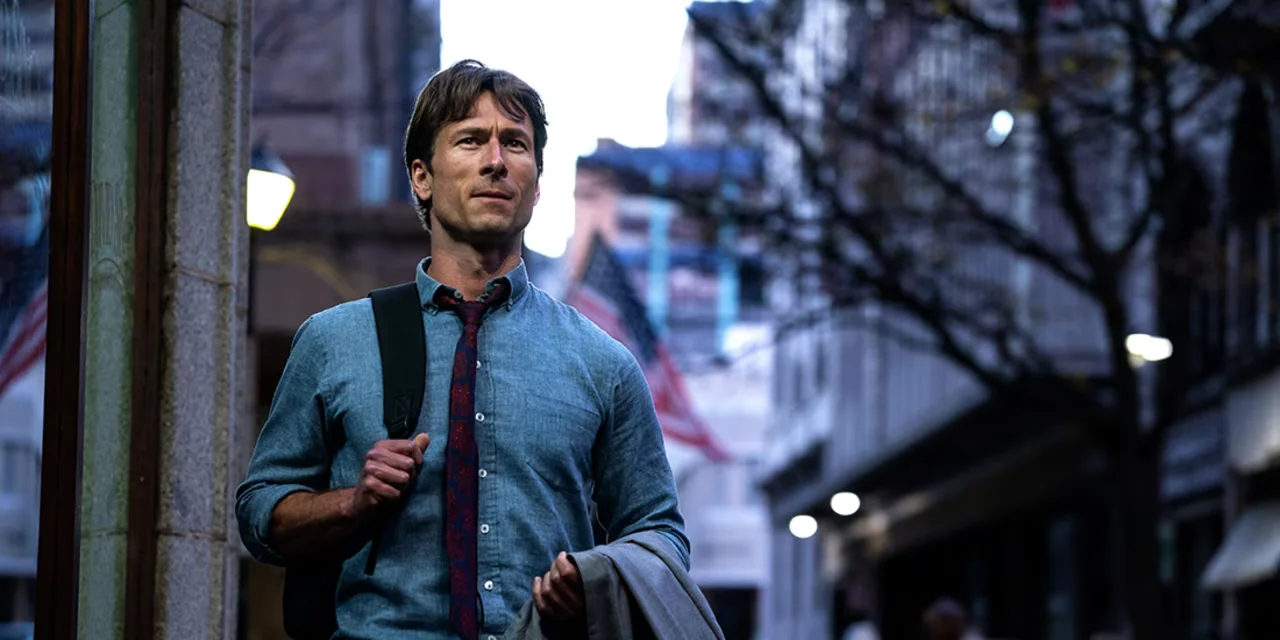
Becket Redfellow, a cast-off heir, murders his way through a Long Island aristocratic clan to secure his inheritance in a queasy dark comedy, anchored by Glen Powell’s charm even as the satire and violence tilt unevenly and the patriarch is gradually revealed as Ed Harris.
Thoughtful, candid cinema by Sophie Heldman rethinks the 1810 Scotch libel case behind The Children’s Hour, centering two Edinburgh teachers and a mixed‑race pupil who fabricates a sexual story. The film uses the court drama to explore how racism and empire complicate justice, with the teachers’ relationship emerging only after the scandal, offering a sharper, more modern critique of the original film’s discreet treatment of sexuality.
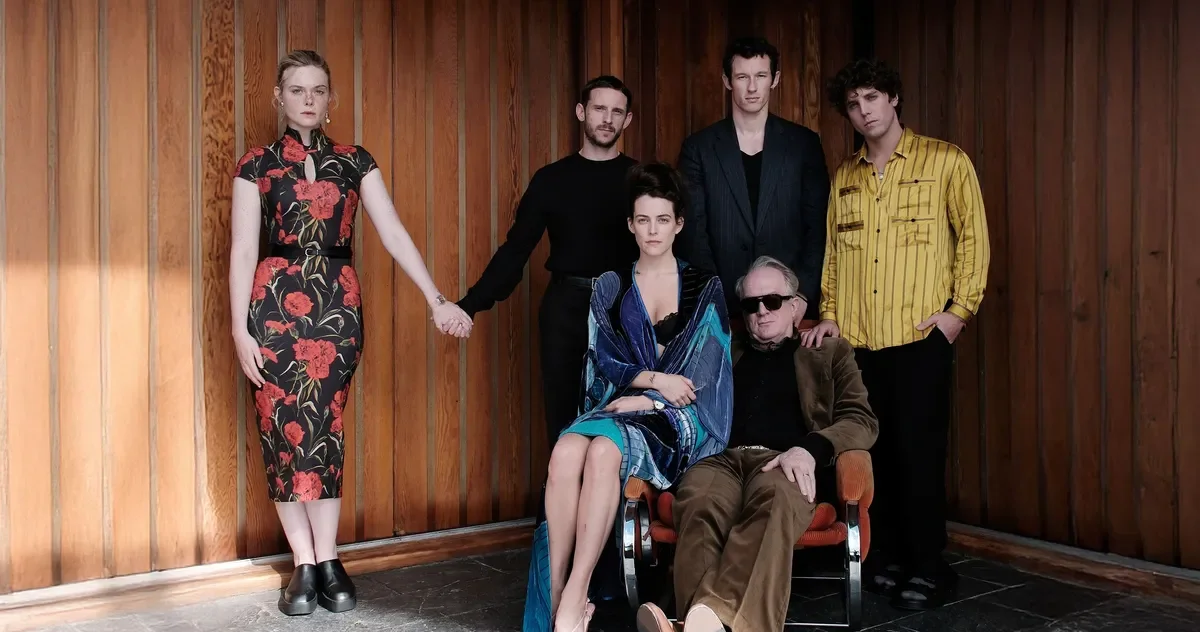
Vulture critic Bilge Ebiri reviews Rosebush Pruning at Berlinale 2026, a star-studded but perplexing psychosexual drama inspired by Bellocchio’s Fists in the Pocket. Despite a glamorous cast, the film’s incestuous tensions and class critique feel poorly anchored, with directing and a tacked-on voiceover failing to sustain its provocative ambitions.
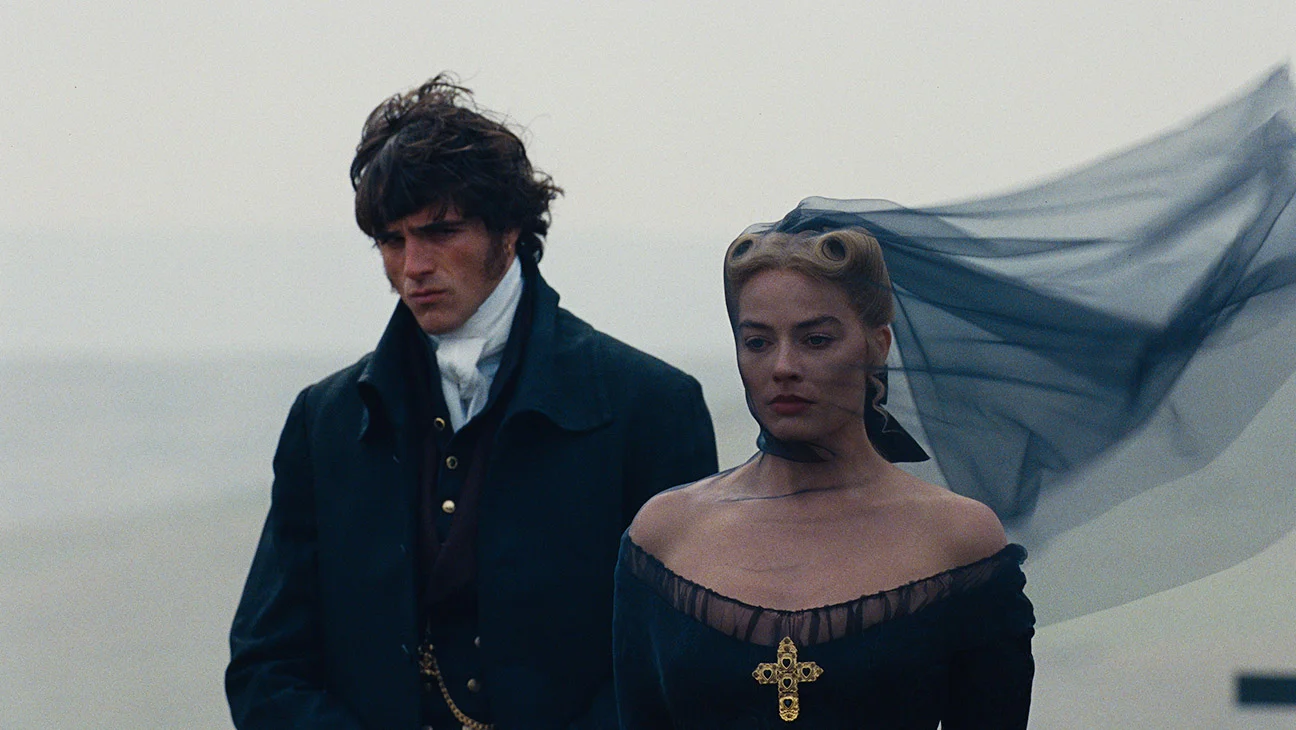
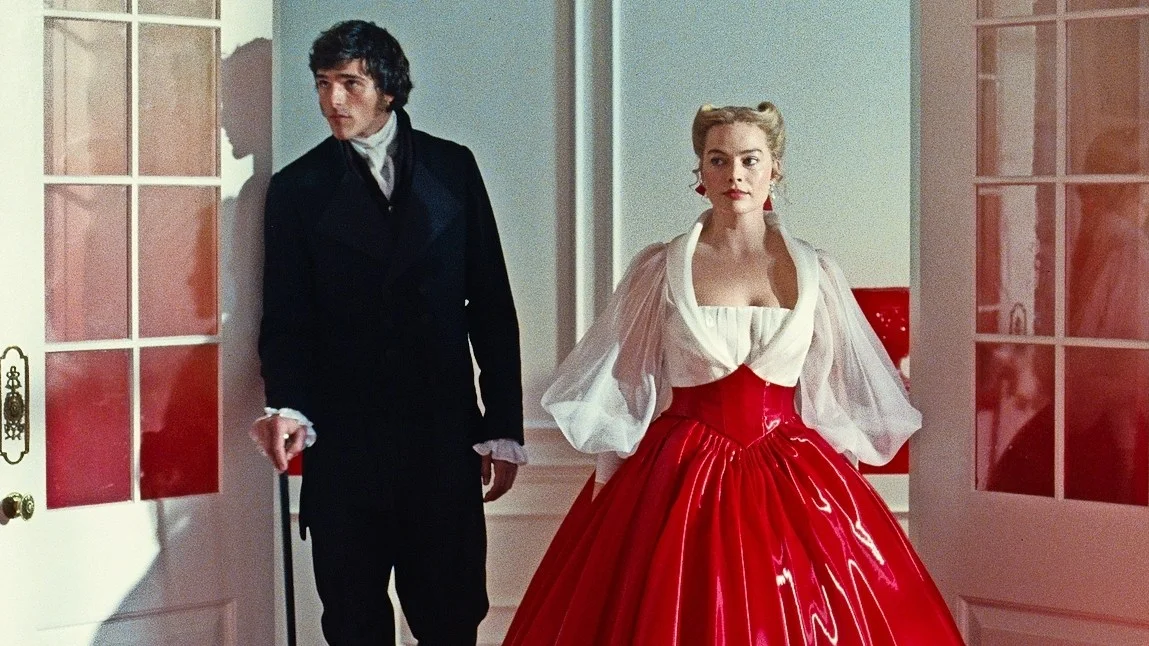
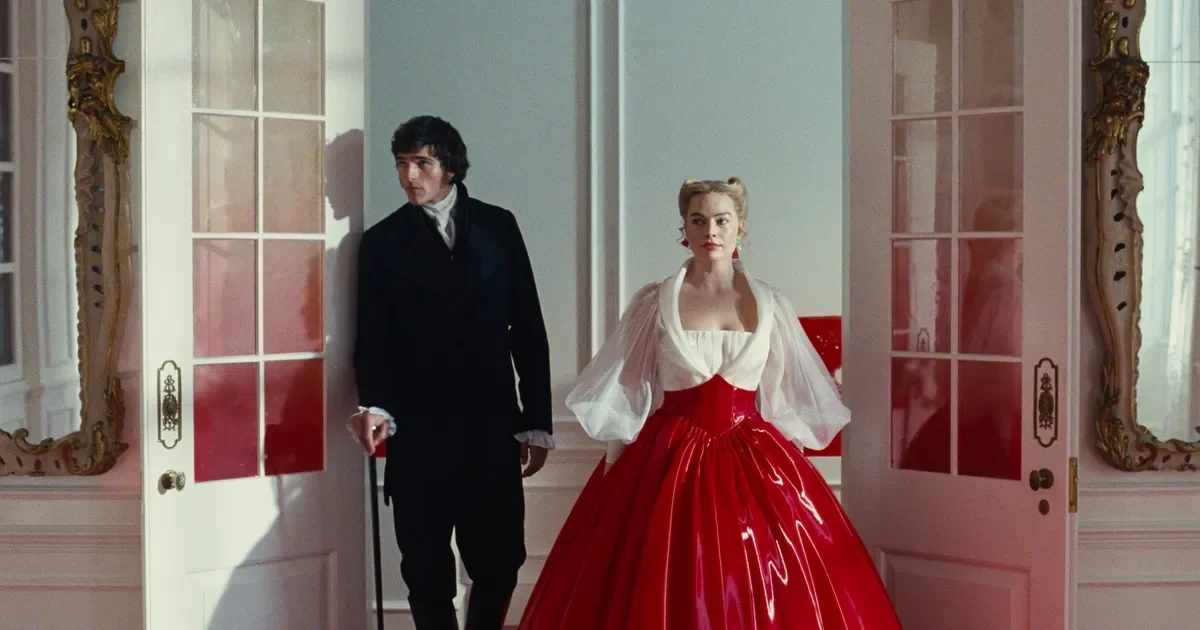
Critics are divided on Emerald Fennell’s Wuthering Heights adaptation, starring Margot Robbie and Jacob Elordi: some praise its bold, lush visuals and provocative tone, while others call it hollow and over-stylized compared to Brontë’s novel. The film’s early reception is reflected in a 71% Rotten Tomatoes score from 65 reviews and a 60% Metacritic from 31 reviews, as outlets ranging from THR and The Independent to The Guardian and The Atlantic assess its audacious reinvention ahead of its Feb. 13 release.
Emerald Fennell's Wuthering Heights is a glossy fever dream that never captures Brontë's gothic depth: Margot Robbie's Cathy reads as Brontë Barbie, Heathcliff feels underwritten, and the film's overproduced visuals and bloated ending undercut its ambition, though Alison Oliver's Isabella provides a rare spark.
Emerald Fennell’s Wuthering Heights reimagines Brontë’s tale with unapologetic sensuality and lush visuals, turning the classic into a brash, fearless study of desire led by Margot Robbie as Cathy and Jacob Elordi as Heathcliff. The review praises it as bold and surprisingly effective—almost “dumbest yet best”—for its boldness and raw emotional charge.
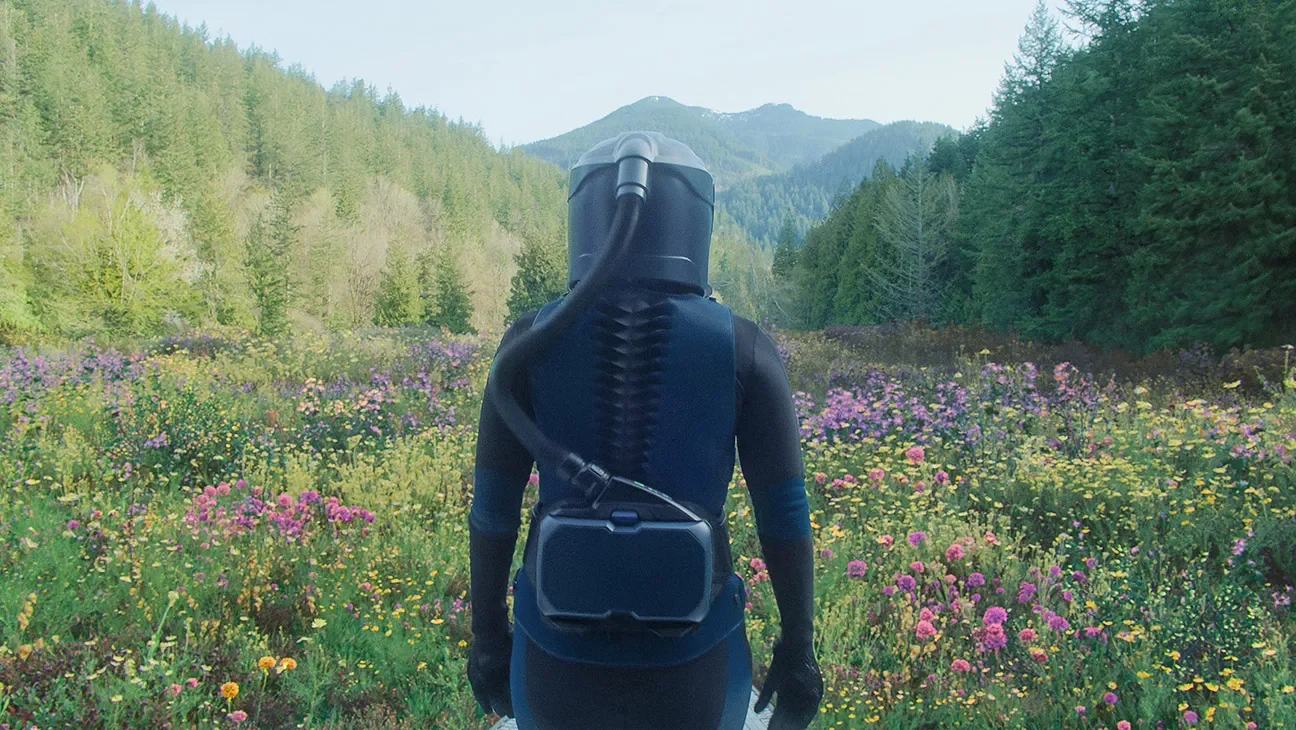
The Hollywood Reporter reviews Andrew Stanton’s Sundance premiere In the Blink of an Eye, a three-part sci‑fi drama linking Neanderthal and 25th‑century storylines about life, death, and humanity. Starring Rashida Jones, Daveed Diggs, and Kate McKinnon, it’s well‑intentioned and emotionally affecting—McKinnon’s solemn monologue and Jones’s grieving scientist arc land—yet the broad plots and a cheery, uplift‑all message feel underdeveloped, like a glossy, expensive ode rather than a deeply resonant work. The score by Thomas Newman adds melancholy weight, and the reviewer admits tearing up, though overall the film remains more surface than profundity.
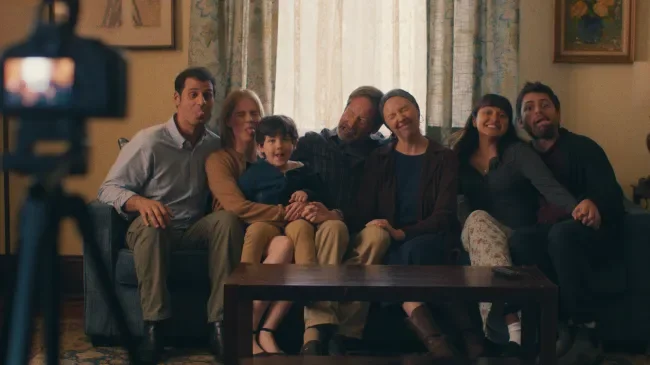
IndieWire’s Sundance review of See You When I See You, adapted from Adam Cayton-Holland’s memoir about his sister’s suicide, follows a privileged family as they navigate collective and personal grief. Cooper Raiff delivers a sympathetic lead performance while EMDR therapy scenes provide emotional grounding; Jay Duplass’s film is earnest and moving, though at times formulaic, with a finale that lingers on healing rather than spectacle.
Rachel McAdams anchors Sam Raimi’s twisted survival thriller Send Help, delivering a standout performance as a put-upon executive stranded with a smug boss on a desert island; Raimi leans into graphic gore, sharp power reversals, and unpredictability, crafting a gonzo genre mood that should appeal to fans of dark, high-spirited thrills.
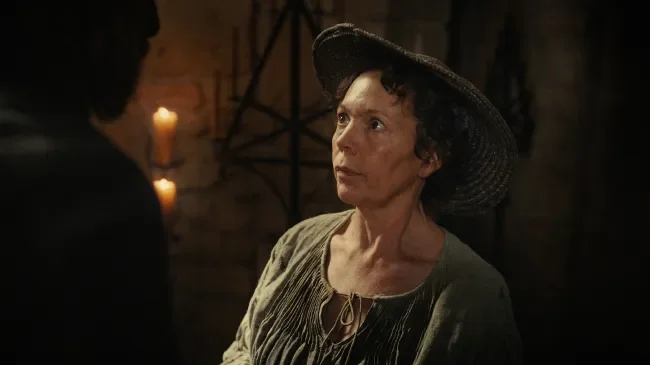
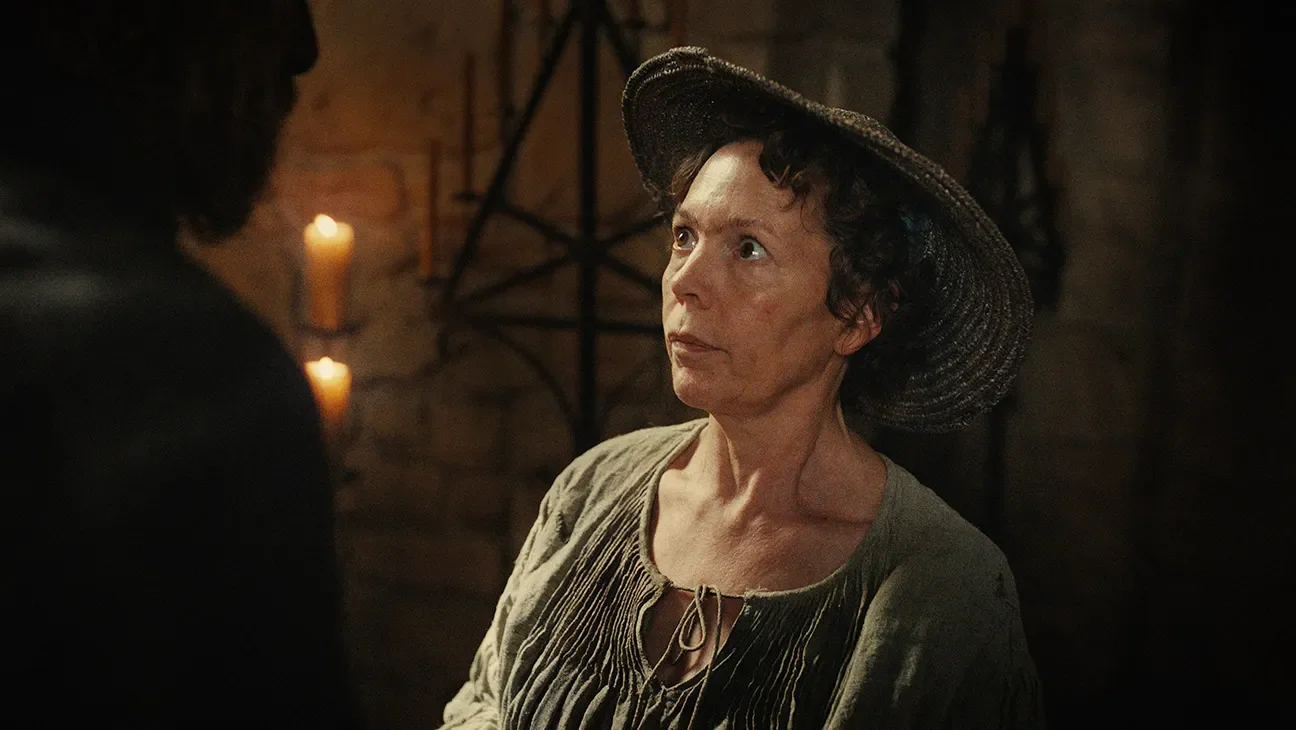
At the 2026 Sundance Film Festival, Wicker arrives as a kooky, sex-forward folk tale led by Olivia Colman and Alexander Skarsgård. Colman grounds the bawdy whimsy with grounded pathos while Skarsgård plays a wicker-man with memorable deadpan charm, supported by a colorful village ensemble and striking cinematography. The audacious premise and ribald humor may polarize audiences, and the film is currently seeking U.S. distribution (Grade: B).
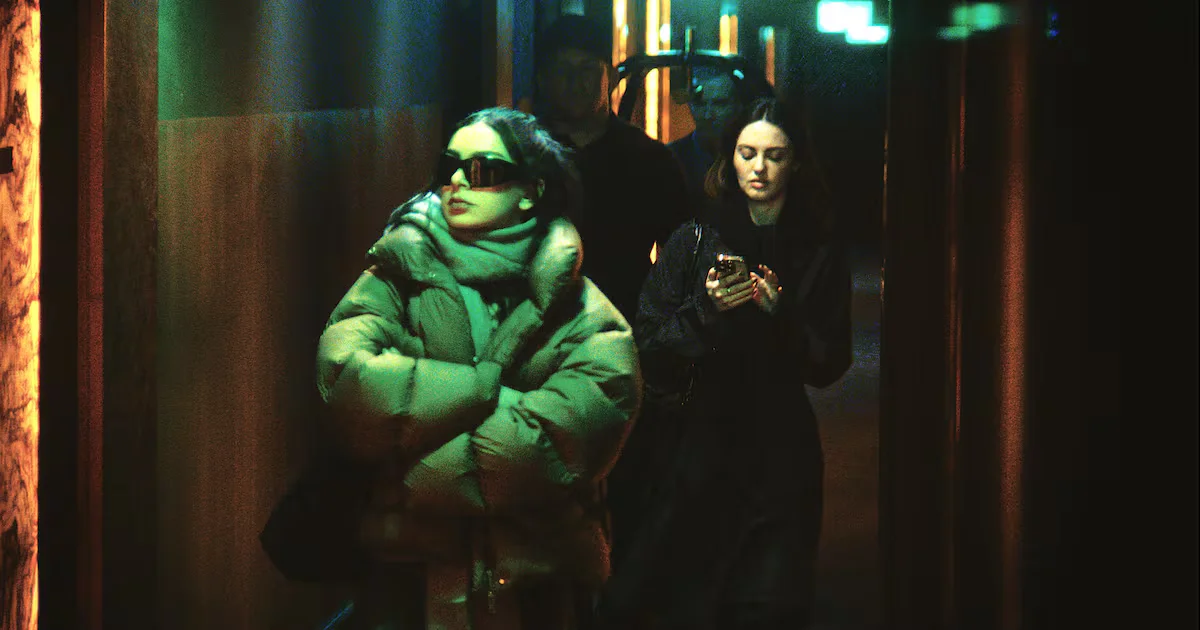
Charli XCX’s Sundance debut—a mockumentary about her tour—has critics calling it irritating and shallow, failing to illuminate the artist or offer a meaningful narrative, making this film debut feel disappointing rather than a breakthrough.
THR reviews Wicker as a quirky Sundance fable in which Olivia Colman’s fisherwoman enlists a wicker husband built by a basket weaver for companionship. Alexander Skarsgård’s arrival destabilizes the village, turning the romance into a sharp, humane meditation on partnership and social norms, aided by lush production design and strong performances—though the ending lingers a touch.
John Wilson’s feature debut at Sundance is a riotous documentary that uses concrete as a playful lens for observational humor rather than a straightforward history lesson, delivering a witty and entertaining portrait of the material and its world.
Vulture film critic Alison Willmore calls The History of Concrete a supersized, affectionate meander that expands John Wilson’s How to With John Wilson format into a 100‑minute essay about creativity, impermanence, and life under capitalism, anchored by concrete as both material and metaphor and punctuated by detours—from Rome’s ancient structures to a sidewalk gum-remover and a Queens 3100‑mile race.
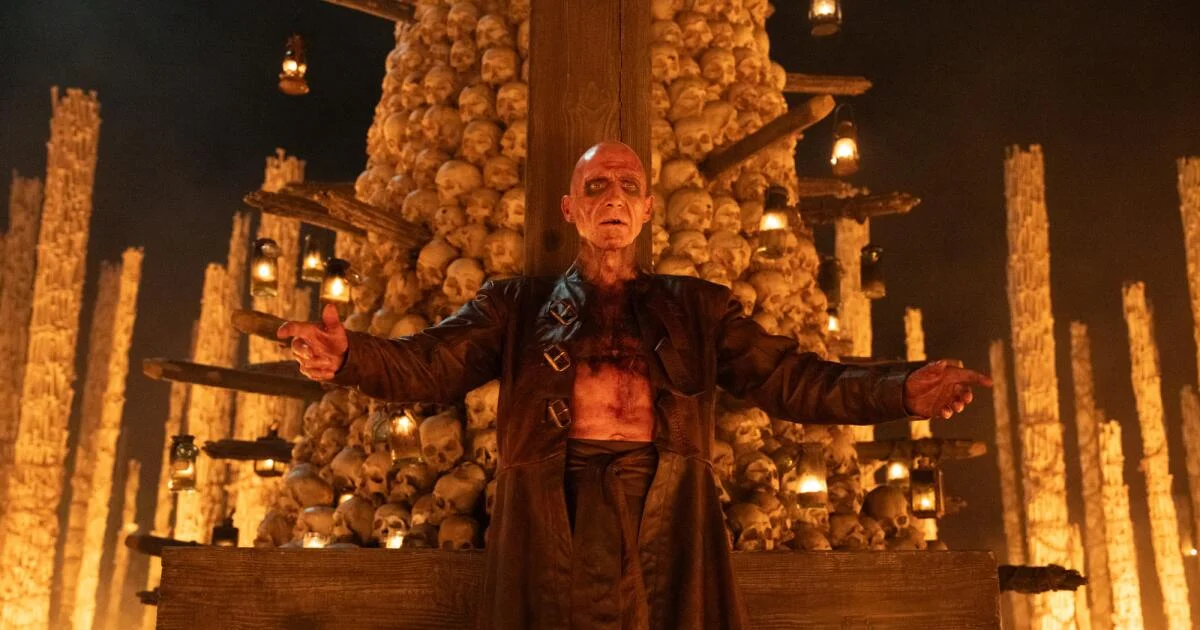
Ralph Fiennes steals the show as Dr. Ian Kelson in Nia DaCosta’s 28 Years Later: The Bone Temple, a brutal, darkly funny entry that blends gory spectacle with philosophical musings. The film follows a new generation of zombie-threat survivors, including a cult-like group of killer kids, as it widens the franchise’s scope with a more classical aesthetic, a hypnotic score, and striking visuals. While the religious cult thread is uneven, the movie’s audacious mix of shock, wit, and intellect — plus Fiennes’ manic performance and Sampson the towering antagonist — makes it a memorable, if extreme, addition to the series. Running 1h49, it hits theaters Jan. 16.