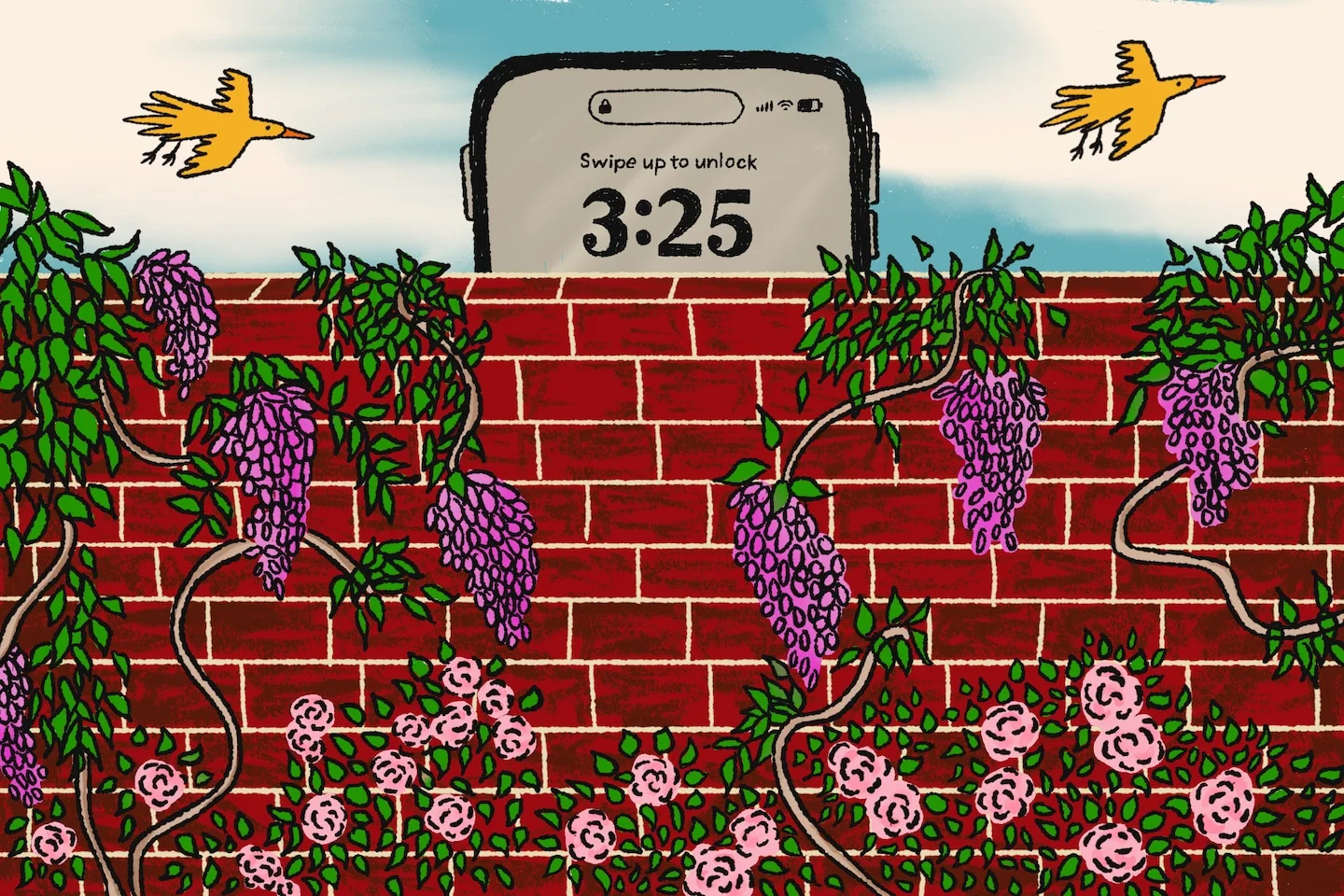
A social media manager shares how a device called 'Brick' helped her break free from doomscrolling, despite her understanding of social media's addictive nature and believing she had control over her screen time.
A neuroscientist developed a 6-pound phone case to physically discourage excessive phone use and doomscrolling, successfully reducing his screen time from over four hours to two hours per week by making the phone uncomfortable to hold, thereby rewiring his habits and turning the device into a tool rather than a trap.
Focus Friend, an app designed to help reduce screen time, is gaining popularity, but its effectiveness in actually preventing users from excessive phone use remains uncertain, amidst broader discussions on technology's impact on culture and behavior.
Doomscrolling, the habit of continuously consuming negative online content, is linked to worsening mental health, according to a study by University College London. The research found that individuals with poorer mental health are more likely to seek out distressing content, which in turn exacerbates their symptoms. Experts suggest that mindful digital consumption, including moderating screen time and adopting a balanced media diet, can help mitigate these effects. The study highlights the need for digital literacy to improve public mental health.
A study by University College London reveals that doomscrolling, the habit of seeking negative information online, exacerbates poor mental health by trapping individuals in a cycle of negativity. The research involved over 1,000 participants and found that those with poorer mental health scores were more likely to seek out negative content, which in turn worsened their mental state. The study highlights the correlation between internet use and mental health issues, contributing to ongoing debates about the impact of digital habits on well-being.
The Guardian has launched a new newsletter, Reclaim your brain, to help people spend less time on their phones, with expert coach Catherine Price discussing the science behind our relationships with our devices and how to break the cycle, and Prof Barbara Sahakian of Cambridge University explaining the draw to bad news on phones and its impact on us.
Doomscrolling, the tendency to compulsively scroll through social media feeds or newsfeeds that focus on negative or distressing information, can have toxic effects on mental and physical health. It can lead to increased anxiety, stress, and pessimism, and can negatively impact physical health by interfering with sleep and creating a craving for comfort food and overeating. To stop doomscrolling, experts suggest bringing awareness to the behavior, setting boundaries, listening to your body and emotions, physically separating yourself from your phone, setting specific times each day to log off, asking serendipitous questions, avoiding social media and news outlets, practicing gratitude, and powering down early.