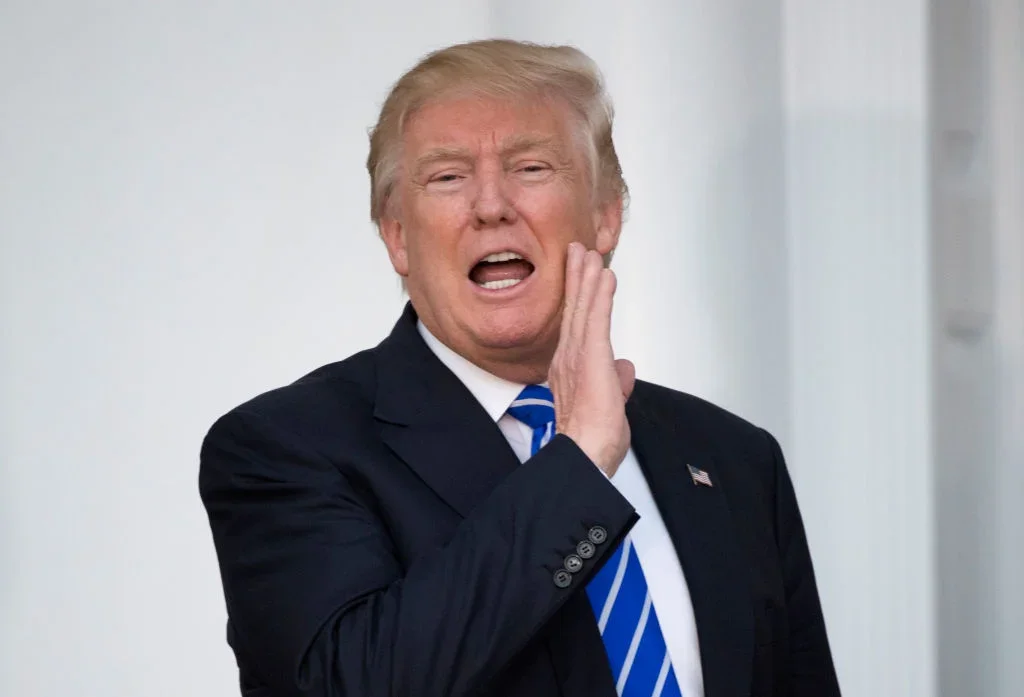
President Trump signed an executive order to investigate whether banks have discriminated against conservatives and certain industries, citing concerns over 'debanking' and political bias, with potential implications for civil or criminal investigations against banks.
President Donald Trump signed an executive order to prevent politicized or unlawful debanking, ensuring fair access to banking services for all Americans, and directing regulators to review and address discriminatory practices by financial institutions.
President Trump is set to sign an executive order aimed at addressing alleged political bias by large banks, accusing them of discriminating against him and conservative clients, and instructing the Treasury to develop strategies to prevent politically motivated account closures.
President Donald Trump is expected to sign an executive order aimed at protecting customers from being de-banked based on political or religious beliefs, directing regulators to remove vague 'reputational risk' language that has been used to justify account closures, amidst ongoing debates about political bias and regulatory overreach in banking.
The White House is preparing an executive order to investigate and potentially penalize banks for allegedly dropping customers for political reasons, amid President Trump's claims that major banks discriminated against him and his supporters by refusing his deposits, though banks deny these allegations. The move reflects ongoing tensions over banking practices and political influence, with regulators and industry groups responding to the issue of 'debanking' and regulatory overreach.
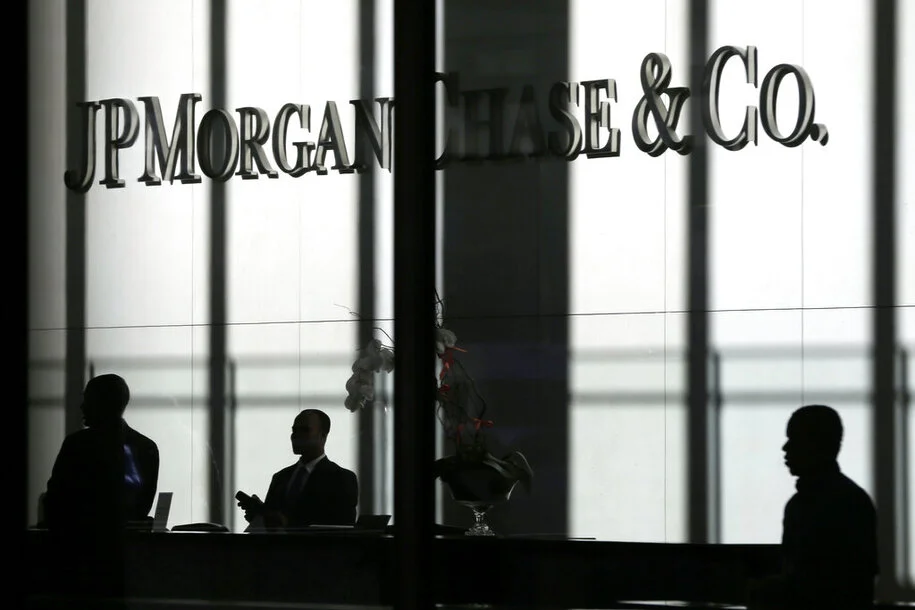
President Trump is strongly advocating against 'debanking,' claiming that banks have discriminated against him and others for political reasons, and is preparing an executive order to investigate such practices. Debanking, which involves banks refusing service to customers for various reasons, has become a contentious issue among conservatives and crypto advocates, often framed as a victimization narrative despite regulatory reasons for bank rejections. Trump’s personal allegations include claims of being cut off by JPMorgan Chase and Bank of America, highlighting the politicized nature of the debate.
President Trump accused major banks like JPMorgan and Bank of America of discriminating against him and his supporters by refusing his deposits, and he is preparing to issue an executive order to investigate and address alleged politicized debanking practices, amid ongoing tensions over financial regulation and political bias.
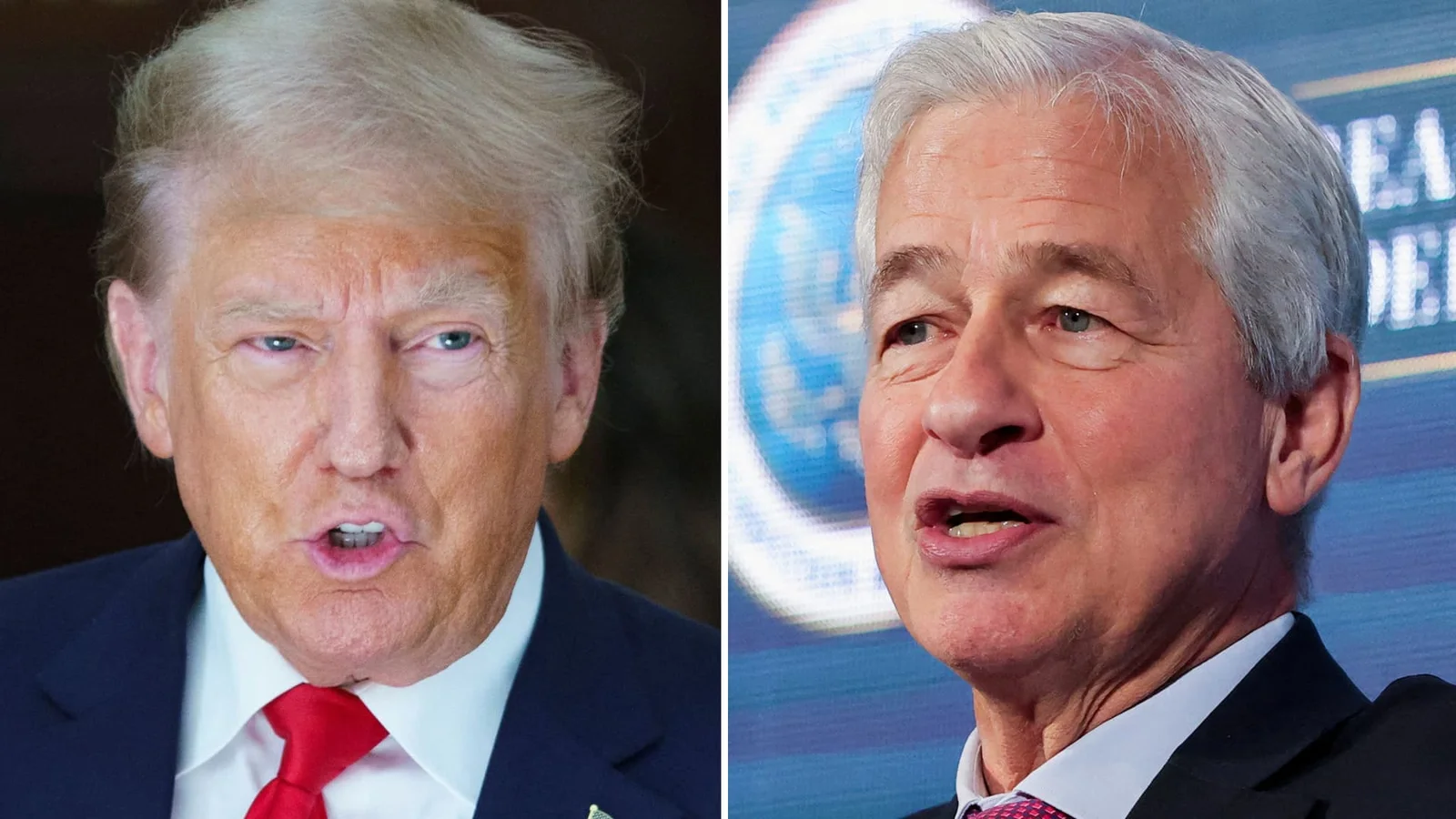
President Trump claimed that JPMorgan Chase and Bank of America discriminated against him by refusing to accept over $1 billion in deposits from his organization after his presidency, amid ongoing discussions about a crackdown on debanking practices targeting politically affiliated organizations.
President Trump accused JPMorgan Chase and Bank of America of refusing his business on ideological grounds, claiming they asked him to close longstanding accounts and declined large deposits. Both banks denied political motivations, emphasizing regulatory compliance. The controversy highlights ongoing debates over political bias and regulatory overreach in banking, with Trump calling for regulatory reforms.
Citigroup has ended its seven-year-old policy restricting banking services to firearm manufacturers and sellers, citing changes in societal and business practices, and emphasizing non-discrimination policies. The move has drawn criticism from gun-control advocates, while broader political debates around 'debanking' and political discrimination in banking continue.
Crypto insiders have sparked a political controversy by highlighting the issue of 'debanking,' where financial institutions allegedly deny services to cryptocurrency businesses. This has led to increased scrutiny and debate over banking regulations and the treatment of the crypto industry by traditional financial systems.
Investor Marc Andreessen sparked controversy by claiming that dozens of tech executives were 'debanked' during the Biden administration, a practice where individuals or companies have their bank accounts closed or access restricted. He likened it to 'Operation Choke Point 2.0,' suggesting it targeted political adversaries and disfavored tech startups, particularly in the crypto industry. While Andreessen provided no evidence, the claim has been amplified by figures like Elon Musk and Coinbase's Brian Armstrong, fueling ongoing debates about government overreach and banking regulations.
The UK's Financial Conduct Authority (FCA) has identified potential "regulatory breaches" in NatWest's handling of the decision to close Nigel Farage's accounts. NatWest has acknowledged shortcomings in its treatment of Farage and will implement all recommendations from an initial review. The bank will disclose a decision on whether to dock former CEO Alison Rose's pay over the matter soon. The FCA is reviewing NatWest's governance, systems, and controls in light of the potential breaches.
Dogecoin investors have amended a class-action lawsuit against Elon Musk, accusing him of insider trading and alleging that the token is a security under SEC regulations. Meanwhile, an AI chatbot has been created to chat with Bitcoin creator Satoshi Nakamoto. Binance CEO Changpeng Zhao has considered acquiring a bank amid the ongoing debanking of crypto firms, but regulatory complexity and capital requirements make it unwise. Crypto.com has been granted a major payment institution license for digital payment token services in Singapore. Finally, wallet-as-a-service provider Magic raised $52m in a funding round led by PayPal Ventures.
Three Republican members of the US House Financial Services Committee have sent letters to the heads of US banking regulatory agencies seeking information on possible coordinated efforts taken against digital asset firms. The lawmakers see a “coordinated strategy” to deny the digital asset industry access to banking that is not related to a desire to protect banks. The letters demand non-public records relating to communications between employees of each of the agencies addressed and the institutions they supervise regarding the documents referenced.