
Navigating COVID-19 Testing: What You Need to Know
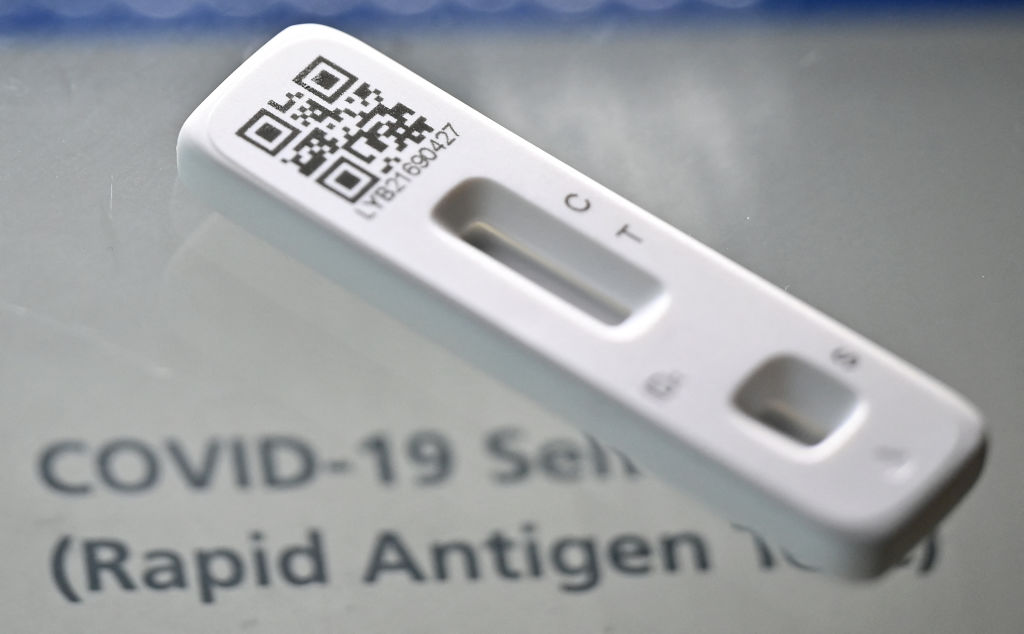
At-home COVID-19 tests are reliable in detecting the virus, including new variants, but a negative result does not guarantee that you are not infected. These tests target the nucleocapsid proteins of the virus, which remain relatively stable despite genetic changes. Timing is crucial, as testing too soon may yield a false negative. If you have symptoms and your at-home test is negative, it is recommended to take a second test 48 hours later. Testing should be based on symptoms and risk, rather than vaccination status or previous infection. PCR tests remain the most accurate, and expired at-home tests should not be used. At-home tests may be less reliable for children. If you test positive for COVID-19, CDC guidelines recommend isolating for at least five days and coming out of isolation only after being fever-free for 24 hours and showing improvement in symptoms. Retesting may not be necessary and additional precautions should be taken if you are medically fragile or around vulnerable individuals.
- Can you rely on COVID-19 at-home tests? Here's what you should know South Florida Sun Sentinel
- Can Rapid COVID Tests Reveal More Than a Positive/Negative Result? Medpage Today
- How long should you wait to take an at-home COVID test if you are sick? SILive.com
- You tested positive for COVID-19, now what? WSYR
- Fact Check: Combination test is not proof COVID and flu are identical Reuters
Reading Insights
0
1
5 min
vs 6 min read
85%
1,096 → 162 words
Want the full story? Read the original article
Read on South Florida Sun Sentinel