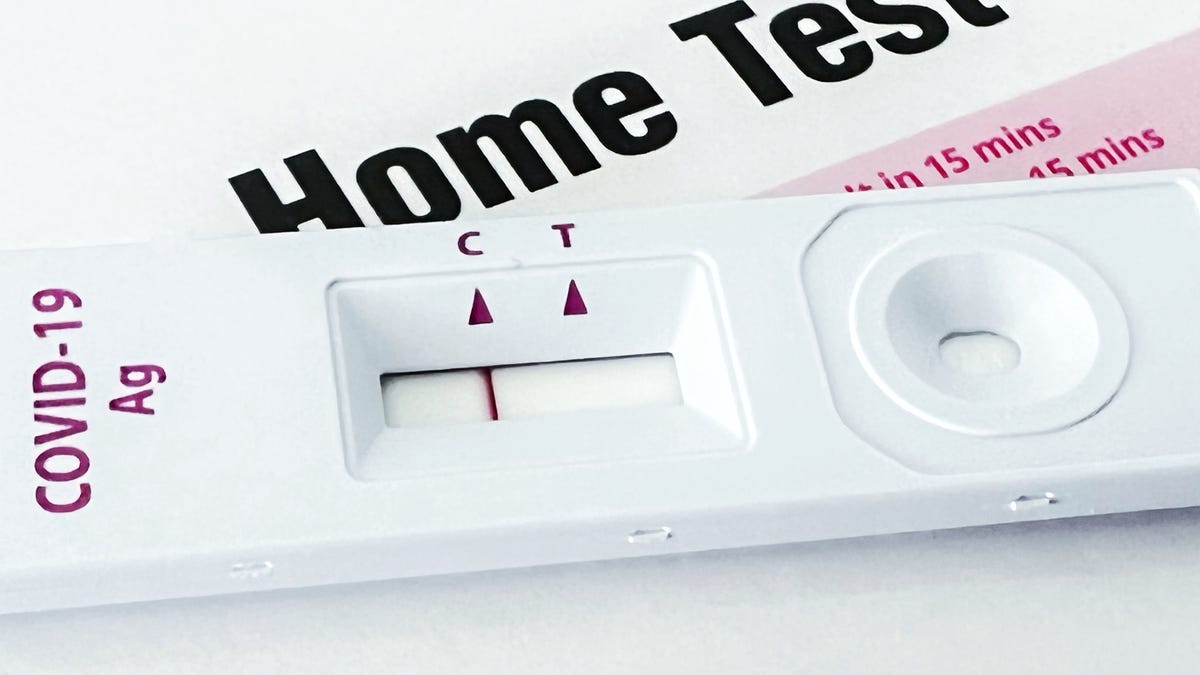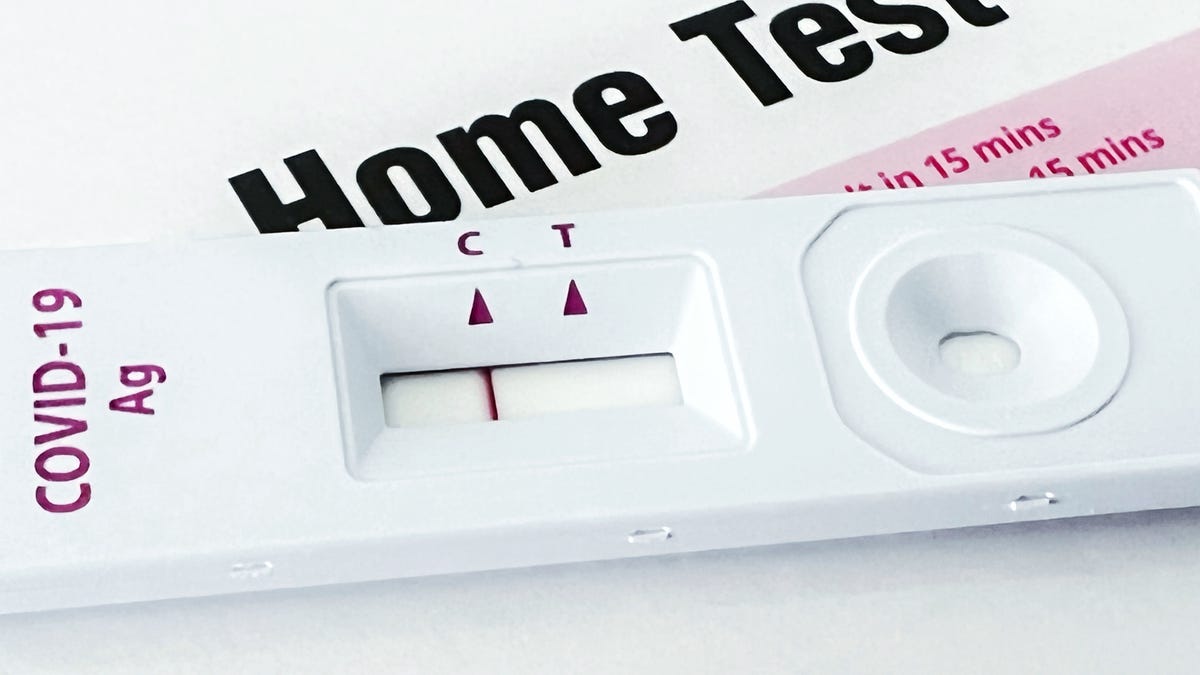
The US government will stop accepting orders for free at-home Covid-19 tests on 8 March, with each household able to place an order until then via the USPS. The decision comes amid slowing case rates, but the tests could still be distributed in the future. Additionally, the CDC has changed isolation guidance for those testing positive for Covid-19, and antiviral treatment Paxlovid will no longer be authorized for emergency use, except for high-risk pediatric patients.
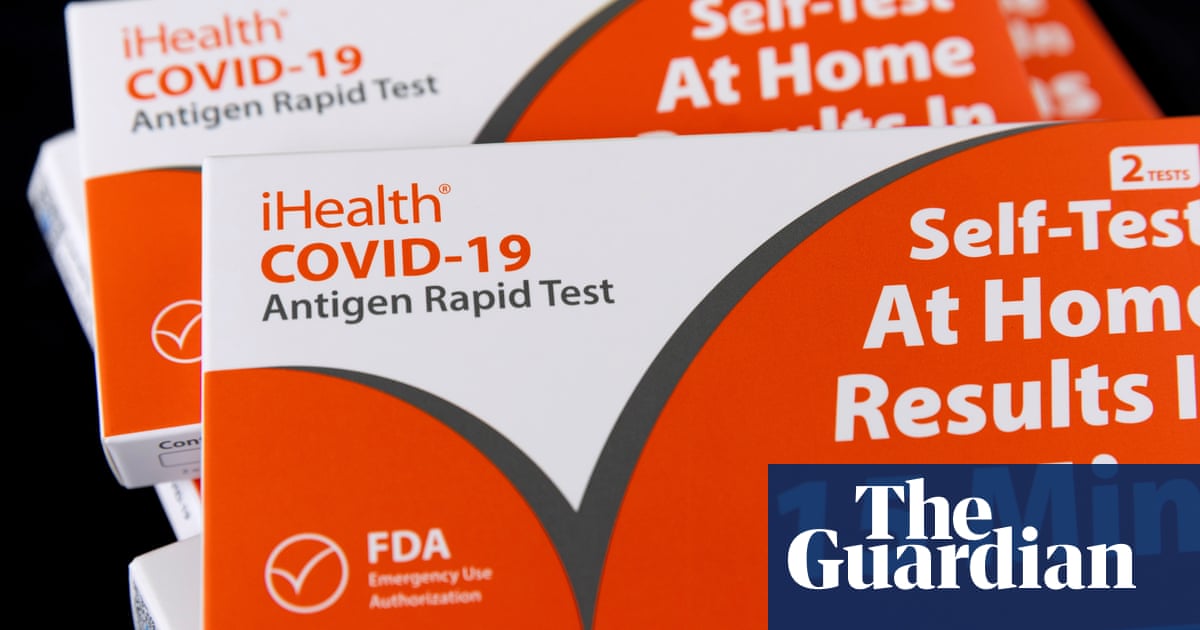
The USPS will stop accepting orders for free COVID-19 tests on March 8, marking the end of this season's round of shipments due to slowing case rates. The CDC has acknowledged the relatively low sensitivity of rapid antigen tests, like those in the USPS program, and the free distribution of Pfizer's Paxlovid antiviral is also scheduled to stop. However, free at-home tests are still available through programs like Home Test to Treat, and free or reduced-price Paxlovid can be obtained through government-backed patient assistance programs for insured and uninsured individuals.
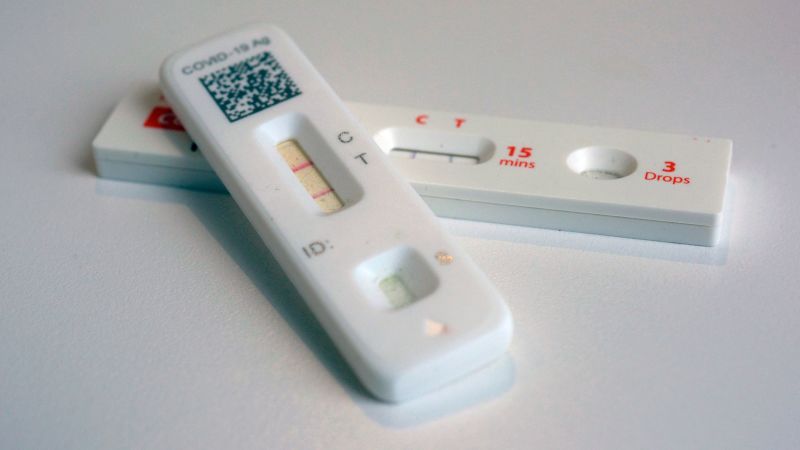
The expiration date on your box of COVID-19 tests indicates the final day the test is expected to perform effectively. While the FDA authorizes at-home test kits with a shelf life of about four to six months, manufacturers can request an extension if they find additional data showing the tests are still accurate past the expiration date. It is not recommended to use expired tests as the components may degrade, leading to inaccurate results. To check if the shelf life of your COVID-19 tests has been extended, you can refer to the FDA's At-Home OTC COVID-19 Diagnostic Tests webpage, which lists the expiration dates and extensions for various brands.
As COVID-19 cases surge, it's important to check the expiration dates on your at-home COVID-19 test kits. While the FDA typically authorizes a shelf life of four to six months, manufacturers can request an extension if they have data showing the tests remain accurate. It is not recommended to use expired tests as the components may degrade, leading to inaccurate results. To determine if your test's shelf life has been extended, check the FDA's website or contact the manufacturer. Free COVID-19 tests can also be ordered through USPS.
The US government has reopened its free Covid-19 testing program, allowing people to order four tests per household through Covidtests.gov or by phone. The rapid tests can be taken at home and are valid through the end of the year, even if the expiration date on the package has passed. The Centers for Disease Control and Prevention recommends testing for Covid-19 symptoms, before attending large events, and after close contact with an infected person. The Biden administration plans to make additional tests available to uninsured individuals through community outreach programs.
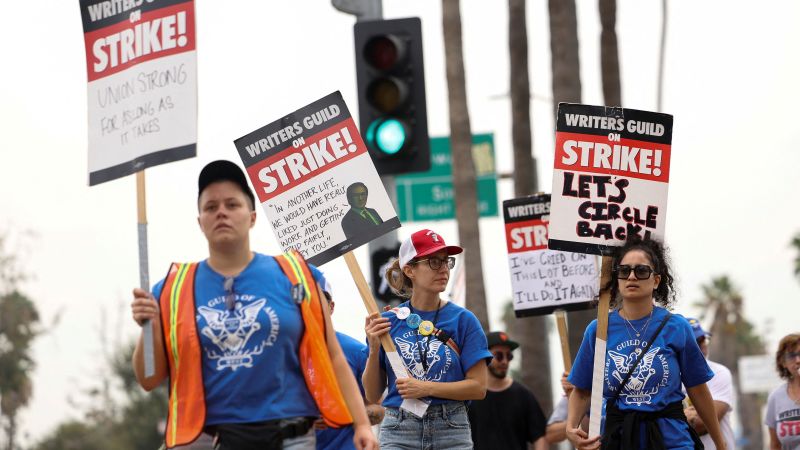
Hollywood writers and studios have reached a tentative agreement to end the strike that has frozen most productions since May, pending ratification by the Writers Guild of America. With government funding set to run out in six days, the leaders of a bipartisan House caucus are exploring options to avert a shutdown. US households can now order up to four free Covid-19 tests from the government. Post-tropical cyclone Ophelia continues to bring heavy rainfall to the mid-Atlantic. Russian strikes have caused significant damage to Ukraine's port city of Odesa, prompting Poland to prepare routes for Ukrainian grain to reach countries in need.
Health authorities are closely monitoring the spread of three new COVID-19 variants in the United States: EG.5, FL.1.5.1, and BA.2.86. EG.5 is currently the dominant strain, followed by FL.1.5.1. The highly mutated BA.2.86 variant is still relatively rare but has raised concerns due to its numerous mutations. Symptoms for these variants appear to be largely the same as previous strains, and COVID-19 tests are expected to work effectively against them. Vaccine makers anticipate that the upcoming COVID-19 booster shots will be effective against EG.5 and FL.1.5.1, but it remains uncertain if BA.2.86 could impact the effectiveness of the vaccines.
The FDA has recalled over 500,000 COVID-19 tests due to concerns of bacterial contamination. The recalled SD Biosensor, Inc. Pilot COVID-19 At-Home Tests were distributed by Roche Diagnostics, and the FDA has "significant concerns" with the test kit's liquid solution. The agency warns that direct contact with the solution could pose safety risks and compromise the test's accuracy. Consumers and healthcare providers should discard the recalled tests, and patients who took one of the recalled tests in the past two weeks should be retested with an FDA-approved test.
Abbott Laboratories' revenue and earnings beat Wall Street's expectations despite an 18.1% decrease in revenue from the same period last year, largely driven by a steep decline in global sales of its rapid Covid test. The company's medical devices business fueled the first-quarter beats, with sales of $3.9 billion, up nearly 9% from the same period last year. Abbott lowered its outlook for Covid-testing sales this year to $1.5 billion, down from the $2 billion it forecast in January.