
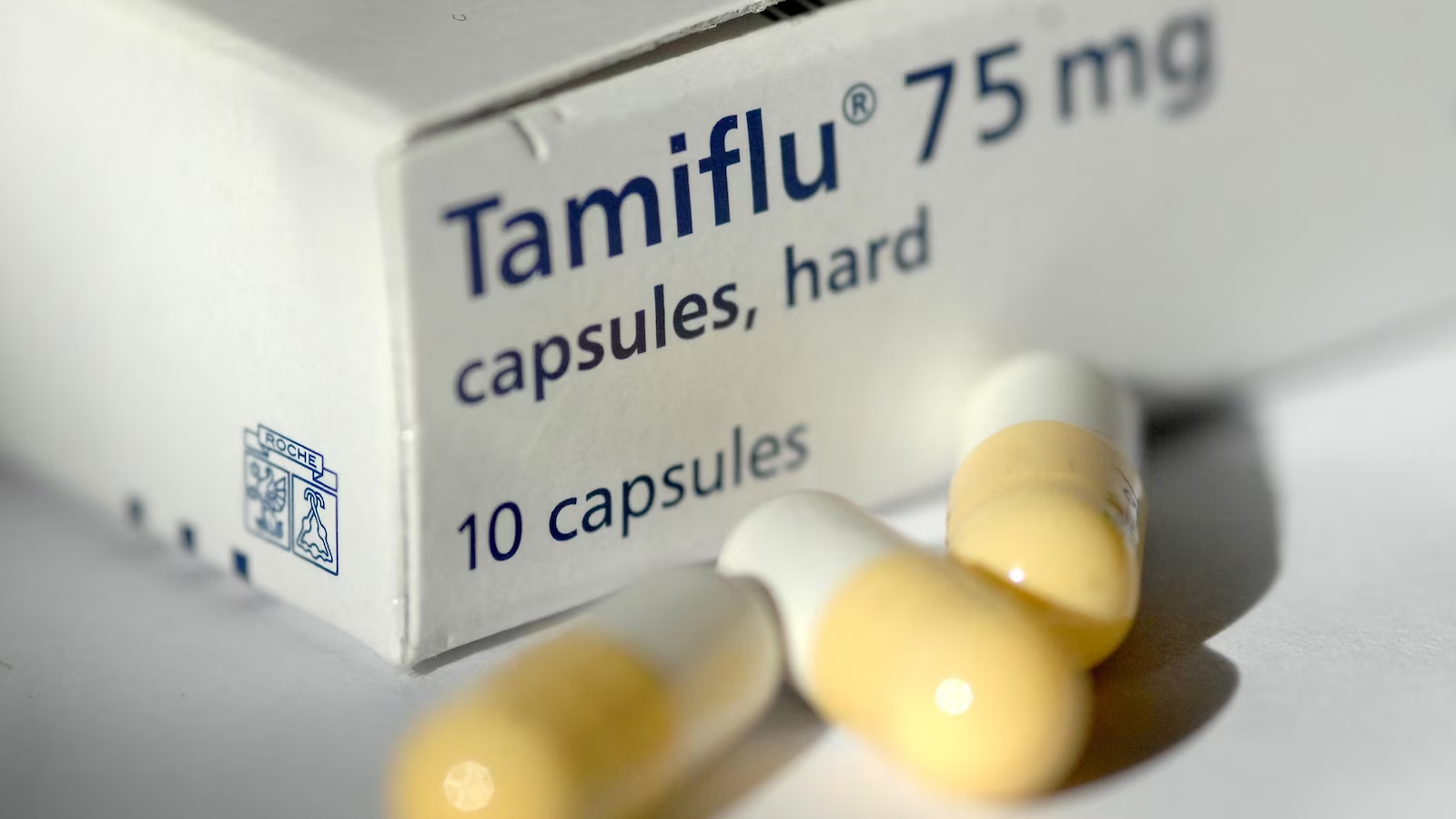
Flu cases are rising sharply in the US due to a new variant, with vaccines still being the best defense. Antiviral medications like Tamiflu, Relenza, Rapivab, and Xofluza are available for treatment, especially if started within 48 hours of symptoms. Testing, including at-home options, can guide treatment decisions, and some pharmacies offer test-to-treat programs. High-risk groups should seek early treatment to prevent severe illness.
As flu season approaches, at-home flu tests are becoming more popular. There are two options available: one that requires sending a nasal swab to a lab for analysis and another that provides results at home within 30 minutes. These new tests target the genetic material of the virus, making them more accurate than rapid antigen tests. However, the cost of these tests may be a deterrent for some, raising concerns about equity in testing. While getting a flu diagnosis is important, it doesn't necessarily have to be through at-home testing. Experts suggest that for many cases, visiting a doctor's office may be the most efficient option. Nonetheless, having pipelines in place for the development of new at-home test systems could be beneficial in handling future pandemics.