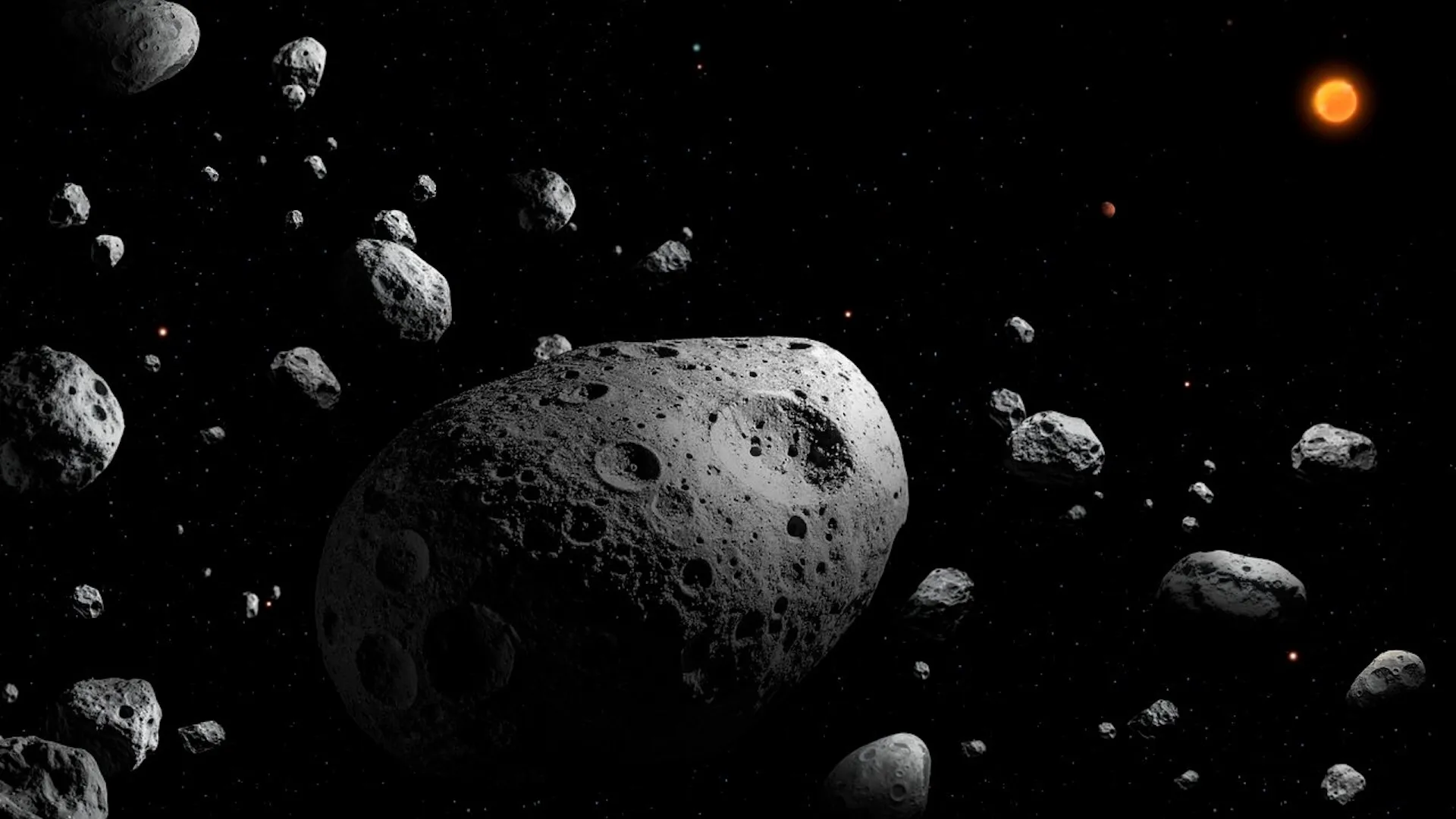
The world's largest camera has detected the fastest-spinning asteroid with a diameter of over 0.3 miles, highlighting advancements in space observation technology.
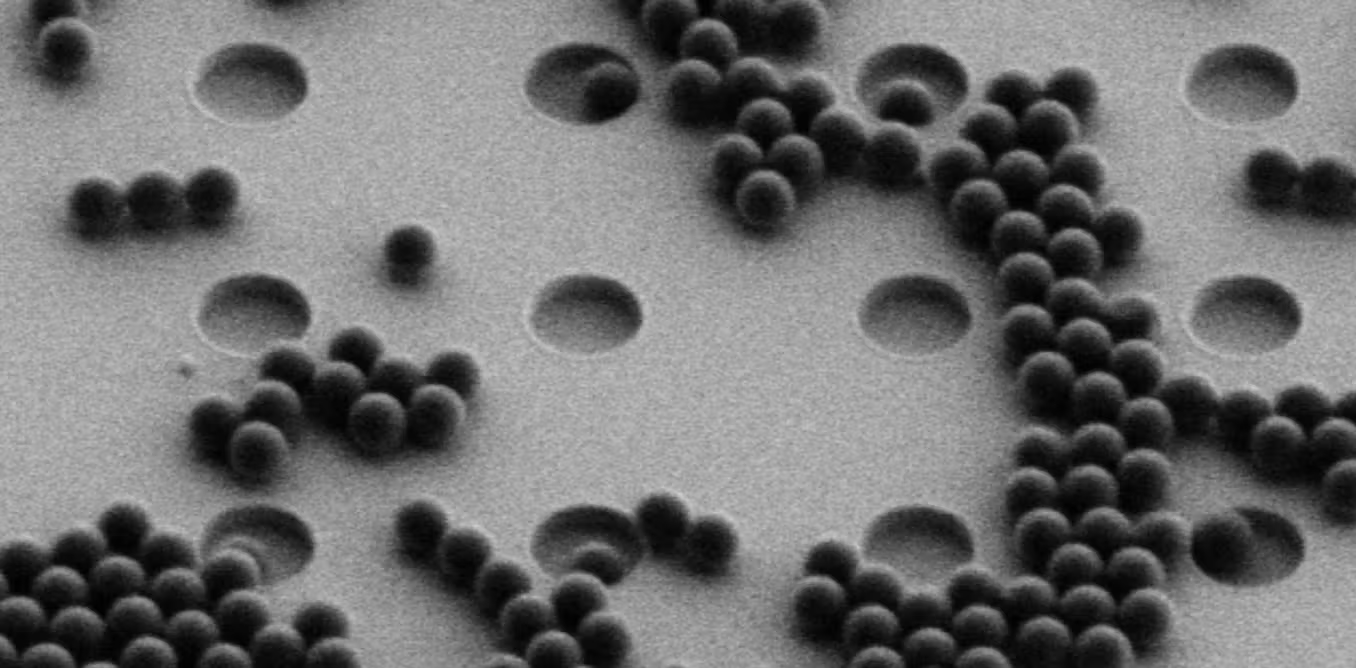
Researchers have developed a low-cost, portable optical sieve using a semiconductor material with tiny cavities that can detect and size nanoplastics as small as 200 nanometres in environmental samples, facilitating easier monitoring of plastic pollution and potential health impacts.
A small asteroid, temporarily named C0WEPC5, burned up in Earth's atmosphere over Siberia, creating a spectacular fireball. Detected just hours before impact by NASA's ATLAS and ESA's alert system, the event caused no damage. This marks the fourth imminent impactor detected this year, highlighting advancements in asteroid detection and tracking, crucial for identifying potential threats to Earth.
An asteroid was detected just two hours before it exploded over the Pacific Ocean, highlighting gaps in current detection systems. This marks the third 'imminent impactor' this year that was identified only hours before collision. The Asteroid Terrestrial-impact Last Alert System (ATLAS) in Hawaii, which scans for such threats, missed the asteroid due to its position near the edge of two viewing fields. Although the asteroid caused no harm, it underscores the need for improved detection and tracking capabilities to prevent potential future impacts over populated areas.
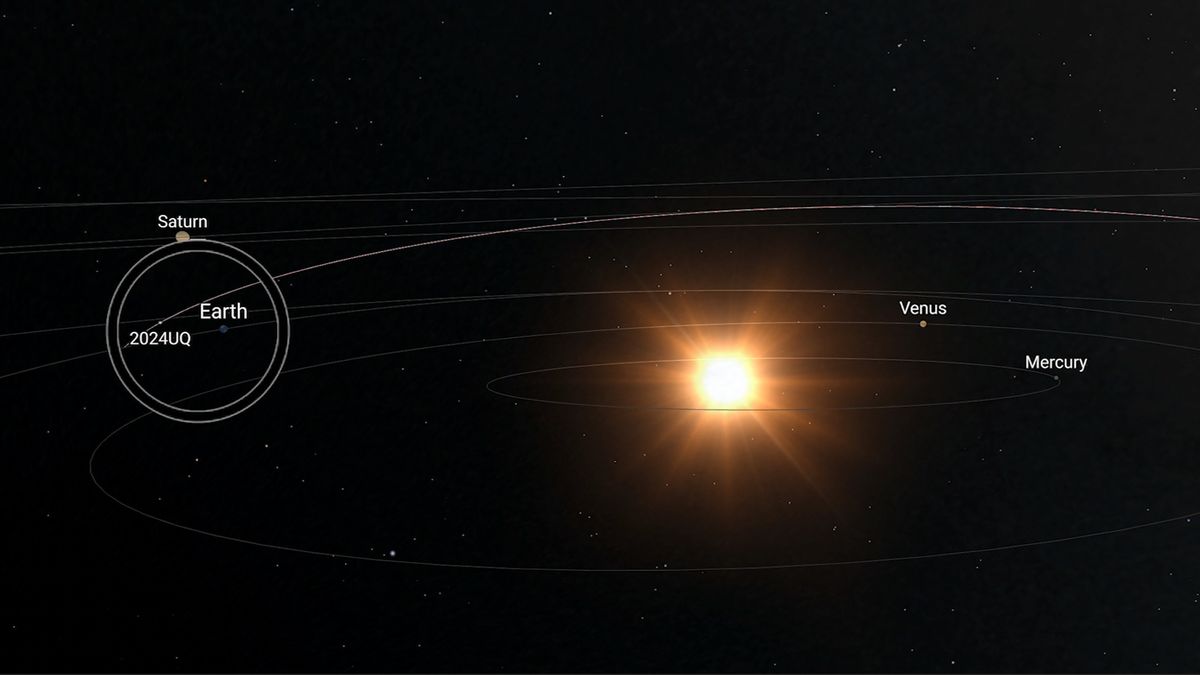
A small asteroid, 2024 UQ, struck Earth's atmosphere just hours after being detected, highlighting gaps in current impact monitoring systems. The 3-foot-wide asteroid was discovered by the Asteroid Terrestrial-impact Last Alert System in Hawaii only two hours before it disintegrated over the Pacific Ocean. This incident marks the third 'imminent impactor' of 2024, underscoring the need for improved early detection technologies to prevent potentially dangerous space rocks from going unnoticed.
An asteroid, 2024 UQ, impacted Earth's atmosphere just hours after being detected by the ATLAS survey in Hawaii, highlighting challenges in impact monitoring systems. The 3-foot-wide asteroid burned up over the Pacific Ocean, posing no threat. It was the third 'imminent impactor' of 2024, following similar events in Germany and the Philippines. Efforts to improve asteroid detection and deflection, such as NASA's DART mission and China's upcoming project, are ongoing to enhance planetary defense.
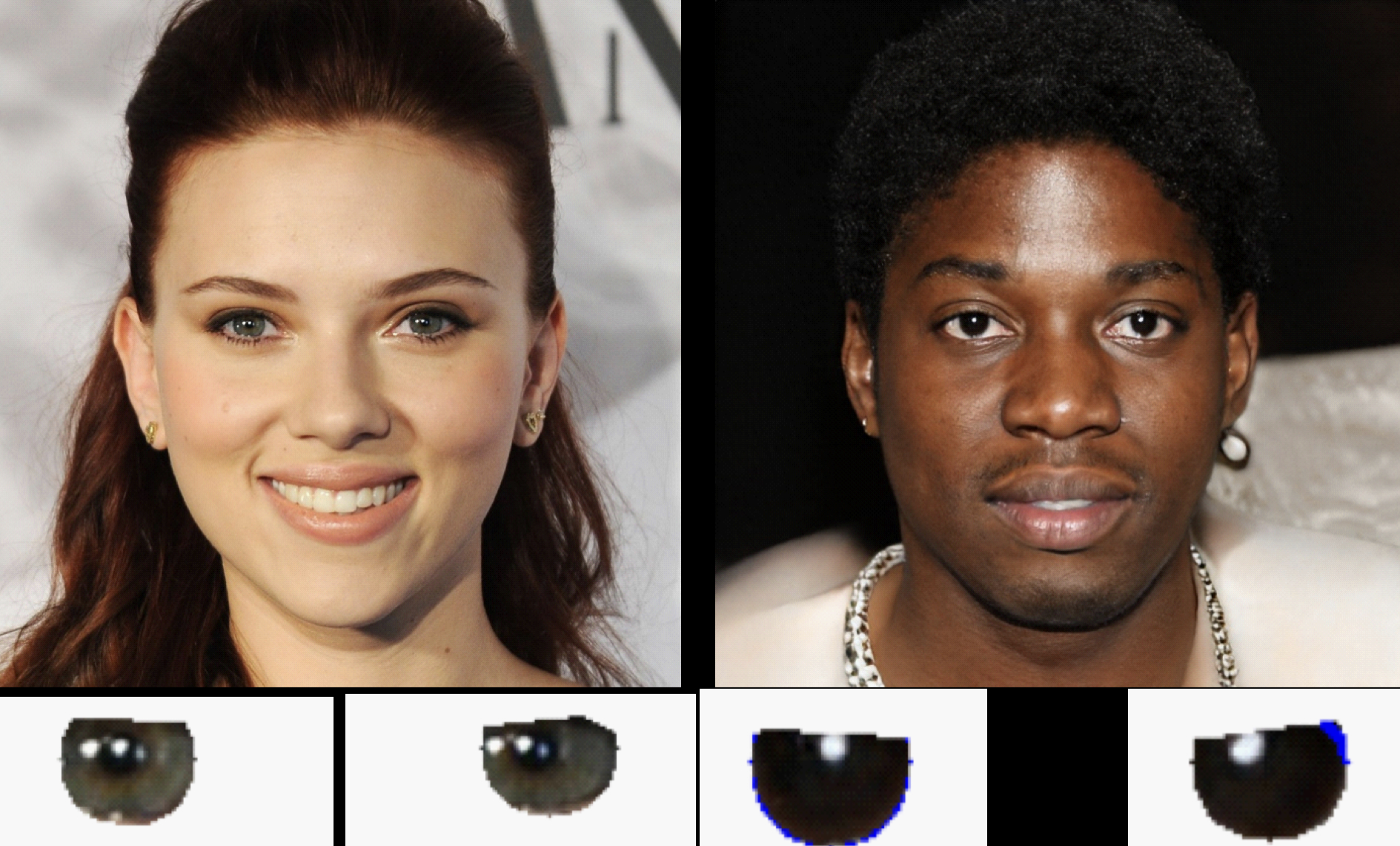
Researchers at the University of Hull have discovered that deepfakes can be identified by analyzing the reflections in a person's eyes, using methods similar to those employed in astronomy. Consistent reflections in both eyes indicate a real person, while inconsistencies suggest an AI-generated image. This technique, though not foolproof, offers a new approach in the ongoing effort to detect deepfakes.
A study has revealed that PSA tests for prostate cancer may fail to detect some aggressive forms of the disease, leading to potential misdiagnosis and delayed treatment. Researchers found that the commonly used PSA test missed over 15% of aggressive prostate cancers, particularly in men with high PSA levels. This highlights the limitations of the test and the need for improved methods to accurately detect and diagnose aggressive prostate cancer.
The Fast Radio Burst (FRB) source FRB 20121102A has been detected again with significantly smaller dispersion measure (DM) by the Five-hundred-meter Aperture Spherical radio Telescope (FAST). This periodic activity from FRB 20121102A provides valuable insights into the nature and behavior of repeating FRBs, shedding light on their emission mechanisms and the extreme environments they originate from. The detection highlights the importance of continued monitoring and study of FRBs to unravel the mysteries surrounding these cosmic phenomena.
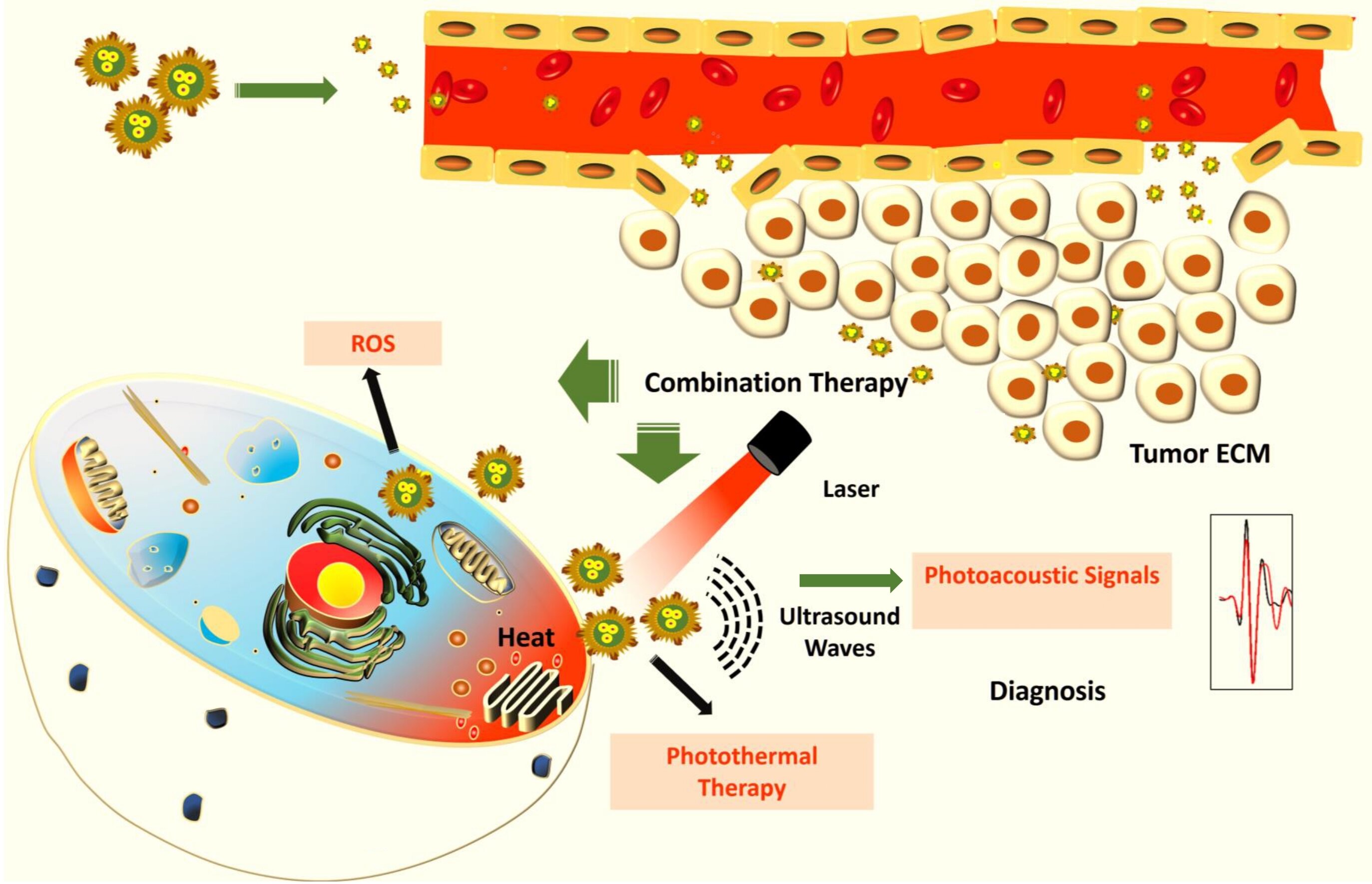
Scientists at the Indian Institute of Science have developed hybrid nanoparticles made of gold and copper sulfide that can potentially detect and kill cancer cells. These nanoparticles have photothermal and photoacoustic properties, allowing them to generate heat and ultrasound waves when exposed to light. The heat and singlet oxygen atoms produced by the nanoparticles can kill cancer cells, while the ultrasound waves can be used to detect cancer cells with high contrast. The small size of the nanoparticles enables them to travel inside tissues easily and potentially leave the body naturally. Further studies are needed to determine their safety for use in humans.
Merkel cell carcinoma, a rare and aggressive form of skin cancer, is often harder to detect than melanoma and can spread quickly to the lymph nodes. Unlike other types of skin cancer, there are no reliable markers or indicators for Merkel cell carcinoma. It typically appears as a small reddish or purple bump under the skin and is usually diagnosed through a biopsy. It tends to affect older individuals with sun exposure or weakened immune systems. Treatments for melanoma have shown effectiveness against Merkel cell carcinoma, but the cancer can reappear even after seemingly successful treatment. Early detection and prompt medical attention are crucial in managing this lesser-known form of skin cancer.
Threat actors are using Android Package (APK) files with unsupported compression methods to evade malware analysis. Over 3,300 artifacts have been found using this technique, with 71 samples able to be loaded onto the operating system without issues. These apps were likely distributed through untrusted app stores or social engineering tactics. The use of unsupported compression methods limits decompilation and analysis, making it difficult to detect and analyze the malware. Additionally, malware authors are deliberately corrupting APK files to trigger crashes on analysis tools. This discovery follows Google's recent revelation about threat actors using versioning to bypass malware detection on the Play Store.
British quantum physicists warn that time is running out to uncover the secrets of dark matter, as weakly interacting massive particles (Wimps) remain elusive. Dark matter, which makes up 85% of the universe's mass, does not interact with electromagnetic forces, making it difficult to detect. Scientists have inferred its existence through gravitational observations but are uncertain about its composition. Wimps are currently the leading hypothesis for dark matter.
Humans struggle to detect deepfake speech, with researchers finding that people can only differentiate between real and deepfake speech 73% of the time. The latest algorithms can recreate a person's voice using just a three-second clip, raising concerns about the potential for deepfake technology to be used for criminal activities. While there are methods to spot deepfakes, such as unnatural eye movement, facial expressions, and body posture, the sophistication of deepfake technology poses challenges for detection. Governments and organizations are urged to develop strategies to address the potential abuse of deepfake tools while recognizing the positive possibilities they offer.