Tag

Meteor Storms

All articles tagged with #meteor storms

"Stargazers Alert: Leonid Meteor Shower to Illuminate Weekend Skies"
astronomy2 years ago

"Stargazers Alert: Leonid Meteor Shower to Illuminate Weekend Skies"

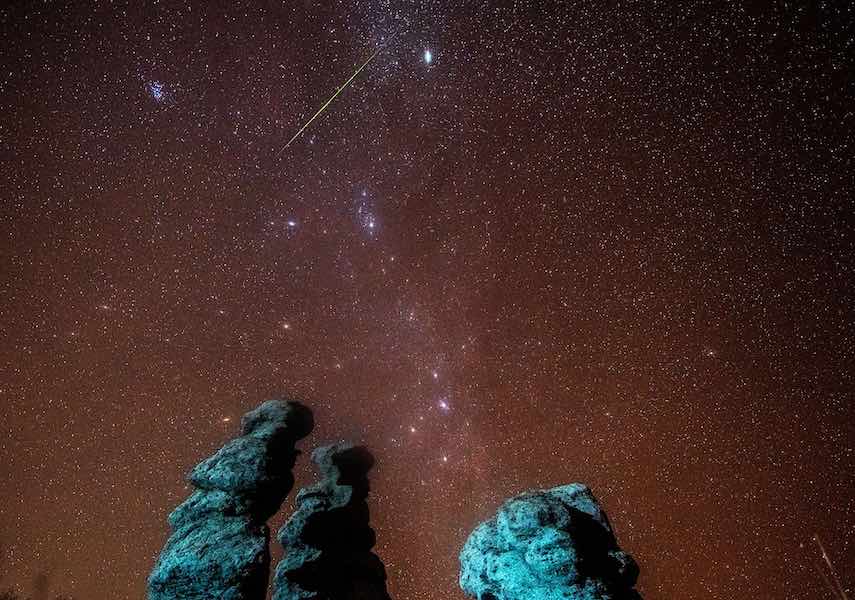
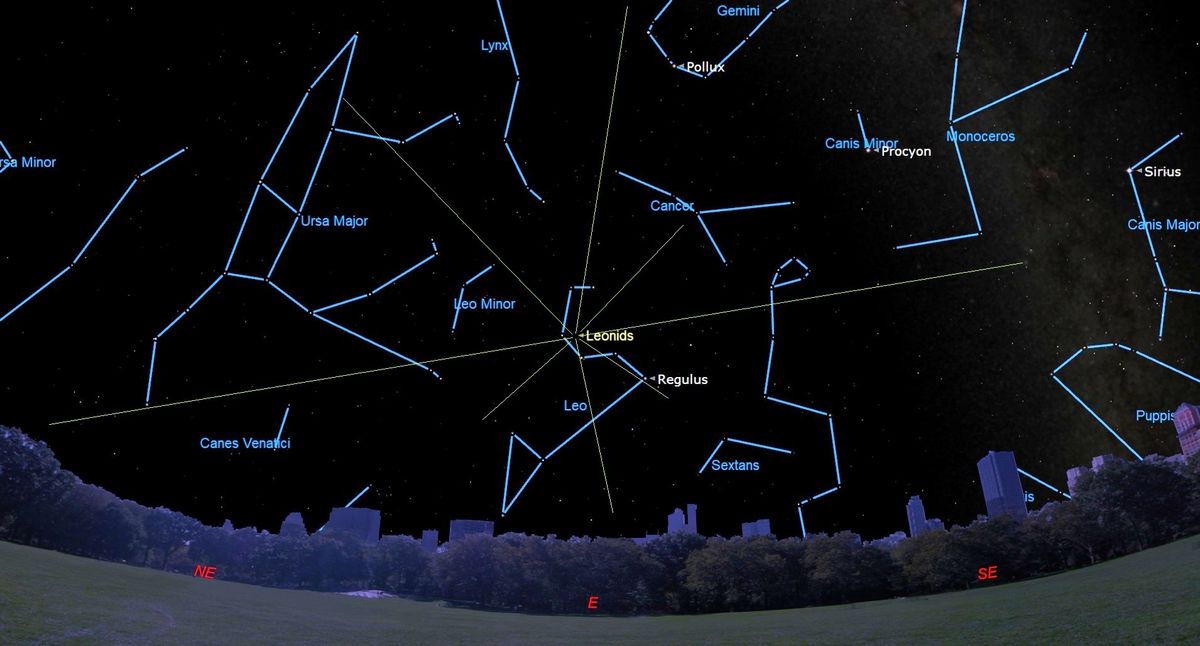
The Leonid meteor shower is set to peak this weekend, producing bright meteors with persistent trains streaking across the night sky. Sky-gazers can expect to see 10 to 15 meteors per hour in a dazzling display. The best time to view the shower is after midnight when the constellation Leo is highest in the sky. While meteor storms are not predicted for this year, there is always a chance to see more meteors than the predicted rate. To fully enjoy the meteor shower, it is recommended to get away from light pollution.

"Get Ready for the Spectacular Leonid Meteor Shower this Weekend"
astronomy2 years ago

"Get Ready for the Spectacular Leonid Meteor Shower this Weekend"

The Leonid meteor shower, known for its spectacular displays in the past, is expected to reach its peak on Saturday morning. However, this year's shower is predicted to be weak, with only 10 to 15 meteors per hour. To maximize your chances of seeing the meteors, find a dark, non-light polluted area and look towards the Leo constellation after midnight. The Leonids are caused by the periodic Comet Tempel-Tuttle, which leaves a trail of debris in its wake. While this year's shower may be underwhelming, future years are expected to bring more impressive displays.

Don't Miss the Spectacular Leonid Meteor Shower This Weekend!
astronomy2 years ago

Don't Miss the Spectacular Leonid Meteor Shower This Weekend!

The Leonid meteor shower, one of the fastest meteor showers, is set to peak on November 18. Viewers can expect to see around 10-15 meteors per hour in the early hours of Saturday morning. The shower occurs when Earth passes through the debris left behind by the comet Tempel-Tuttle. While not as impressive as the Taurid meteor shower, the Leonids still offer a beautiful show. Meteor storms, with an unprecedented number of comets, have been observed in the past, but they only occur roughly every 33 years. To get the best view, viewers should find a dark location away from city lights and give their eyes time to adjust.