Many Asian Americans experience the 'Asian glow,' a facial redness caused by enzyme deficiency when drinking alcohol, leading to emotional and social challenges, with some using remedies like pills or makeup to mitigate the effect.
Dr. Bryant Lin, a Stanford University physician and researcher, was diagnosed with stage four lung cancer despite never smoking. His diagnosis highlights a troubling trend of lung cancer in young non-smokers, particularly among Asian Americans. Lin's cancer is linked to an EGFR gene mutation, common in Asian patients, which accelerates cancer growth. He now uses his experience to teach a Stanford class on cancer treatment and empathy. Despite the challenges, Lin remains hopeful, relying on targeted therapies like Osimertinib, though resistance to treatment is a concern.
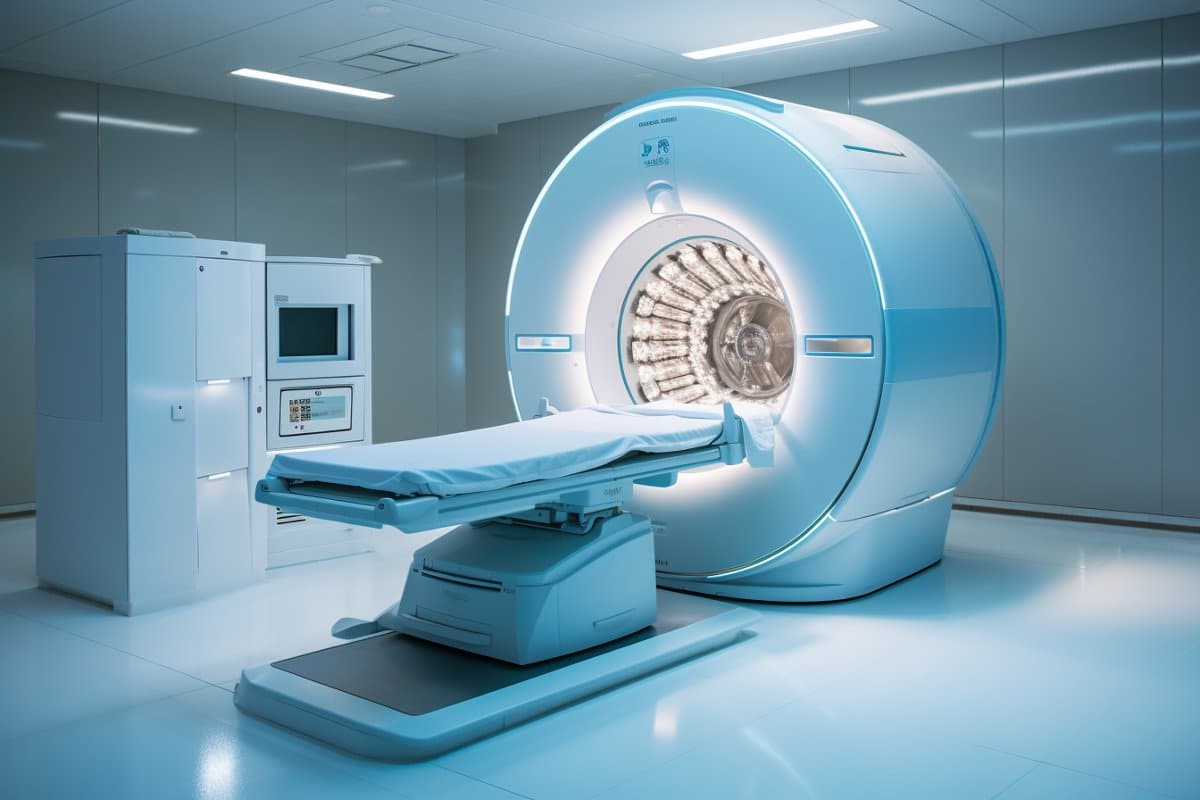
A study led by Rutgers Health finds that Asian Americans, particularly South and East Asian older adults, are less likely than their white counterparts to participate in health research involving MRI brain scans. The findings highlight the need for culturally sensitive approaches to encourage participation and improve representation in health studies, as addressing these hesitancies could lead to more inclusive research outcomes and better understanding of health issues affecting diverse populations.
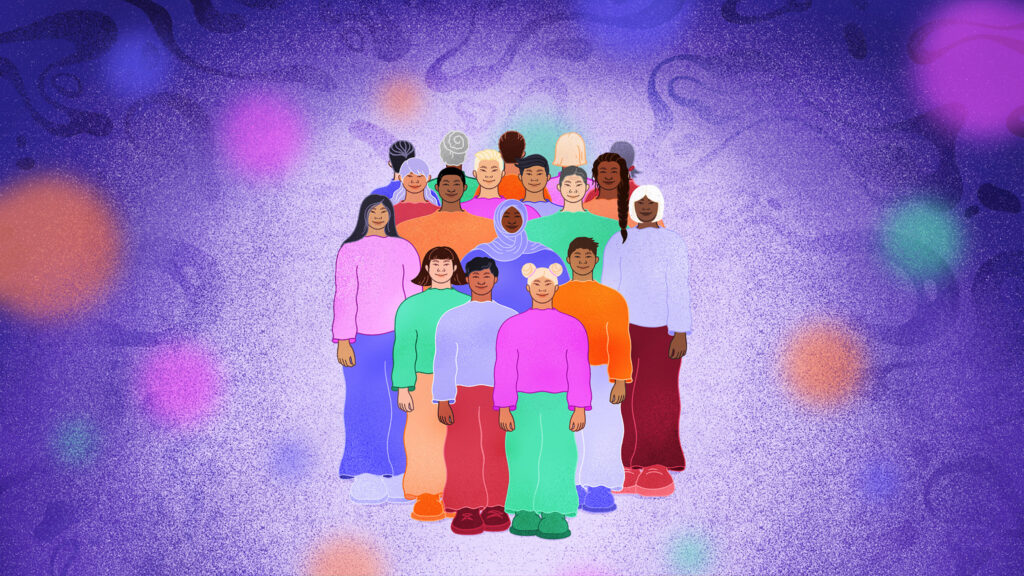
The broad categorization of "Asian American" in medical research and public health in the United States obscures significant health disparities among different Asian subgroups. Despite having diverse cultural, linguistic, and genetic backgrounds, over 25 million Americans of Asian ancestry are grouped together, leading to the misconception that they are doing well in terms of income, education, and health outcomes. However, disaggregated data reveals disparities, such as higher rates of liver cancer among Laotian Americans and cervical cancer among Hmong women. The lack of data equity hinders efforts to address health disparities and provide targeted interventions. Calls for disaggregating data and improving data collection methods are gaining momentum, but more work is needed to ensure accurate representation and address systemic racism in healthcare.
Asian Americans have the highest exposure to PFAS (per- and polyfluoroalkyl substances), also known as "toxic forever" chemicals, compared to other ethnic or racial groups in the United States, according to a study led by researchers at Mount Sinai. The study used advanced methods to estimate a person's total exposure burden to PFAS and found that Asian Americans had significantly higher exposure than non-Hispanic whites. The research highlights the need for biomonitoring and risk assessment to consider the complex exposure sources of different groups of people and suggests that exposure sources such as diet and occupation may contribute to the disparities in PFAS exposure burden.
A study using a novel method for measuring PFAS exposure has found that Asian Americans likely have significantly higher levels of "forever chemicals" in their blood compared to other racial and ethnic groups in the US. The research, which factored in sociodemographic, dietary, and behavioral characteristics, revealed that the median level of PFAS was 88% higher for Asian Americans than non-Hispanic whites. The study highlights the need to consider exposure differences among cultures to ensure fairness in quantifying people's cumulative PFAS burden. PFAS have been linked to various serious health problems, and the findings underscore the importance of addressing health disparities and reducing PFAS exposure in vulnerable communities.
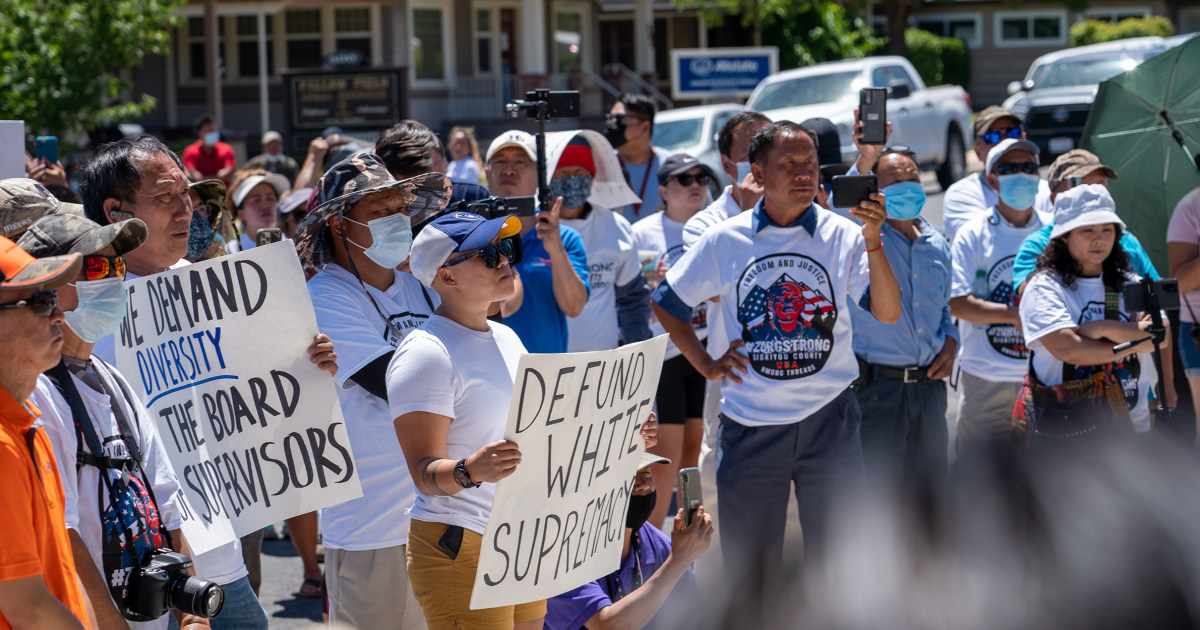
The Siskiyou County Board of Supervisors in California has repealed water ordinances that Asian American activists and community members argued targeted their community and led to discrimination and restrictions on human rights. The ordinances, which were initially passed to curb illegal cannabis farming, were accused of being disproportionately enforced in Asian American areas, leading to racial profiling. The repeal is seen as a victory for the Asian American residents in the community, who have faced years of clashes with local authorities. A class-action lawsuit accusing the county of large-scale harassment of Hmong residents is currently in settlement negotiations.
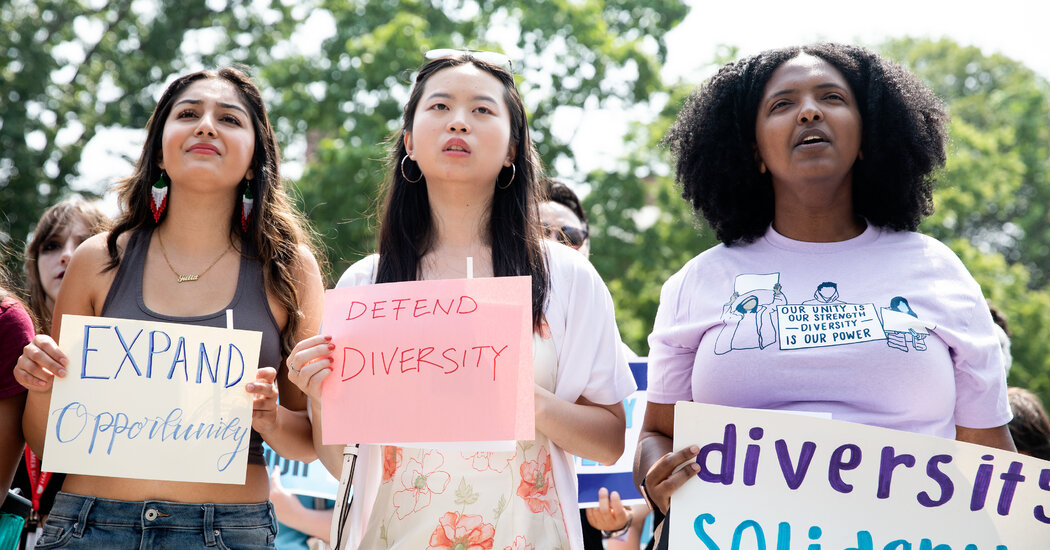
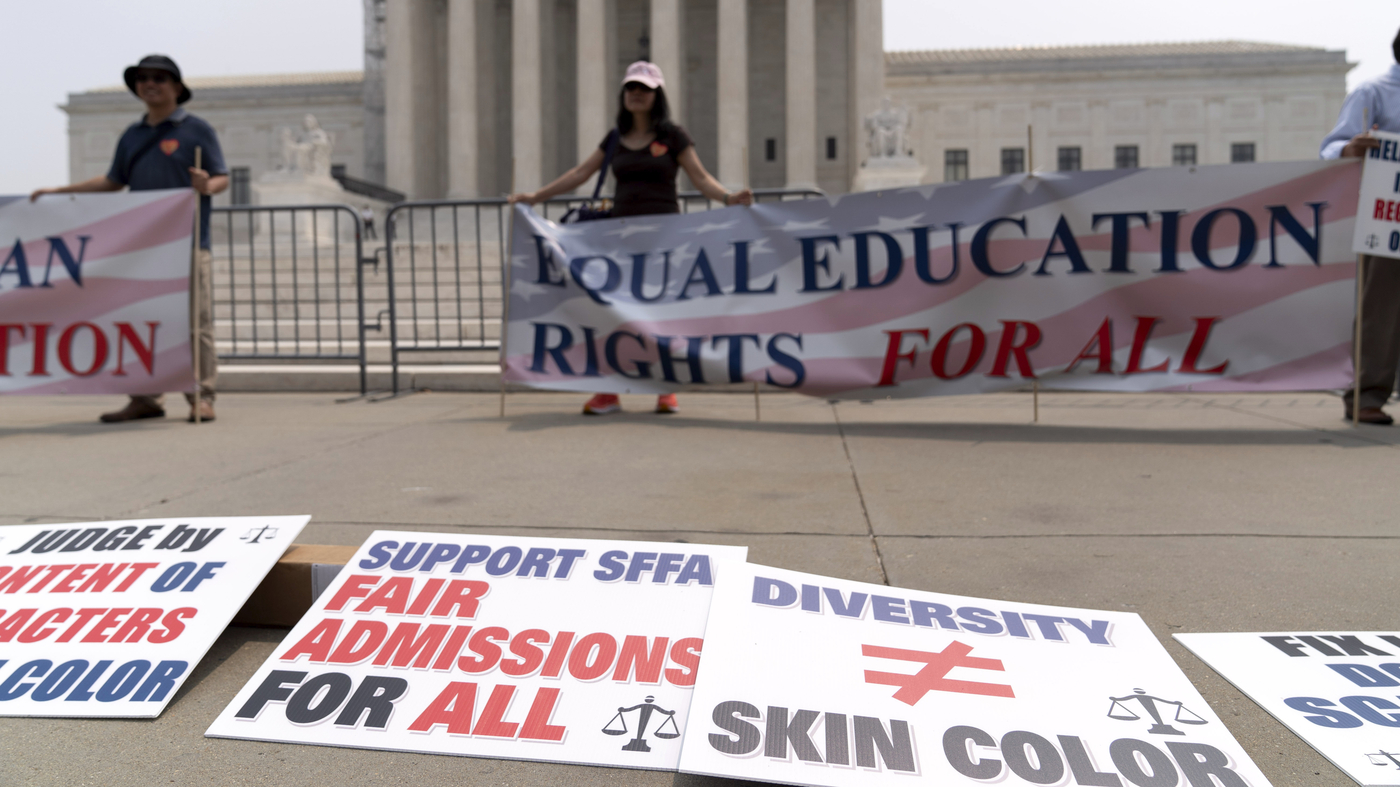
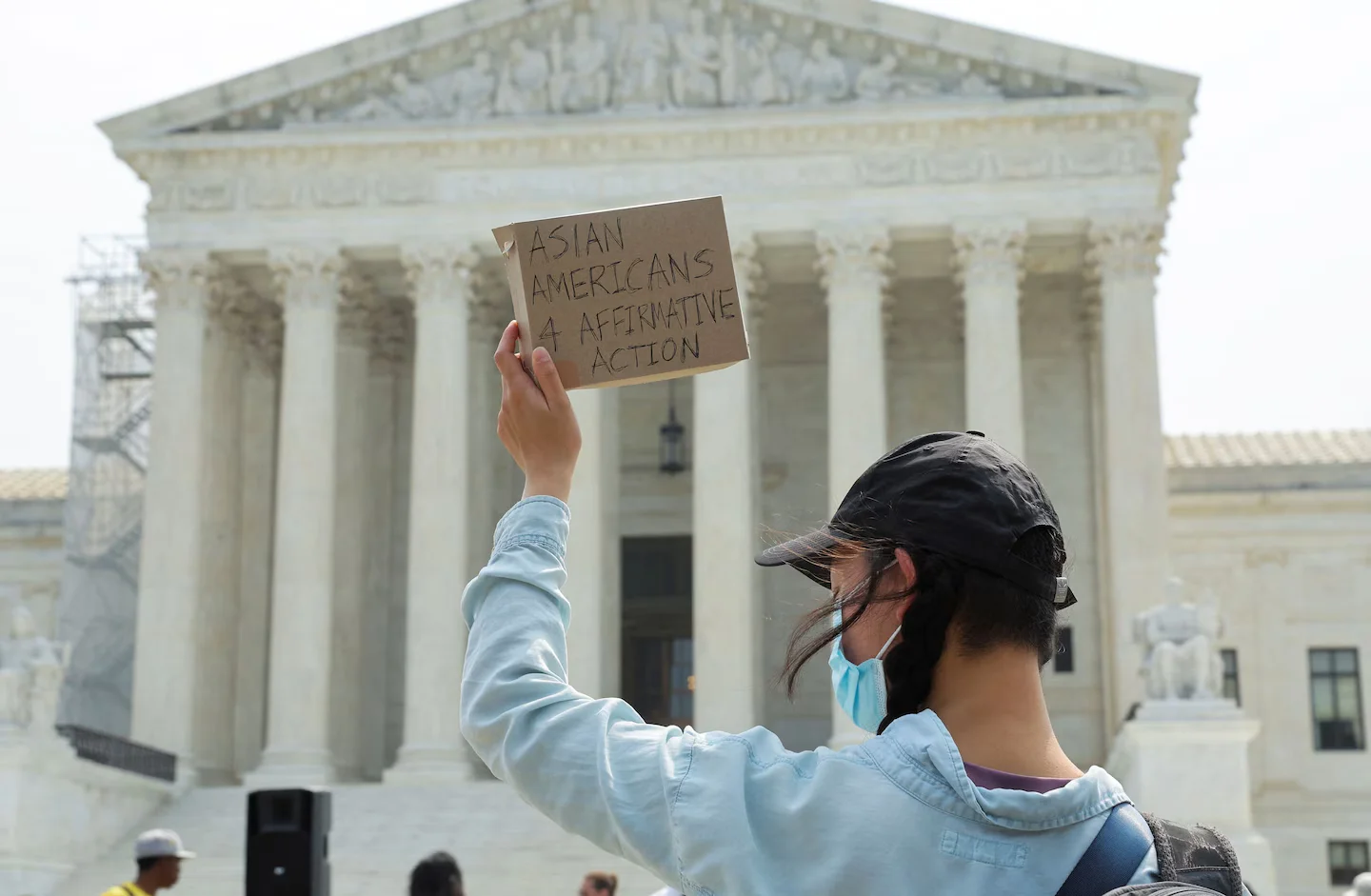
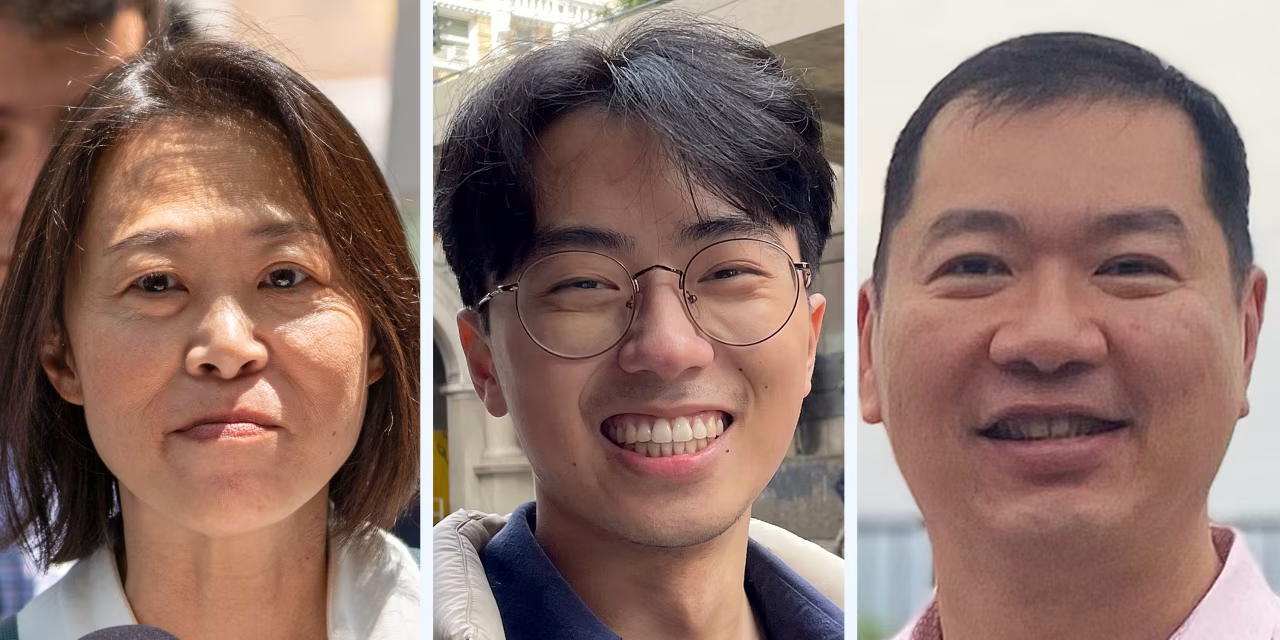
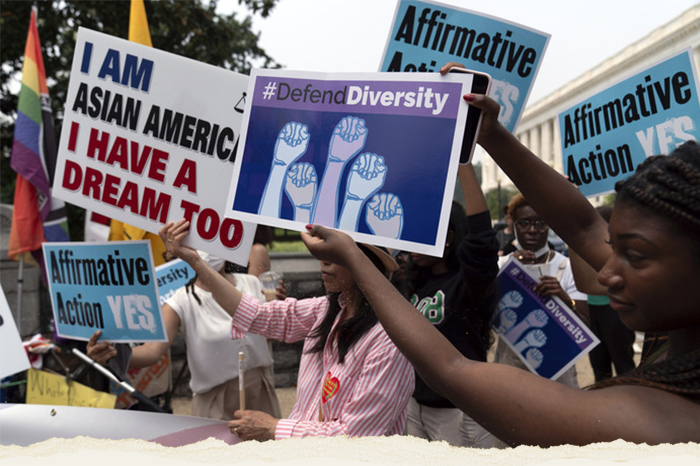
Asian American students express mixed feelings following the Supreme Court's decision against affirmative action in college admissions. While some hope the ruling will create a more level playing field, others believe it will not address the fairness of the admissions process. The decision has sparked conversations about racial stereotyping and the impact on Asian American applicants. Opinions within the Asian American community on affirmative action vary, with some supporting standardized tests and merit-based admissions, while others advocate for finding a win-win solution. Concerns remain about the burden of writing personal essays and the potential stigma associated with affirmative action.
The conservative activist Edward Blum strategically shifted the narrative around affirmative action by using Asian Americans as proxies for white students, pitting them against Black and Latino communities. Blum's efforts culminated in a recent Supreme Court ruling that struck down affirmative action in college admissions. However, research shows that affirmative action is not the source of anti-Asian discrimination, and Asian Americans have historically faced discrimination in American education. The myth that affirmative action harms Asian Americans creates a deliberate racial divide between communities of color and undermines the accomplishments of Black and Latinx students.
The recent Supreme Court ruling against affirmative action in college admissions has sparked a divide within the Asian American community. While some Asian Americans view the decision as a victory, arguing that race-conscious admissions discriminate against them, others believe that affirmative action benefits marginalized Asian American students, such as refugees and their descendants. Critics of the ruling argue that without race-conscious admissions, less-well-off Asian Americans may be overlooked due to factors like limited resources and lack of access to college preparatory resources. They also emphasize the importance of diversity for all students. The ruling has exposed the complexities and economic disparities within the Asian American community, challenging the "model minority" stereotype.
Asian-Americans have expressed mixed opinions on the recent affirmative-action ruling, which upheld the use of race as a factor in college admissions. While some believe it is necessary to address historical disadvantages faced by underrepresented groups, others argue that it perpetuates discrimination against Asian-American applicants. The ruling has sparked a broader debate about fairness in higher education admissions.
The Supreme Court's recent ruling to strike down race-conscious admissions policies in college admissions has sparked mixed reactions within the Asian American and Pacific Islander community. While some express concerns about being scapegoats for the fall of affirmative action, others celebrate the decision, pointing to Asian American plaintiffs who blame such policies for their rejection from elite universities. The ruling has ignited debates about the impact on Asian Americans, the future of education, and potential legal battles. Critics argue that the majority opinion oversimplifies the issue, while others fear a drop in Black and Latino enrollment at elite institutions and potential challenges to minority-targeted scholarships and affinity groups. The ruling raises existential questions about Asian Americans' role in promoting equal education opportunities for all.
Asian Americans and Pacific Islanders have higher rates of diabetes than whites, and are prone to developing Type 2 diabetes at younger ages and lower body weights than the general U.S. population. Among Asian subgroups, the risk of diabetes is especially high among South Asians, Filipinos and Pacific Islanders. A group of Asian American researchers are trying to figure out why – and design programs like this to bring down the rates. They're digging for root causes and better solutions while pushing for their communities to make healthier adjustments now.
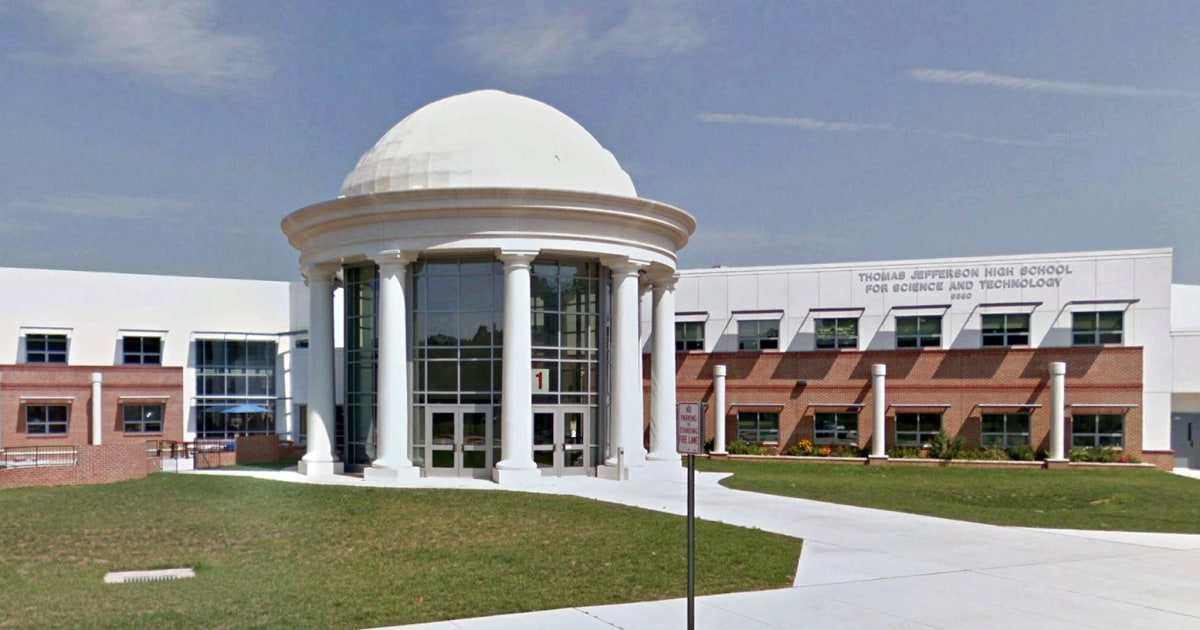
A federal appeals court has upheld the constitutionality of a new admissions policy at an elite public high school in Virginia, which critics say discriminates against highly qualified Asian Americans. The ruling overturns a previous decision that found the Fairfax County School Board engaged in impermissible "racial balancing" when it overhauled the admissions policy at the Thomas Jefferson High School for Science and Technology. The new policy aims to increase diversity at the school, and while Asian American representation decreased, Black and Hispanic representation increased.
A federal appeals court has upheld the constitutionality of a new admissions policy at an elite public high school in Virginia, which critics say discriminates against highly qualified Asian Americans. The ruling overturns a decision from a federal judge who found that the Fairfax County School Board engaged in impermissible “racial balancing” when it overhauled the admissions policy at the Thomas Jefferson High School for Science and Technology. The school board had a legitimate interest in increasing diversity at the school, and twisting those efforts to call it discrimination against Asian Americans “simply runs counter to common sense,” the majority opinion said. The Pacific Legal Foundation, which filed the lawsuit on behalf of a group of current, former and prospective TJ parents, said it will seek to have the case heard by the Supreme Court.