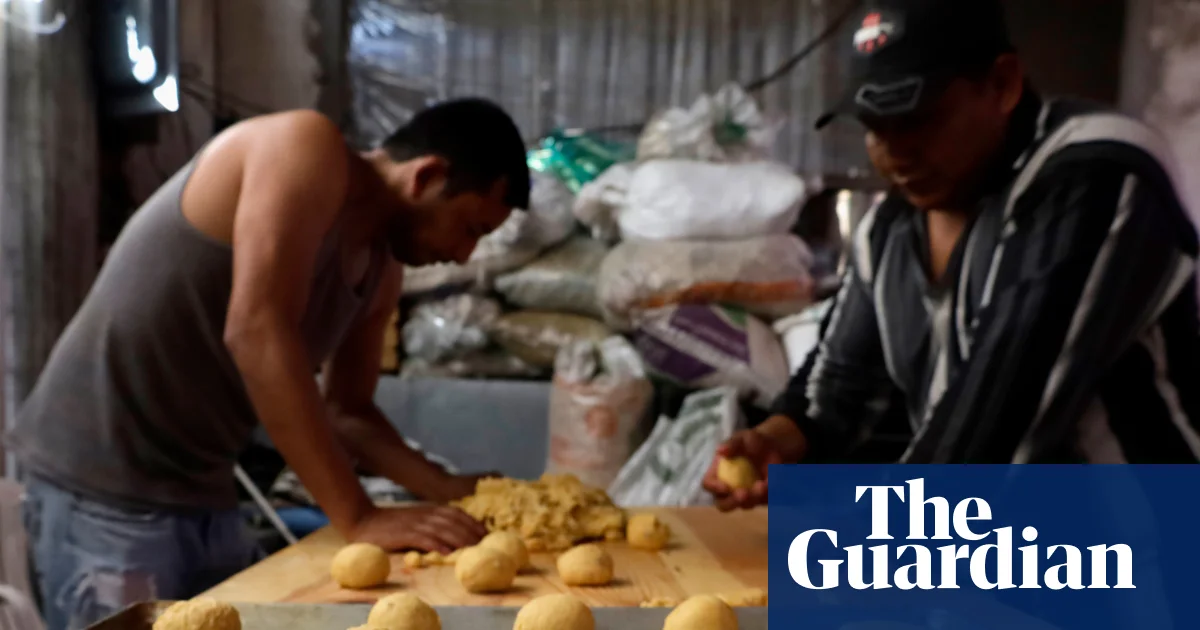
British Baker Sparks Controversy with Criticism of Mexican Bread
A British baker in Mexico sparked outrage by criticizing Mexican bread and wheat quality, prompting apologies and highlighting the country's deep bread traditions and cultural pride.

All articles tagged with #cultural sensitivity
A British baker in Mexico sparked outrage by criticizing Mexican bread and wheat quality, prompting apologies and highlighting the country's deep bread traditions and cultural pride.
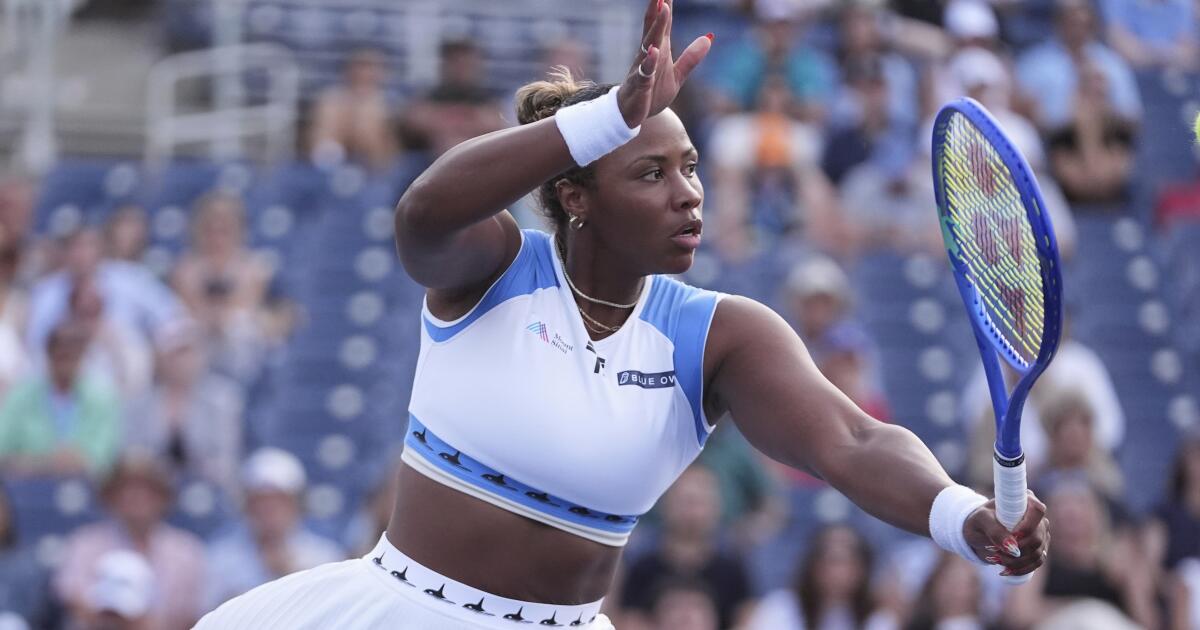
U.S. tennis player Taylor Townsend faced backlash after criticizing Chinese dishes during the Billie Jean King Cup Finals, leading her to apologize publicly for her comments and acknowledge her cultural insensitivity.
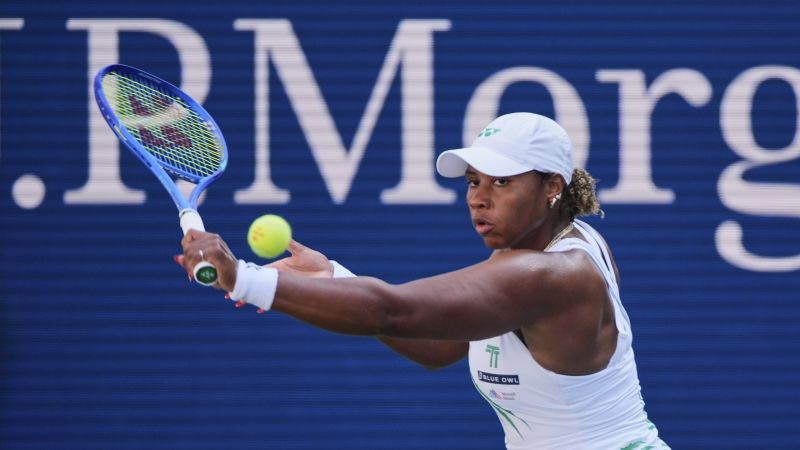
American tennis player Taylor Townsend apologized after making negative comments about traditional Chinese dishes like turtle and bullfrog on Instagram, which sparked criticism on Chinese social media. She acknowledged her mistake, expressed respect for cultural differences, and committed to doing better. The incident follows her recent heated exchange at the US Open and her participation in the Billie Jean King Cup Finals.
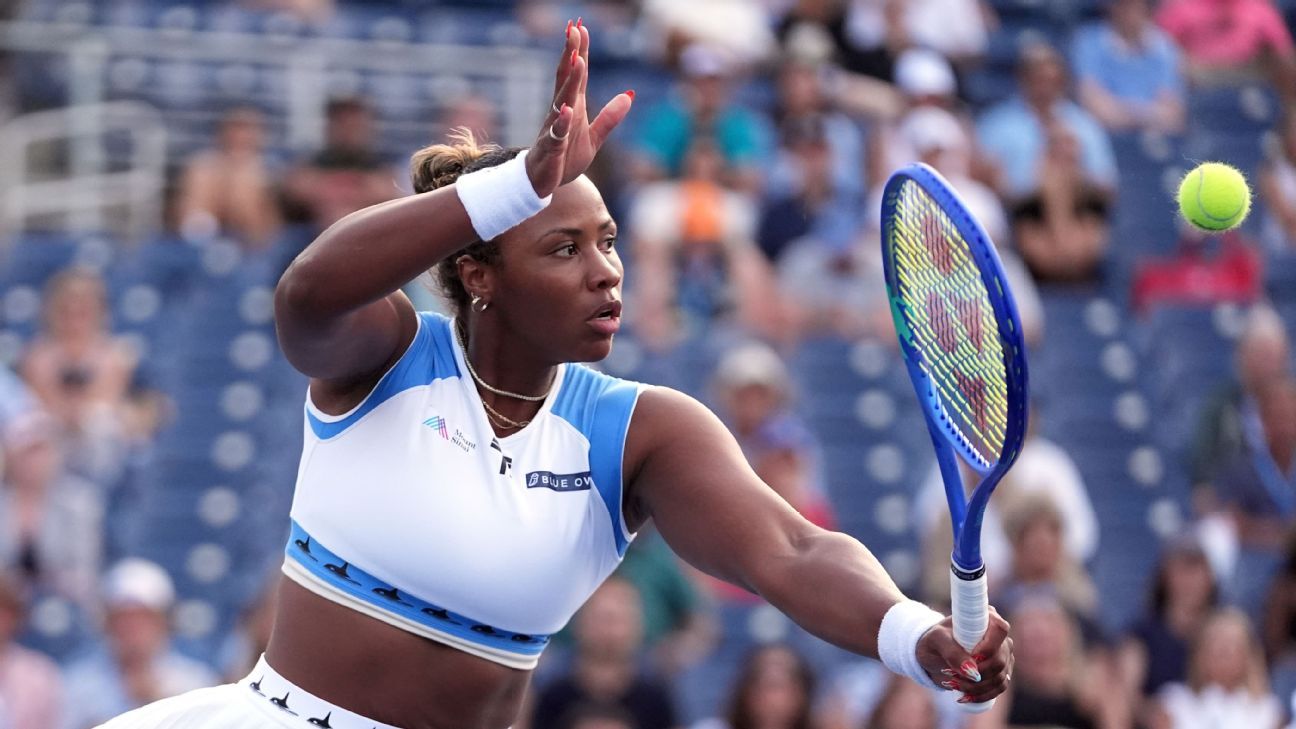
American tennis star Taylor Townsend apologized after making disparaging comments about Chinese food on social media during the Billie Jean King Cup Finals in Shenzhen, China, acknowledging her mistake and expressing her appreciation for cultural experiences.
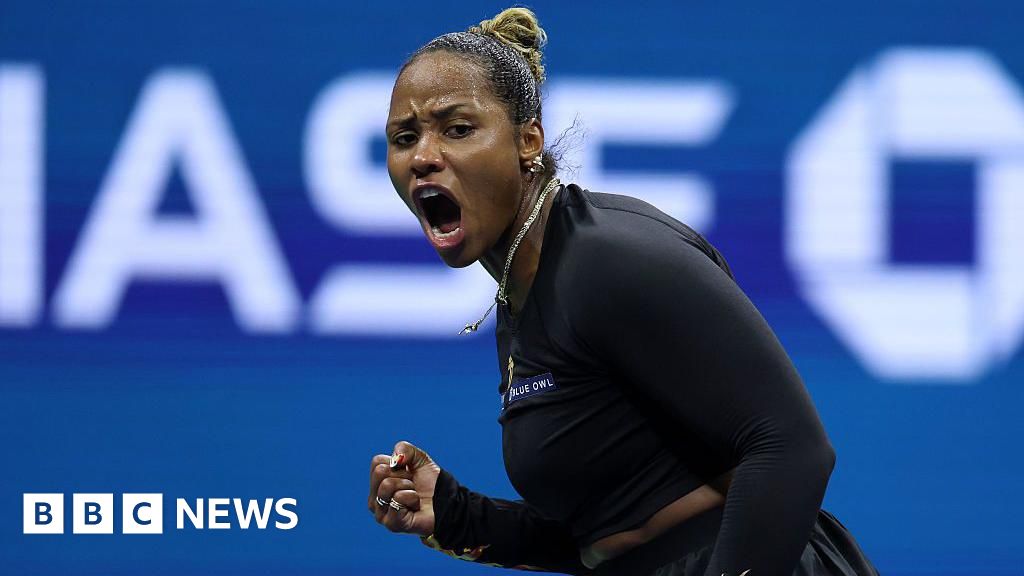
American tennis player Taylor Townsend apologized after facing backlash for making offensive comments about Chinese delicacies on social media, highlighting issues of cultural sensitivity during her stay in Shenzhen for the Billie Jean King Cup Finals.
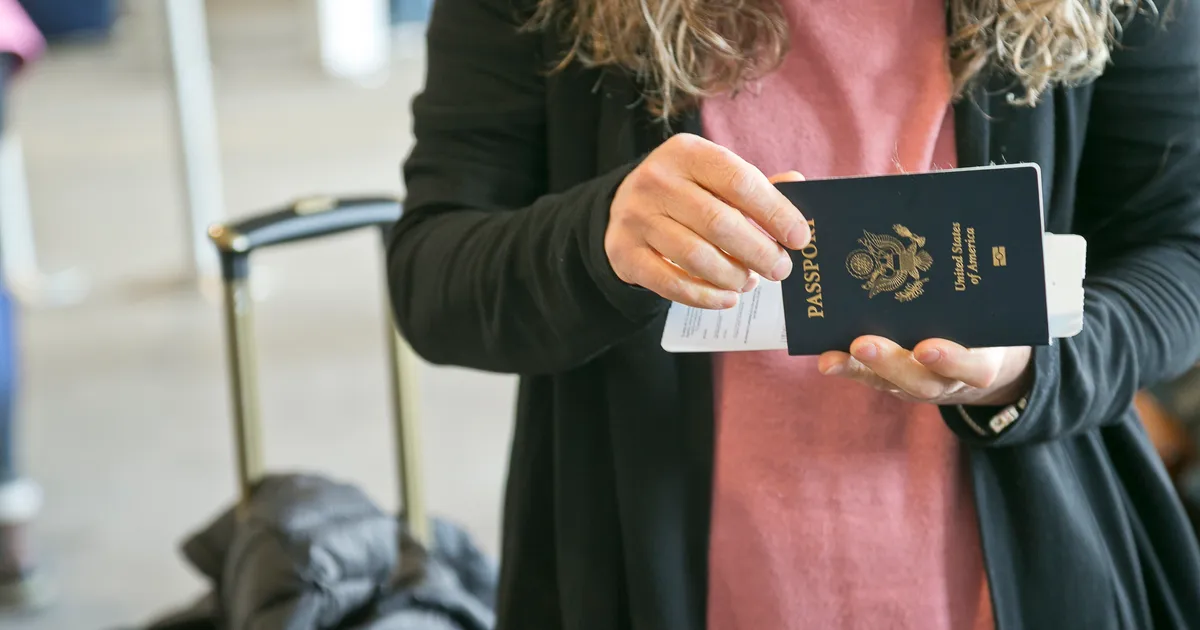
The article discusses how American travelers are feeling increasingly uncomfortable revealing their nationality abroad due to political tensions, especially following the 2024 election and Trump's policies. It offers advice on how to navigate conversations about nationality and politics politely, emphasizing honesty, discretion, and focusing on shared experiences or cultural interests to maintain respectful interactions while abroad.

Brands like American Eagle, Swatch, and others are facing backlash for insensitive advertising, highlighting a shift from outdated corporate playbooks to a need for genuine cultural understanding and empathy. While controversy can boost visibility, companies must balance attention-grabbing tactics with authentic connection to avoid alienating consumers and damaging their reputation.

Kroger's Juneteenth-themed cakes went viral on social media for their poor decoration quality, sparking criticism and controversy, prompting the company to address the issue and remove the products, amid broader discussions on cultural sensitivity in retail.
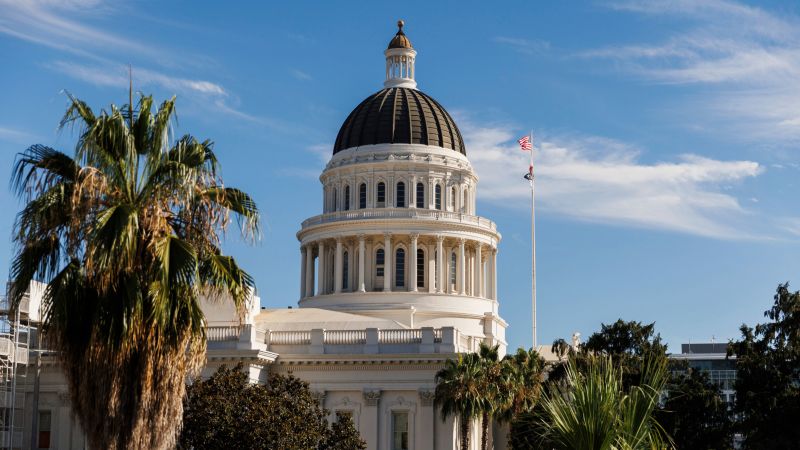
California is removing the derogatory term "squaw" from over 100 place names across 15 counties, following a 2022 law signed by Governor Gavin Newsom. This initiative, part of a broader national effort, aims to replace offensive geographic names by January 1, 2025, in consultation with Native American tribes. The move is seen as a significant step towards rectifying historical wrongs against Native American communities, which constitute 1.7% of California's population.

California will remove the derogatory term "squaw" from over 30 geographic features by 2025, following a 2022 bill signed by Governor Gavin Newsom. This initiative is part of a broader effort to eliminate offensive place names, reflecting a commitment to cultural sensitivity and inclusivity. The term, historically used as a slur against Native American women, has been targeted for removal across the U.S., with federal actions already underway. Local governments must rename affected sites, or a state commission will recommend alternatives.

A parent is concerned about their twins' pre-k Thanksgiving program, which involves dressing as pilgrims, a portrayal they find historically inaccurate and offensive. After discussing the issue with the principal, the parent fears their children may be excluded from the event. Another parent suggested starting a petition, but the concerned parent is unsure whether to continue fighting or avoid the event altogether to prevent their children from being singled out.

Celebrity chef Jamie Oliver's children's book, "Billy and the Epic Escape," is being pulled from shelves after criticism from an Australian education group for its portrayal of Indigenous Australians. The National Aboriginal and Torres Strait Islander Education Corporation condemned the book for perpetuating harmful stereotypes and trivializing historical trauma. Oliver apologized for the offense caused, and Penguin Random House UK is withdrawing the book, acknowledging a failure in editorial oversight.

Jamie Oliver's children's book "Billy And The Epic Escape" has been withdrawn from sale following criticism from Indigenous Australians for perpetuating stereotypes and failing to consult with Indigenous communities. Oliver apologized for the offense caused, and the publisher, Penguin Random House, acknowledged the oversight in their publishing standards.
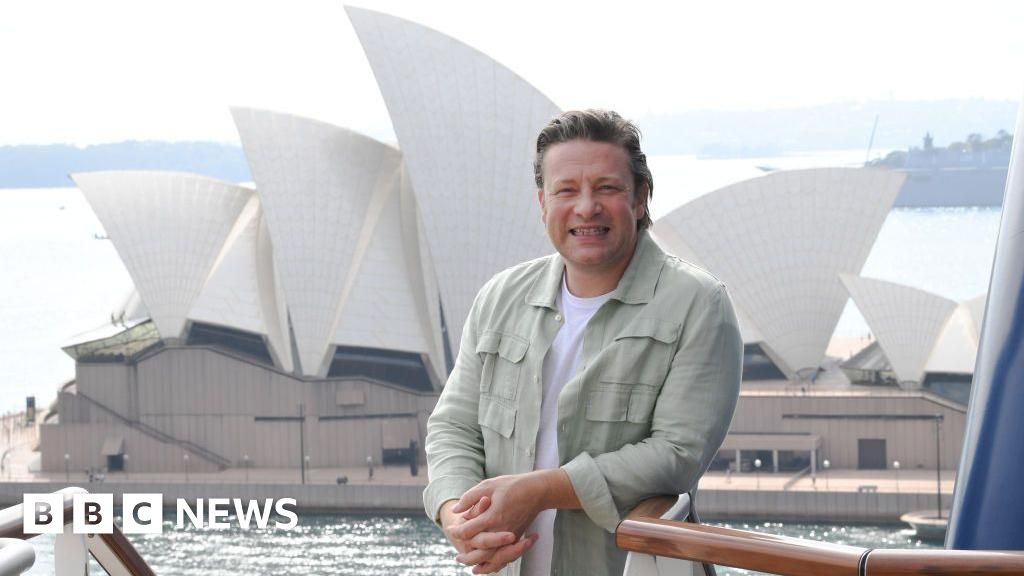
Jamie Oliver has withdrawn his children's book 'Billy and the Epic Escape' after criticism for stereotyping Indigenous Australians. The book, featuring an Aboriginal girl with mystical powers, was deemed offensive by First Nations leaders for its language errors and portrayal of Indigenous cultures. Oliver apologized, stating it was not his intention to misinterpret the issue. Penguin Random House UK acknowledged an editorial oversight in not consulting Indigenous Australians, leading to the book's global withdrawal.
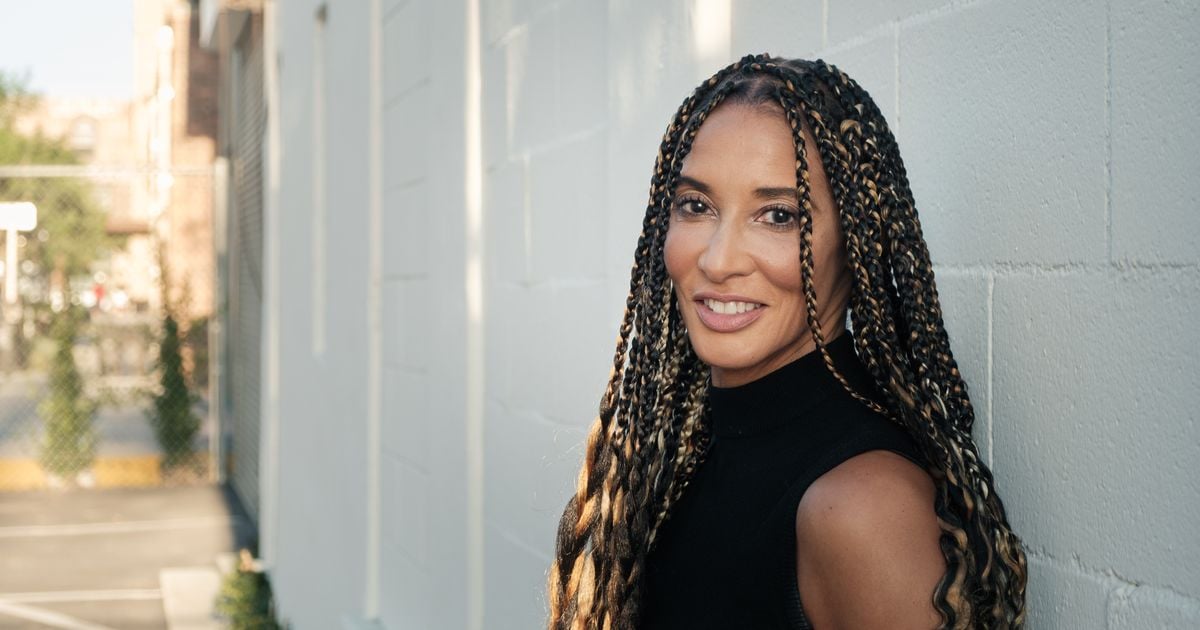
The author recounts how a cringeworthy conversation with her white friend Kim, who marveled at attending a Black wedding, changed their relationship forever. This incident highlights the challenges and nuances of interracial friendships, where Black individuals often navigate white spaces and cultural misunderstandings. The author contrasts this with her more balanced and respectful relationships with other white friends and her white boyfriend, emphasizing the importance of mutual cultural appreciation and effort in maintaining true interracial friendships.