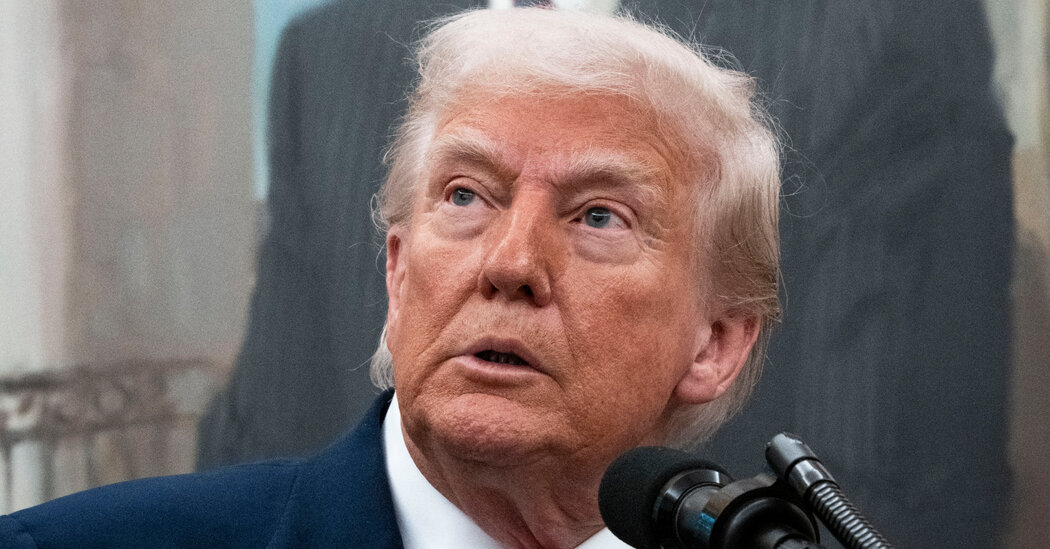
President Trump suggested Harvard should limit international student admissions to around 15% to prioritize American students, amid ongoing disputes over immigration policies and visa restrictions affecting foreign students.
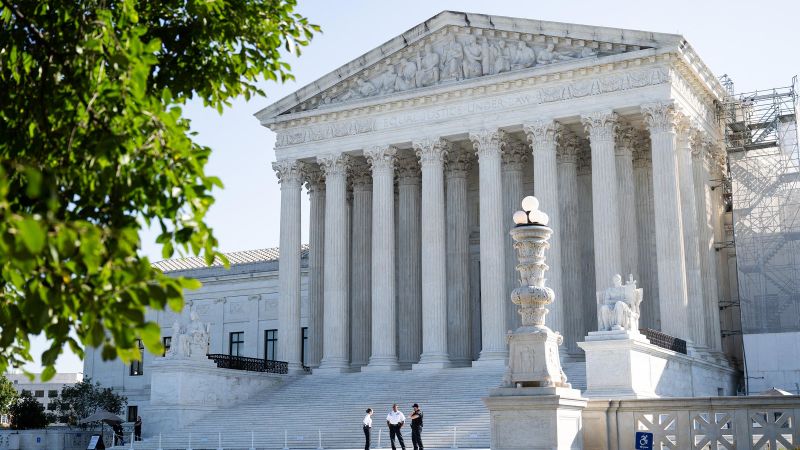
The Supreme Court has declined to hear an appeal from Boston parents who argued that a temporary admissions policy for the city's elite high schools discriminated against white and Asian students. The policy, implemented during the pandemic, replaced entrance exams with criteria based on student performance and ZIP codes. Justices Alito and Thomas dissented, expressing concerns about the policy's focus on race, but the lower court's decision in favor of the policy remains in place.
The Supreme Court declined to review a case challenging Boston public schools' zip-code based admissions policy aimed at promoting racial diversity without using race as a factor. This decision leaves in place a lower court ruling that upheld the policy, which was challenged by a coalition claiming it discriminated against Asian American and White students. The case follows a previous Supreme Court ruling ending affirmative action in universities, prompting schools to explore 'race-neutral' diversity efforts. Justices Alito and Thomas dissented, arguing the policy perpetuates race-based affirmative action.
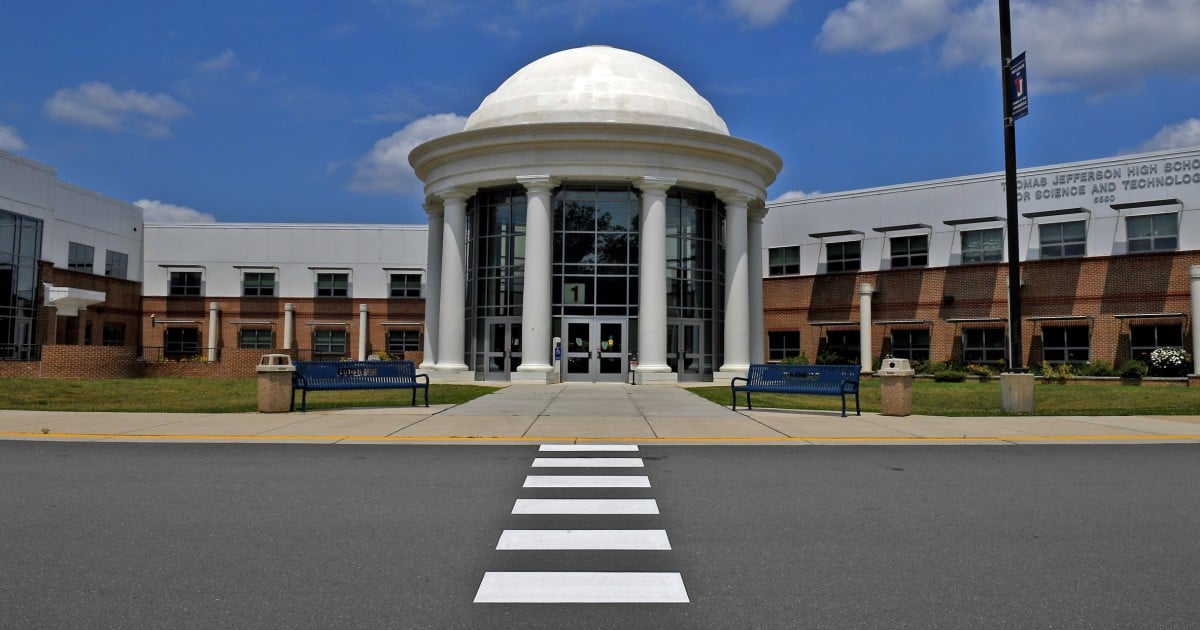
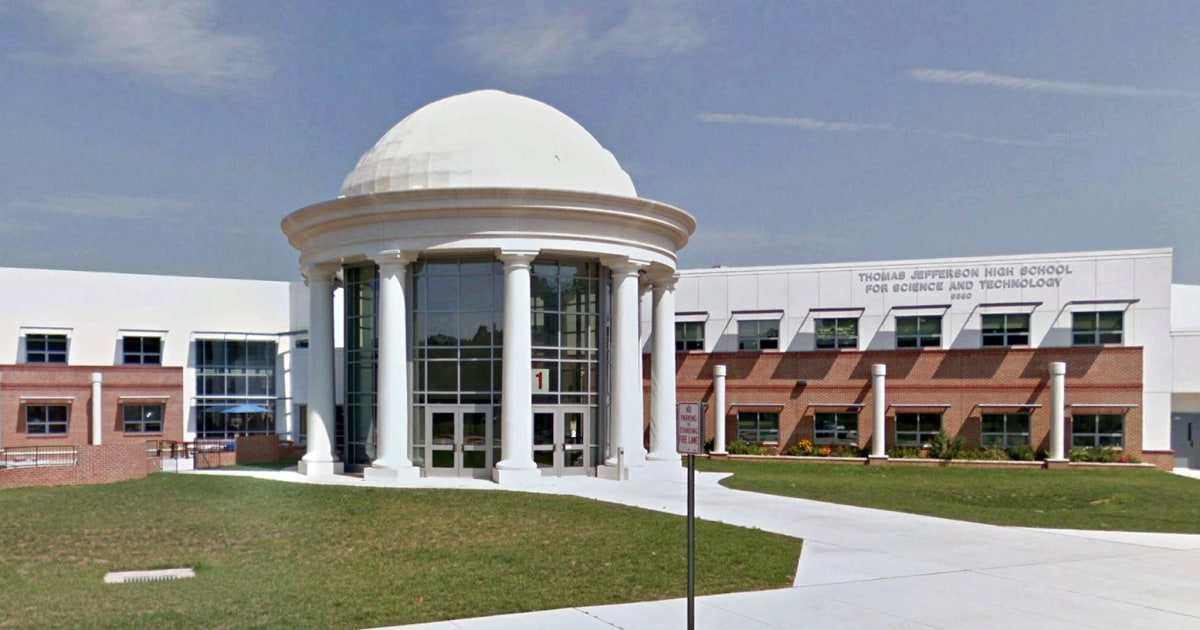
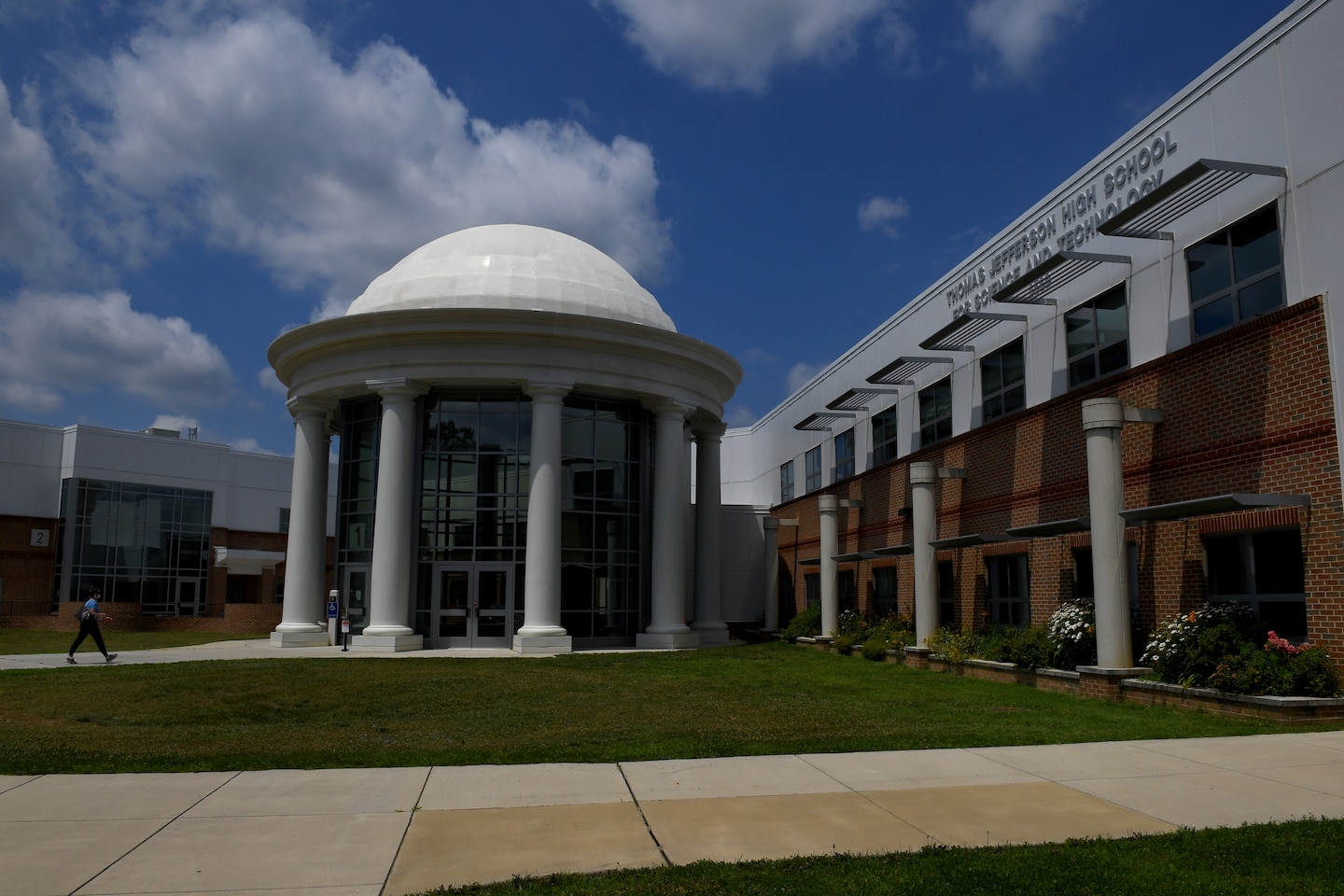
The Supreme Court declined to hear a challenge to the admissions policy at Thomas Jefferson High School for Science and Technology in Virginia, which aims to mitigate socioeconomic and geographic barriers for prospective students. The school's race-neutral criteria were upheld by a lower court, but a group of parents argued that it discriminated against Asian-American students. Justices Alito and Thomas dissented, criticizing the decision and warning against evading the Court's affirmative action ruling. The case is the latest involving affirmative action since the Court's landmark decision last June, and it highlights ongoing debates over race-conscious admissions policies in educational institutions.
The Supreme Court declined to intervene in a case involving a Virginia high school's admissions policy aimed at promoting diversity, which led to a decline in Asian American students and an increase in Black and Latino students. The policy, which does not consider standardized test scores and guarantees places for top students in various middle schools, faced a legal challenge citing racial balancing. The court's decision not to take up the case comes after its recent ruling ending the consideration of race in college admissions, with conservative justices dissenting and arguing for striking down the policy.
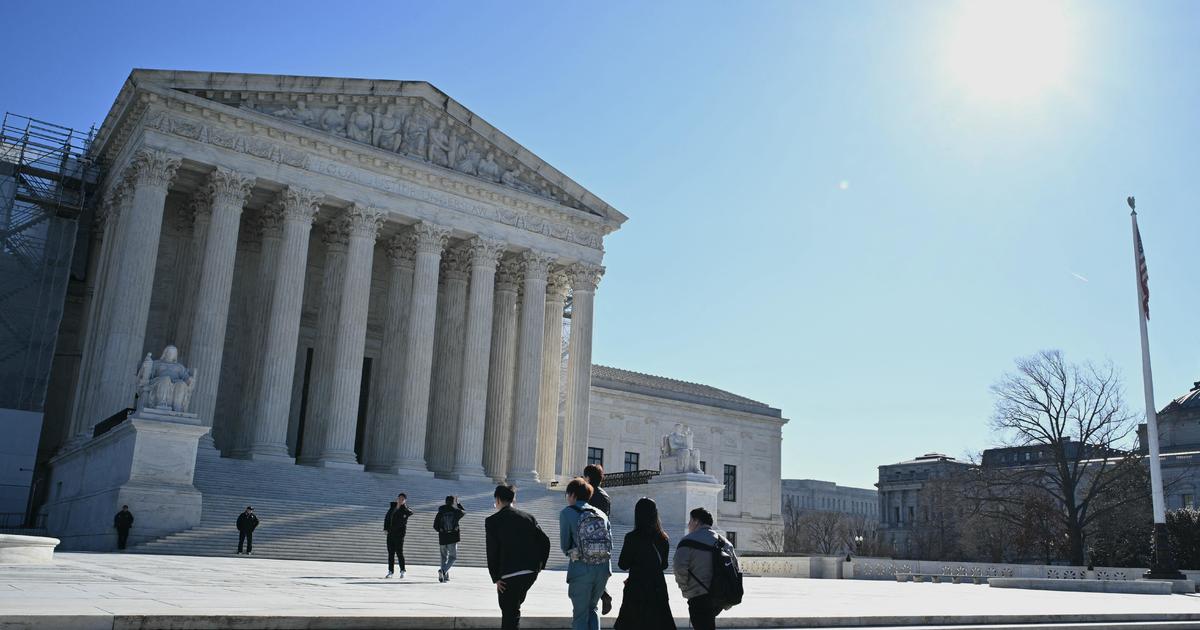
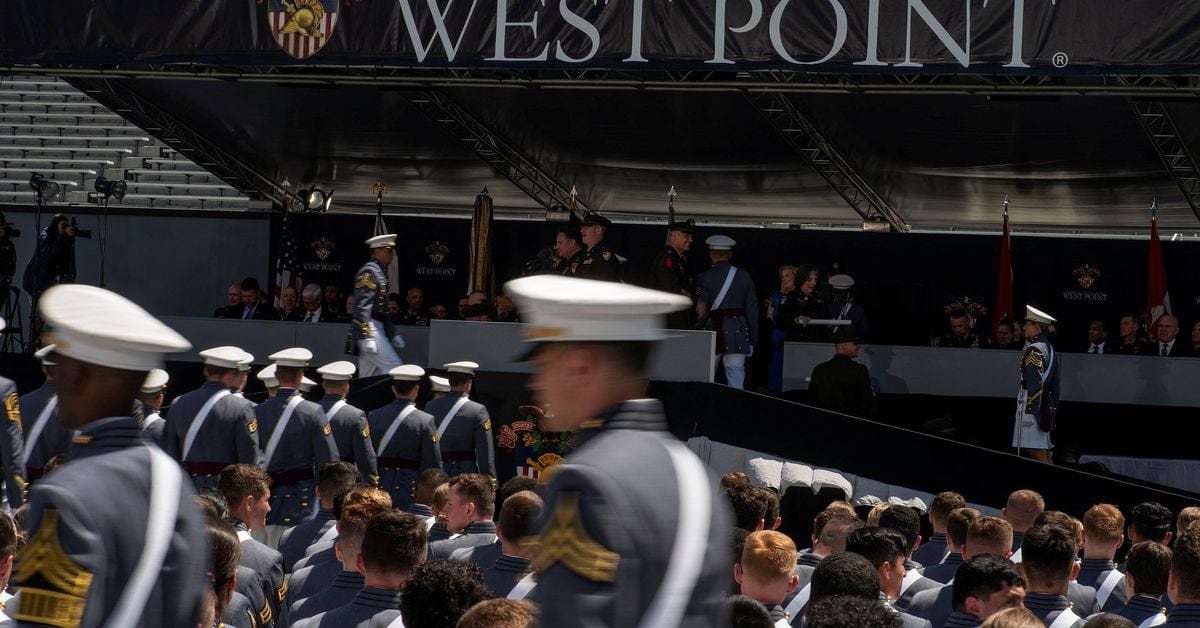
The Supreme Court declined to immediately halt West Point's race-conscious admissions policy, rejecting a request from Students for Fair Admissions to change the program, which considers race among other factors in selecting future Army officers. The court's conservative majority had previously struck down similar programs at other universities, but left open the question of race in military service academies. The Biden administration argued that a diverse officer corps is crucial for national security and urged the court to defer to the military's judgments, while the group challenging the policy claimed it was unconstitutional and unnecessary.
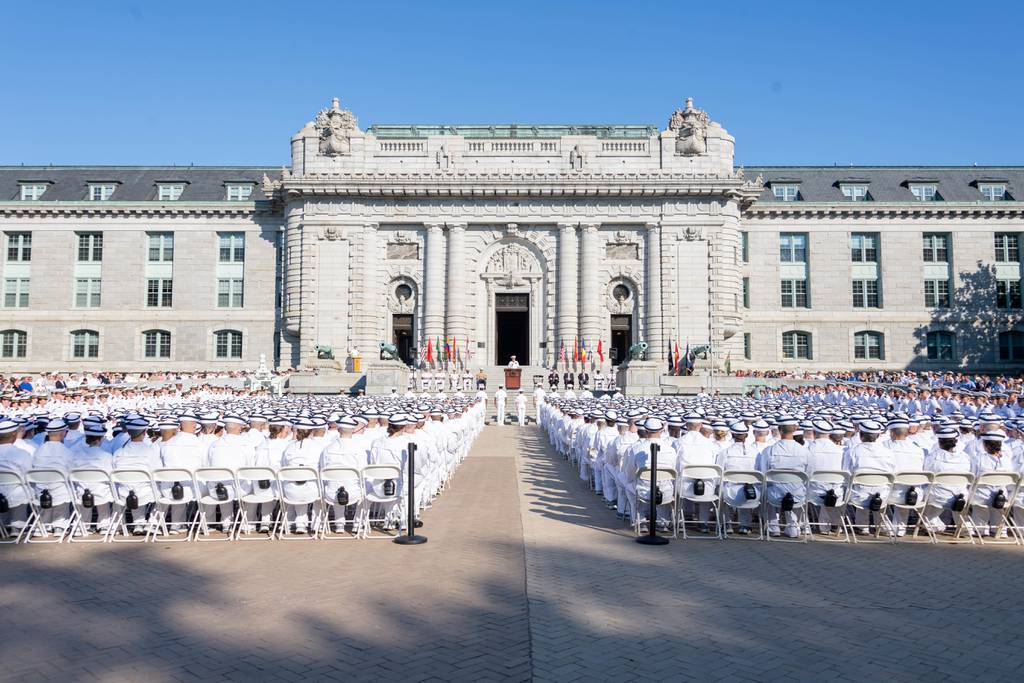
The United States Naval Academy is facing a lawsuit from the group Students for Fair Admissions, which accuses the academy of discrimination for considering race as a factor in its admissions decisions. The lawsuit argues that the academy's focus on race in the selection process for midshipmen is unconstitutional and disadvantages certain applicants. This comes after a similar lawsuit was filed against the United States Military Academy at West Point. The Supreme Court recently struck down race-conscious admissions practices at Harvard University and the University of North Carolina, but the ruling did not address the issue in the context of military service academies.
The anti-affirmative action group, Students for Fair Admissions, has filed a lawsuit against the U.S. Military Academy at West Point, claiming that the school's affirmative action practices discriminate against white applicants. The group seeks to eliminate the exemption that allows military academies to consider race in admissions, as granted by a recent Supreme Court ruling. The lawsuit argues that West Point's admissions policy violates the principle of equal protection and requests an order to prohibit the consideration of race in admissions. The Biden administration and many institutions of higher education support affirmative action to ensure diversity in the military and workplace.
A federal appeals court has upheld the constitutionality of a new admissions policy at an elite public high school in Virginia, which critics say discriminates against highly qualified Asian Americans. The ruling overturns a previous decision that found the Fairfax County School Board engaged in impermissible "racial balancing" when it overhauled the admissions policy at the Thomas Jefferson High School for Science and Technology. The new policy aims to increase diversity at the school, and while Asian American representation decreased, Black and Hispanic representation increased.
The US appeals court upheld an admissions policy aimed at diversifying a highly selective Virginia high school, rejecting arguments that it discriminated against Asian-American students. The Fairfax County School Board adopted its policy following concerns about a lack of racial diversity at the school in Alexandria, Virginia, which ranks among the best US public high schools. The board had a legitimate interest in “expanding the array of student backgrounds," Judge Robert King wrote for the 2-1 majority.
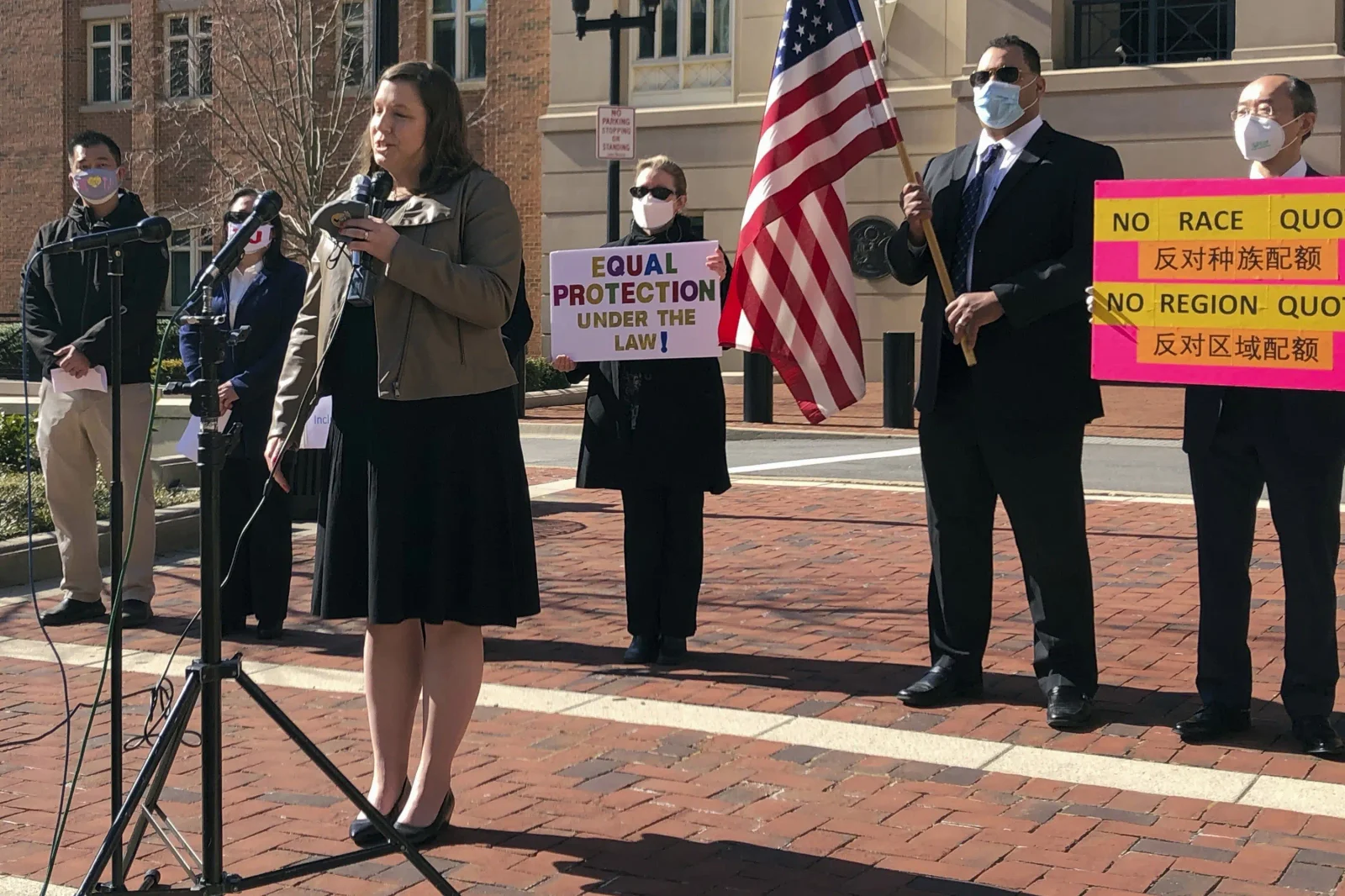
A federal appellate court ruled that the admissions process at Thomas Jefferson High School for Science and Technology does not discriminate against Asian American applicants. The school's admissions process was revised in 2020 to bring more diversity to the school, which historically enrolled single-digit percentages of Black and Hispanic students. The revised policy eliminated a notoriously difficult test and a $100 application fee and moved to a "holistic review" process that considers applicants on four "experience factors." The Coalition for TJ, a group of parents opposing the admissions changes, plans to appeal the case to the U.S. Supreme Court.
A federal appeals court has upheld the constitutionality of a new admissions policy at an elite public high school in Virginia, which critics say discriminates against highly qualified Asian Americans. The ruling overturns a decision from a federal judge who found that the Fairfax County School Board engaged in impermissible “racial balancing” when it overhauled the admissions policy at the Thomas Jefferson High School for Science and Technology. The school board had a legitimate interest in increasing diversity at the school, and twisting those efforts to call it discrimination against Asian Americans “simply runs counter to common sense,” the majority opinion said. The Pacific Legal Foundation, which filed the lawsuit on behalf of a group of current, former and prospective TJ parents, said it will seek to have the case heard by the Supreme Court.
A federal appeals court has upheld the constitutionality of a new admissions policy at an elite public high school in Virginia, which critics say discriminates against highly qualified Asian Americans. The ruling overturns a previous decision that found the Fairfax County School Board engaged in impermissible "racial balancing" when it overhauled the admissions policy at the Thomas Jefferson High School for Science and Technology. The new policy, which does not take race into account, aims to increase diversity at the school, which has historically had low representation of Black and Hispanic students.
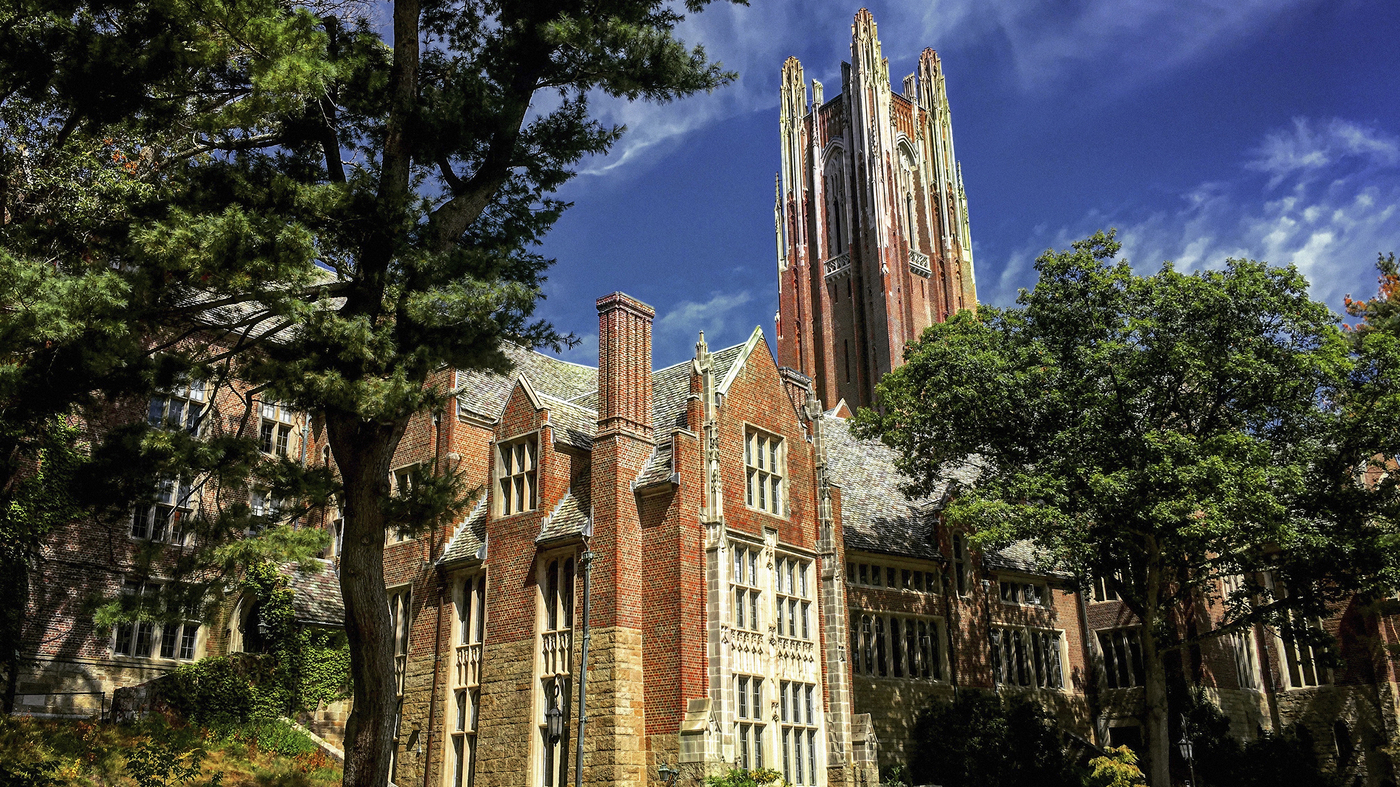
Students at Wellesley College in Massachusetts voted in a non-binding election to extend admission to trans men and non-binary students, including using gender-neutral language. The proposed resolution will be presented to the college's board of trustees. However, the college's administrators have said there is "no plan" to immediately change school policy. The admissions policy currently notes that anyone who identifies as a woman is eligible for admission, but trans men are not considered.
Students at Wellesley College in Massachusetts have approved a ballot initiative proposing that the college change its admissions policy to welcome all transgender and nonbinary applicants. Currently, the school only accepts applications from "those who live as women and consistently identify as women," which includes trans women and nonbinary students who "were assigned female at birth and who feel they belong in our community of women." The initiative also called on the school to use gender-neutral language when referring to its student body in official communications. The college issued a statement acknowledging the result of the ballot initiative, which it stressed is non-binding.