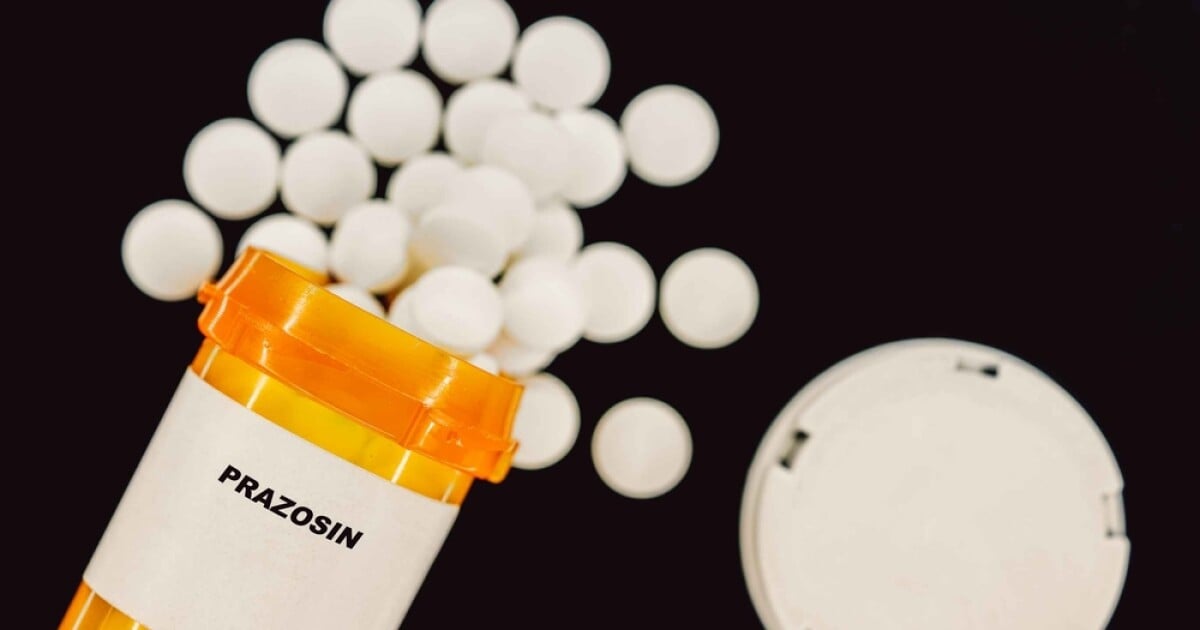
Over half a million bottles of Teva's blood pressure drug prazosin hydrochloride have been recalled due to elevated levels of a carcinogenic impurity, with the FDA classifying the recall as a Class II risk, indicating potential temporary health effects.
Moderate drinking is not without risks, as alcohol is a carcinogen and can lead to dependency, but some studies suggest small potential cardiovascular benefits. However, heavy drinking is clearly harmful, and many people misunderstand what constitutes moderate consumption. Experts advise caution and awareness of the risks, emphasizing that starting to drink for health reasons is not recommended.
Health advocacy groups are urging the FDA to ban methylene chloride, a chemical used in the decaffeination process of coffee, citing its designation as a carcinogen by organizations like the World Health Organization and Environmental Protection Agency. Some states, such as California, are also taking steps to ban the chemical. The FDA is currently reviewing the petitions, and residue limits of methylene chloride have been set to limit exposure, although not all coffee brands use the same decaffeination process.
Health advocacy groups are petitioning the FDA to ban methylene chloride, a chemical used in the decaffeination process, due to cancer concerns. While the FDA allows its use with residue limits, experts argue that the regulation is outdated and that safer decaffeination methods are available. Consumers are advised to look for solvent-free, Swiss Water processed, or certified organic decaf coffee to avoid potential exposure to methylene chloride.
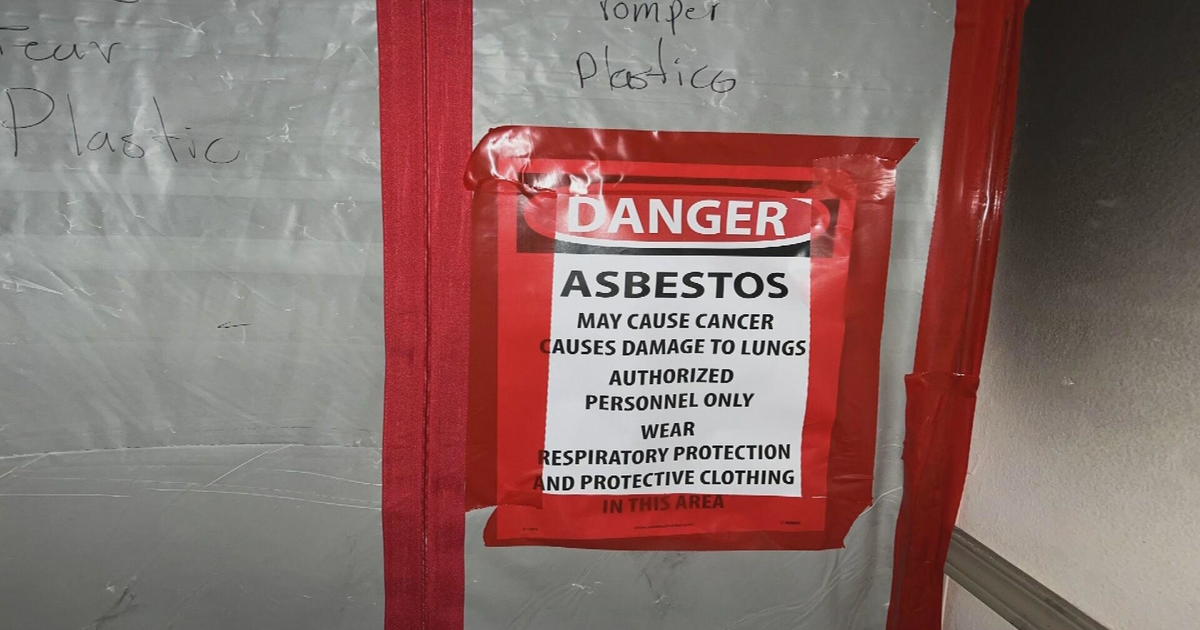
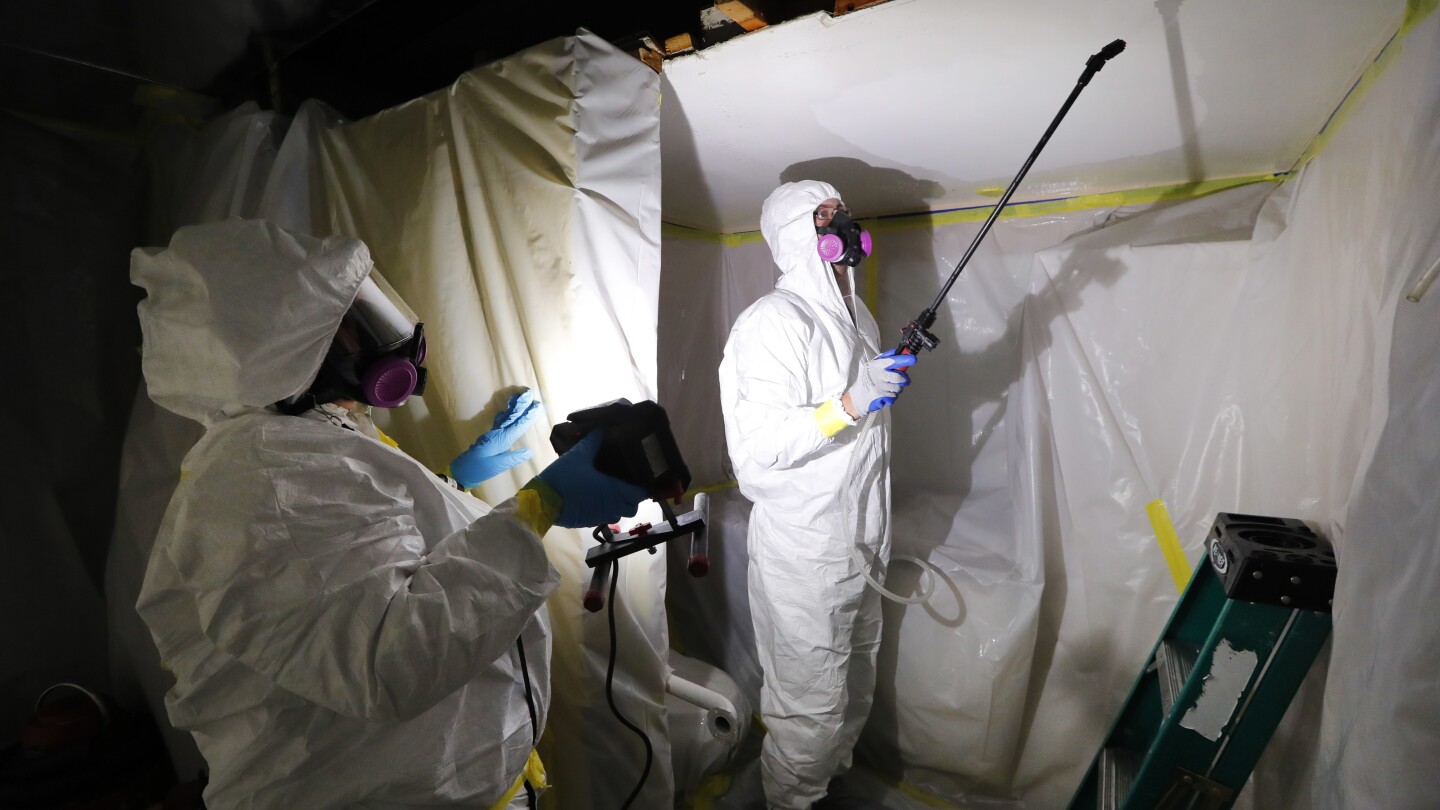
The Environmental Protection Agency has announced a comprehensive ban on asbestos, a carcinogen that kills tens of thousands of Americans every year, marking a major expansion of EPA regulation under a 2016 law. The ban will end the ongoing use of asbestos in the U.S., with EPA Administrator Michael Regan calling it a major step to protect public health. Exposure to asbestos is known to cause lung cancer, mesothelioma, and other cancers, and the ban aligns with President Joe Biden's Cancer Moonshot initiative. The ban on asbestos in most products will take effect in two years, with some exceptions for specific uses, and has been hailed by advocacy groups as a significant step in protecting public health.
The EPA has announced a comprehensive ban on asbestos, a deadly carcinogen still used in some products in the United States, marking a major expansion of regulation under a 2016 law. Asbestos is known to cause lung cancer and other diseases, leading to over 40,000 deaths annually. The ban aims to protect public health and aligns with President Biden's Cancer Moonshot initiative. The rule will phase out asbestos use in chlorine bleach, brake pads, and other products over several years, with exceptions for specific industries. The EPA is also evaluating legacy uses of asbestos in older buildings to determine potential health risks.
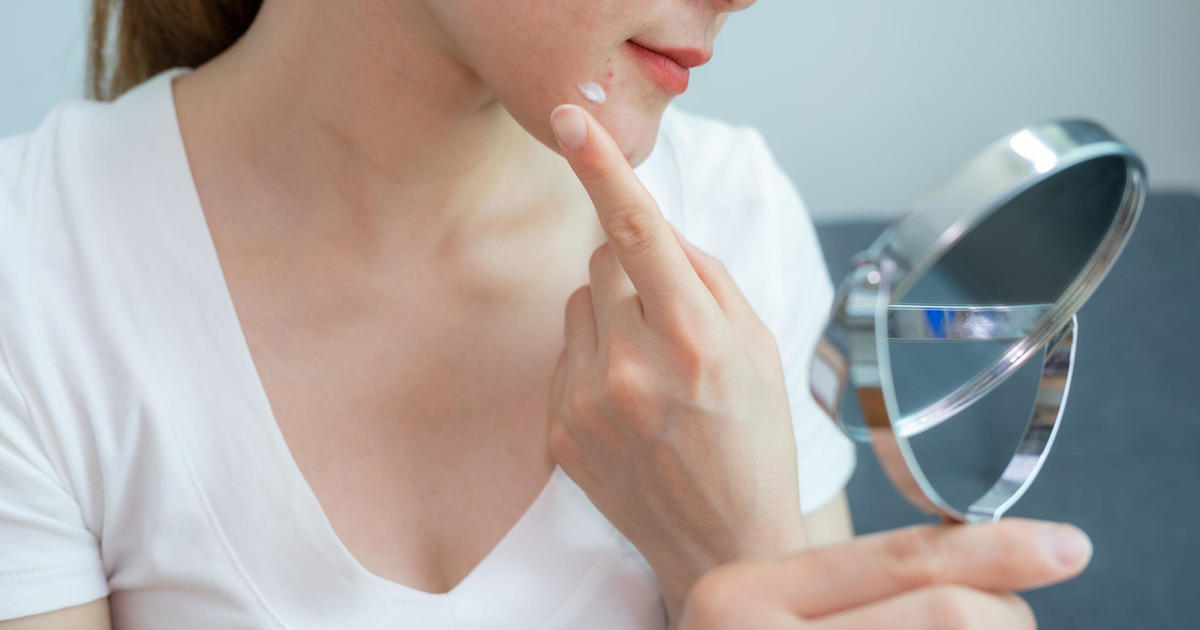
An independent lab, Valisure, has found dangerously high levels of benzene, a known carcinogen, in several popular acne products containing benzoyl peroxide, prompting a petition to the FDA for their removal from shelves. Benzene, which can cause cancer and other life-threatening conditions, was detected at levels over 800 times higher than FDA restrictions, with some products even leaking benzene, posing an inhalation risk. The lab's tests suggest that benzoyl peroxide products are fundamentally unstable and can generate unacceptably high levels of benzene when exposed to higher temperatures, while products using salicylic acid or adapalene did not show the same issue.
An independent lab found dangerously high levels of benzene, a known carcinogen, in several acne products containing benzoyl peroxide, prompting a petition to the FDA for their removal from shelves. The lab's tests revealed benzene levels over 800 times higher than FDA restrictions, with some products leaking the chemical, posing inhalation risks. While products with salicylic acid or adapalene did not show the same issue, the manufacturer of Clearasil products dismissed the findings as reflecting unrealistic scenarios.
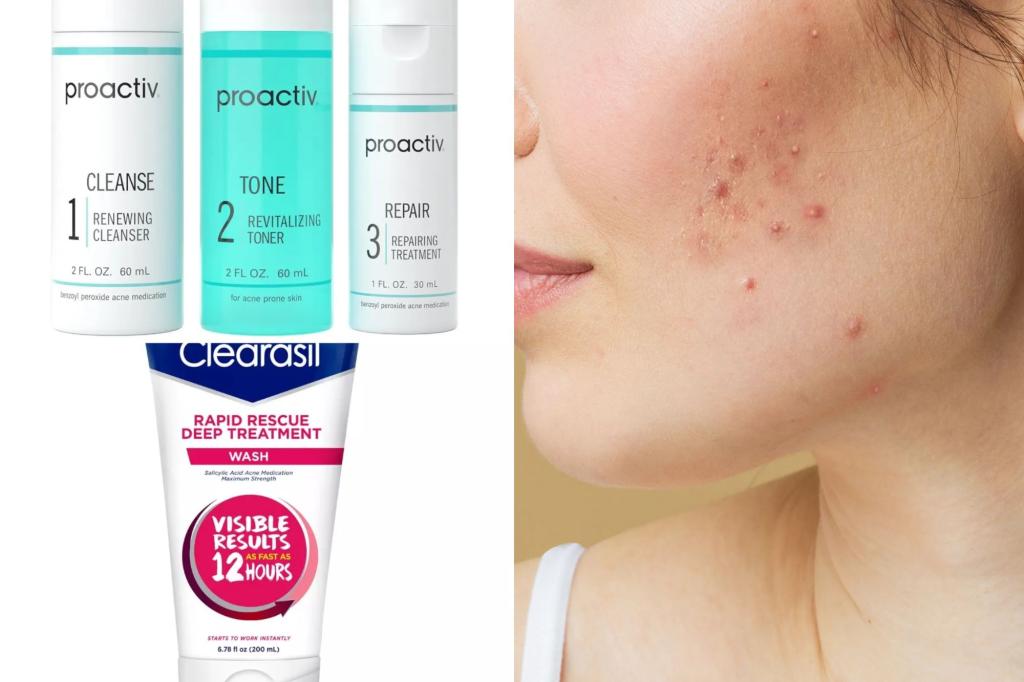
Valisure, a testing company, has found high levels of benzene, a known carcinogen, in some popular acne products containing benzoyl peroxide, including brands like Proactiv, Clearasil, and Clinique. The company has issued a citizen petition to the FDA, requesting a recall and suspension of sales of benzoyl peroxide in the US market. The benzene levels are said to result from benzoyl peroxide decomposing into benzene over time when combined with other substances, particularly at higher temperatures. While the clinical significance for consumers is still unknown, health officials have confirmed that long-term exposure to high levels of benzene can cause leukemia. Patients are advised to consult their healthcare providers about using alternative acne treatments without benzoyl peroxide.
A testing laboratory found high levels of benzene, a carcinogenic chemical, in acne creams such as Clinique, Proactiv, and Clearasil, with amounts up to 12 times the permitted limit by the FDA. The lab also detected benzene in other products like PanOxyl and Walgreens' acne soap bar. This poses potential health risks, as benzene was found not only in the products but also in the air around them, indicating a potential inhalation risk. The FDA has not yet responded to the petition filed by the testing laboratory.
Batiste, the haircare line, has agreed to a $2.5 million settlement in a class action lawsuit alleging that their dry shampoos contain a potentially harmful level of the carcinogen benzene. Customers who purchased Batiste Bare or Clean or Batiste Light Bare dry shampoo products before May 30, 2023, may qualify for reimbursement. Proof of purchase is not necessary, but those with receipts will receive a higher payout. The final approval hearing for the settlement is scheduled for October 16, 2023, and the deadline to submit a claim form is November 15, 2023.
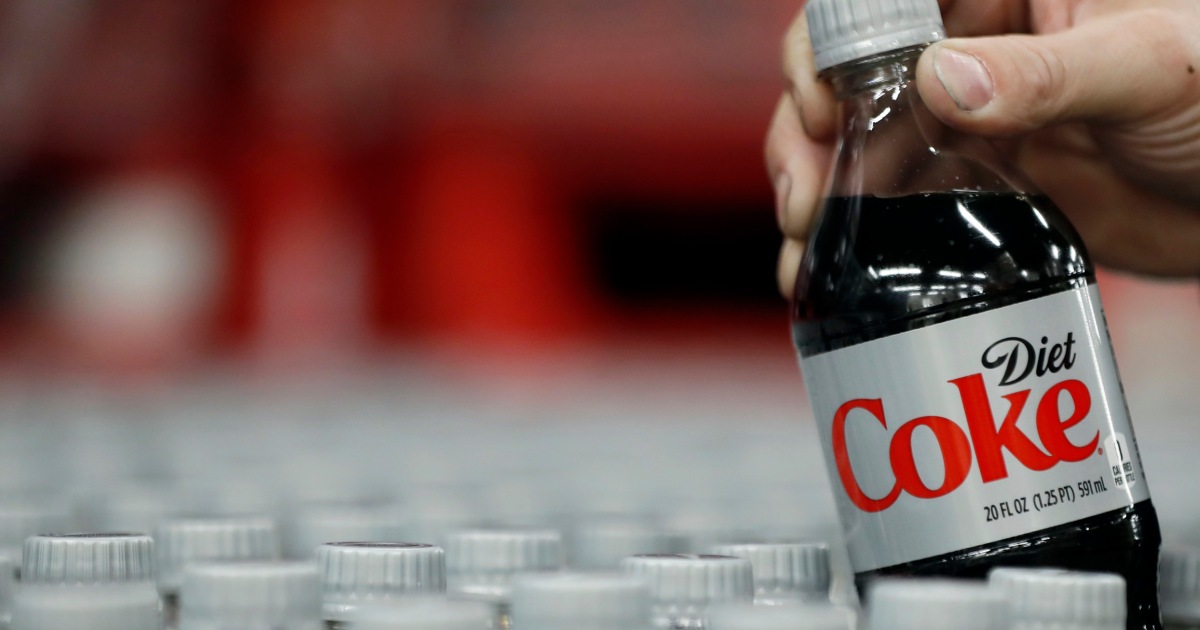
The World Health Organization's International Research Agency on Cancer has classified the artificial sweetener aspartame as a "possible carcinogen." However, the Expert Committee on Food Additives did not change its safe daily limit for aspartame consumption. Aspartame is commonly found in various sugar-free foods and drinks, including Diet Coke. While past research has not conclusively proven a link between aspartame and cancer in humans, consuming large amounts of artificial sweeteners has been associated with a slightly higher risk of cancer. Additionally, artificial sweeteners, including aspartame, may pose other health risks such as heart disease, high blood pressure, diabetes, and obesity. Experts recommend moderation and opting for a natural, healthy diet with naturally sweet foods.
Aspartame, an artificial sweetener found in around 6,000 food products globally, is expected to be added to the World Health Organization's list of "possible human carcinogens" in July. The list, compiled by the International Agency for Research on Cancer, categorizes items into four groups based on the evidence of their carcinogenicity. Group 2B, which will include aspartame, consists of items with limited evidence of carcinogenicity in humans and sufficient evidence in experimental animals. Other items in this group include bracken ferns, aloe vera extract, and traditional Asian pickled vegetables. The WHO guidelines do not quantify the risk or recommend exposure limits for Group 2B substances.
Aspartame, a commonly used artificial sweetener found in products like Diet Coke and chewing gum, is expected to be classified as a "possible carcinogen" by the International Agency for Research on Cancer (IARC), a division of the World Health Organization (WHO). The ruling, set to be announced next month, aims to determine the potential hazards of the substance. While the US FDA has previously deemed aspartame safe for general use, the agency continues to monitor scientific literature for new information. The Joint WHO and Food and Agriculture Organization's Expert Committee on Food Additives (JECFA) is also reviewing the use of aspartame and will announce its findings on the same day as the IARC.
Aspartame, a common artificial sweetener found in products like Coca-Cola diet sodas and Mars' Extra gum, is set to be declared a possible carcinogen by the International Agency for Research on Cancer (IARC), the cancer research arm of the World Health Organization (WHO). The IARC ruling, expected to be announced in July, has raised concerns among industry and regulators about potential confusion and alarm among the public. Aspartame has been extensively studied, and while some studies have shown a slight increase in cancer risk, regulatory bodies have deemed it safe for consumption within accepted limits. The listing as a possible carcinogen is intended to stimulate further research and draw firmer conclusions, but it is likely to ignite debate over the IARC's role and the safety of sweeteners.