Tag

Carcinogenic

All articles tagged with #carcinogenic

WHO Warns of Hepatitis D Carcinogenic Risk and Urges Global Action
health7 months ago

WHO Warns of Hepatitis D Carcinogenic Risk and Urges Global Action

WHO emphasizes urgent global action to eliminate viral hepatitis, especially now that hepatitis D is classified as carcinogenic, increasing liver cancer risk; despite progress in policies and vaccination, significant gaps in testing, treatment, and service integration remain, requiring increased investment and partnerships to meet 2030 elimination targets.

"Cancer-Causing Benzene Discovered in Popular Acne Treatments"
health2 years ago

"Cancer-Causing Benzene Discovered in Popular Acne Treatments"

Independent-testing facility Valisure found high levels of the carcinogenic chemical benzene in popular acne products containing benzoyl peroxide, including Proactiv, Clearasil, PanOxyl, Clinique, Walgreens, and Walmart brands. The benzene is a result of the inherent instability of the benzoyl peroxide molecule, posing potential inhalation risks when exposed to high heat. The facility has petitioned the FDA to recall the products, while some companies have stated their confidence in the safety of their products. Consumers are advised to await further information from the FDA and consider personalized risk assessments.

The Truth About 'Acrilane' in McDonald's French Fries
food2 years ago

The Truth About 'Acrilane' in McDonald's French Fries

A viral warning on Facebook claims that McDonald's french fries contain a carcinogenic ingredient called "acrilane" and are sprayed with a harmful pesticide. However, the rumor is misleading. The correct term is acrylamide, not "acrilane." Acrylamide is a substance that forms when certain foods, including potatoes, are heated. It is classified as a potential human health concern, but the risk of cancer from acrylamide in food is not well-established. The levels of acrylamide in McDonald's fries are similar to those found in fries from other restaurants. Additionally, the claim about a harmful pesticide requiring farmers to wait four days is misleading, as it is a standard safety measure for pesticide use.

The Potential Cancer Risk of Aspartame: WHO's Warning
health2 years ago

The Potential Cancer Risk of Aspartame: WHO's Warning

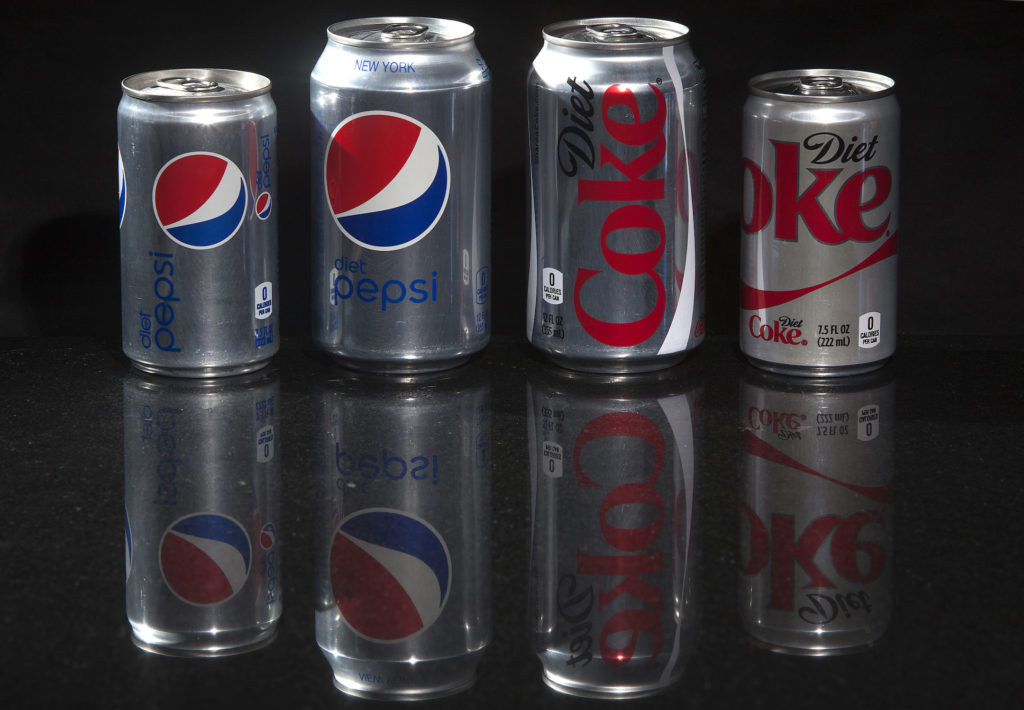
The World Health Organization has classified the artificial sweetener aspartame as possibly carcinogenic to humans, causing confusion and concerns about its risks. Aspartame is found in various foods, including diet sodas, breakfast cereals, chewing gum, and desserts. The WHO's cancer research group categorized aspartame as a possible carcinogen, while the agency's food safety group found the evidence unconvincing. The FDA, on the other hand, believes that aspartame is safe and one of the most studied food additives. The WHO recommends moderation in consuming aspartame, with a maximum of 40 milligrams per kilo of body weight.

The Controversy Surrounding Aspartame: Health Risks and Cancer Concerns
health2 years ago

The Controversy Surrounding Aspartame: Health Risks and Cancer Concerns

The World Health Organization's International Agency for Research on Cancer (IARC) is expected to declare that aspartame, an artificial sweetener used in numerous food and beverage products, is "possibly carcinogenic to humans." The IARC's findings will be released on July 14. While the U.S. Food and Drug Administration (FDA) has approved aspartame for use in food products and considers it safe, questions about its safety have arisen over the years. Some studies suggest a possible association between aspartame consumption and type 2 diabetes, mood disorders, and mental stress, but the link to cancer remains inconclusive. Other sweeteners, such as erythritol, have also faced scrutiny for potential health risks.

The Controversial Link Between Aspartame and Cancer
health2 years ago

The Controversial Link Between Aspartame and Cancer

Aspartame, a commonly used sweetener found in various foods and drinks, is reportedly set to be classified as "possibly carcinogenic" to humans by the International Agency for Research on Cancer (IARC). However, this classification does not indicate the level of risk posed by aspartame, but rather the strength of evidence linking it to cancer. The IARC classification has caused confusion in the past, and critics argue that it can create unnecessary alarm. While some studies have linked aspartame to cancer, others have not found a significant risk. Food safety agencies worldwide have declared aspartame safe, but individuals with phenylketonuria (PKU) should avoid consuming it.