Tag

Genotoxicity

All articles tagged with #genotoxicity

health1 year ago

Cannabis Use Tied to Genetic Changes and Rising Health Risks

Research from The University of Western Australia links cannabis use to increased cancer risk and genetic damage, highlighting its genotoxic effects. Cannabis disrupts mitochondrial function, leading to DNA mutations, accelerated aging, and potential birth defects, with these effects possibly being passed to future generations. This study reframes cannabis legalization discussions, emphasizing the need to consider its multigenerational genetic impact.

health1 year ago

Study Finds Cannabis Use Tied to Increased Cancer and Birth Defect Risks

A new study from the University of Western Australia links cannabis use to increased risks of various cancers, birth defects, and accelerated aging, suggesting that cannabis-related genetic damage can be passed to future generations. The research highlights the potential dangers of high-potency cannabis products, urging policymakers to reconsider the health implications of cannabis legalization. The study emphasizes the need for further research into cannabis's genotoxic effects and its impact on public health.

health1 year ago

Cannabis Use: Health Risks and Genetic Impact Explored

A new scientific paper suggests that cannabis is a 'genotoxic' substance, potentially causing DNA mutations, accelerated aging, and cancer. The study indicates that these genetic damages can be passed to future generations through affected reproductive cells. The research highlights the role of mitochondrial dysfunction in cannabis-related genetic damage, which may lead to increased cancer risk and accelerated biological aging. The findings aim to shift the cannabis legalization debate towards considering its long-term genetic impacts.

health2 years ago

Artificial Sweeteners: A DNA Damage Risk?

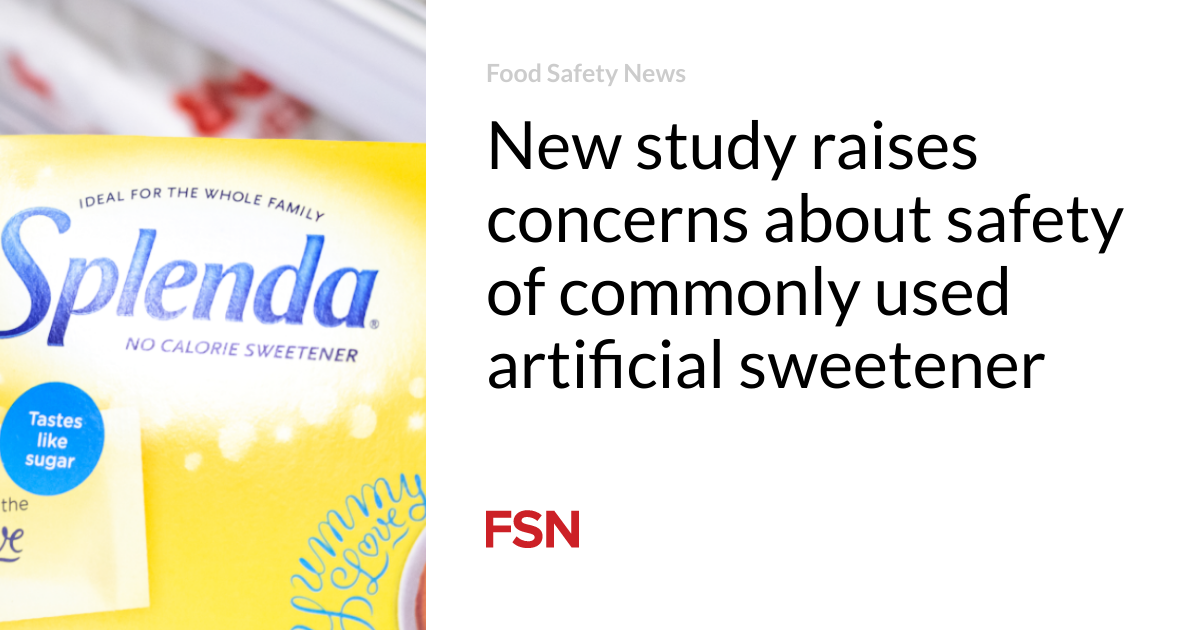
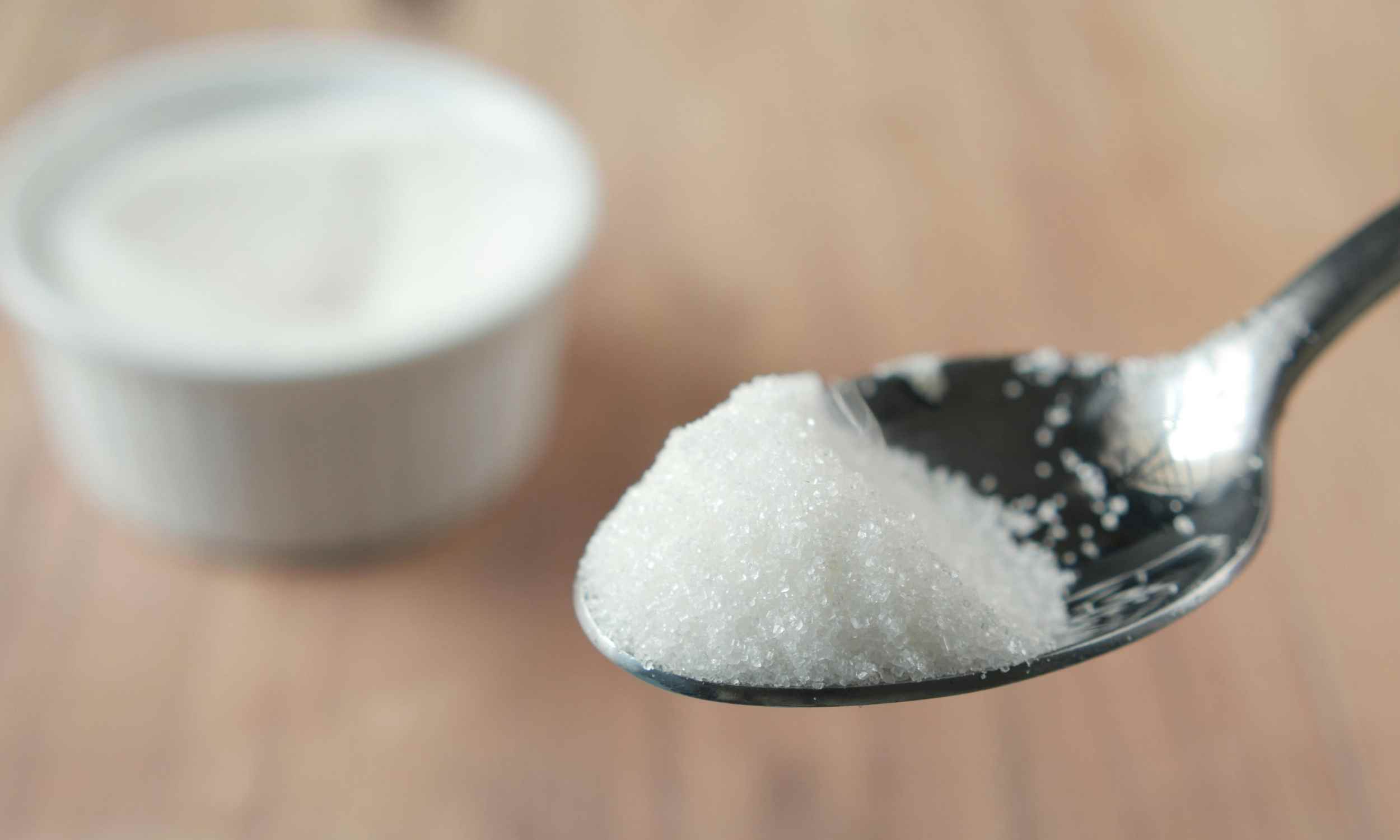
A recent study by researchers at North Carolina State University has raised concerns about the safety of sucralose, the leading sugar substitute marketed under the brand name Splenda. The study found that the chemicals present in sucralose can break down human DNA, potentially posing risks to human health. The study also revealed that sucralose-6-acetate, an impurity and structural analog found in commercially available sucralose samples, is genotoxic, causing DNA strand breaks classified as clastogenic. Sucralose-6-acetate also significantly increased the expression of genes associated with inflammation, oxidative stress, and cancer, and impaired intestinal barrier integrity. These findings have raised significant concerns about the safety and regulatory status of sucralose itself.

health2 years ago

Common Sweetener Chemical Poses Genotoxic Threat to DNA

A recent study has found that sucralose, a widely used artificial sweetener marketed as Splenda, produces a genotoxic compound called sucralose-6-acetate when metabolized, which can break up DNA. Trace amounts of sucralose-6-acetate were also found in the sweetener itself. The chemical is also found in trace amounts in the sweetener itself, and the finding raises questions about how the sweetener may contribute to health problems. The study also found that both sucralose and sucralose-6-acetate cause "leaky gut" and increase activity in genes related to oxidative stress, inflammation, and carcinogenicity. The authors suggest that it's time to revisit the safety and regulatory status of sucralose.

medical-science-news2 years ago

Sweetener Chemical Damages DNA

A new study has found that a chemical formed when we digest the widely used sweetener, sucralose, is genotoxic, meaning it breaks up DNA. The chemical is also found in trace amounts in the sweetener itself, raising questions about how the sweetener may contribute to health problems. The study also found that sucralose and its metabolites cause "leaky gut," damage the "tight junctions," and increase activity in genes related to oxidative stress, inflammation, and carcinogenicity. The researchers suggest that it's time to revisit the safety and regulatory status of sucralose, and people should avoid products containing it.