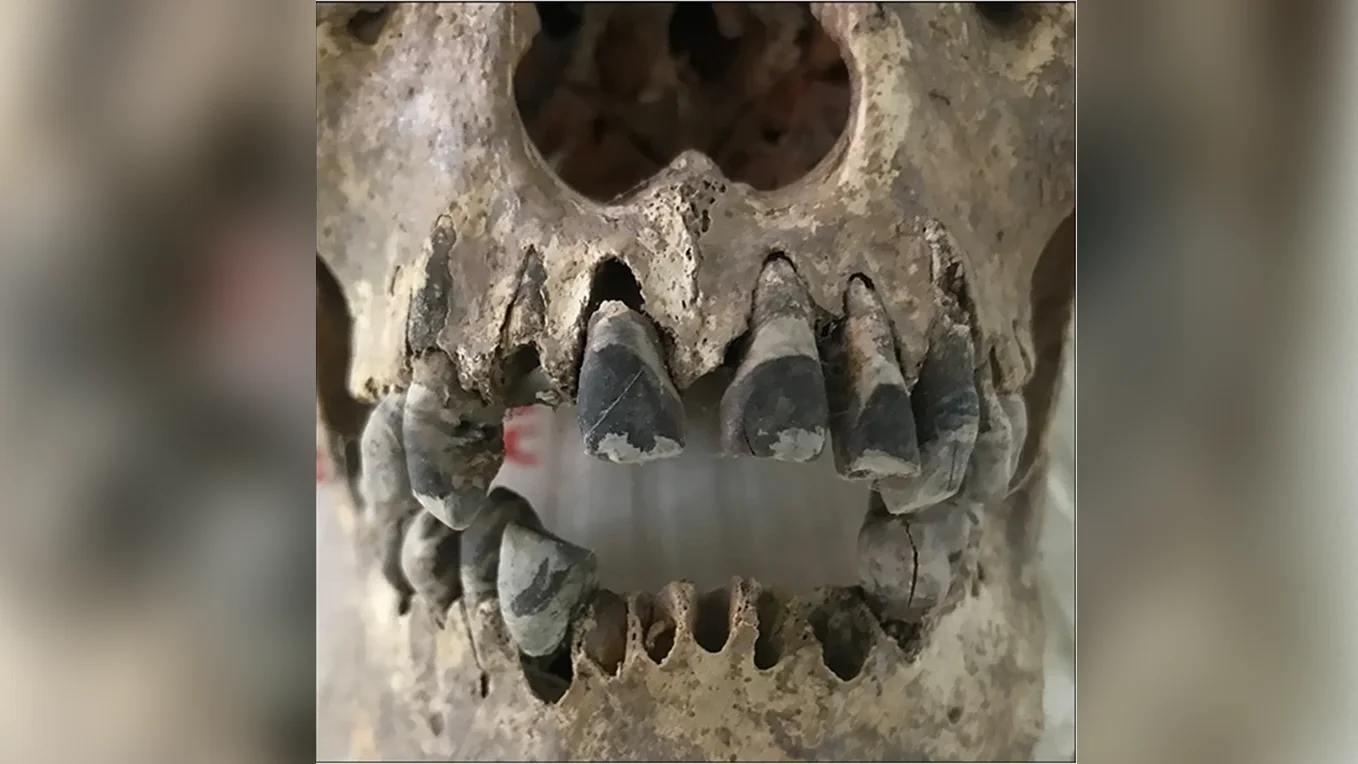
Archaeologists have used advanced biochemical techniques on 4,000-year-old dental plaque from Thailand to confirm the earliest direct evidence of betel nut chewing, a psychoactive practice that predates previous findings by at least 1,000 years, revealing its long-standing cultural significance.
Archaeologists have used advanced biochemical techniques on 4,000-year-old dental plaque from Thailand to confirm the earliest direct evidence of betel nut chewing, a psychoactive practice that predates previous findings by at least 1,000 years, shedding new light on ancient social and cultural behaviors.
The Commonwealth Cancer Association in the CNMI is raising awareness for Oral Cancer Awareness Month, highlighting the prevalence of oral cancer due to betel nut and tobacco use. Survivor Melvin Manahane emphasized the need to address the cultural tradition of chewing betel nut and tobacco, which contributes to addiction and death. Dr. Angelica Sabino stressed the economic, social, and physical impact of oral cancer on the community, calling for aggressive action to decrease its prevalence through education, prevention, and mental health support. The CCA is committed to raising awareness and education about all types of cancer, with a focus on promoting healthy habits and regular screenings. Governor Arnold I. Palacios and Lt. Gov. David M. Apatang urged citizens to unite in the battle against oral cancer, emphasizing the importance of breaking harmful habits and prioritizing regular screenings.
The market for betel nut consumption, an addictive nut regarded as the world's fourth most widely-used psychoactive substance, continues to boom despite its classification as a carcinogen twenty years ago. With over 600 million regular chewers globally, the nut's production has more than doubled in the last two decades. However, studies have shown a clear connection between betel nut consumption and oral cancer, particularly in countries where it is widely consumed. The high rates of oral cancer in Papua New Guinea, where betel nut chewing is prevalent, highlight the urgent need for regulation and awareness of the health risks associated with this habit.