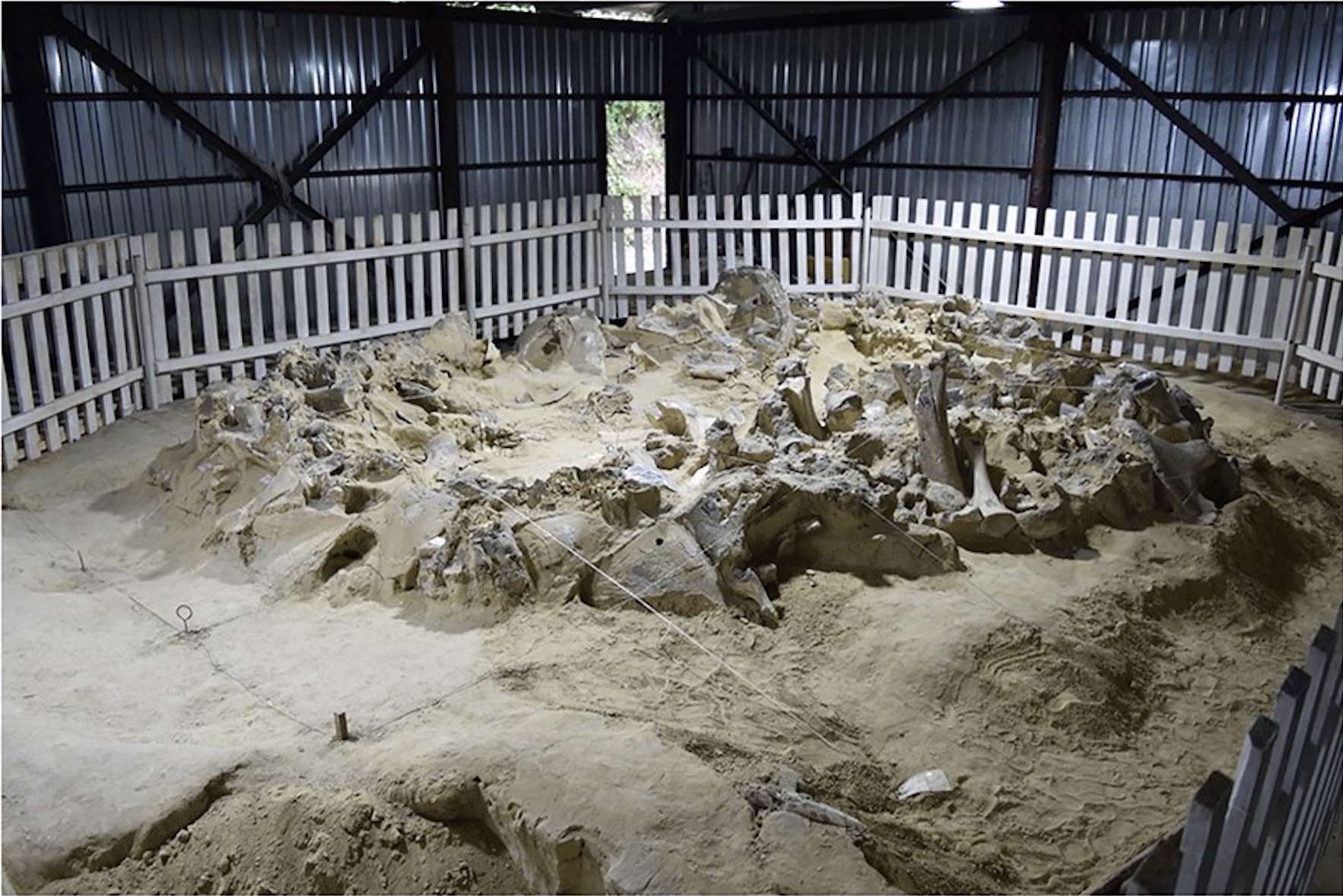
A study of small animal bones from four mammoth-bone structures in Ukraine suggests that at least one of these structures was used for over 400 years, likely serving as a shelter during the Ice Age, with dating indicating they are around 18,000 years old.
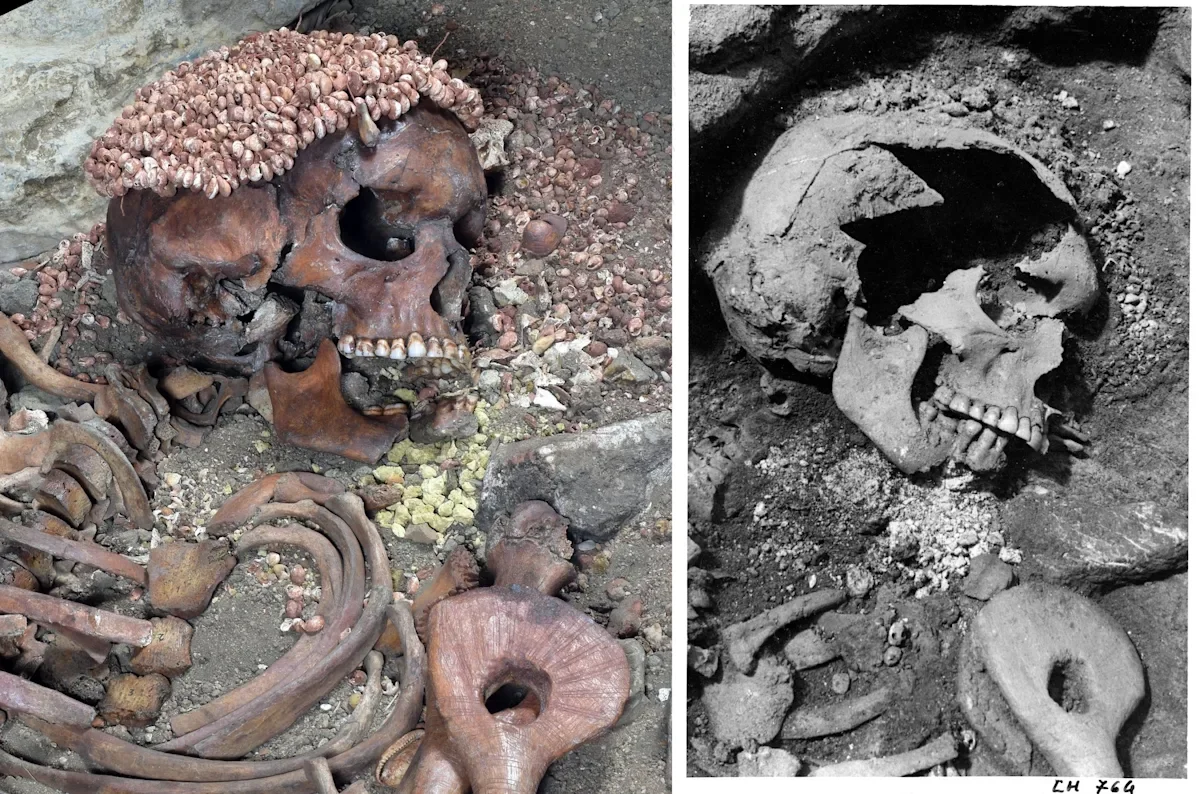
A 27,000-year-old teenage skeleton known as 'The Prince' was found with injuries likely caused by a bear mauling, and evidence suggests he survived for a few days after the attack. The lavish burial, initially thought to indicate high social status, may instead reflect ritual practices related to his traumatic injuries.
New archaeological findings suggest that the first humans in North America may have arrived earlier and via coastal sea routes along the Pacific, rather than solely crossing the Beringia land bridge, linking North American early settlers to a broader Paleolithic world and challenging traditional migration models.
Researchers analyzed bone fragments from the Starosele site in Crimea, identifying Neanderthal DNA and linking European and Siberian Neanderthal populations, suggesting migration routes across Eurasia around 45,000 years ago, facilitated by favorable paleoclimate corridors.
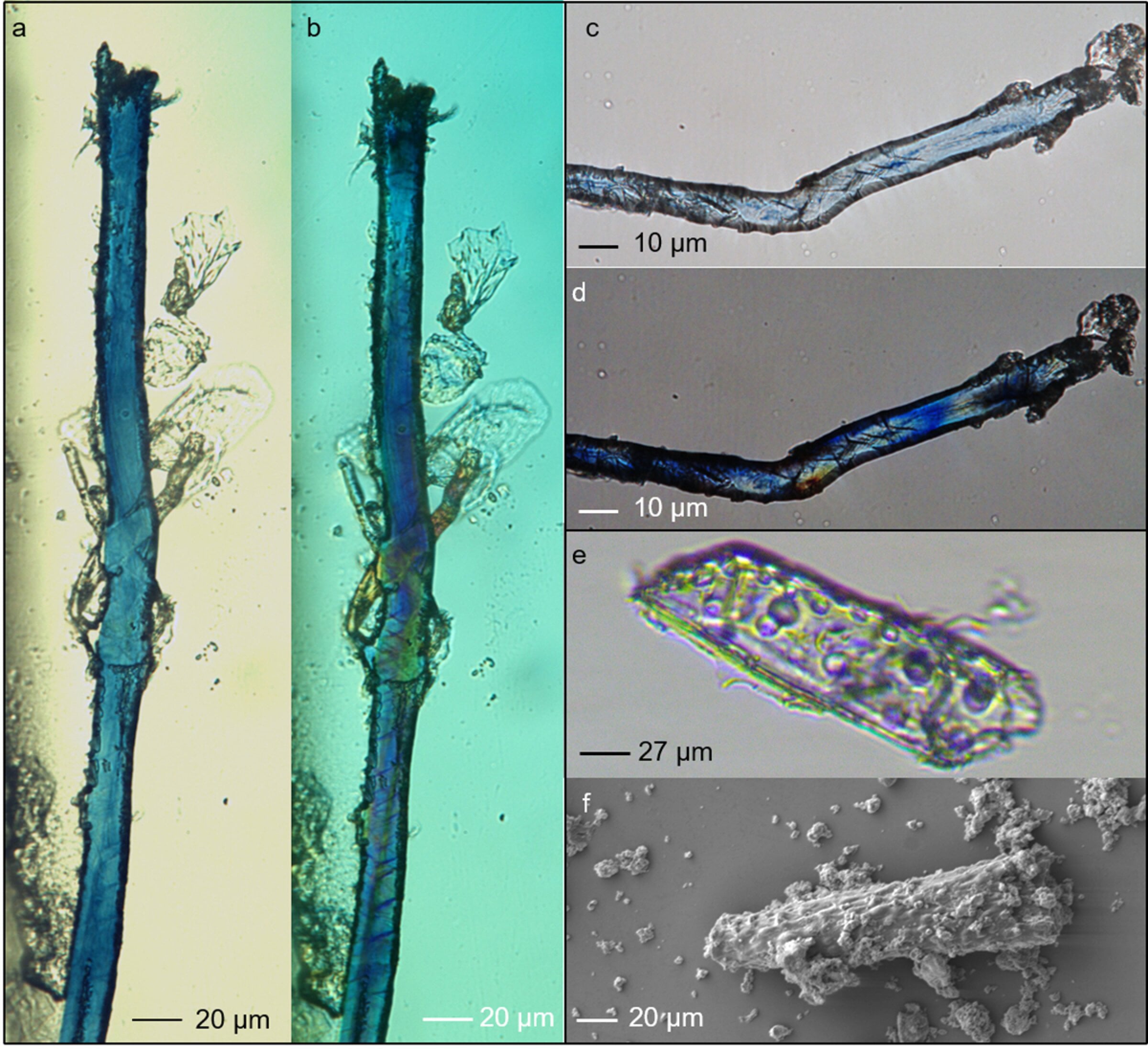
An international team discovered blue indigotin residues on 34,000-year-old stone tools from the Caucasus, indicating early complex use of plants like woad for dyeing or medicinal purposes, revealing sophisticated Paleolithic behaviors.
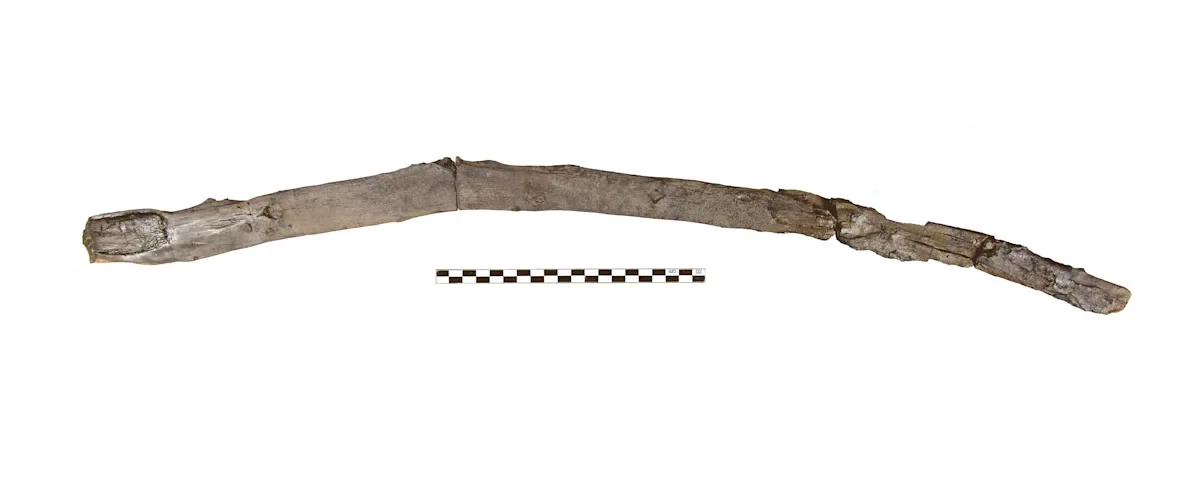
Archaeologists in China have discovered 300,000-year-old wooden tools from the Old Stone Age, indicating that early humans in East Asia crafted sophisticated tools for digging and planned visits to exploit underground plant resources, challenging previous notions of technological conservatism in the region.
Dr. Yousuke Kaifu and his team recreated a 225km Paleolithic-style canoe journey from Taiwan to Japan to demonstrate that early humans could have intentionally migrated across the sea using rudimentary technology, highlighting the complexity and skill involved in ancient maritime migrations.
A discovery of 300,000-year-old wooden tools in southwest China suggests advanced plant-based foraging by Denisovans, challenging previous notions of technological lag in East Asia during the Paleolithic era.
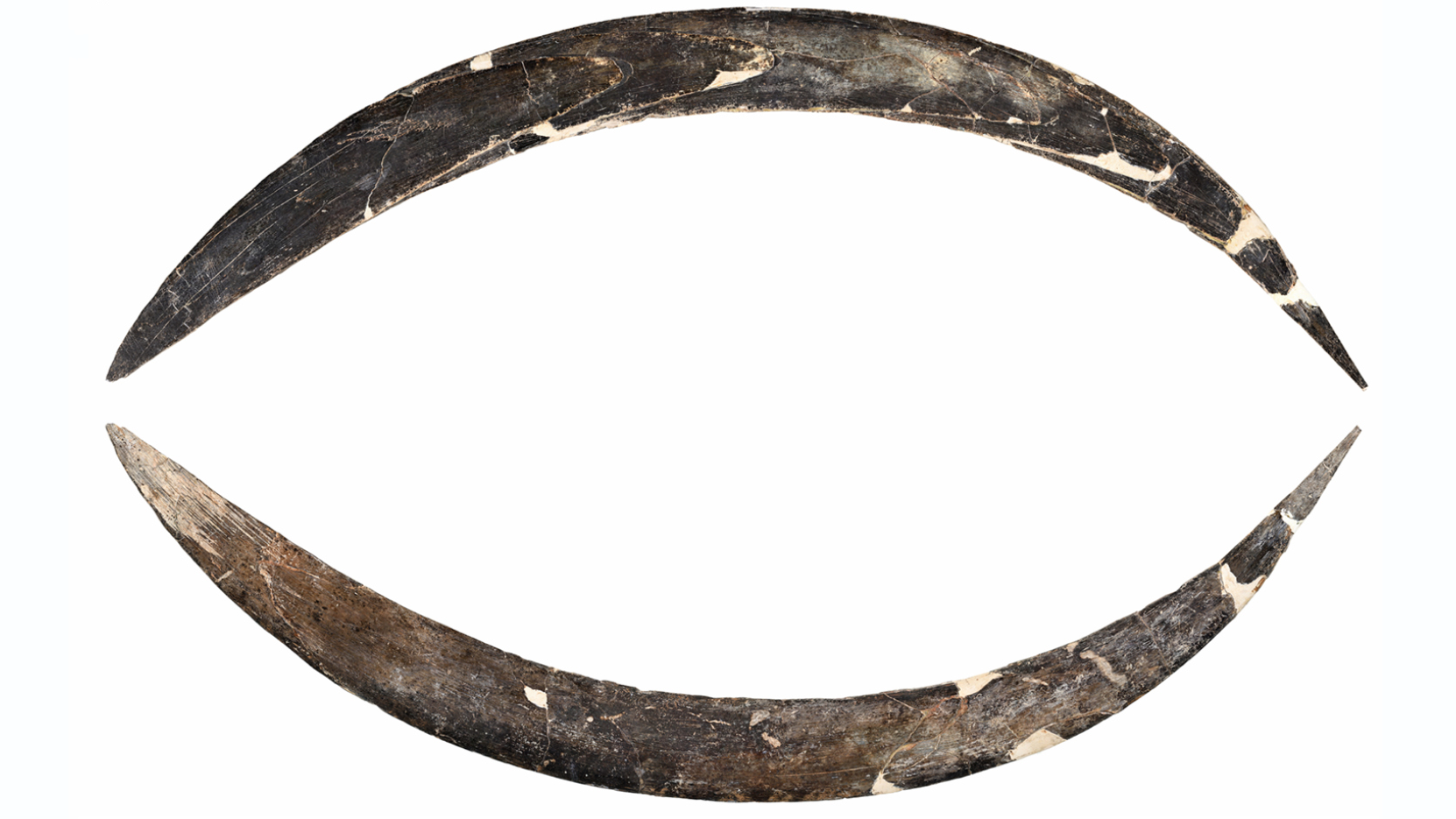
A 40,000-year-old mammoth tusk boomerang was discovered in Poland, making it the oldest in Europe and possibly the world, revealing advanced tool-making skills of early Homo sapiens during the Paleolithic period.
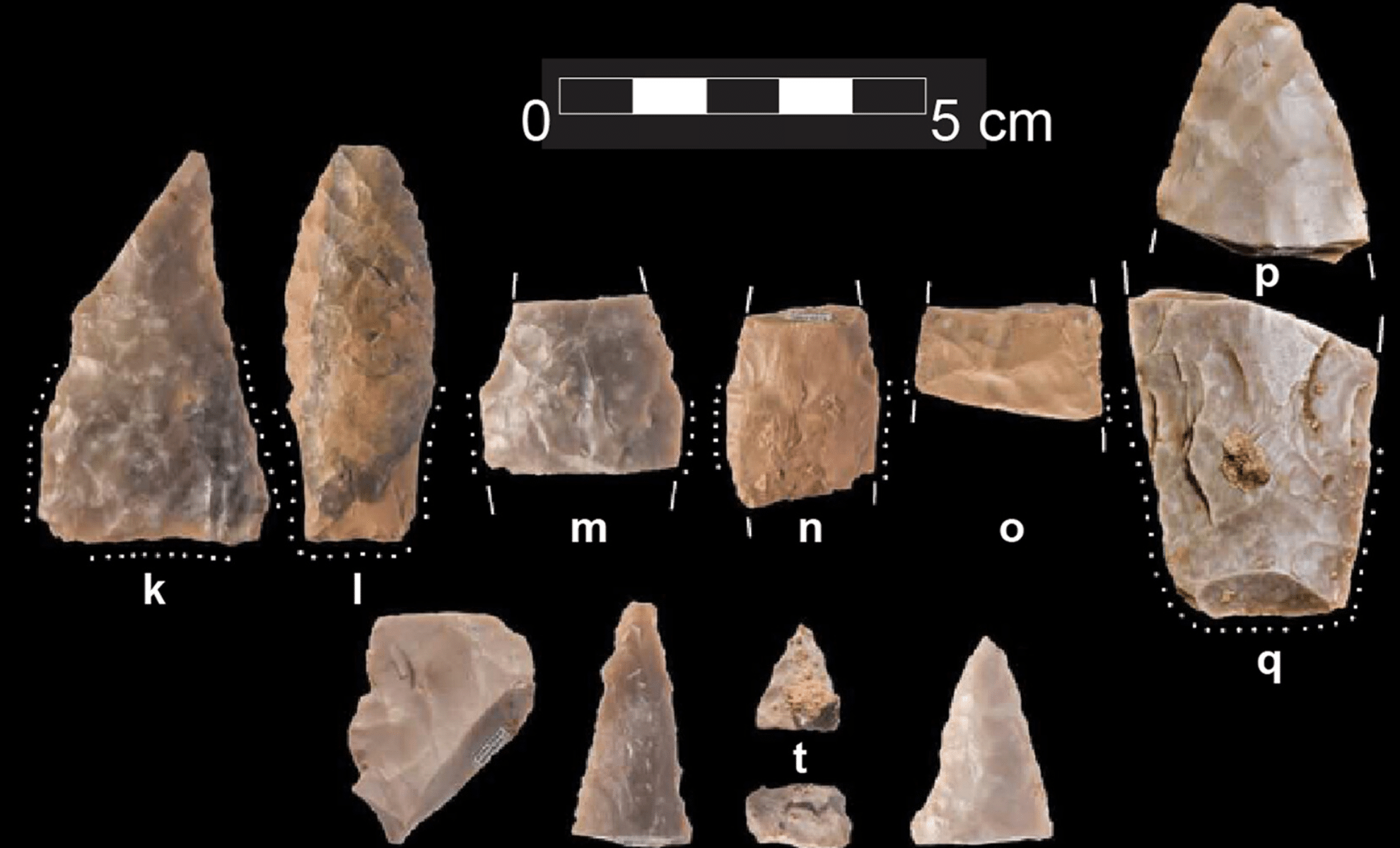
Archaeologists uncovered over 850 Paleolithic artifacts, including 1.5-million-year-old hand axes, in Iraq, shedding light on early human toolmaking and environmental adaptation, with significant implications for understanding human evolution and technological development.
Over 850 Paleolithic stone artifacts, some as old as 1.5 million years, were discovered on the surface in Iraq's Western Desert, shedding light on early human tool-making and migration patterns, with ongoing research and community engagement to understand ancient environments and cultural evolution.
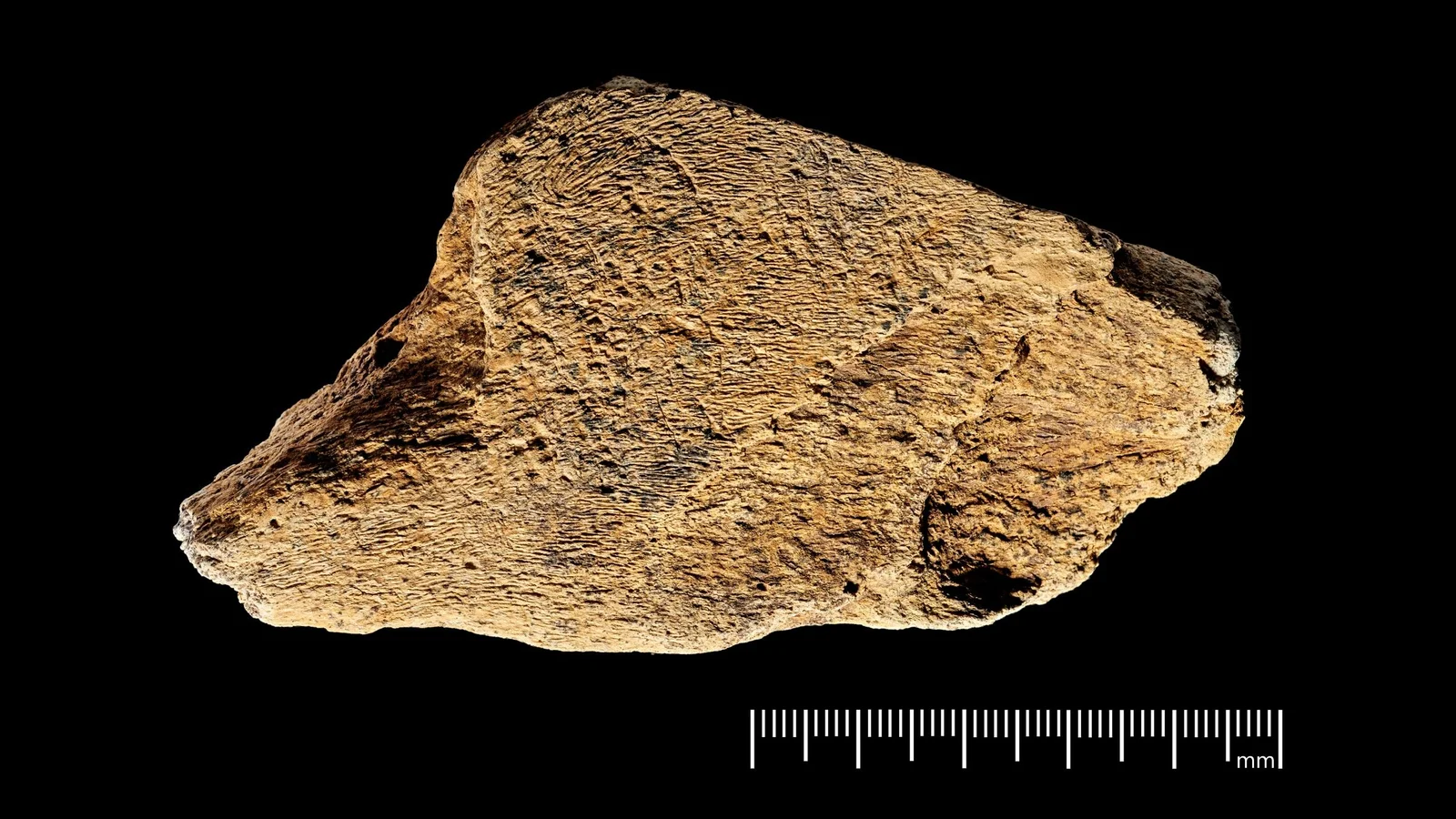
Scientists have discovered that around 20,000 years ago, early humans used whale bones to make tools and weapons, with most bones coming from sperm whales. These findings, based on bone samples from Spain and France, reveal the resourcefulness of Paleolithic coastal communities in utilizing marine resources, and highlight the ecological and cultural significance of whales in early human life.
Archaeologists have discovered that a deep-cave compound in Manot Cave, Galilee, Israel, likely served as a site for ritualistic gatherings during the Early Upper Paleolithic period. The cave, accidentally uncovered in 2008, contains a symbolically carved boulder and torch remains, suggesting ritual use. The site also yielded a significant human skull with both Neanderthal and modern features, supporting theories of co-existence and interbreeding between the two species. The cave's unique acoustics and lack of daily activity evidence further indicate its ritualistic purpose.
Recent research by archaeologists Eiki Suga and Seiji Kadowaki from Nagoya University reveals that early humans in southern Jordan, between 70,000 and 30,000 years ago, demonstrated sophisticated decision-making in selecting stone materials for tool-making. Their study, published in the Journal of Paleolithic Archaeology, shows that these humans chose flint based on its properties, balancing ease of crafting with durability, indicating a higher level of cognitive and technological sophistication than previously thought. This finding enhances our understanding of human evolution and adaptation.
A study by anthropologists from Tel Aviv University and the University of Minho suggests that ancient humans and their ancestors were apex predators for about 2 million years, primarily consuming meat from large animals like elephants and mammoths. This challenges the modern perception of Paleolithic diets as balanced with plant consumption. The research, published in the American Journal of Physical Anthropology, highlights that our evolutionary past involved a meat-rich diet, which is reflected in our metabolism, genetics, and physical traits, although it doesn't imply modern dietary recommendations.