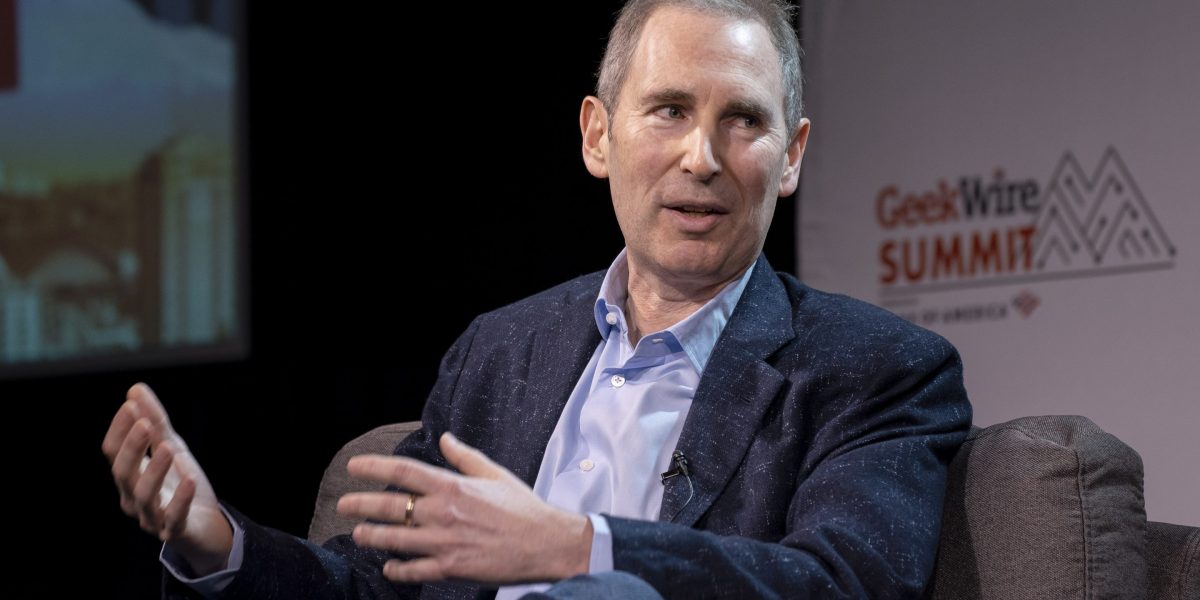
Amazon's return-to-office mandate, requiring employees to work in person five days a week starting in 2025, has led to "rage-applying" among workers. Experts suggest this policy may be a strategic move to reduce headcount without formal layoffs, as it could push dissatisfied employees to leave voluntarily. While Amazon claims the policy aims to strengthen company culture, it risks losing talent and facing recruitment challenges, especially as other companies may offer more flexible work options to attract Amazon's workforce.

Finland's status as the "happiest nation" may be attributed to its cultural emphasis on humility, trust, and work-life balance, as well as the passing of the Flexible Working Act in 1996. Finnish companies prioritize employee well-being with 92% offering flexible working hours, fostering strong workplace relationships and a healthy work-life balance. Despite their quiet confidence, Finland boasts a thriving ecosystem of successful startups and innovative companies, with a record $1.8 billion in funding received by Finnish startups in 2022. The Finnish approach to business success and happiness revolves around humility, trust, and balance, emphasizing the importance of investing in company culture for long-term success.
"Chronoworking" allows employees to choose work hours that align with their natural energy levels, known as "chronotypes," for maximum productivity. With the growing desire for flexible work post-Covid-19, workers are pushing for this approach, which has gained attention since the pandemic. While some companies are embracing chronoworking to boost performance and wellbeing, challenges such as coordinating team schedules and meetings remain. However, the benefits of allowing employees to work when they're at their best may outweigh these challenges, leading to increased productivity and employee satisfaction.
A recent survey by Bankrate found that 89% of full-time workers are in favor of remote and hybrid work or four-day work weeks. Over half of workers said they would be willing to switch jobs or industries to obtain their desired schedule. While some companies are pushing for a return to full-time in-office work, many sectors are still open to remote work. Career experts suggest that workers can negotiate for flexible schedules by doing their research, highlighting the benefits of remote work, and offering a trial run. If employers are not open to flexibility, workers may consider updating their resumes and seeking positions elsewhere, being upfront about their preferences during the job search process.
Employees who have become accustomed to flexible work schedules during the pandemic are resisting attempts by management to return to a pre-pandemic 9 to 5 grind. These "dead zone" workers are breaking up their workday to accommodate personal responsibilities and achieve a better work-life balance. While this approach offers benefits such as increased flexibility and time for personal tasks, it also carries the risk of overworking and burnout. Dead zone workers emphasize the importance of transparency, prioritization, and setting realistic expectations to manage their time effectively. They argue that productivity should be measured by the quality of work delivered, rather than the number of hours worked.
Employees who have become accustomed to flexible work schedules during the pandemic are resisting attempts by management to return to a traditional 9-to-5 grind. These "dead zone" workers, who prioritize personal responsibilities such as childcare or global coordination, are breaking up their workday to better accommodate their schedules. While this approach offers benefits like better work-life balance, it also carries the risk of overworking and burnout. Dead zone workers emphasize the importance of transparency, prioritization, and realistic expectations in managing their time effectively. They argue that productivity should be measured by the quality of work delivered, not the number of hours worked.
New York City Mayor Eric Adams and District Council 37 (DC 37) Executive Director Henry Garrido have announced the launch of a flexible work pilot program for city employees. Eligible employees can work remotely for up to two days per week, providing greater flexibility for city workers while ensuring the administration continues to "Get Stuff Done" for New Yorkers. The program will run until May 31, 2025, and will be renewed for a year thereafter if both parties agree.
A survey conducted by The Conference Board has found that 34% of American workers reported lower mental health levels than six months ago, with 37% saying their level of engagement is lower. Despite this, employees are working harder than ever, with 48% of those with declining mental health saying they work 50+ hours per week. The study suggests that companies may need to offer more flexible work arrangements, including work-free vacation time off and hybrid work, to help improve their workers’ well-being.
Sam Dogen, a pioneer of the FIRE (financial independence, retire early) movement who retired at age 34 with a $3 million net worth, is returning to work at age 45 to afford his children's college education. Though his day-to-day expenses are covered by passive income, he estimates it could cost as much as $1.5 million to send both of his children to college. Dogen plans to work through their college years and reassess from there, and is interested in opportunities in video production or working with a sports team. He cites the flexibility of remote work policies as a reason for his desire to return to work.