Tag

Hybrid Work

All articles tagged with #hybrid work

future-of-work22 hours ago

Microshifting: The Ultra-Flexible, Nonlinear Workday Gaining Ground

Microshifting slices the workday into short, non-continuous blocks (roughly 45–90 minutes) separated by personal time, a radical form of hybrid work that aims to align productivity with energy peaks and life responsibilities. It’s moving from fringe experiment to mainstream in 2026, supported by parents, global teams, and gig workers, but critics warn it can foster an 'always-on' culture and create coordination challenges if not implemented thoughtfully.

business10 days ago

Employers Shift Focus from Office Location to Work Timing in RTO Strategies

The focus of the Return to Office (RTO) debate has shifted from location to when employees work, with a growing demand for schedule flexibility and autonomy, driven by a desire for better work-life balance and concerns over burnout. Employers are urged to adopt tailored flexibility policies to retain talent and address psychological and physical well-being, as rigid schedules contribute to high burnout and turnover risks.

business4 months ago

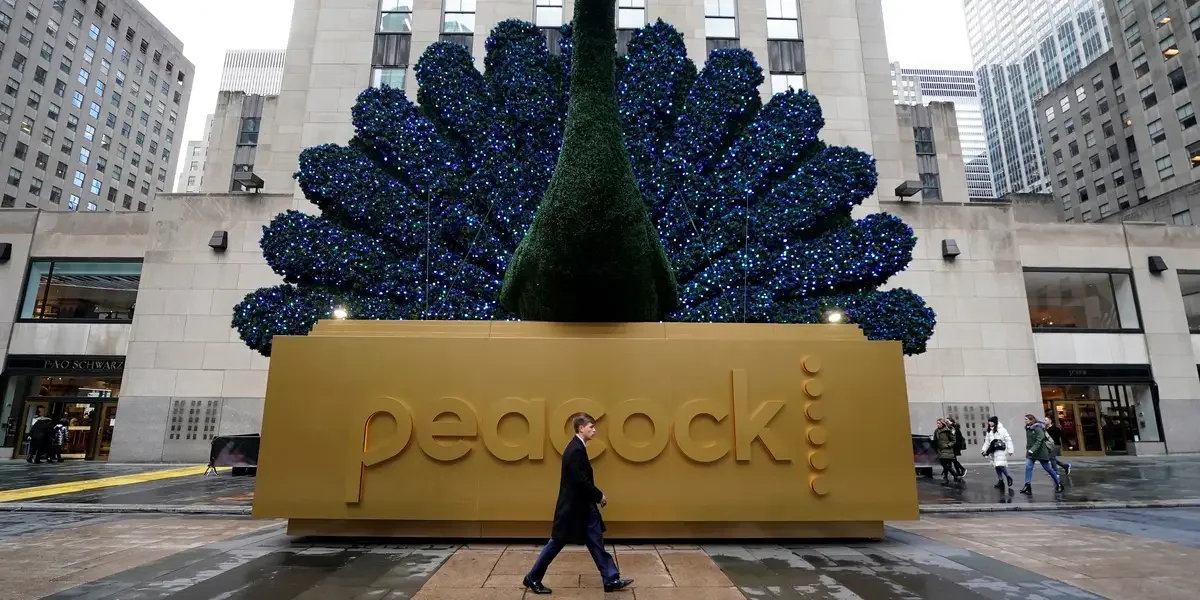
NBCUniversal Implements Four-Day In-Office Workweek for Employees

NBCUniversal is requiring hybrid employees in the US and UK to return to the office four days a week in 2026 or accept a severance package offering eight weeks of pay, continued healthcare for three months, and full bonus eligibility, with the offer available to VP level or below employees who are willing to transition out by the end of the year.

business5 months ago

Millennials Spark Coffee Badge Protest Against Office Return

The article discusses the rise of 'coffee badging,' where employees briefly appear in the office to meet expectations while primarily working remotely, a trend especially prevalent among millennials. This behavior is causing concern for companies like Samsung and Amazon, prompting stricter monitoring and new policies. The trend highlights a deeper disconnect between traditional workplace expectations and modern work realities, suggesting that companies may need to rethink their approach to office engagement and employee motivation.

business1 year ago

Amazon's Return-to-Office Mandate Sparks Employee Backlash and Industry Debate

Amazon's decision to require employees to return to the office five days a week is influencing other companies, including those in Boston, to reconsider their remote work policies. While some firms like Lupoli Companies are following Amazon's lead, others are opting for hybrid models. A KPMG survey indicates a growing trend towards in-office work, with 79% of US CEOs expecting a return to pre-pandemic office presence within three years. This shift could impact Boston's commercial real estate market, which is still recovering from high vacancy rates.

businessworkplace1 year ago

"Rising Trend: Employees Living 50 Miles Away from the Office"

A report from Stanford University and Gusto reveals that the average distance between employee residences and employer locations has increased from 10 to 27 miles between 2019 and 2023, with 5.5% of employees living over 50 miles away from their employer. The study indicates that high-earning Millennials in the Information sector or Finance & Insurance are more likely to live far from their workplace. Additionally, the article highlights the shift towards hybrid work models and varying remote work trends based on income levels and states across the U.S.

businessworkplace1 year ago

"Study: Remote Workers Living Farther from Main Offices"

A report from Stanford University and Gusto reveals that remote workers are living further from their employers, with the mean distance from employee residence to employer location increasing from 10 to 27 miles between 2019 and 2023. Additionally, 5.5% of employees now live over 50 miles away from their employer. The study also highlights that remote work is more prevalent among higher-earning Millennials in the Information and Finance & Insurance sectors, and a USA TODAY survey shows that remote work decreases as income rises. Furthermore, one-third of hiring managers report increased productivity due to remote work, and Colorado has the highest percentage of remote workers at 21%, while Mississippi has the lowest at 5.5%.

business1 year ago

"Financial Giants Tighten Return-to-Office Mandates for Hybrid Workers"

Fidelity Investments and Deutsche Bank are implementing specific return-to-office mandates, with Fidelity requiring most US employees to be in the office two full weeks out of every four starting in September, and Deutsche Bank mandating managing directors to come in four days a week and other staff members at least three, with a ban on working from home on a Friday followed by a Monday. This move reflects a trend of employers tightening the reins on remote work arrangements, but experts warn that companies risk alienating talent if they don't consider employee preferences for hybrid work.

labor-and-employment2 years ago

"Activision QA Workers Rally Against 'Soft Layoff' Mandate"

Activision quality assurance (QA) workers are protesting a new return-to-office mandate that requires them to work in-office five days a week starting in late January. The ABK Workers Alliance opposes the mandate, claiming that it will result in many employees being forced out of the company. Activision is offering severance packages to those who voluntarily leave due to the mandate. The workers' group argues that Activision has not adequately supported employees who need to work remotely for various reasons. The company claims that in-person work is more effective for the QA team, citing improved broadband speeds and better hardware access. The ABK Workers Alliance believes that the decision should be made on an individual basis, considering the needs of each employee.

business2 years ago

"Business Leaders Concerned About Rise of 'Coffee Badging' Job Trend"

"Coffee badging" is a new trend where employees return to the office for a short period of time, just enough to have a cup of coffee, show their face, and swipe their badge before going home to do the rest of their work. This trend has emerged as a form of protest against companies mandating a return to the office post-pandemic. A study found that 58% of hybrid workers are engaging in coffee badging. Employers are advised to research and address this trend by implementing flex hours, encouraging socialization among employees, and promoting open communication to improve work-life balance and prevent employee dissatisfaction.