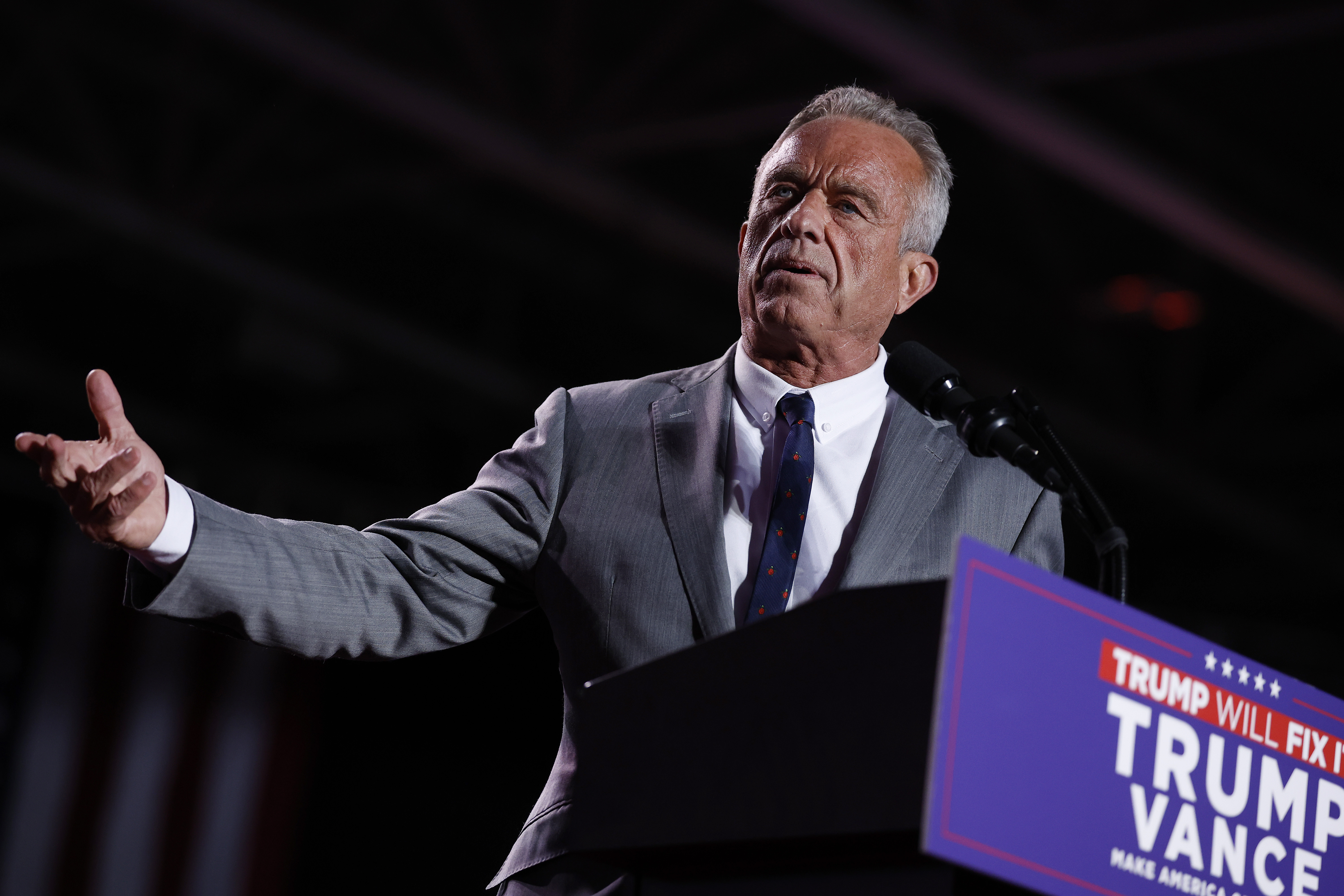
Robert F. Kennedy Jr.'s nomination as Health and Human Services Secretary by Donald Trump has sparked controversy among anti-abortion advocates, including former Vice President Mike Pence, who are concerned about Kennedy's inconsistent abortion stance. Despite Kennedy's past contradictory positions, some conservatives see an opportunity to influence his policies during the confirmation process. Anti-abortion groups are strategizing to work with Kennedy, hoping to align his environmental advocacy with their agenda, such as addressing alleged abortion pill pollution.
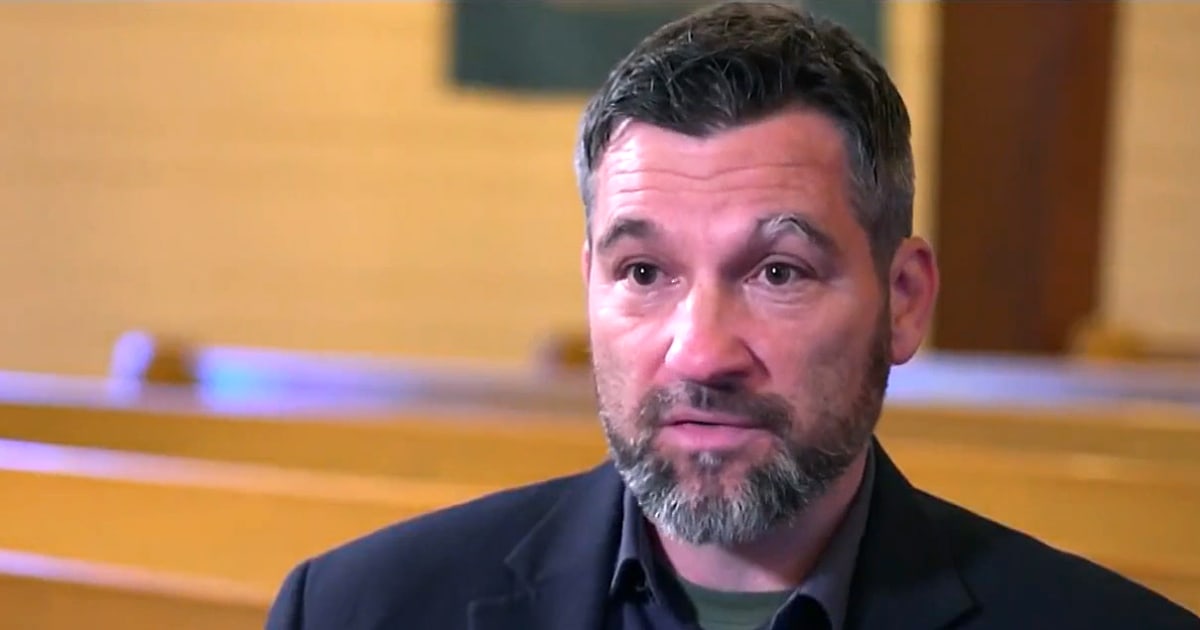
Operation Save America, a fundamentalist Christian group led by Jason Storms, is part of a growing network of "abortion abolitionists" advocating for the criminalization of all abortions without exceptions. The group uses aggressive tactics, including lobbying state legislators and confronting students and clinic patients, to push their agenda. Their extreme stance has created tension within the broader anti-abortion movement and poses a challenge for politicians like Donald Trump, who must navigate the divisive issue.
As Donald Trump's stance on abortion evolves, potential running mates are faced with the challenge of aligning with his latest positions, which include supporting exceptions for rape and incest in anti-abortion laws. Trump is closely scrutinizing his potential picks' past approaches to the divisive issue and has indicated that he would view unfavorably any candidate who doesn't support these exceptions. This presents a stark reversal from his previous vice presidential pick, Mike Pence, and threatens to drive a wedge between Republicans and anti-abortion groups.
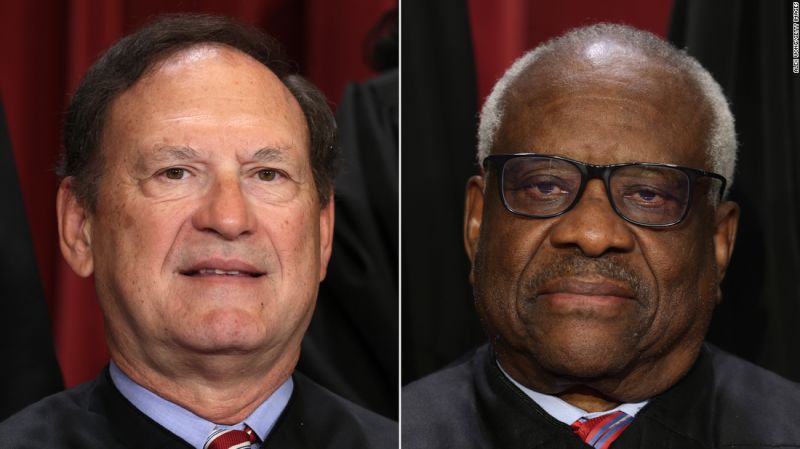
Former President Donald Trump's recent video statement on abortion revealed his shifting stance on the issue, highlighting how he prioritized politics over the principles of the anti-abortion movement. Despite appointing three Supreme Court justices who overturned Roe v. Wade, Trump blamed the movement for Republican losses and failed to fully embrace their agenda. His remarks indicated support for states to decide abortion policies, access to fertility treatments, and exceptions to abortion bans, signaling a departure from the staunch anti-abortion position he once championed.
Conservative justices' references to the 19th century Comstock Act during Supreme Court arguments on a major abortion pill case have brought new attention to the law, which prohibits mailing drugs used for abortions. The law is shaping up to be a flashpoint in the legal battle over abortion and a potential election-year issue. Anti-abortion advocates are calling for the enforcement of the Comstock Act to ban mailing abortion medication, while abortion rights supporters argue that opponents are overreading the law. The Supreme Court's ruling in the current FDA case could have significant implications for the enforcement and interpretation of the Comstock Act, potentially impacting access to medication abortion nationwide.
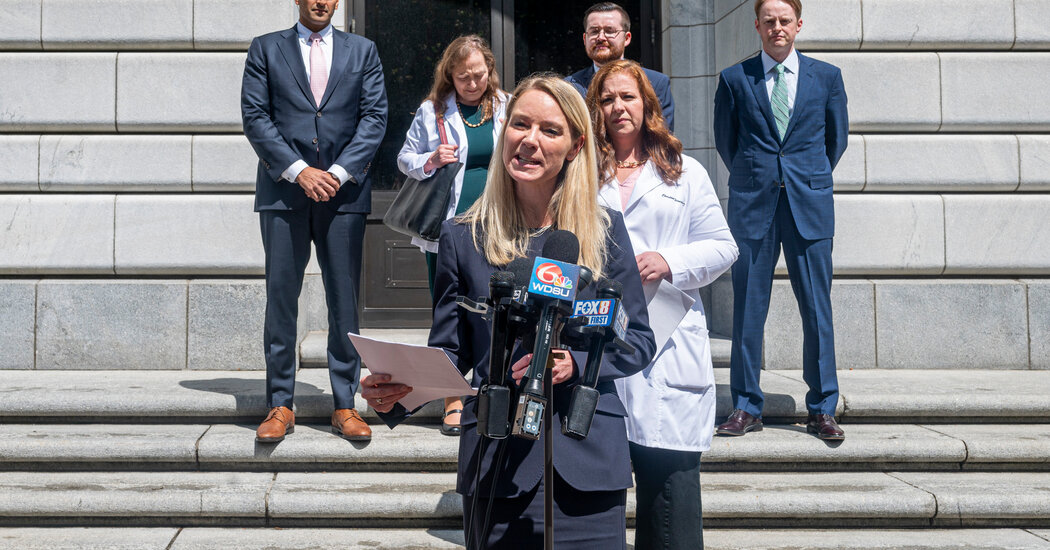
Erin Hawley, a law professor and wife of Senator Josh Hawley, is at the center of a Supreme Court case involving nationwide limits on abortion access, arguing to sharply curtail access to the abortion pill. Representing a group of anti-abortion doctors and conservative medical associations, she claims the abortion pill is a danger to women, while the FDA points to substantial scientific evidence of its safety.
A pharmacy professor's email complaint led to the retraction of three anti-abortion research papers, highlighting the use of poor-quality evidence by right-wing groups to influence abortion litigation and legislation. The upcoming US Supreme Court case, FDA v AHM, could reshape abortion access and the FDA's authority, with potential implications for other controversial drugs. The anti-abortion movement invests in research to produce evidence for litigation and legislation, often using fringe publications and academic journals. Despite efforts to challenge poor-quality evidence, the battle remains difficult, as journals can be reluctant to correct the scientific record.
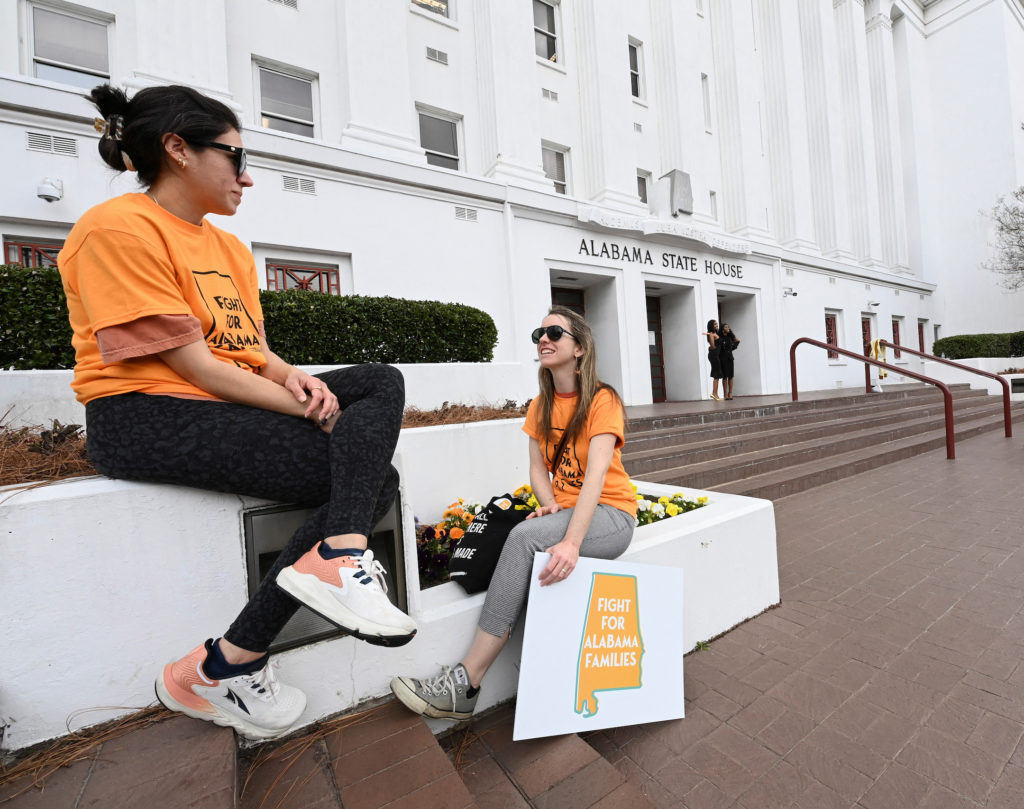
The all-Republican Alabama Supreme Court's ruling in February that embryos created through in-vitro fertilization are legally children has been celebrated by the anti-abortion movement. Julie F. Kay, a human rights attorney, discusses the recent legislative efforts to grant fetuses the legal rights of a person, shedding light on the ongoing debate surrounding fetal personhood and its implications for reproductive rights.
The anti-abortion movement has long aimed to restrict access to birth control, viewing it as encouraging sex outside of marriage and weakening families. While there is no proposed legislation to ban contraception, anti-abortion leaders have been quietly laying the groundwork to curtail access for decades. They aim to blur the line between birth control and abortion, with some Republican lawmakers and religious groups endorsing the idea that birth control is a form of abortion. Secular "wellness" influencers have also joined in, spreading misinformation about the risks of hormonal birth control. As the national debate over reproductive rights continues, attention to efforts to expand or restrict access to birth control will be crucial.
The recent Alabama Supreme Court ruling on frozen embryos as legally protected children has brought attention to the anti-abortion movement's efforts to grant embryos and fetuses legal and constitutional protections, with proposals in several states seeking to provide child support back to conception and income tax deductions for dependent children before birth. While abortion opponents argue that these measures aim to support vulnerable women and families, abortion rights advocates see them as potentially having broader implications and part of a coordinated anti-abortion campaign across the U.S.
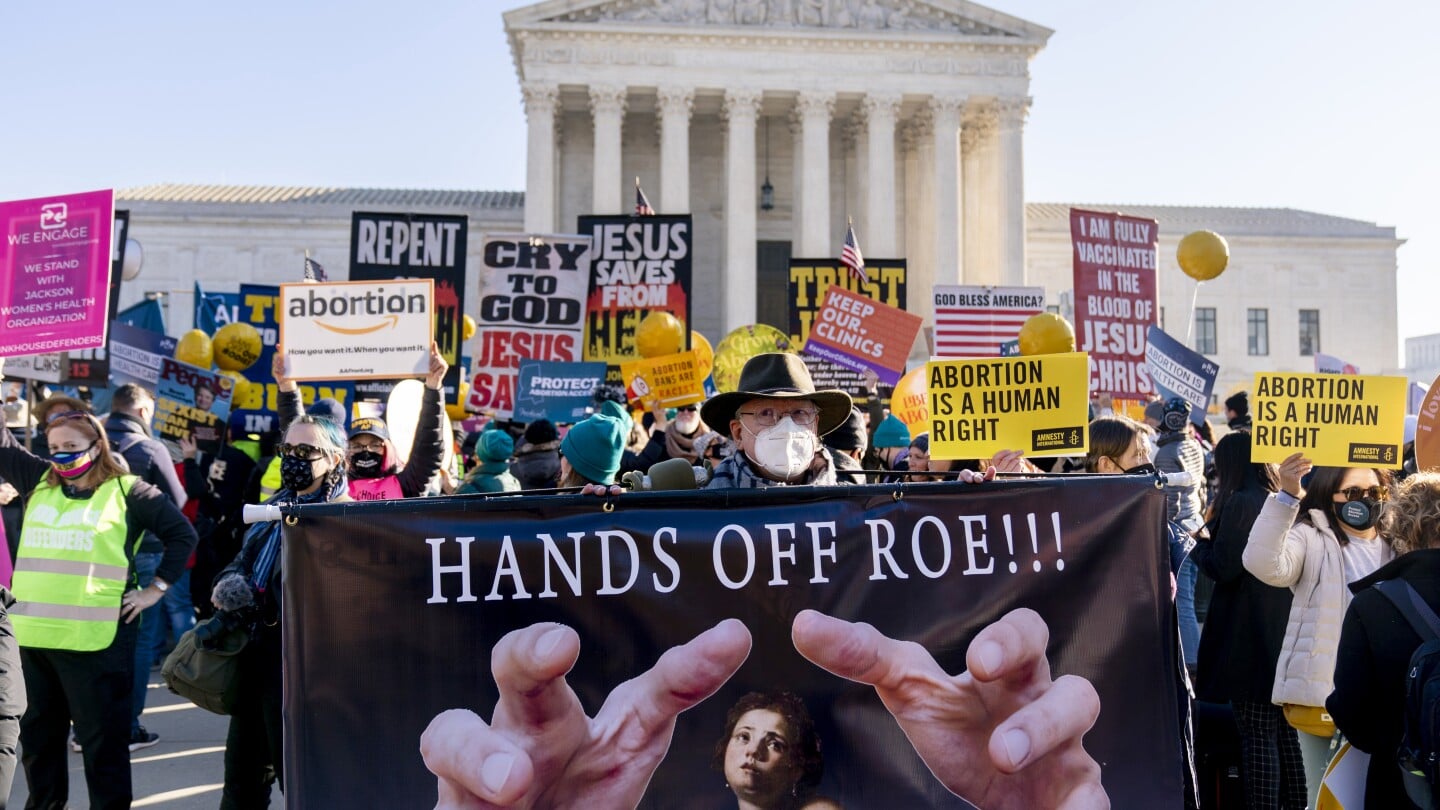
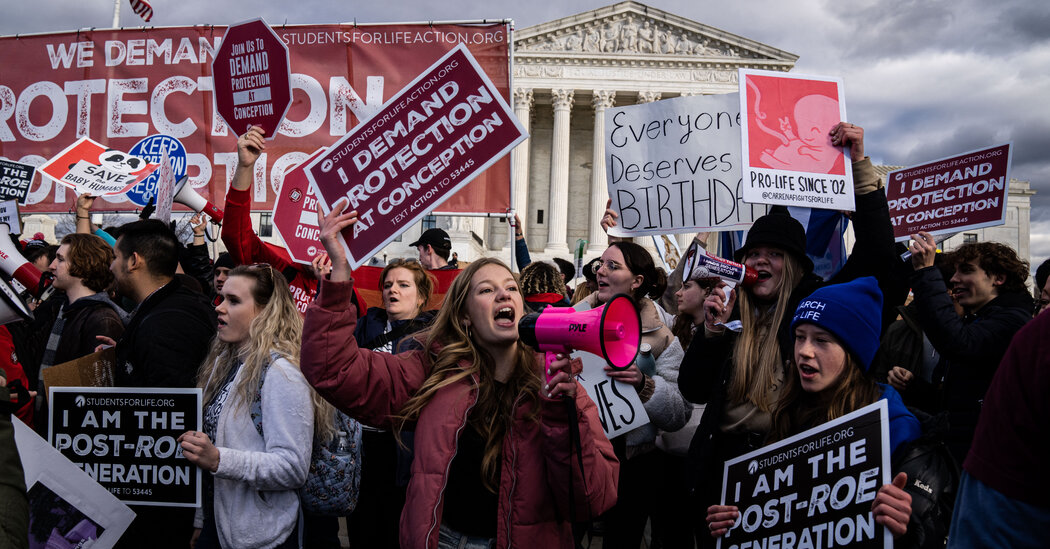
On the 51st anniversary of Roe v Wade, the anti-abortion movement gathered at the National Pro-Life Summit to strategize a comeback, expressing dissatisfaction with recent political setbacks and Republican support. Despite facing challenges, they aim to reinvigorate their movement and influence the 2024 elections. The movement accuses Democrats of spreading misinformation and vows to continue fighting for their cause, emphasizing the importance of electing pro-life candidates.
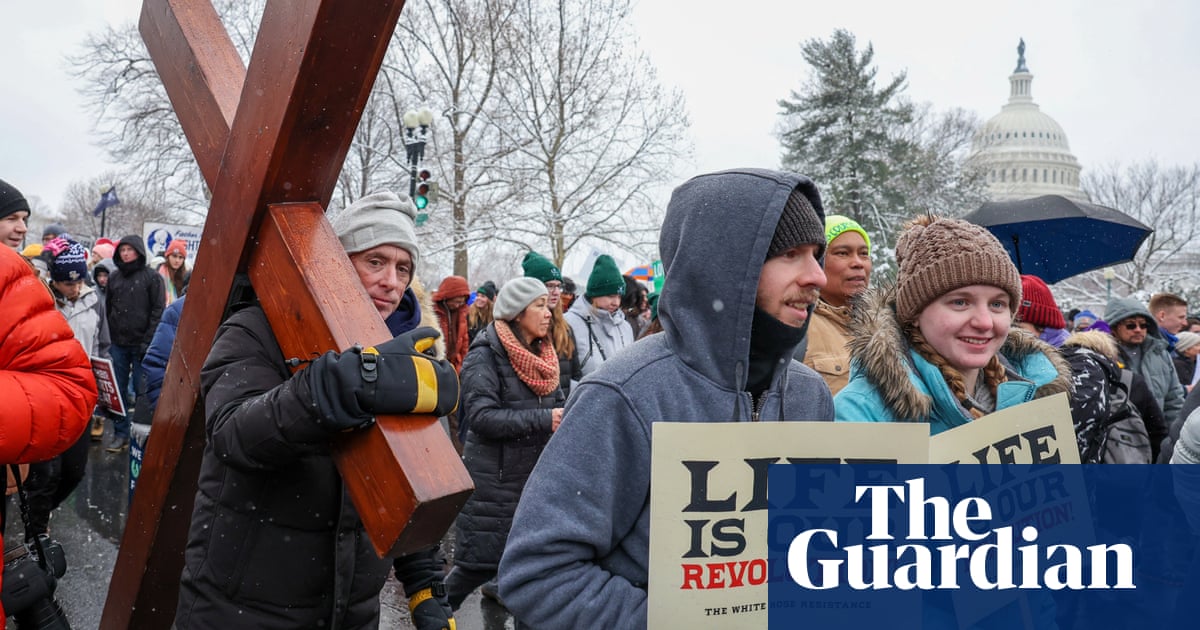
The annual March for Life in Washington faces a different political climate after the reversal of Roe v. Wade, with the anti-abortion movement encountering setbacks in the court of public opinion and fewer powerful allies. The movement is now focused on state-by-state battles over politics and policy, as well as shifting its messaging to focus on the needs of pregnant women and their families. The Democratic Party is mobilizing in support of abortion rights, while the anti-abortion movement aims to expand its reach at the state level and transfer its persistence into local marches that push for state action.
Former President Donald Trump's recent comments on abortion have left the anti-abortion movement divided and uncertain. While some groups are giving Trump more time to clarify his position and expect him to eventually support a national abortion ban, others are considering tactics such as making a primary endorsement, protesting outside his events, or redirecting campaign budgets to down ballot races. Trump's attempt to have it both ways on the issue has exposed divisions within the movement and raised questions about his commitment to their cause. His opponents for the GOP nomination are seizing on his remarks to draw a contrast and pry away conservative voters. The anti-abortion movement is concerned about alienating Trump but also loath to let his remarks go unchallenged.
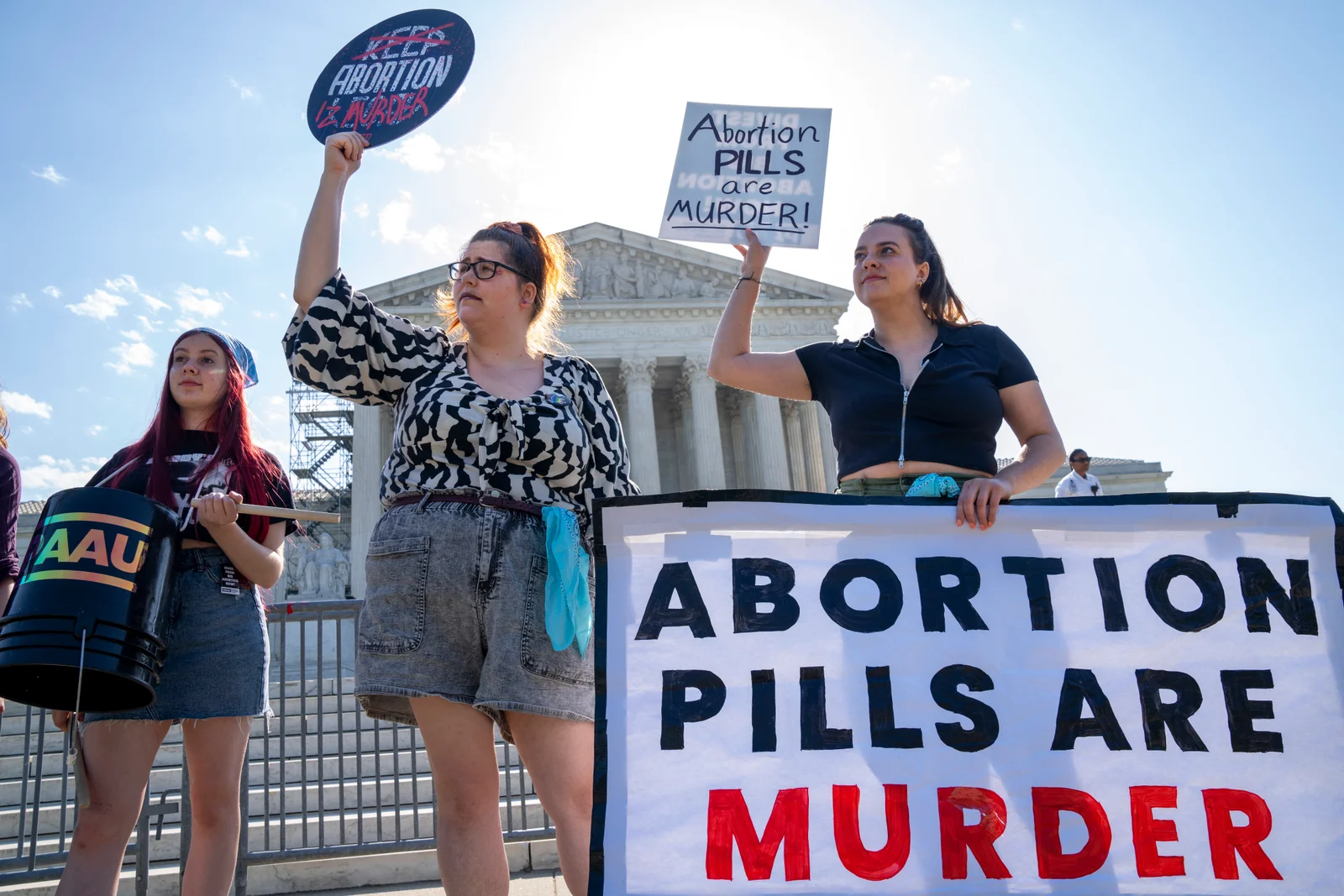
The availability of abortion pills, such as mifepristone, presents a political gift to Republicans who oppose abortion. However, pushing for new restrictions on medication abortions could lead them into a political dead-end. The majority of abortions in the US are now self-induced through medication, making it difficult to prosecute those involved. Anti-abortion groups are attempting to target pharmacies, but it is unlikely to be effective. The question of who should be held criminally responsible for self-induced abortions is becoming unavoidable, forcing Republicans to answer an uncomfortable question. Criminalizing women who terminate their pregnancies is politically untenable, and the anti-abortion movement risks a backlash if they pursue this path.
A 22-year-old woman named Lorna Roxanne Green has been arrested for allegedly burning down Wyoming's only full-service abortion clinic last May. The suspect was caught on security footage carrying a can of fuel into the building shortly before the fire. The clinic was under construction and hadn't yet opened at the time. Green's arrest comes at a fraught time for abortion access in Wyoming, as a near-total abortion ban took effect in the state this week. The attack on the Wyoming clinic is part of the mounting violence targeting abortion clinics and providers.