Lesbian couples in Alabama are facing uncertainty and fear after the state's highest court ruled that embryos are legally children, leading to major fertility clinics halting in vitro fertilization procedures due to potential legal liability. The ruling disproportionately affects LGBTQ parents, who rely on assisted reproductive technology more than heterosexual couples. Many are now scrambling to transport their embryos out of state, fearing legal implications. Critics argue that proposed legislation fails to address the core issue raised by the court ruling, and some LGBTQ advocates worry that the ruling reflects a broader anti-abortion agenda.
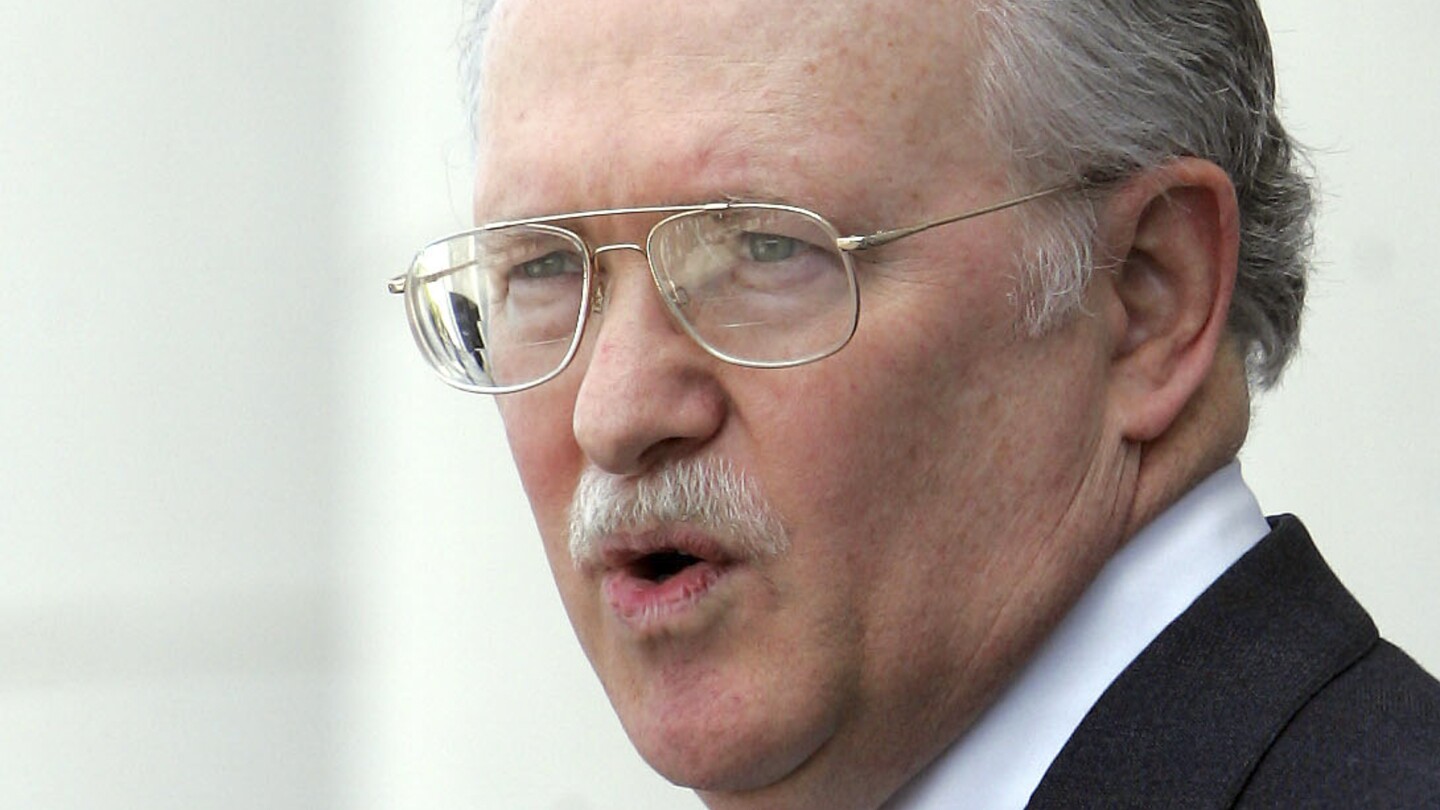
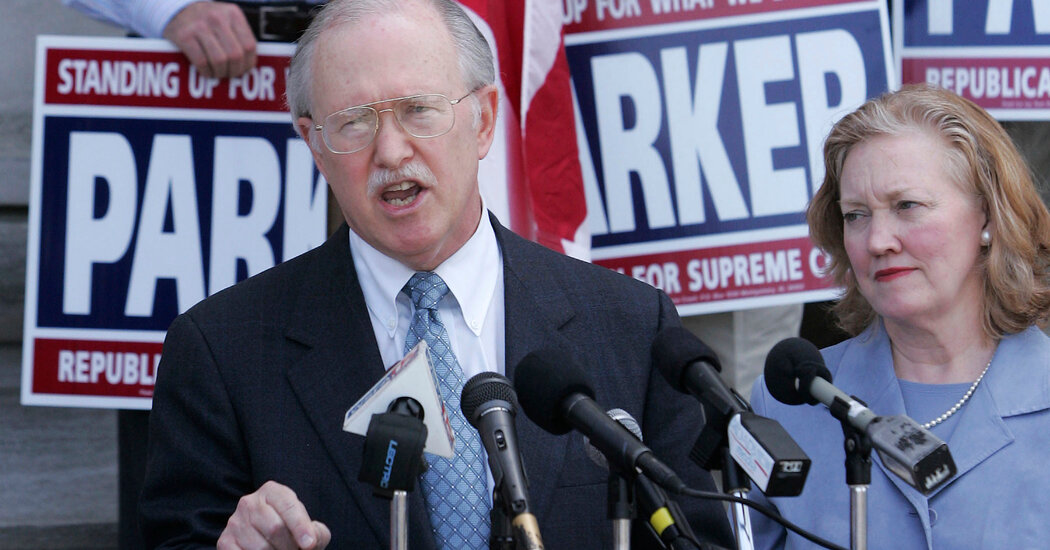
Alabama Supreme Court's ruling that frozen embryos are considered children under state law, with Chief Justice Tom Parker citing Bible verses and Christian theologians in his opinion, has sparked a debate on church-state separation. Advocates fear that such explicit references to Christian theology could embolden government officials to challenge the separation of church and state, while anti-abortion activists rejoice at the decision. The ruling reflects the influence of the conservative Christian legal movement and could impact decisions in other state courts and legislatures, particularly in states with fetal personhood language in their laws.
Alabama Chief Justice Tom Parker invoked God and religious beliefs in a concurring opinion on a Supreme Court decision regarding the status of frozen embryos, stating that "unborn children are 'children'" and that "human life cannot be wrongfully destroyed without incurring the wrath of a holy God." His opinion has sparked controversy and raised concerns about the intersection of religious beliefs and legal decisions in reproductive medicine.