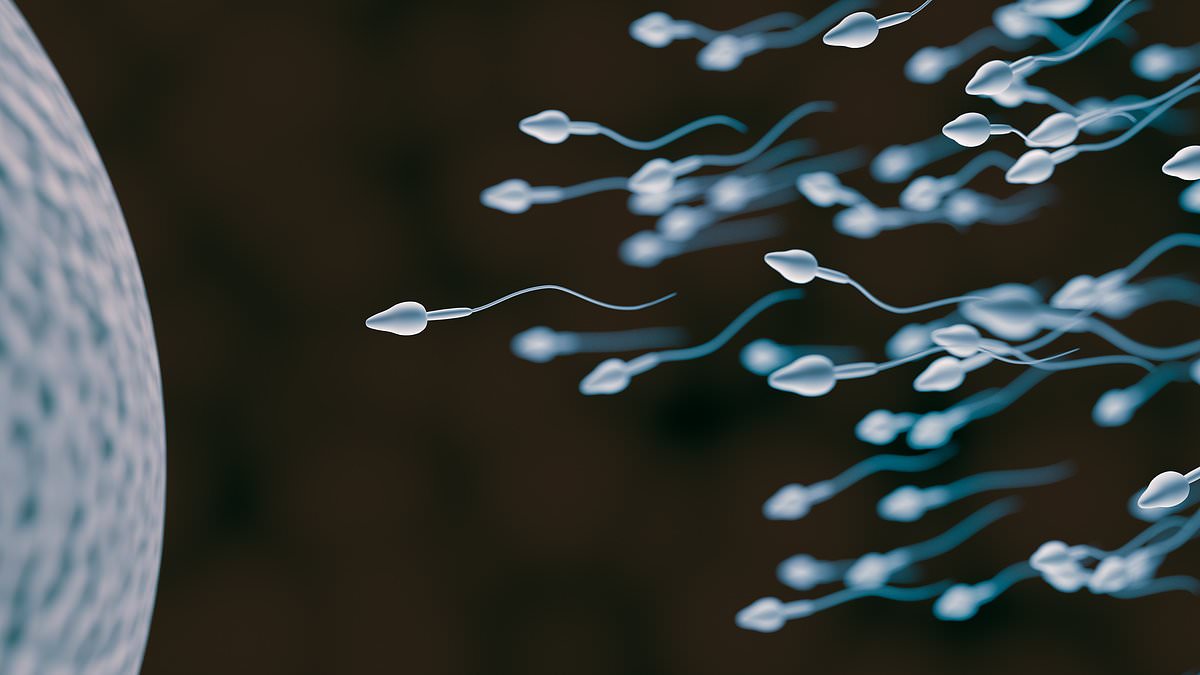
Scientists at Kyoto University have discovered that sperm defy one of Newton's laws of physics by propelling themselves forward through fluid without eliciting an equal and opposite reaction. The sperm's flagella, or tails, change shape to interact with the fluid, allowing them to move without expending much energy. This movement method, known as "odd elasticity," contradicts Newton's law of motion. The researchers used human sperm cells and algae for their study, observing how the flagella deformed and returned to their original shape to propel the swimmers through the liquid.
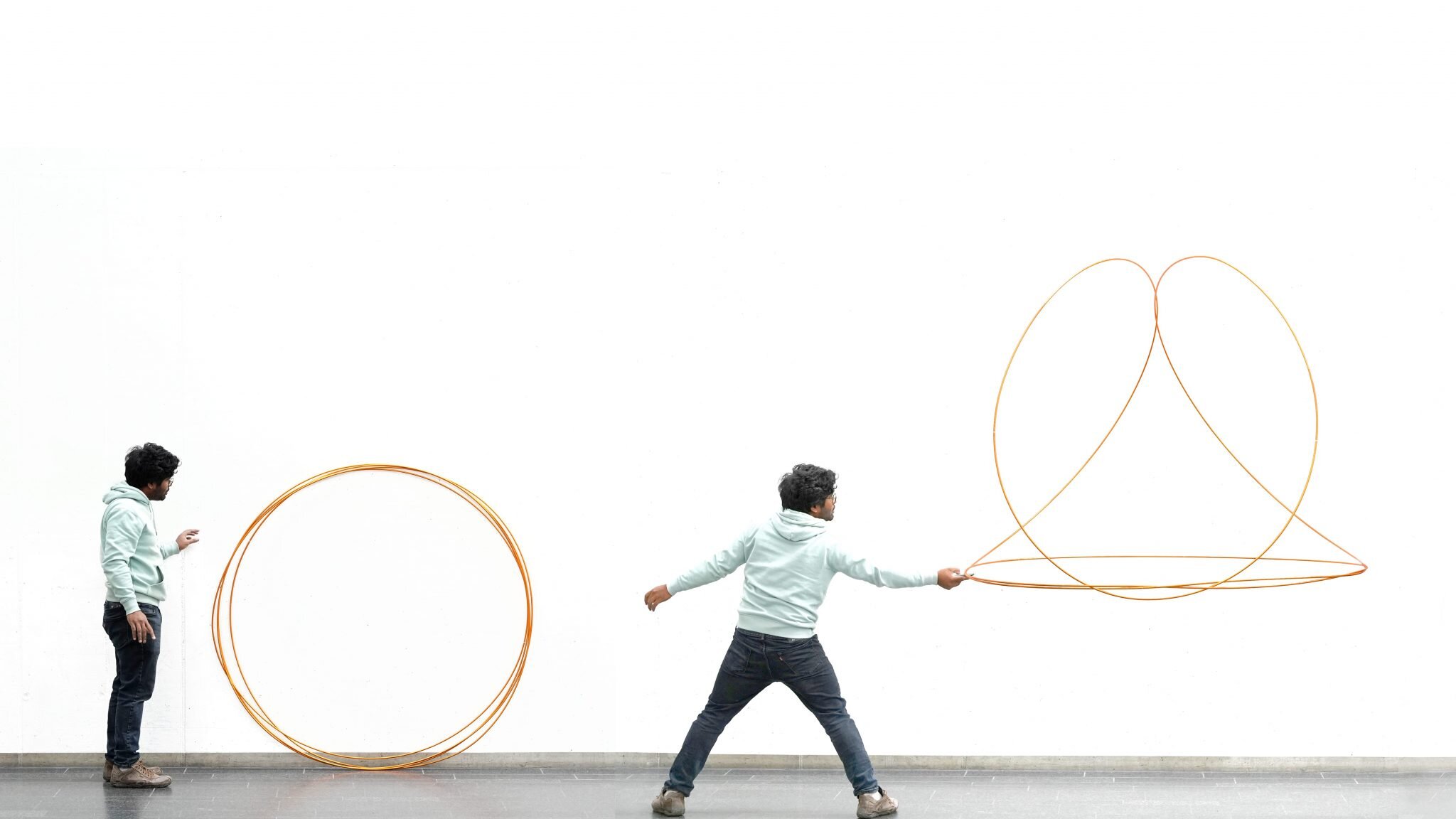
Researchers at the Ecole Polytechnique Federale de Lausanne have discovered thousands of new transformable knots, including three novel shapes that the figure-eight knot can assume. Using a computational pipeline that combines randomized spatial sampling and physics simulation, the team identified new geometric and topological patterns in elastic knots. These findings have implications for the design of self-deployable structures and the development of new metamaterials. The research opens up potential new directions for studying complex ensembles of knotted systems.
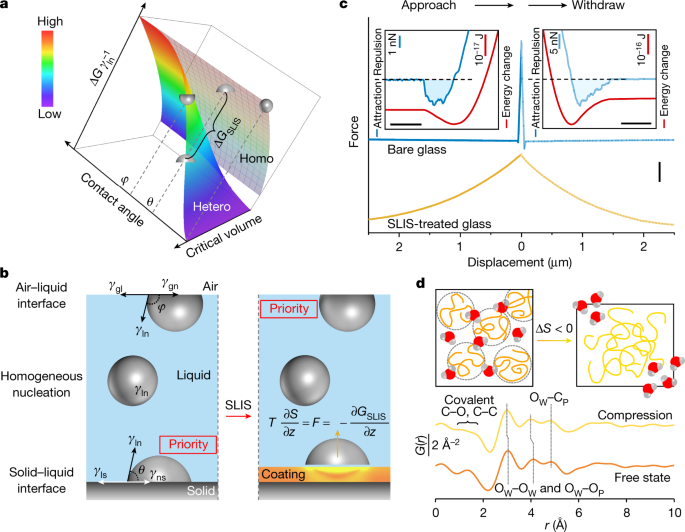
Researchers have developed a mechanistic formulation for inorganic membranes at the air-liquid interface, which could lead to the creation of new types of membranes for applications such as water purification and gas separation. The study focused on the interfacial tension between the membrane and the liquid, as well as the elasticity of the membrane. The researchers used a combination of theoretical modeling and experimental techniques to develop their formulation, which could be further refined using cellular automata simulations.