Challenging Gender Roles in Prehistoric Labor: New Evidence Emerges
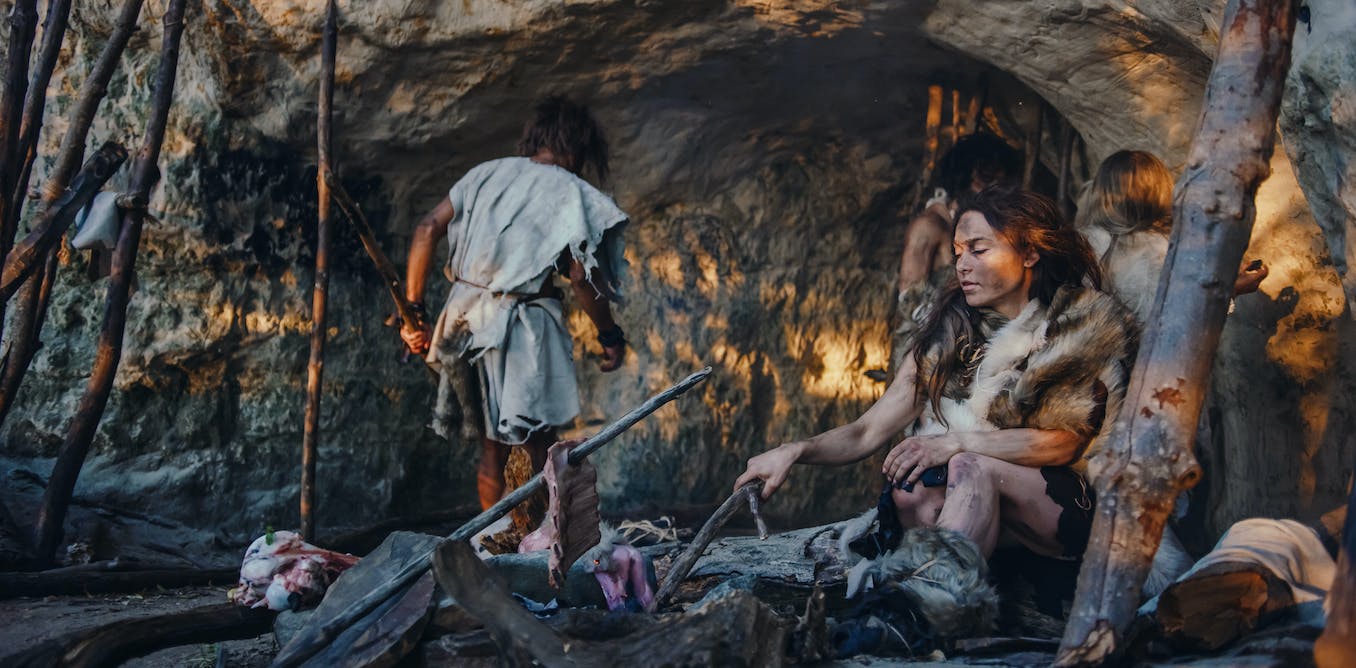
Physiological and archaeological evidence challenges the assumption of a gendered division of labor in prehistoric times. The idea that men were hunters and women were gatherers is a narrative that has been perpetuated by biased interpretations and lacks sufficient evidentiary support. Recent research suggests that women may have been better suited for endurance-dependent activities like hunting. Female bodies have physiological advantages such as higher estrogen levels, which contribute to endurance performance, fat metabolism, and post-exercise recovery. Archaeological evidence from Neanderthals and early modern humans also indicates a lack of gendered labor roles. The notion that women were limited to gathering due to reproductive capabilities ignores female physiology and perpetuates existing power structures.