Tag

Zika Virus

All articles tagged with #zika virus

health-medical-research1 year ago

"Zika Virus Vaccine Shows Promise in Fighting Brain Cancer"

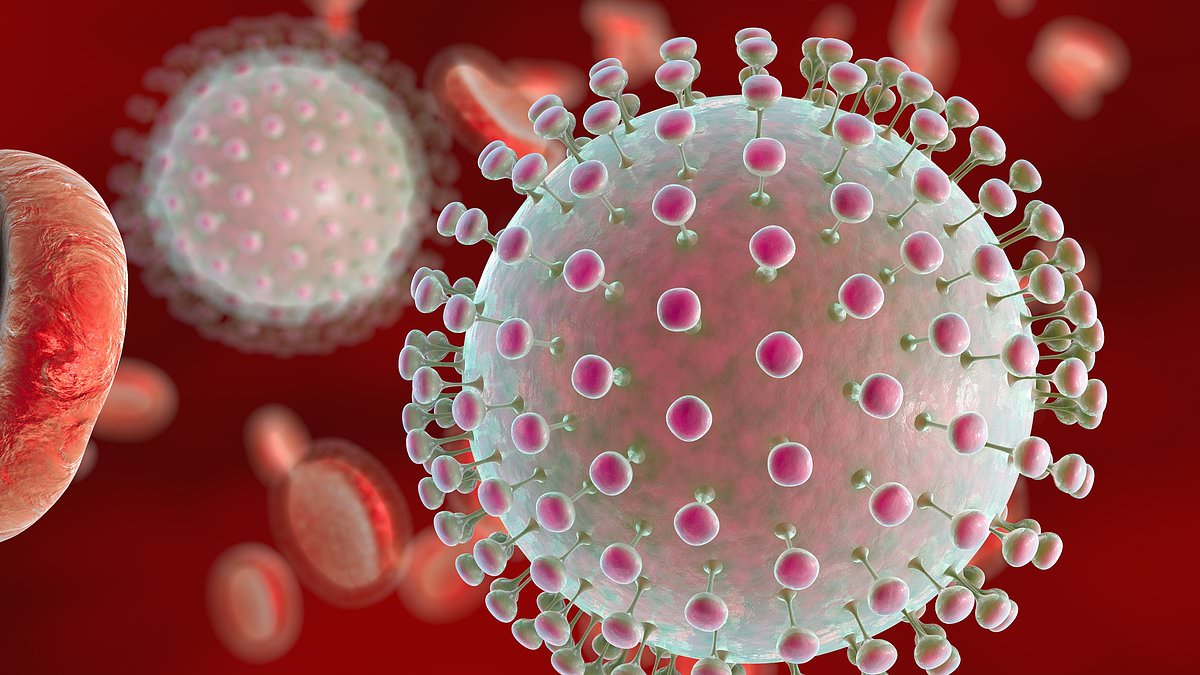
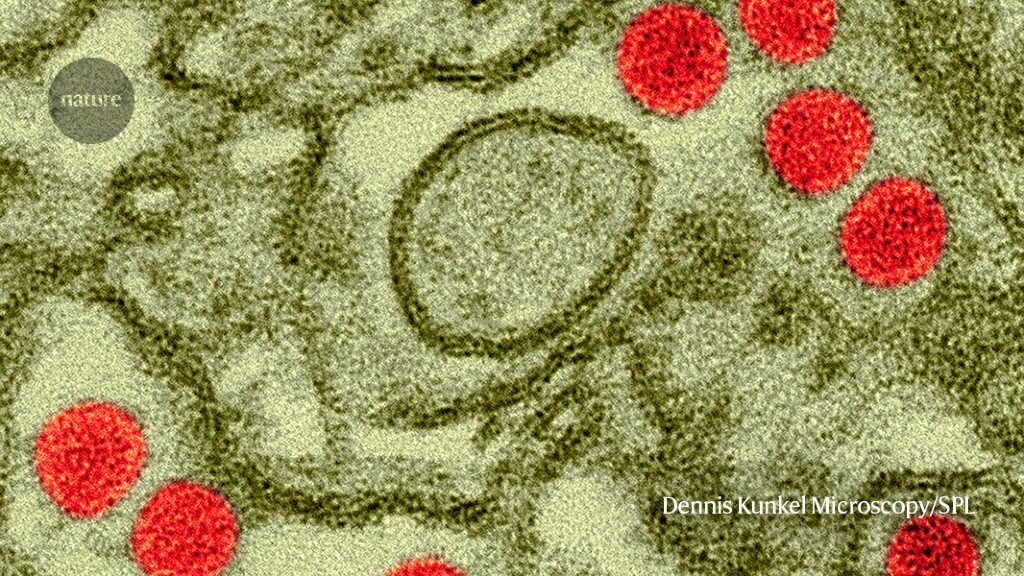
Scientists have developed a weakened version of the Zika virus that shows potential as a treatment for brain cancer, particularly glioblastoma multiforme (GBM). In lab experiments, the virus targeted and killed off tumor cells while sparing healthy cells. This research represents a new approach to repurposing the Zika virus, which has been primarily known for causing severe congenital conditions in newborns. The team from Duke-NUS Medical School plans to further develop the virus as both a Zika vaccine and a potential cancer treatment for various types of cancers.

health-medical-research2 years ago

"Using Zika Virus to Target Deadly Cancers"

Researchers in Florida are exploring the potential of using the Zika virus as a therapy for neuroblastoma, a deadly childhood cancer, by targeting the CD24 protein that is overexpressed in these tumors. In a study on mice, the virus led to significant reduction and even complete elimination of neuroblastoma tumors. While this approach shows promise, further studies are needed to ensure its safety before moving on to clinical trials. Zika virus, typically spread by mosquitoes and through unprotected sex, has shown potential to be an effective bridge therapy for high-risk neuroblastoma patients and possibly for other cancers expressing high levels of CD24.

science2 years ago

The Surprising Survival Tactics of Zika Mosquito Eggs

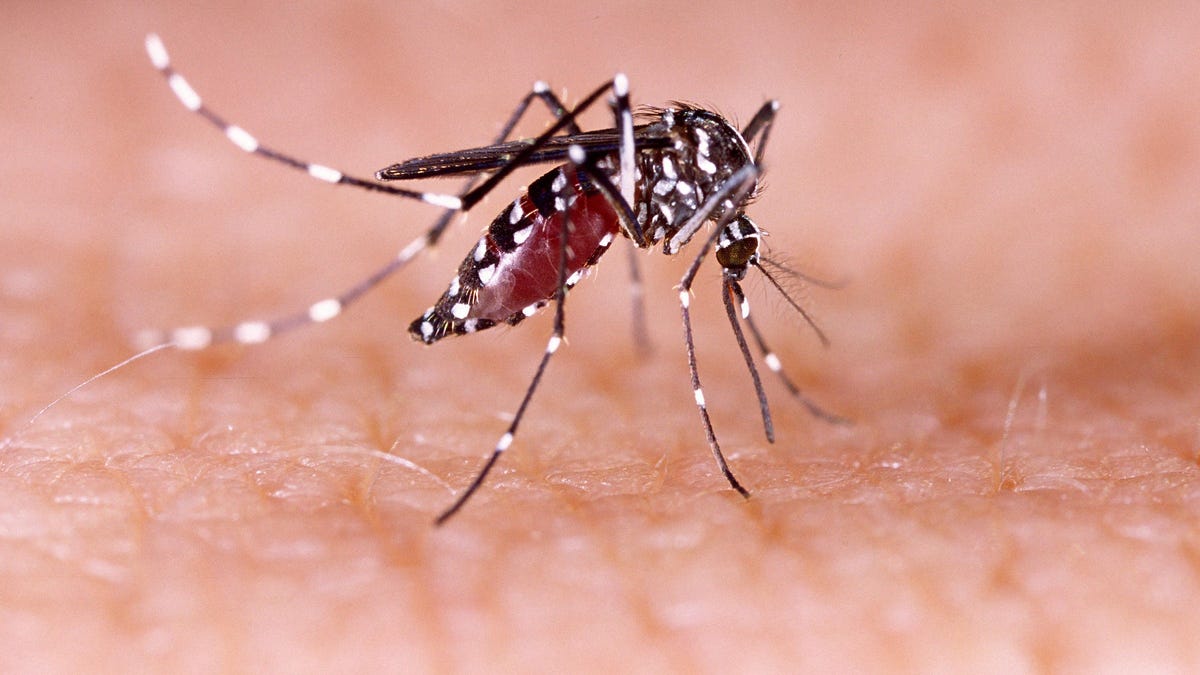
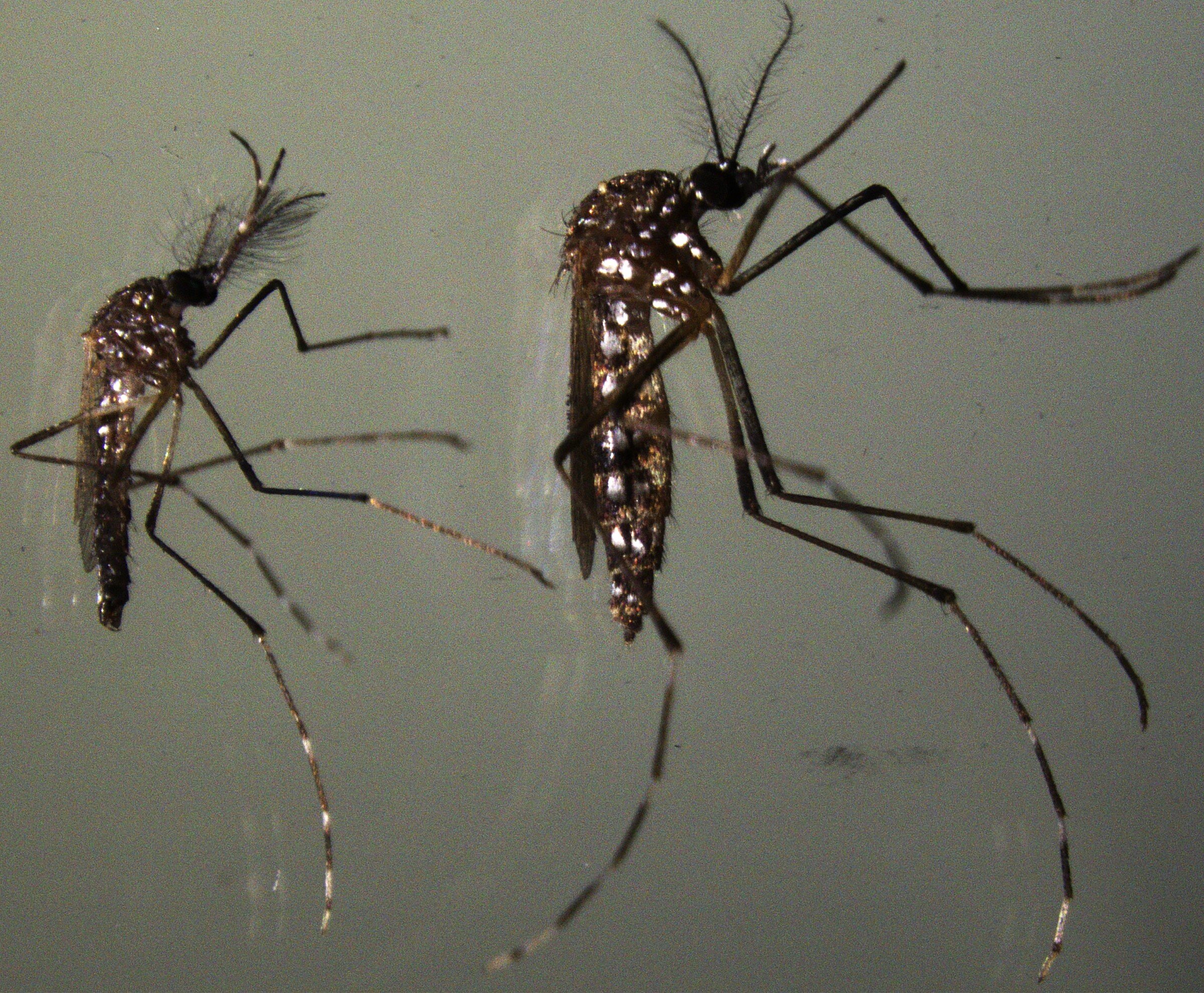
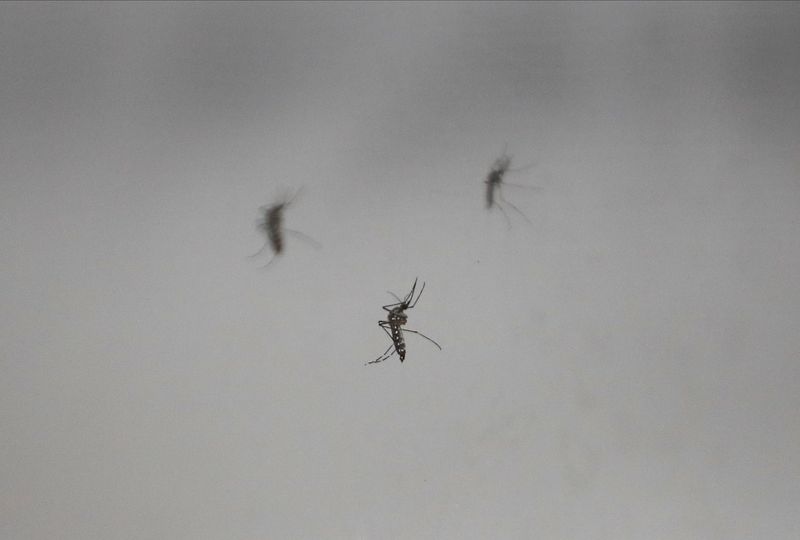
Eggs of the Aedes mosquito, which carries the Zika virus, have been found to survive desiccation by altering their metabolism, according to a study. Researchers discovered that the eggs undergo changes in metabolic pathways, including an increase in lipid metabolism and a decrease in glycolysis and ATP production. The eggs also accumulate polyamines, which help protect cellular components. Inhibitors of polyamine synthesis and fatty acid metabolism reduced the eggs' ability to survive desiccation. These findings provide insights into controlling the spread of the Zika-carrying mosquito and suggest potential vector-control agents.

health2 years ago

The Controversial Decision to Infect People with Zika: Explained

Researchers in the United States have conducted the first deliberate infection of human volunteers with the Zika virus, aiming to advance our understanding of the disease and accelerate the development of treatments and vaccines. The study involved infecting 20 female volunteers with two different Zika strains, all of whom developed mild illness. This breakthrough could provide valuable insights for researchers and help overcome the challenges of recruiting infected subjects for clinical trials. Zika, which gained global attention in 2015 due to its link to neurological birth defects, has no licensed vaccines or treatments available.

health2 years ago

"Volunteers willingly infected with Zika to accelerate vaccine and treatment research"

Researchers at the Johns Hopkins Bloomberg School of Public Health have successfully infected human volunteers with the Zika virus in a controlled human infection model, a significant step towards understanding the disease and developing vaccines and treatments. The study, deemed safe and scientifically important by U.S. regulators and the World Health Organization, aims to address the lack of knowledge about Zika transmission patterns and the mental health burden on pregnant women in endemic regions. The infected volunteers developed mild illness, and the next step is to evaluate the virus in male volunteers to assess its infectiousness in semen. Several vaccine manufacturers have expressed interest in using the strains to test experimental products.

health2 years ago

Unveiling the Disturbing Motive Behind the Deliberate Zika Infection of Women by a Scientist

Scientists have deliberately infected healthy volunteers with the Zika virus in a controlled setting to test the efficacy of potential vaccines. The study involved 28 women who were not pregnant or lactating, and all participants who received the virus were infected. The results suggest that human challenge studies could be a feasible method for testing vaccines when Zika incidence is low. The controlled infection model could potentially reduce the number of participants needed for vaccine efficacy trials. However, concerns remain about the potential risks of larger challenge studies and the need for subsequent clinical trials to establish vaccine safety. Despite the decline in Zika cases, researchers emphasize the importance of vaccine development due to the possibility of future outbreaks.

health2 years ago

"Volunteers willingly infected with Zika to accelerate vaccine and treatment research"

Researchers at the Johns Hopkins Bloomberg School of Public Health have successfully infected human volunteers with the Zika virus in a controlled human infection model, marking a significant step towards understanding the disease and developing vaccines and treatments. The study, deemed safe and scientifically important by U.S. regulators and the World Health Organization, aims to address the lack of knowledge surrounding Zika transmission patterns and the potential for future outbreaks. The infected volunteers, who were not pregnant or lactating, developed mild illness and will be monitored to assess the duration of infectiousness. Vaccine manufacturers have already expressed interest in using the strains to test experimental products.

health2 years ago

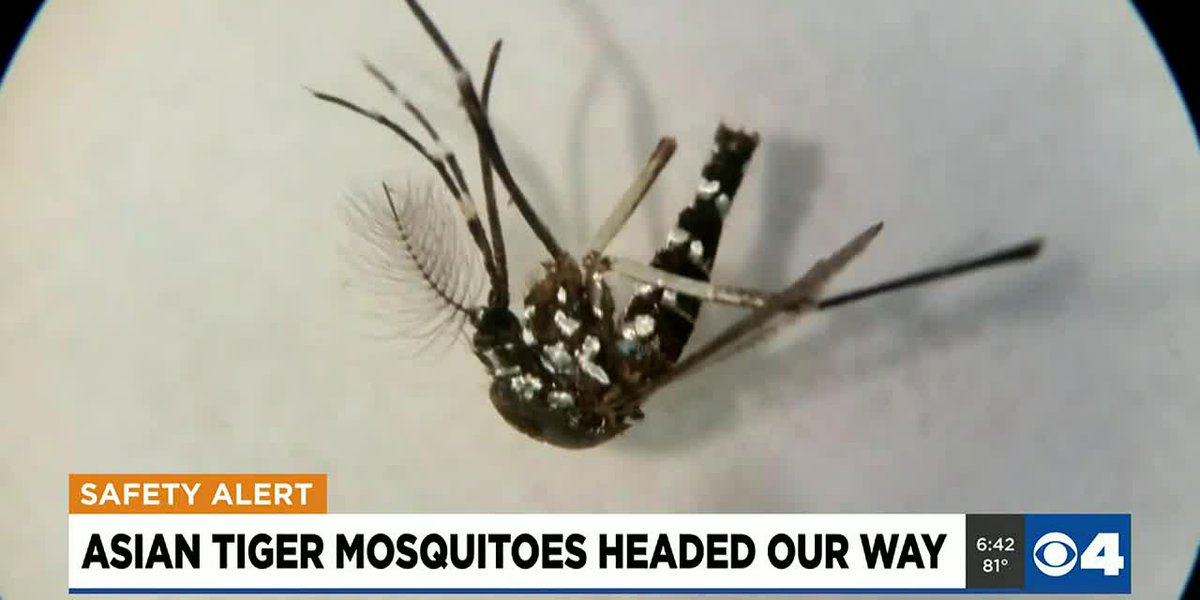
Beware of the Asian Tiger Mosquito spreading in the Midwest.

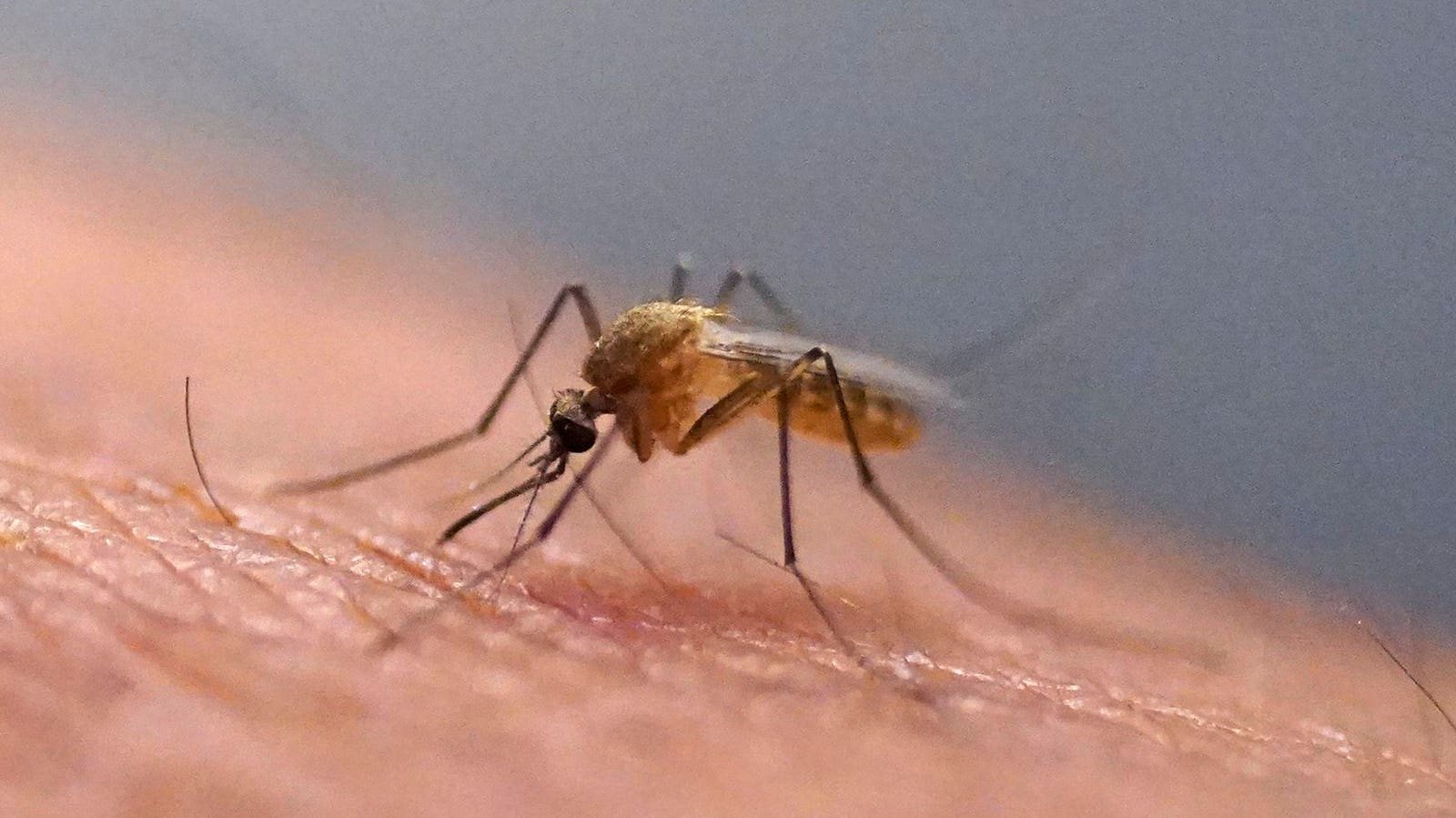
The Asian Tiger Mosquito, which is known for carrying diseases like the Zika virus, is making its way to Missouri due to the region's warm and moist summers and mild winters. Pest control experts warn that these mosquitos require very little water to breed and can be found near any standing water source, making it important to remove any potential breeding grounds.