Tag

Yucatan Peninsula

All articles tagged with #yucatan peninsula

transportation2 years ago

"Mexico's Maya Train: Inauguration, Delays, and Cost Concerns"

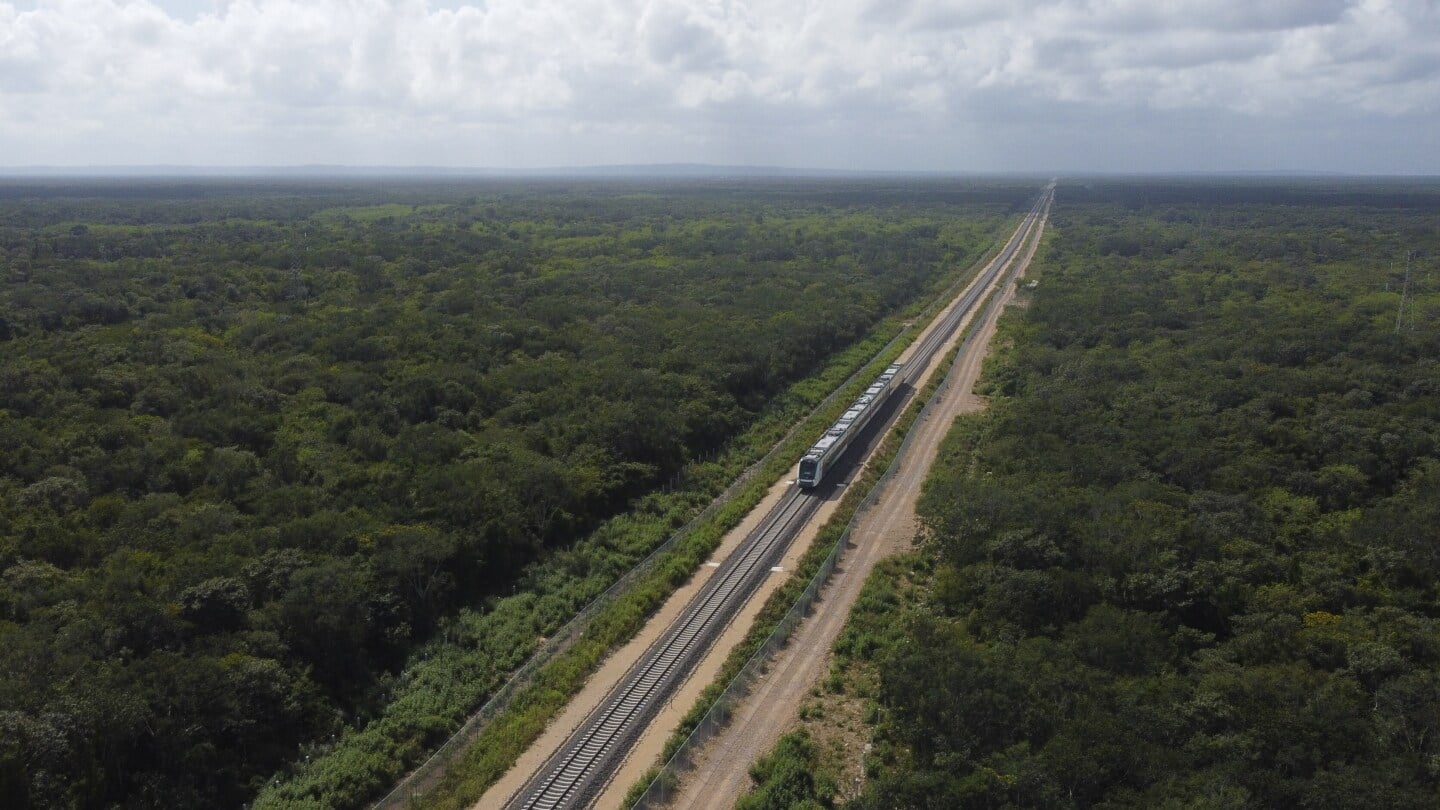
Mexico's president inaugurated the first section of the $20 billion Maya Train project, a 950-mile tourist train that aims to connect beach resorts and archaeological sites on the Yucatan peninsula. The 290-mile stretch between Campeche and Cancun was opened, with the rest of the line expected to be completed by the end of February. The train will have two daily trips, stopping at various towns and attractions. While initially planned to have separate fares for Mexicans and foreign tourists, the first prices listed were differentiated only by class. The project has faced objections from environmentalists and archaeologists due to its impact on sensitive cave systems. Critics also question its feasibility and affordability for locals.

science2 years ago

Exploring Yucatán's Hidden Microbial World in Underwater Caves

Researchers from Northwestern University have conducted an extensive survey of the microbial communities living in the underwater caves beneath Mexico's Yucatán Peninsula. By collecting water samples from various sites within the cave system, the researchers discovered a rich and diverse ecosystem, with microbial communities organized into distinct patterns. One family of bacteria, Comamonadaceae, was found to be particularly prevalent and may play a crucial role in the broader community. The study provides valuable insights into the unique underground realm and its potential impact on drinking water sources for millions of people.

weather2 years ago

Florida Braces for Potential Tropical Threats

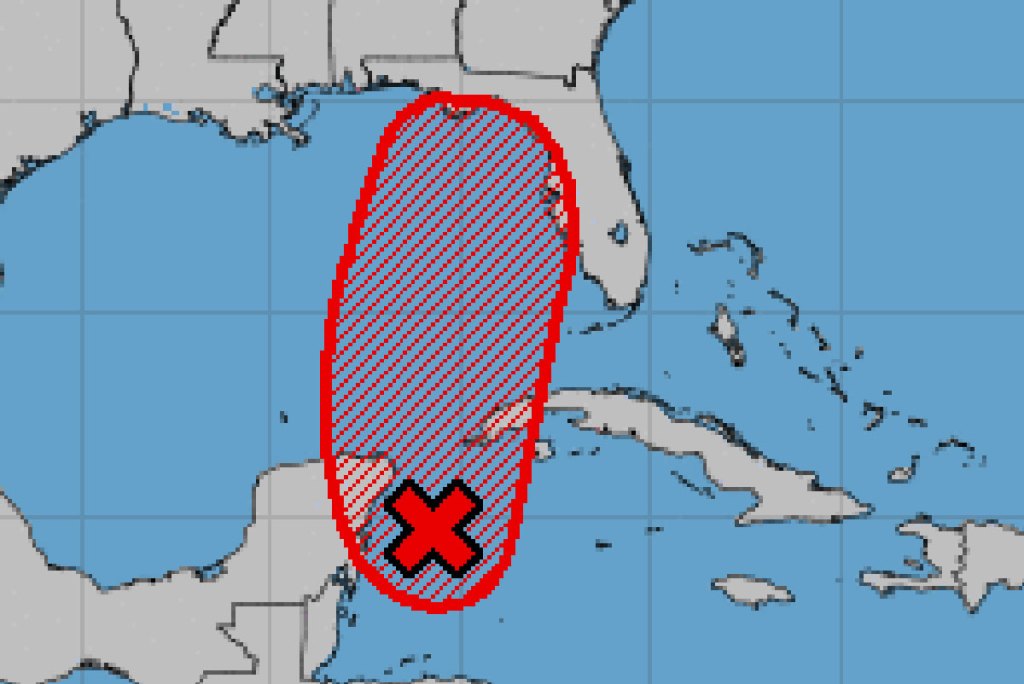
The National Hurricane Center has stated that a tropical depression or storm could form in the Caribbean and threaten Florida. The system, currently located in the northwestern Caribbean, is expected to move northward over the eastern Gulf of Mexico. There is a 60% chance of formation in the next two days and a 90% chance in the next seven. If it becomes a named storm, it could be called Tropical Storm Idalia. Meanwhile, Tropical Storm Franklin is moving east-northeast and is expected to become a hurricane over the weekend, but it is projected to stay clear of land. The NHC is also monitoring two other systems with the potential to develop into depressions or storms.

archaeology2 years ago

"Ocomtún: Unveiling the Ancient Secrets of a Newly Discovered Maya City"

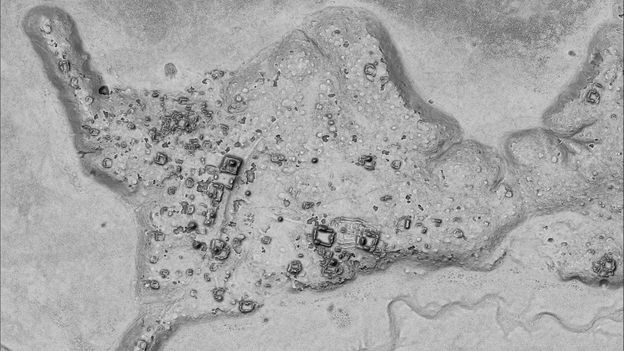
Archaeologist Ivan Šprajc has discovered a long-lost Maya city called Ocomtún in Mexico's Yucatán Peninsula. This city, which was previously unknown, is home to numerous pyramid-shaped structures and was likely inhabited between 600 and 800 CE. The discovery of Ocomtún sheds light on the mysterious collapse of the Maya civilization and provides valuable insights into their daily life and urban planning. The city's location in the virtually impenetrable Balamkú Ecological Conservation Zone highlights the power of Lidar technology in uncovering ancient Maya sites. The rediscovery of Ocomtún may reveal important information about Maya migration patterns and the reasons behind the abandonment of their settlements.

archaeology2 years ago

Lost Maya city uncovered in Mexican rainforest.

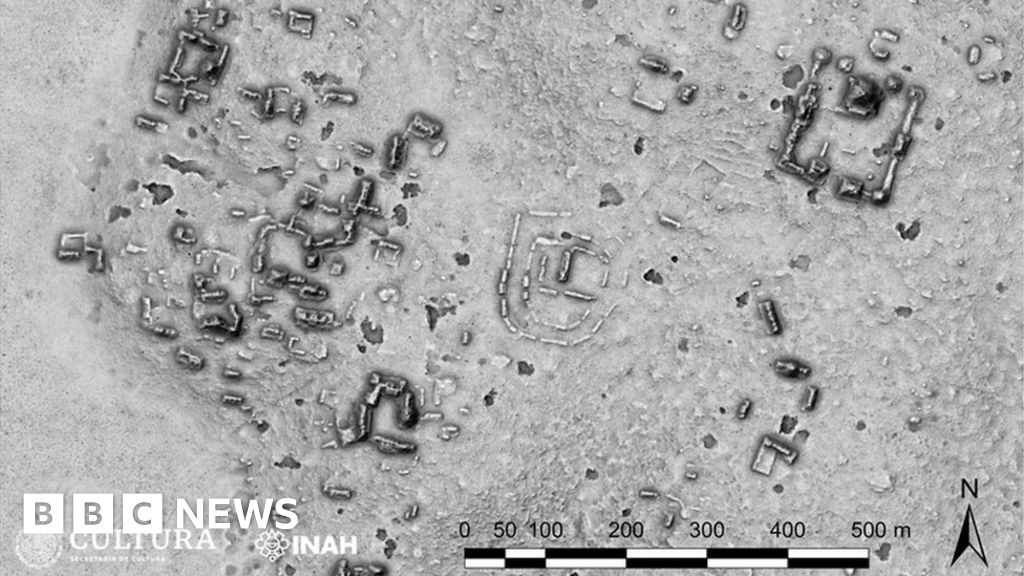
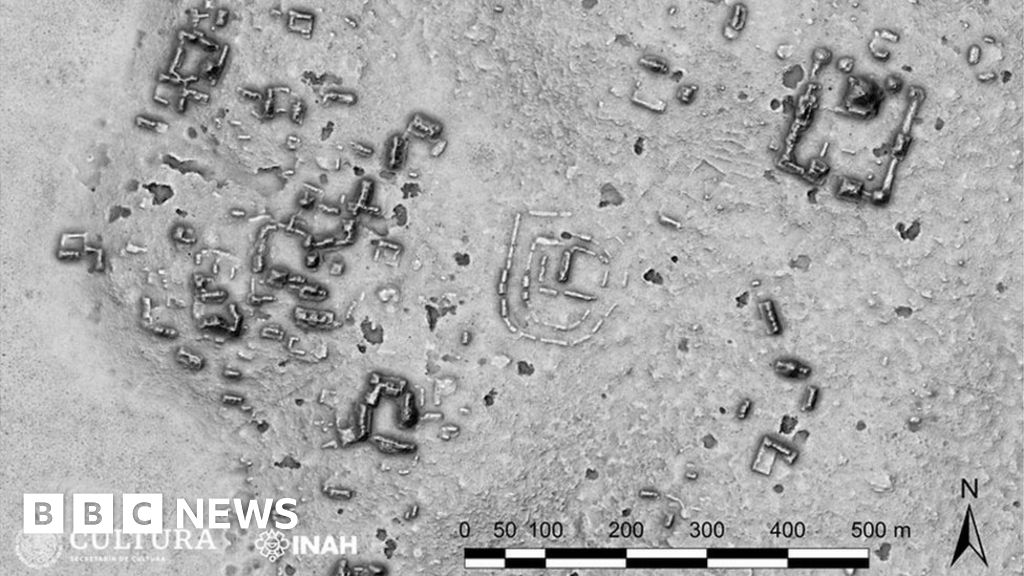
A previously unknown ancient Maya city, named Ocomtun, has been discovered in the jungles of southern Mexico using aerial laser mapping technology. The city includes large pyramid-like buildings, stone columns, three plazas with "imposing buildings," and other structures arranged in almost-concentric circles. It is likely an important center for the peninsula's central lowland region between 250 and 1000 AD. The site probably declined around 800 to 1000 AD, likely due to "ideological and population changes" that led to the collapse of Maya societies in that region by the 10th century.

archaeology2 years ago

Lost Maya City Discovered in Jungle by Archaeologists

Archaeologists have discovered the remains of an ancient Maya city, named Ocomtún, in the Yucatán Peninsula. The site contains several pyramid-like structures, including cylindrical stone columns that were probably entrances to upper rooms. Pottery found at the site suggests it was inhabited between 600 and 800 AD. The discovery was made in an ecological reserve in the state of Campeche, an area so dense with vegetation that it has been little explored. The site is believed to have served as an important regional centre before falling victim to the collapse of the Lowland Maya civilisation in the 10th Century.

archaeology2 years ago

Lost Maya City Discovered in Jungle by Archaeologists

Archaeologists have discovered the remains of an ancient Maya city in the Yucatán Peninsula, Mexico. The site, named Ocomtún, contains several pyramid-like structures measuring over 15m in height and was inhabited between 600 and 800 AD during the Late Classic period. The discovery was made in an ecological reserve in the state of Campeche, an area dense with vegetation that has been little explored. The site is believed to have served as an important regional centre and probably underwent considerable changes between 800 and 1000 AD before falling victim to the collapse of the Lowland Maya civilisation in the 10th Century.

archaeology2 years ago

Lost Maya City Discovered in Jungle by Archaeologists

Archaeologists have discovered the remains of an ancient Maya city in the Yucatán Peninsula, Mexico. The site, named Ocomtún, contains several pyramid-like structures measuring over 15m in height and was inhabited between 600 and 800 AD during the Late Classic period. The discovery was made in an ecological reserve in the state of Campeche, an area dense with vegetation that has been little explored. The site is believed to have served as an important regional centre and probably underwent considerable changes between 800 and 1000 AD before falling victim to the collapse of the Lowland Maya civilisation in the 10th Century.

science2 years ago

Uncovering Earth's Deepest Secrets: The World's Second Deepest Blue Hole Discovered.

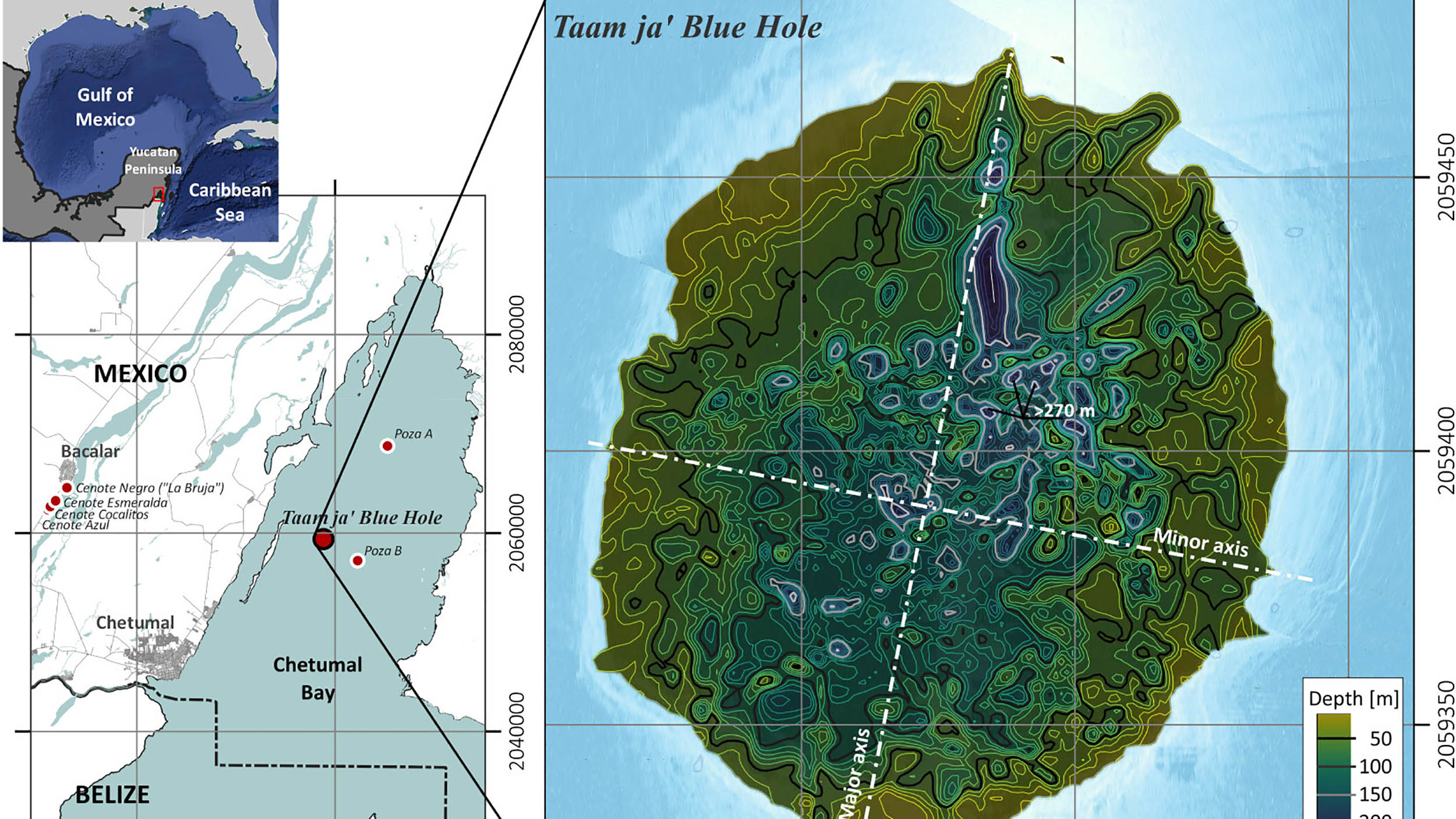
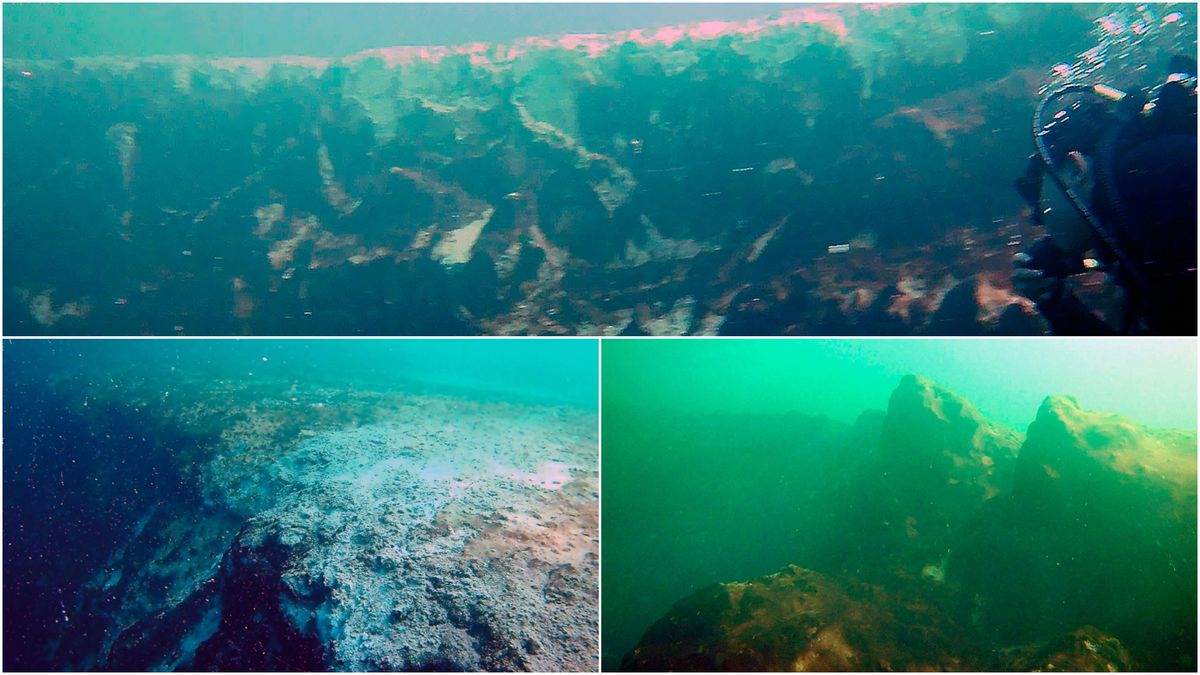
A team of researchers has discovered Taam ja', a 274-meter deep blue hole off the coast of the Yucatan Peninsula in Mexico, which is the second deepest of its kind. Blue holes are largely poorly understood, but they provide rich opportunities for exploration of all kinds and play home to a vast array of marine life, despite being low on oxygen and sporting a unique water chemistry created by dissolving limestone. Understanding organisms in a blue hole’s low-oxygen environment could help us better understand how ocean life will adjust to climate change.

science2 years ago

Exploring the World's Second Deepest Blue Hole for Insights into Earth's Past

The second deepest blue hole in the world has been discovered off the coast of the Yucatan Peninsula in Mexico. The underwater cavern, named Taam Ja', is around 900 feet deep and spans an area of 147,000 square feet. Blue holes are large, undersea vertical caves or sinkholes found in coastal regions. Many contain a high diversity of plant and marine life, including corals, sea turtles and sharks. Blue holes may offer a snapshot of what life was like thousands of years ago and may also tell us more about life on other planets.