Tag

Lost City

All articles tagged with #lost city

science7 months ago

Unveiling the Mysteries of the Ocean's Ancient Lost City

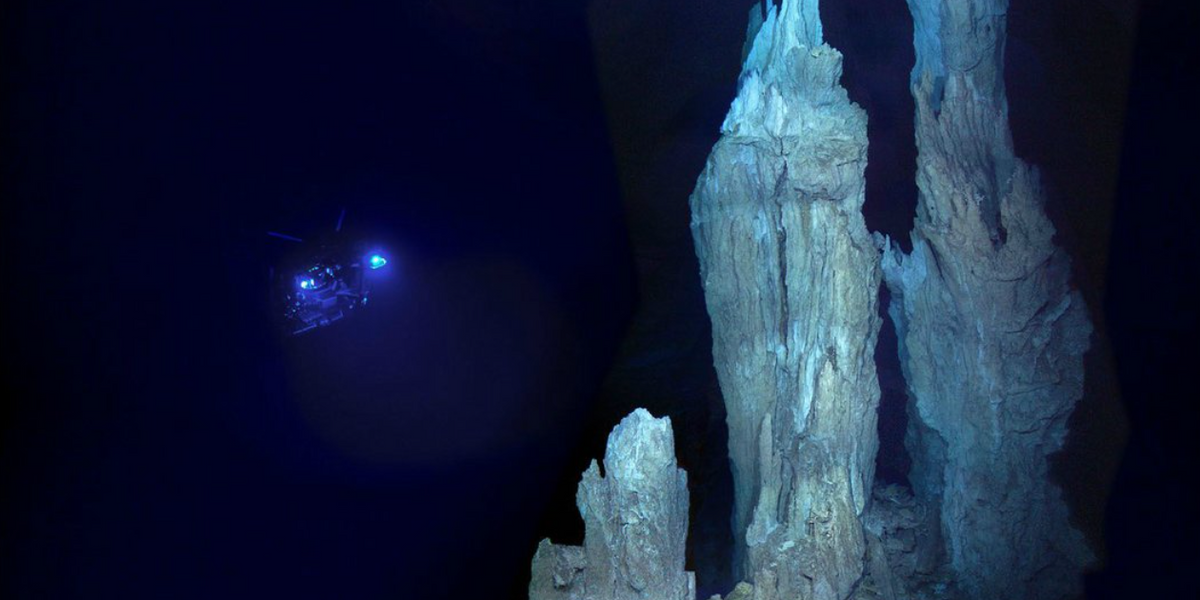
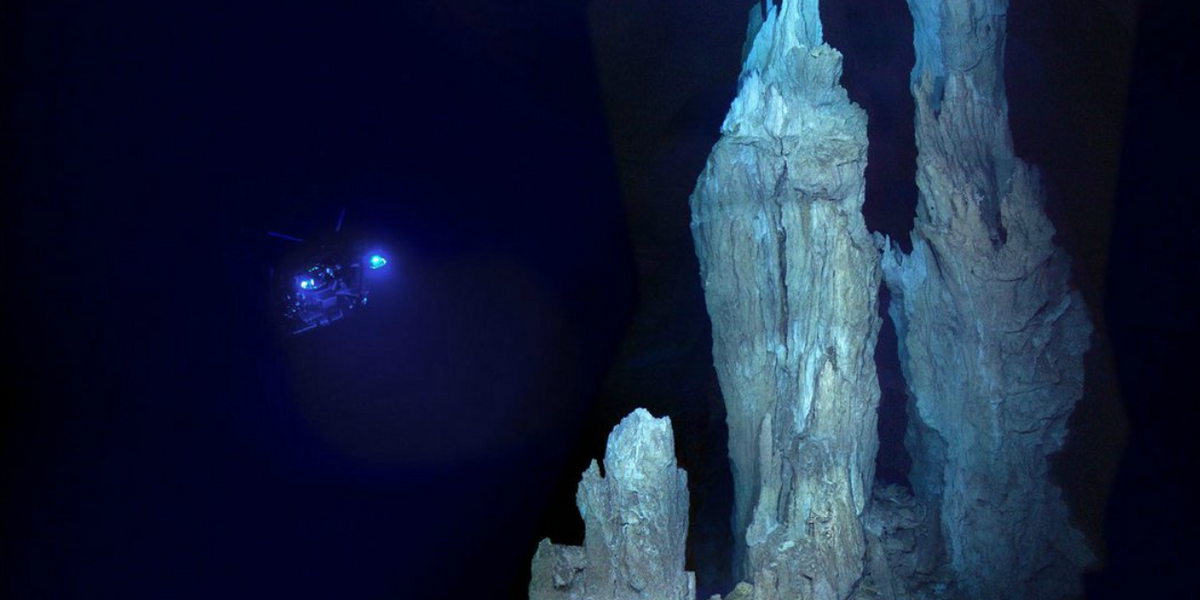
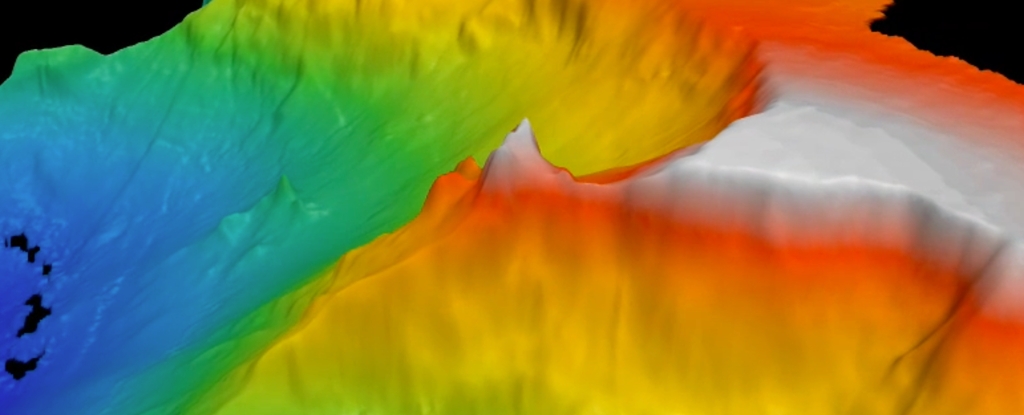
A 120,000-year-old hydrothermal seafloor structure called the Lost City Hydrothermal Field, discovered in 2000, features towering carbonate formations and hosts unique microbial communities that thrive without oxygen, offering insights into early Earth life and potential extraterrestrial ecosystems. Recent recovery of mantle rock samples aims to deepen understanding of life's origins and the possibility of similar habitats on other planets.

science7 months ago

Unveiling the Mysterious Submarine 'Lost City'

The Lost City, an extraordinary underwater hydrothermal field located deep beneath the ocean near the Mid-Atlantic Ridge, features towering carbonate structures and unique microbial ecosystems that have existed for over 120,000 years. Its discovery offers insights into the origins of life and the potential for extraterrestrial life, but it faces threats from proposed deep-sea mining, prompting calls for its protection as a natural heritage site.

science2 years ago

Unearthed: Astonishing 'Lost City' discovered in the depths of the Atlantic

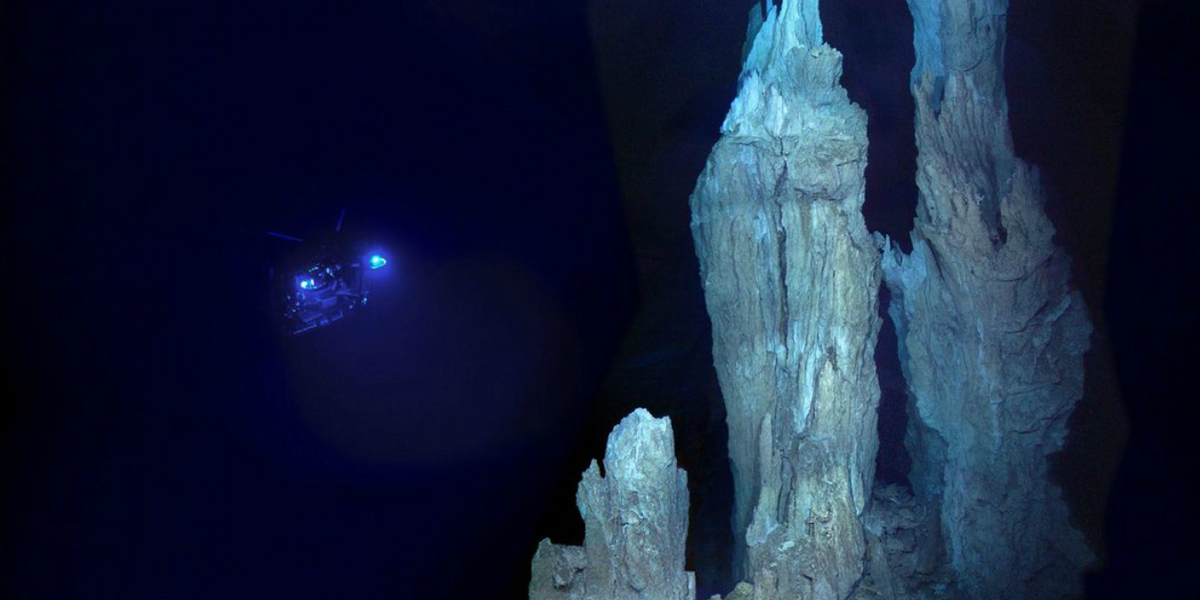
Scientists have discovered a real "Lost City" deep in the Atlantic Ocean, west of the Mid-Atlantic Ridge. This hydrothermal field, which has been active for over 120,000 years, is teeming with life and consists of massive walls, columns, and monoliths. The ecosystem, sustained by vents spouting hydrogen, methane, and other gases, offers insights into the origin of life on Earth and the potential for life on other celestial bodies. There are calls to protect the Lost City as a World Heritage site, as mining activities in the surrounding area could have unintended consequences.

science2 years ago

Unearthed: Astonishing 'Lost City' Discovered in the Depths of the Atlantic

Scientists have discovered a real "Lost City" deep in the Atlantic Ocean, west of the Mid-Atlantic Ridge. This hydrothermal field, which has been active for over 120,000 years, is teeming with life and consists of massive walls, columns, and monoliths. The ecosystem, sustained by vents spouting hydrogen, methane, and other gases, offers insights into the origin of life on Earth and the potential for life on other celestial bodies. There are calls to protect the Lost City as a World Heritage site, as mining activities in the surrounding area could have unintended consequences.

science2 years ago

Unearthed: Astonishing 'Lost City' discovered in the depths of the Atlantic

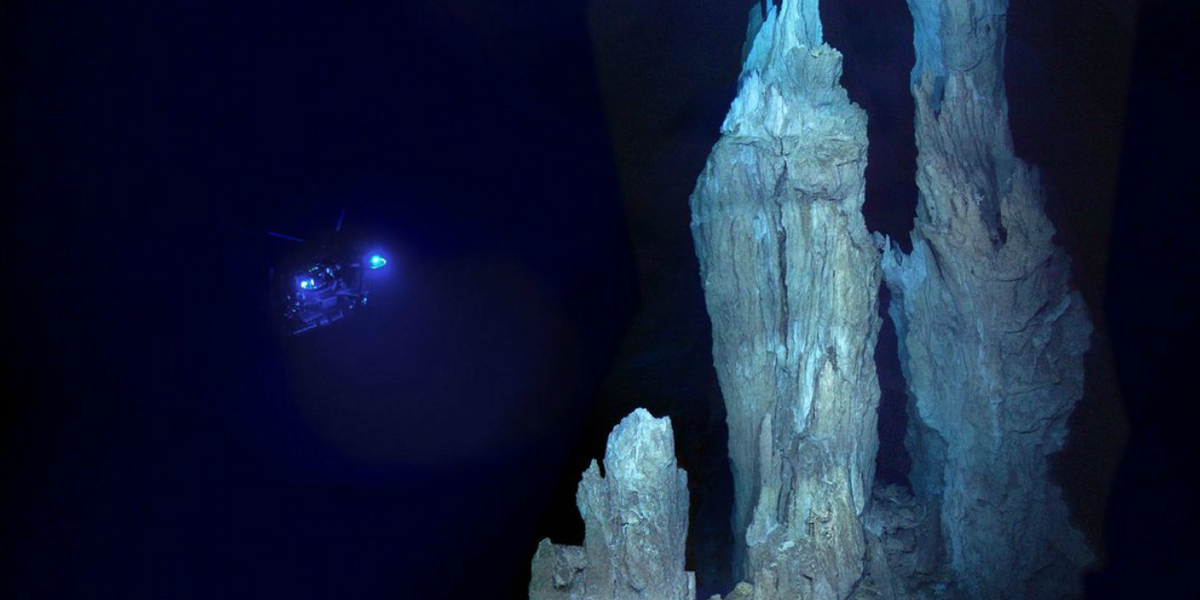
Scientists have discovered a real "Lost City" deep in the Atlantic Ocean, west of the Mid-Atlantic Ridge. This hydrothermal field, which has been active for over 120,000 years, is teeming with life and consists of massive walls, columns, and monoliths. It offers insights into ecosystems that could exist elsewhere in the universe and may shed light on the origin of life. The Lost City's unique features and importance have led to calls for it to be listed as a World Heritage site to protect it from potential destruction caused by deep-sea mining activities.

science2 years ago

Unearthed: Astonishing 'Lost City' Discovered in the Depths of the Atlantic

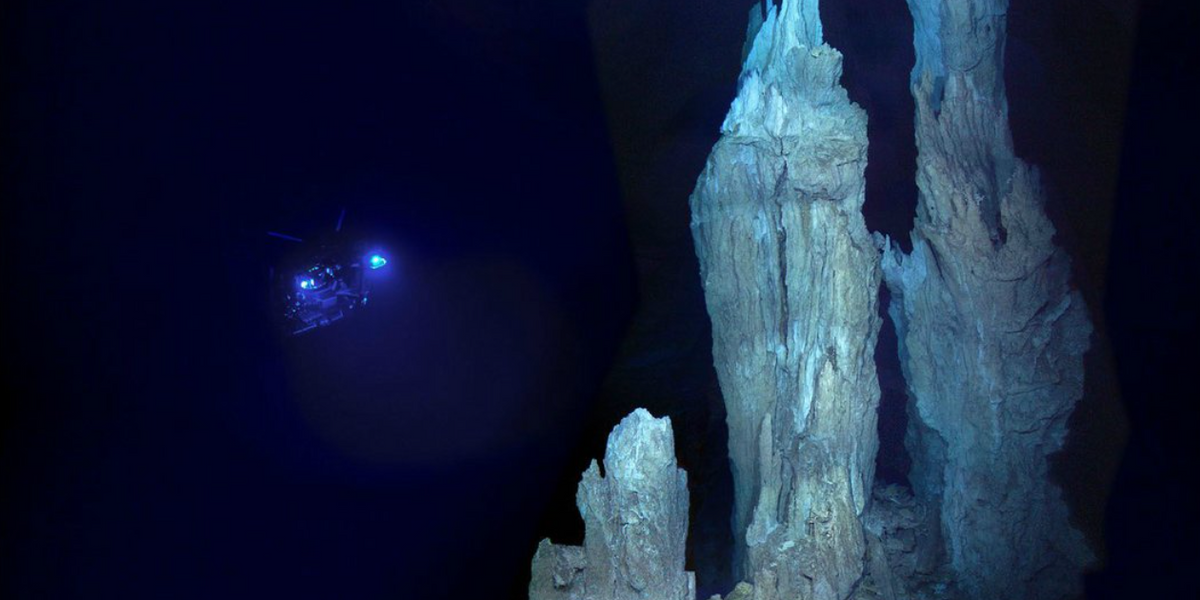
Scientists have discovered a hydrothermal field deep in the Atlantic Ocean, known as the "Lost City," which is teeming with life. This unique environment, consisting of massive walls, columns, and monoliths, has been active for over 120,000 years and offers insights into ecosystems that could exist elsewhere in the universe. The hydrocarbons produced by its vents were not created by sunlight or carbon dioxide, but by chemical reactions on the seafloor, similar to how life on Earth may have originated. The Lost City's preservation as a World Heritage site is being advocated to protect this natural phenomenon from potential destruction caused by deep-sea mining activities.

science2 years ago

Unearthed: Astonishing 'Lost City' Discovered in the Depths of the Atlantic

Scientists have discovered a real "Lost City" deep in the Atlantic Ocean, west of the Mid-Atlantic Ridge. This hydrothermal field, which has been active for over 120,000 years, is teeming with life and consists of massive walls, columns, and monoliths. It offers insights into ecosystems that could exist elsewhere in the universe and may shed light on the origin of life. The Lost City's unique features and importance have led to calls for it to be listed as a World Heritage site to protect it from potential destruction caused by deep-sea mining activities.

science2 years ago

Unearthed: Astonishing 'Lost City' Discovered in the Depths of the Atlantic

Scientists have discovered a real "Lost City" deep in the Atlantic Ocean, west of the Mid-Atlantic Ridge. This hydrothermal field, which has been active for over 120,000 years, is teeming with life and consists of massive walls, columns, and monoliths. The ecosystem, sustained by vents spouting hydrogen, methane, and other gases, offers insights into the origin of life on Earth and the potential for life on other celestial bodies. There are calls to protect the Lost City as a World Heritage site, as mining activities in the surrounding area could have unintended consequences.

science2 years ago

Unearthed: Astonishing 'Lost City' Discovered in the Depths of the Atlantic

Scientists have discovered a real "Lost City" deep in the Atlantic Ocean, west of the Mid-Atlantic Ridge. This hydrothermal field, which has been active for over 120,000 years, is teeming with life and consists of massive walls, columns, and monoliths. It offers insights into ecosystems that could exist elsewhere in the universe and may shed light on the origin of life. The Lost City's unique features and importance have led to calls for it to be listed as a World Heritage site to protect it from potential destruction caused by deep-sea mining activities.

science2 years ago

Unprecedented 'Lost City' in the Atlantic Ocean faces imminent mining threats

Scientists have discovered a hydrothermal field deep in the Atlantic Ocean, known as the "Lost City," which is teeming with life. This unique environment, consisting of massive walls, columns, and monoliths, has been active for over 120,000 years and offers insights into ecosystems that could exist elsewhere in the universe. The hydrocarbons produced by its vents were not created by sunlight or carbon dioxide, but by chemical reactions on the seafloor, similar to how life on Earth may have originated. The Lost City's preservation as a World Heritage site is being advocated to protect this natural phenomenon from potential destruction caused by deep-sea mining activities.

science-and-environment2 years ago

Unprecedented Discovery: Mysterious 'Lost City' Found in Ocean Depths

The Lost City, a unique and ancient hydrothermal field discovered deep in the ocean, is teeming with life and has the potential to provide insights into the origins of life on Earth and beyond. The ecosystem, which has been active for at least 120,000 years, is home to diverse microbial communities and unusual creatures. However, the area surrounding the Lost City is at risk due to plans for deep-sea mining, which could harm the delicate habitat. Scientists are calling for the Lost City to be designated as a World Heritage site to protect it from potential destruction.

archaeology2 years ago

"Ocomtún: Unveiling the Ancient Secrets of a Newly Discovered Maya City"

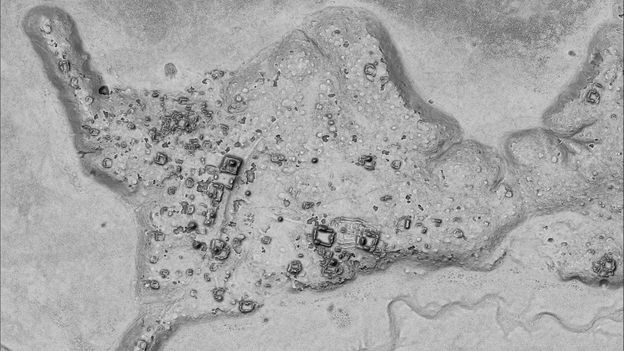
Archaeologist Ivan Šprajc has discovered a long-lost Maya city called Ocomtún in Mexico's Yucatán Peninsula. This city, which was previously unknown, is home to numerous pyramid-shaped structures and was likely inhabited between 600 and 800 CE. The discovery of Ocomtún sheds light on the mysterious collapse of the Maya civilization and provides valuable insights into their daily life and urban planning. The city's location in the virtually impenetrable Balamkú Ecological Conservation Zone highlights the power of Lidar technology in uncovering ancient Maya sites. The rediscovery of Ocomtún may reveal important information about Maya migration patterns and the reasons behind the abandonment of their settlements.