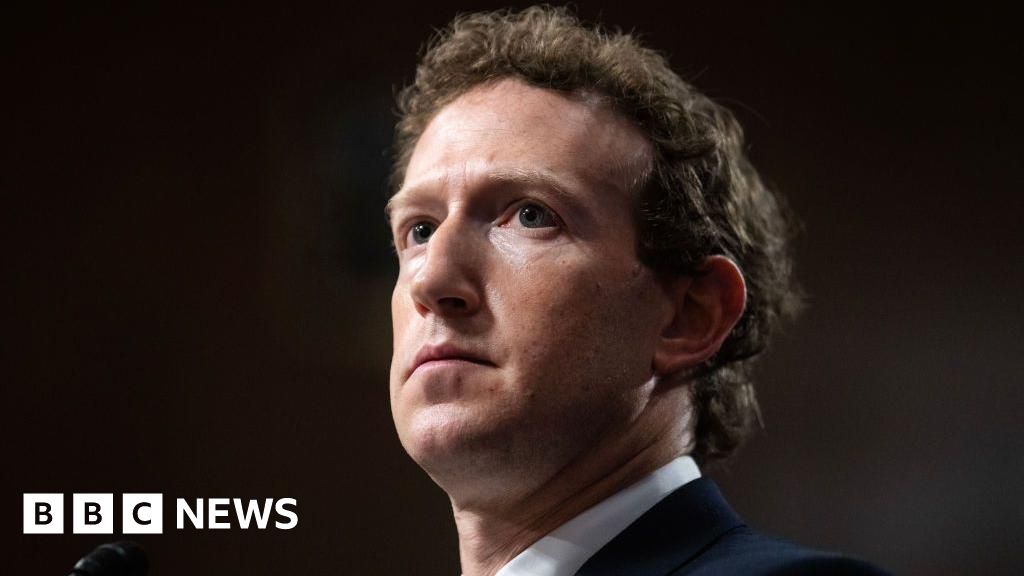
Mark Zuckerberg and other social media executives are ordered to testify in a landmark US trial examining the impact of social media on young people's mental health, with the case accusing companies like Meta and Snap of negligence and harmful design features, amidst growing legal and political scrutiny.
New York City has sued major social media companies, including Meta, Google, Snap, and ByteDance, accusing them of negligence and designing addictive platforms that harm youth mental health, citing data on teen screen time, sleep loss, school absences, and dangerous trends like subway surfing influenced by social media.
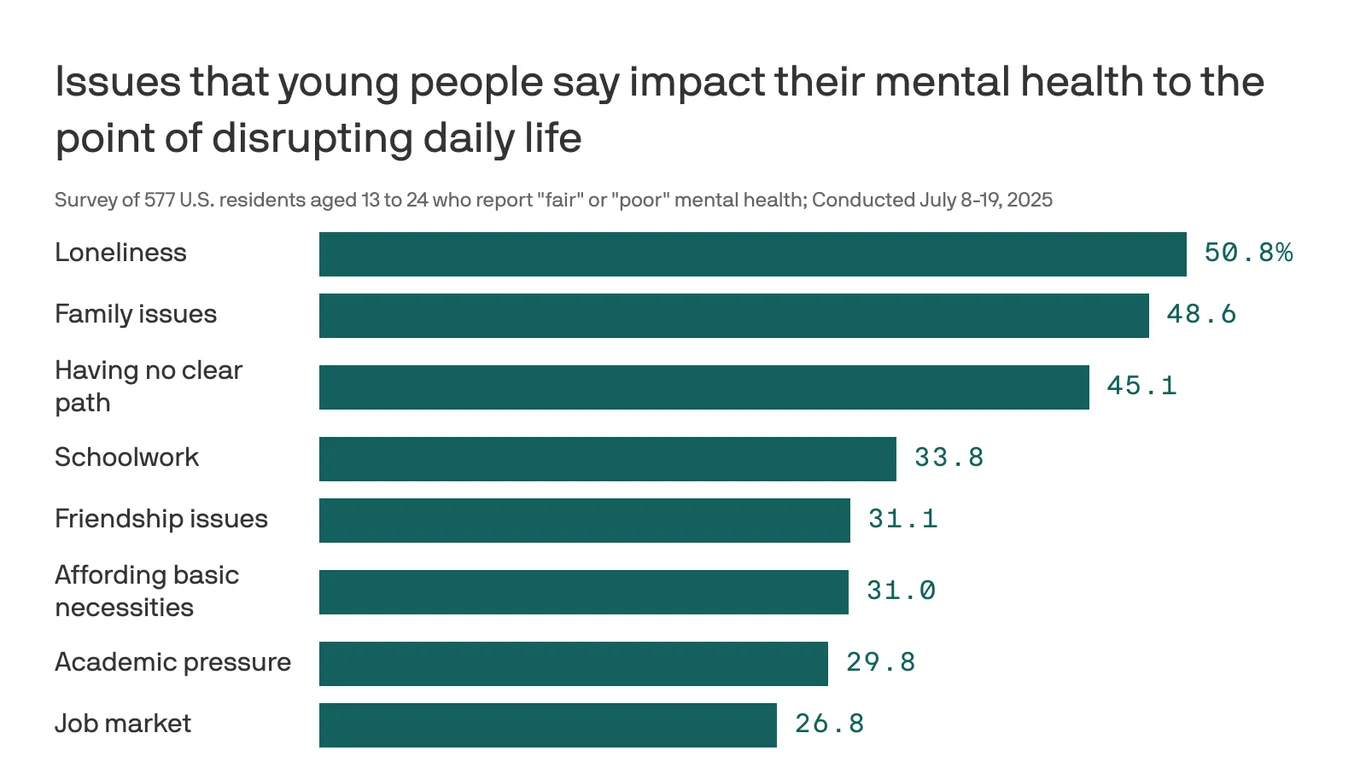
A survey reveals that half of U.S. youth experience daily loneliness impacting mental health, with disparities based on income and LGBTQ+ status; while 55% report good mental health, many face family, school, and friendship challenges, highlighting the need for increased support in schools and targeted interventions.
A large-scale international study reveals that the traditional 'unhappiness hump' in midlife has disappeared, with mental distress now highest among young adults globally, likely due to factors like economic pressures, pandemic aftershocks, and social media, raising concerns about a worsening mental health crisis among youth.
A growing movement among college students is swapping smartphones for flip phones to combat addiction, improve mental health, and foster genuine social interactions, with many experiencing benefits like increased mindfulness, creativity, and better personal connections.
An NIH-funded study published in The Lancet Psychiatry reveals extensive brain structure differences in youth with conduct disorder, including reduced cortical surface area and subcortical volumes. These findings, from the largest study of its kind, highlight new brain regions associated with the disorder and suggest future research directions for improving diagnosis and treatment.
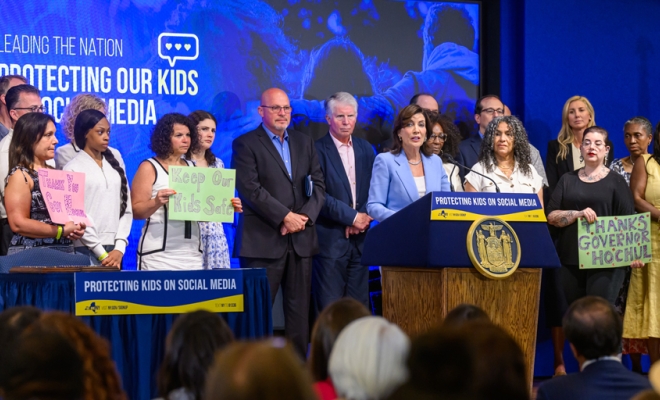
Governor Kathy Hochul signed groundbreaking legislation in New York to combat addictive social media feeds and protect minors' online data. The SAFE For Kids Act restricts algorithmically driven feeds for users under 18, while the New York Child Data Protection Act prohibits the collection of minors' personal data without consent. This legislation aims to address the youth mental health crisis and sets a national precedent for safeguarding children online.
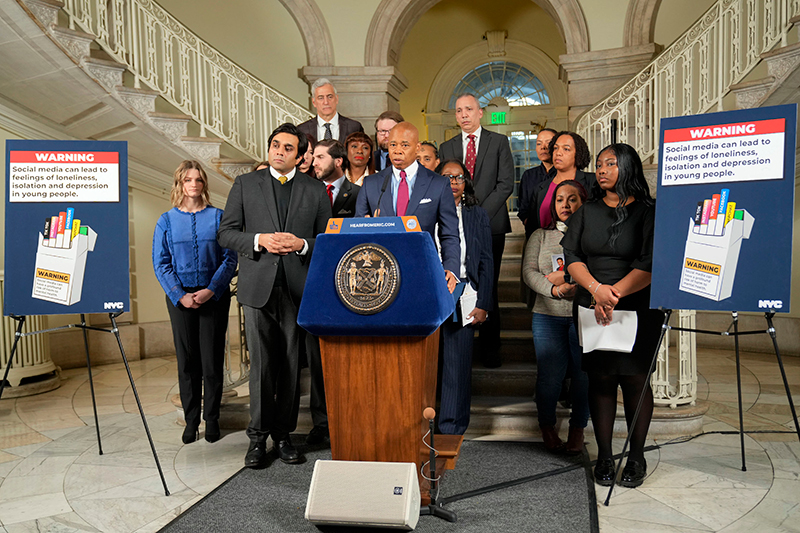
New York City Mayor Eric Adams and city officials announced a lawsuit against TikTok, Instagram, Facebook, Snapchat, and YouTube, holding them accountable for their platforms' damaging influence on youth mental health. The lawsuit alleges intentional design to manipulate and addict children and teens, leading to a public health crisis. The city also released a social media action plan to address the harms caused by these platforms and is seeking to recover the costs of addressing the public health threat. The lawsuit is part of a larger effort to protect the mental health of children and young people, with the city spending over $100 million on youth mental health programs annually.
A study led by the University of Toronto found that 50% of youth accessing mental health services exhibit Psychosis Spectrum Symptoms (PSS), indicating a higher prevalence than anticipated. The study aims to identify early predictors of psychosis spectrum disorder and improve intervention effectiveness by integrating research assessments into clinical practice and involving youth in a patient-facing dashboard. The goal is to develop new strategies for early identification and better characterize the mental health needs of at-risk youth, with the ultimate aim of improving youth mental health outcomes.
Swedish youths flood mental health helplines after civil defence minister warns of potential war, urging citizens to join voluntary defence organisations amid rising tensions in Europe; warnings come amid Russia's invasion of Ukraine and Sweden's application to join NATO; concerns also raised about domestic issues including gang violence and terror threats; Turkey's delay in ratifying Sweden's NATO membership due to concerns about Kurdish militants; Ukrainian President Zelensky seeks support from Baltic states amid intense Russian shelling.
Dozens of states, including New York, California, and Florida, have filed lawsuits against Meta, the parent company of Instagram, alleging that the social media giant's addictive features have harmed young users' mental health. The lawsuits claim that features such as infinite news feeds and frequent notifications contribute to a mental health crisis among minors. The states accuse Meta of intentionally designing platforms with manipulative features that make children addicted while lowering their self-esteem. The lawsuits also allege that Meta misled users about the potential health risks of its products. The legal action seeks court orders to prohibit Meta from violating the law and financial penalties. The wave of lawsuits follows a bipartisan investigation and the release of internal company documents by Facebook whistleblower Frances Haugen.
Meta Platforms, the parent company of Instagram, is facing a lawsuit filed by 33 U.S. states, including California and New York, accusing the company of fueling a youth mental health crisis by making their social media platforms addictive. The states allege that Meta repeatedly misled the public about the dangers of its platforms and knowingly induced young children and teenagers into addictive and compulsive social media use. Research has associated children's use of Meta's social media platforms with negative outcomes such as depression, anxiety, insomnia, and interference with education and daily life. The lawsuit seeks civil penalties for each violation of state laws and accuses Meta of violating a law banning the collection of data of children under age 13.
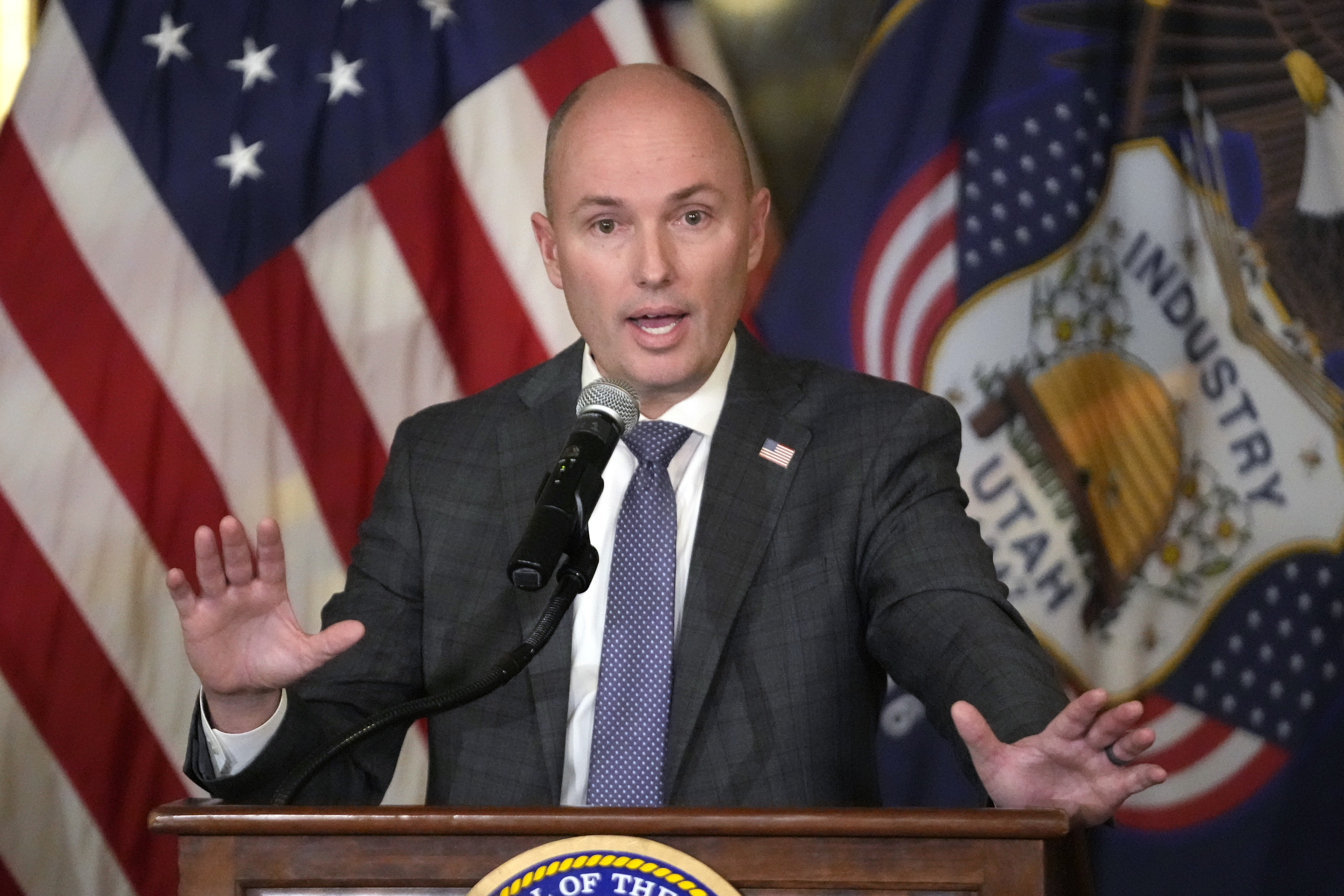
Utah Governor Spencer Cox announced that the state is preparing to file lawsuits against social media companies for the harm caused to young people. Cox cited evidence that companies like Meta (formerly Facebook) knew about the dangers of their products and intentionally hid that information. Earlier this year, Utah passed legislation to set limits on minors' social media use, including a digital curfew and parental consent requirements. Cox acknowledged the difficulty of enforcing these laws and expects legal challenges, but believes the Supreme Court will eventually weigh in. The goal is to give families more control over social media experiences and address the causal link between social media use and mental health issues in youth.
Starting next year, all public schools in New York City will be required to offer two to five minutes of mindful breathing exercises each day. Mayor Eric Adams announced the initiative as a way to improve student well-being and address the youth mental health crisis exacerbated by the pandemic. Breathing exercises have been shown to reduce stress and increase alertness. While some advocates appreciate the focus on mindfulness, others argue for a more comprehensive approach to addressing mental health needs, particularly for disadvantaged students.
Surgeon General Vivek Murthy has issued an advisory that social media use may be harmful to the mental health of young people, citing growing evidence that online content is hurting the development of the nation’s youth. He specifically pointed to the possibility of a link between time spent on social media and depression and anxiety. Murthy stressed that companies must play a part in ensuring social media does not harm kids and called for higher transparency from tech companies. He recommended that parents and caretakers establish a family media plan and children be selective about what personal information they share online.