A father in Texas used parental control software to locate and rescue his 15-year-old daughter, who had been kidnapped by Giovanni Rosales Espinoza, leading to his arrest and charges of kidnapping and indecency with a child.
Nintendo has released firmware update 20.2.0 for the Switch and Switch 2, addressing issues with parental control transfers and network search, along with general stability improvements, with the update rolling out automatically.
New York Governor Kathy Hochul plans to introduce a bill banning smartphones in schools, allowing only basic phones for communication. The bill aims to address parents' concerns about emergency contact while reducing distractions and internet access. Hochul is also pushing for legislation to regulate social media feeds for minors and protect children's data. The proposed measures have faced significant opposition from tech companies and may encounter resistance from both students and parents.
Google has announced the Fitbit Ace LTE, a new smartwatch for kids aged 7 and up. It allows parents to call, text, and track their children via LTE and GPS, while offering gamified activity tracking for kids. The device, priced at $229, aims to provide a middle ground for parents who want to stay connected with their kids without giving them a full smartphone.
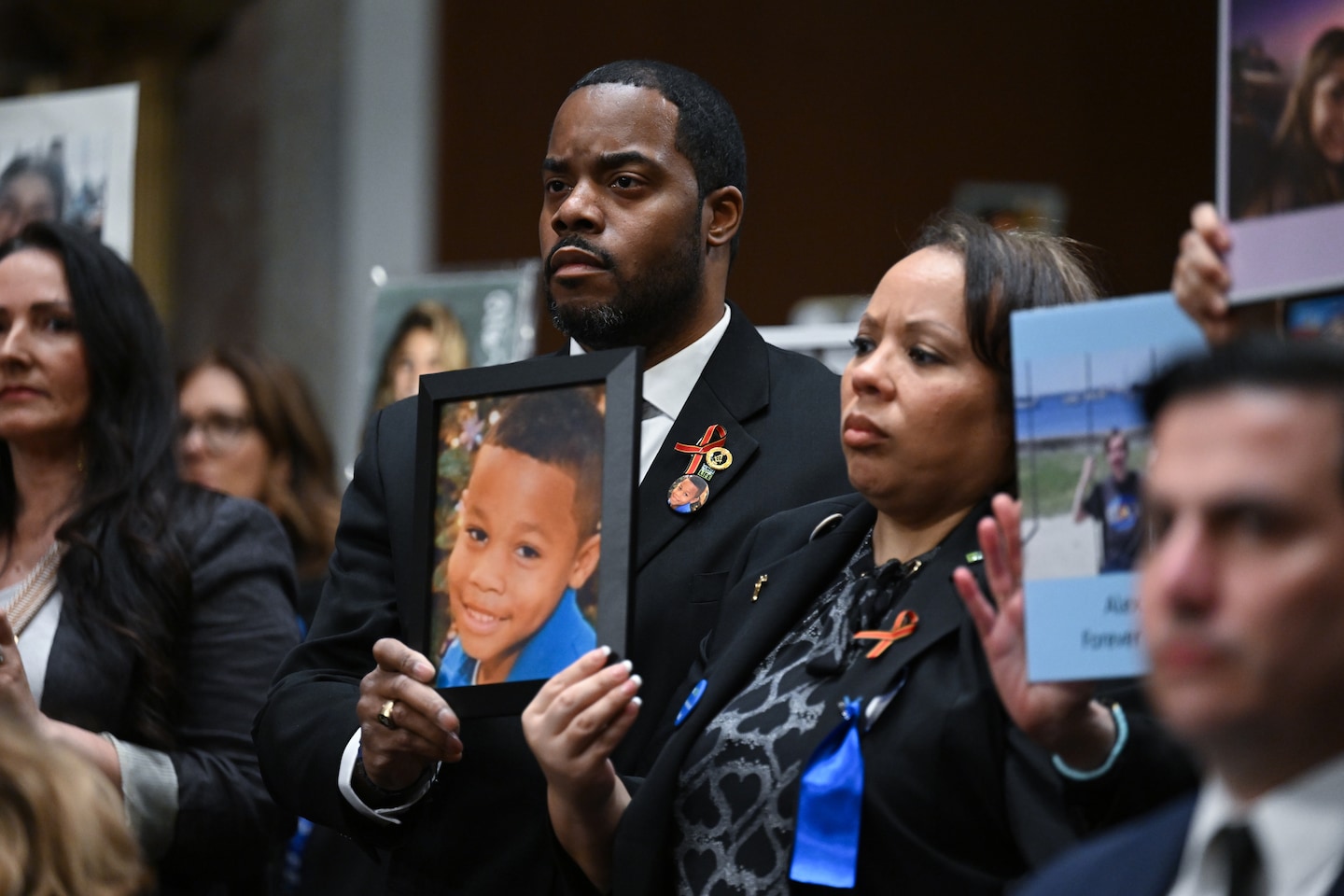
Parents of children who suffered harm from social media platforms, including TikTok, confronted tech executives, including Mark Zuckerberg, at a Senate hearing, urging for stricter regulations to protect kids from cyberbullying, exploitation, and harmful content. They advocated for the Kids Online Safety Act (KOSA) to hold social media companies accountable for harmful ads and posts. Despite a hollow apology from Zuckerberg, the parents believe their intense presence at the hearing may have moved the executives, with only Snapchat expressing support for KOSA.
Gen Z is increasingly comfortable with their parents using location tracking apps to monitor their whereabouts, with apps like Life360 seeing a surge in downloads. Safety is the primary reason cited for sharing location information, particularly among young women who believe it enhances their physical wellbeing. The embrace of these apps is believed to be driven by rising levels of anxiety among younger generations. Long-distance driving and visiting new or dangerous places are common reasons for using these apps, and they also serve as a way to show affection and maintain friendships.
Montana's ban on TikTok, set to take effect on January 1, 2024, is being challenged by the popular video-sharing app in a federal court hearing. The state's Republican-led legislature passed the law as part of a broader effort by conservative officials to rein in Big Tech and protect conservative family values. Republican-led states have been at the forefront of passing laws regulating social media platforms, with at least 21 out of 38 such laws being passed by Republican-controlled states. Critics argue that these laws could limit access to information, curtail free speech, and disproportionately affect marginalized communities. The outcome of the Montana case could have implications for other states considering similar measures.
Communities in New Jersey are engaging in debates over free speech, appropriate content for children, and parental control as calls to ban or restrict access to certain books in schools and public libraries increase. Hoboken, Westfield, and Maplewood have designated their libraries as "book sanctuaries" ahead of Banned Books Week. Several school districts in the state have also faced complaints about access to certain books, with one high school librarian suing parents for defamation.
Republican presidential candidate Sen. Tim Scott has warned about the "malign" influence of China and Big Tech on children's education and mental health. Scott's education plan, called the "Empower Parents Plan," aims to give back control to parents by cracking down on China and Big Tech companies. The plan includes proposals such as saving Title IX and women's sports, providing greater school choice, and mandating country-of-origin labeling on apps. Scott believes that parental control and informed decision-making are crucial in protecting children's mental health and privacy. He also emphasizes the need to address China's influence and require parental verification and consent for minors accessing social media accounts. Scott's education plan will be further discussed during the second Republican presidential primary debate on September 27.
Discord is launching a new tool called Family Center, which allows parents to monitor their teenagers' activities on the platform. Teens have the option to opt in and grant their parents access to information such as recently added friends, joined servers, and messages or calls in DMs or group DMs. However, parents will not be able to see the content of their teen's conversations. To connect to their teen's account, parents need a special QR code, promoting a conversation about online activities. This move follows other companies, like Epic Games, introducing features that encourage discussions between parents and children about online behavior.
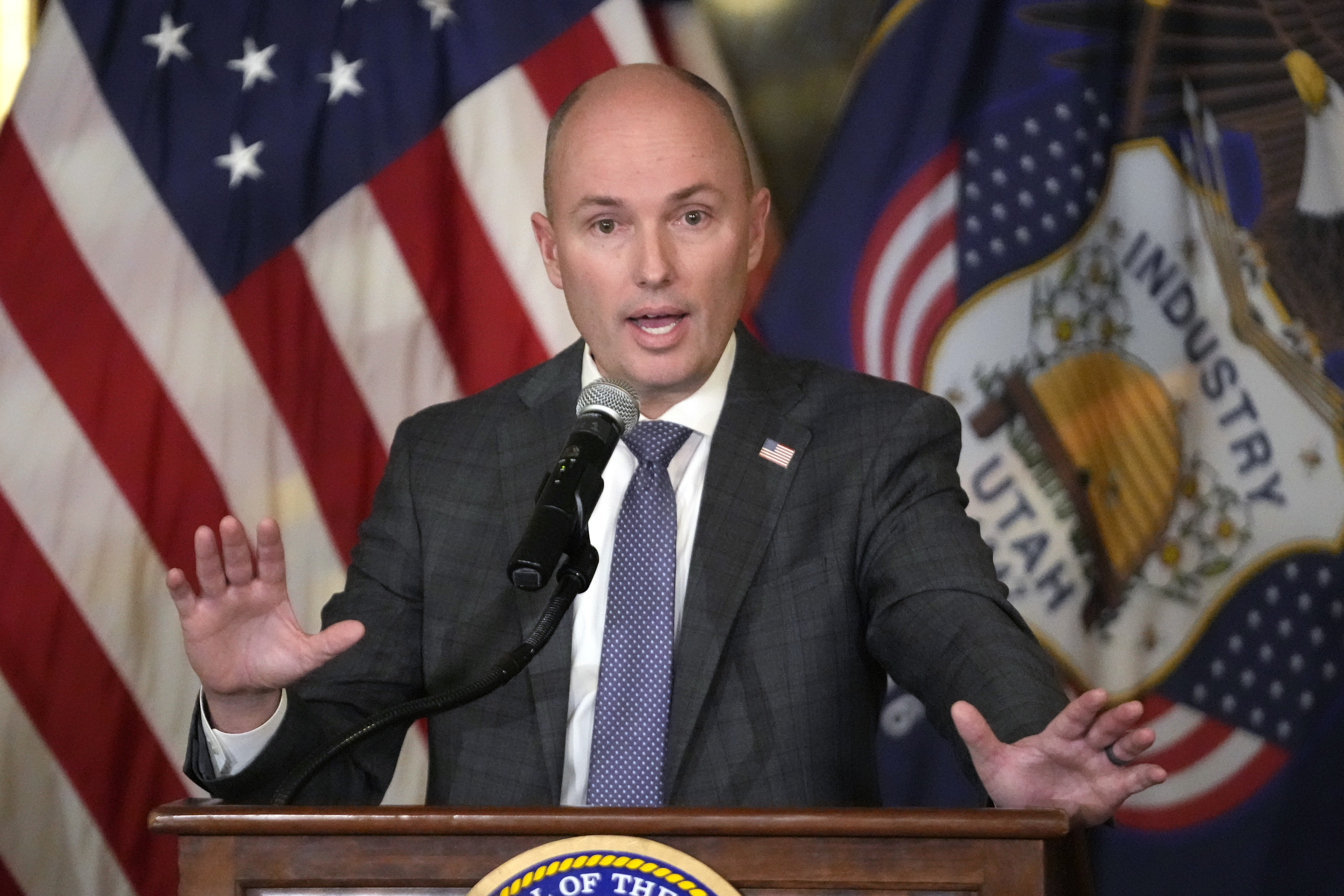
Utah Governor Spencer Cox announced that the state is preparing to file lawsuits against social media companies for the harm caused to young people. Cox cited evidence that companies like Meta (formerly Facebook) knew about the dangers of their products and intentionally hid that information. Earlier this year, Utah passed legislation to set limits on minors' social media use, including a digital curfew and parental consent requirements. Cox acknowledged the difficulty of enforcing these laws and expects legal challenges, but believes the Supreme Court will eventually weigh in. The goal is to give families more control over social media experiences and address the causal link between social media use and mental health issues in youth.
Meta will allow children as young as 10 to use its VR headsets with parental approval. Parents will be able to control which apps their children use and set time limits. Meta will use the data collected to deliver an age-appropriate experience and will not serve ads to this age group. However, there are potential hazards of VR, including the potential erosion or delay of a child's "reality distinctions." Parents should talk to their children and be careful about how long and how seriously they engage with this technology.
The Davis School District in Utah has removed the Bible from its elementary and middle schools after a parental complaint that some verses were too vulgar or violent for younger children. The district has also removed other titles following a 2022 state law requiring districts to include parents in decisions over what constitutes “sensitive material.” A complaint has also been submitted about the Book of Mormon. Conservative parent activists are sowing alarm about how sex and violence are talked about in schools, and the number of attempts to ban or restrict books across the US in 2022 was the highest in 20 years, according to the American Library Association.
Venmo will officially allow teenagers to open accounts with parental permission, expanding the app's market to an age demographic that has been using it already. The Venmo Teen Account will come with a debit card and parental controls, including transaction monitoring and privacy settings. The move is in response to frequent requests from users and could create 25 million potential new customers. Other banks, such as Chase, have also created similar products for children and teenagers.
Uber is lifting its age restrictions to allow teenagers aged 13 to 17 to have their own account and take their own rides, as long as it's linked to their guardian's account. The new feature, announced during the company's annual product event, Go/Get, is aimed at solving a problem that is a massive pain point for both guardians and teens. Teen accounts are essentially controlled by their parent or guardian, who can set up the account, track the teens' ride in real-time, and communicate with the driver. Uber is also rolling out several other new services aimed broadly at "family and travel."