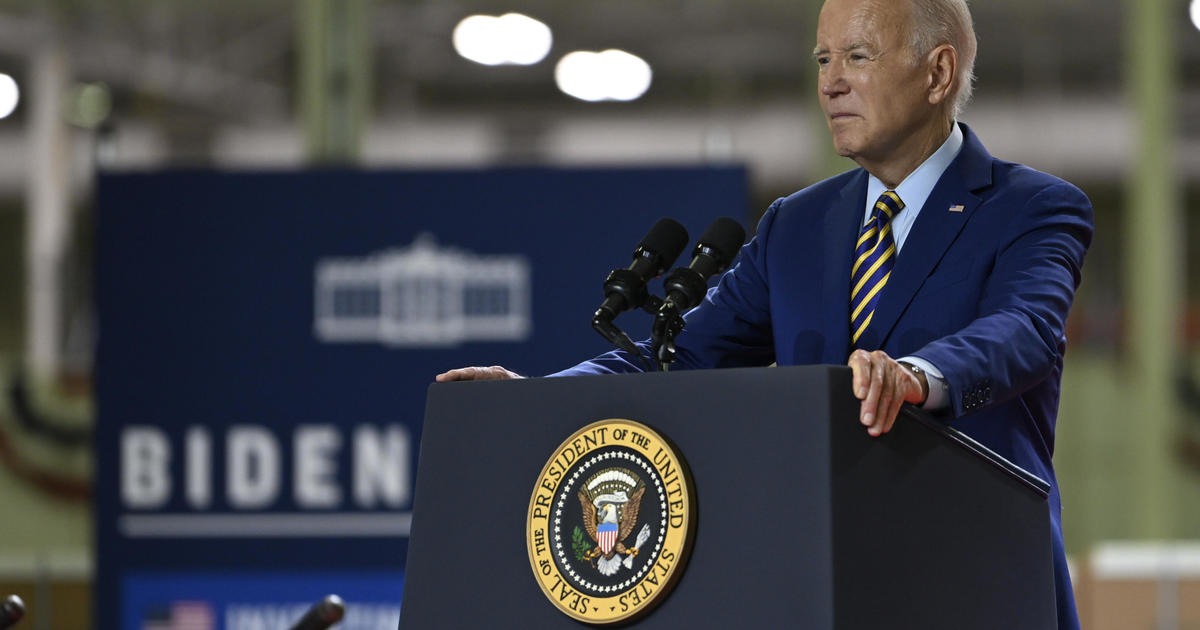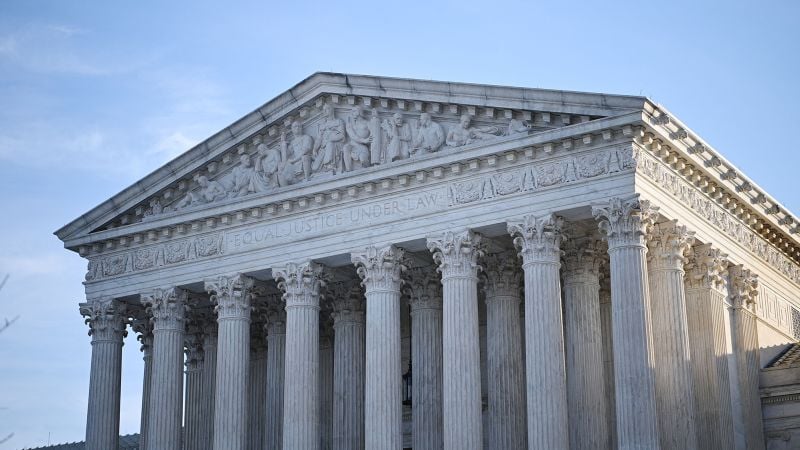
The Supreme Court has lifted restrictions on the Biden administration's communications with social media companies while a lawsuit challenging the government's efforts to combat online misinformation is ongoing. The court's decision temporarily halts previous rulings that limited the ability of federal agencies and officials to communicate with social media platforms regarding Covid-19 and election-related misinformation. The Supreme Court will also hear the case but has not yet set a date for oral arguments.
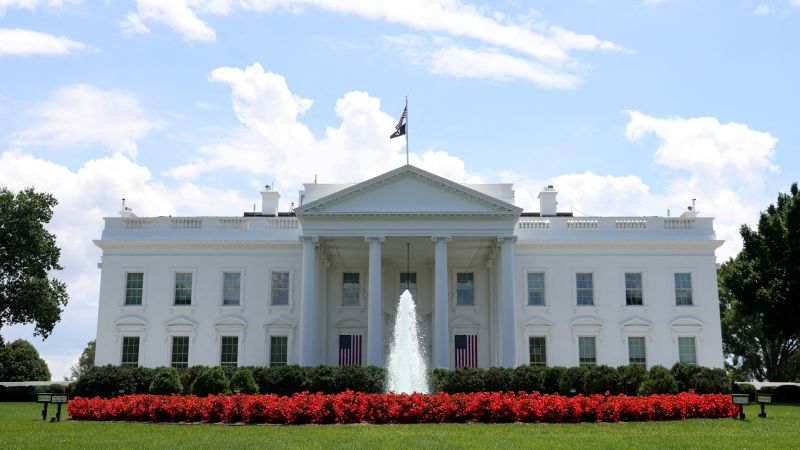
A federal appeals court has eased restrictions on the Biden administration's contacts with social media companies, ordering the White House, FBI, and health officials not to coerce or significantly encourage the removal of content deemed as misinformation. The court narrowed an injunction that accused U.S. officials of illegally coercing Facebook and YouTube into censoring posts related to Covid and the 2020 election. While the court agreed that federal officials had violated free speech protections, it vacated much of the lower court's injunction, except for a provision concerning alleged coercion. The ruling was hailed by Republican state attorneys general, but the injunction has been put on hold for 10 days to allow the Biden administration to seek Supreme Court review.
A federal appeals court has narrowed a judge's order that blocked Biden administration officials from communicating with social media companies in a lawsuit brought by Republican attorneys general alleging unconstitutional censorship in the fight against Covid-19 disinformation. The appeals court reversed several aspects of the order, stating that they risked blocking the government from engaging in legal conduct. The ruling also puts the judge's order on hold for 10 days, allowing for an appeal to the Supreme Court.
A federal appeals court has temporarily blocked a controversial order that would have prohibited the Biden administration from communicating with social media companies. The order, issued by US District Judge Terry Doughty in Louisiana, was part of a lawsuit accusing the administration of silencing conservatives by pressuring social media platforms to remove content containing protected free speech. The Justice Department has appealed the ruling, and the 5th US Circuit Court of Appeals has expedited the appeal while blocking the order in the meantime.
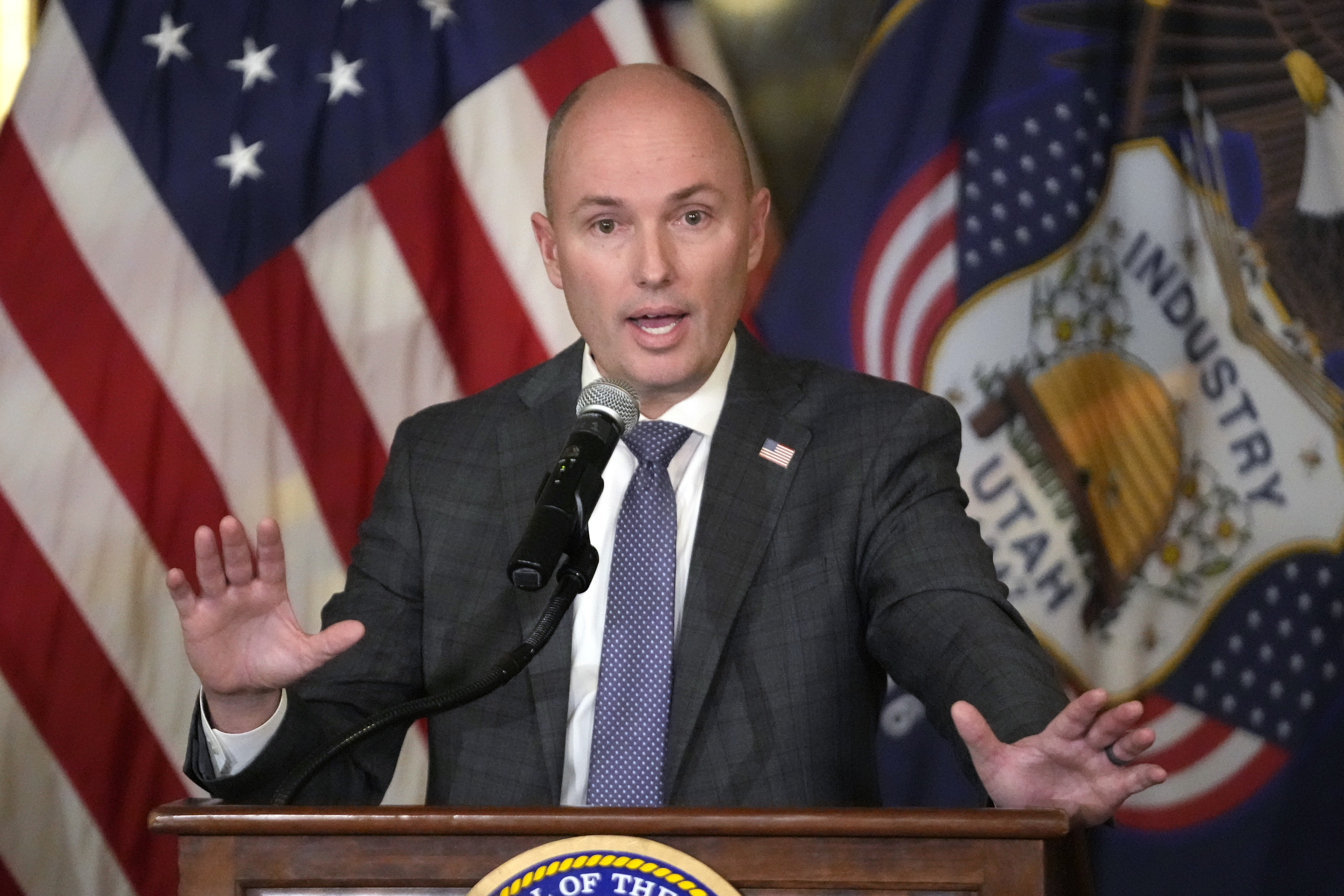
Utah Governor Spencer Cox announced that the state is preparing to file lawsuits against social media companies for the harm caused to young people. Cox cited evidence that companies like Meta (formerly Facebook) knew about the dangers of their products and intentionally hid that information. Earlier this year, Utah passed legislation to set limits on minors' social media use, including a digital curfew and parental consent requirements. Cox acknowledged the difficulty of enforcing these laws and expects legal challenges, but believes the Supreme Court will eventually weigh in. The goal is to give families more control over social media experiences and address the causal link between social media use and mental health issues in youth.
The Justice Department has requested a federal court to pause its order that limits the Biden administration's communication with social media companies while it appeals the decision. The preliminary injunction, issued by U.S. District Judge Terry Doughty, blocks several top Biden administration officials from engaging in communications aimed at pressuring or inducing the removal of content containing protected free speech. The injunction stems from a lawsuit filed by Republican attorneys general, alleging collusion between senior government officials and social media companies to suppress viewpoints and content, violating the First Amendment. The Justice Department argues that the order is too broad and causes confusion regarding who is temporarily barred from working with social media companies.
Twitter co-founder Jack Dorsey tweeted "America has a problem," prompting Elon Musk to ask if it was "Too many social media companies?" Netizens suspect Musk was throwing shade at Dorsey for backing Bluesky, a possible Twitter alternative. Meta Platforms also plans to launch a Twitter alternative named "Barcelona" in 2023. Twitter could witness a user decline in 2023, redirecting toward Reddit and Microsoft's LinkedIn. Mastodon's growth fizzled as it proved too complicated for mainstream users.
Experts fear that the development of generative AI tools could worsen the problem of nonconsensual deepfake pornography, which primarily harms women. Deepfakes are videos and images that have been digitally created or altered with artificial intelligence or machine learning. The problem grew as it became easier to make sophisticated and visually compelling deepfakes. Some AI models and social media companies are already curbing access to explicit images, but governing the internet is next to impossible when countries have their own laws for content that’s sometimes made halfway around the world.