Using a treadmill or walking pad at your desk can help break up long periods of sitting, improve health outcomes like blood pressure and cholesterol, and promote more physical activity during the workday, especially when combined with regular walking breaks. While there are some challenges with typing accuracy and cost, even small changes in activity levels can significantly benefit sedentary workers.
As more employees return to the office, bedbug sightings have increased, prompting Google to treat its NYC Chelsea campus for pests. Bedbugs are hitchhiking from home environments via personal items, and companies are advised to have protocols for detection and treatment to avoid legal liabilities and ensure workplace safety.
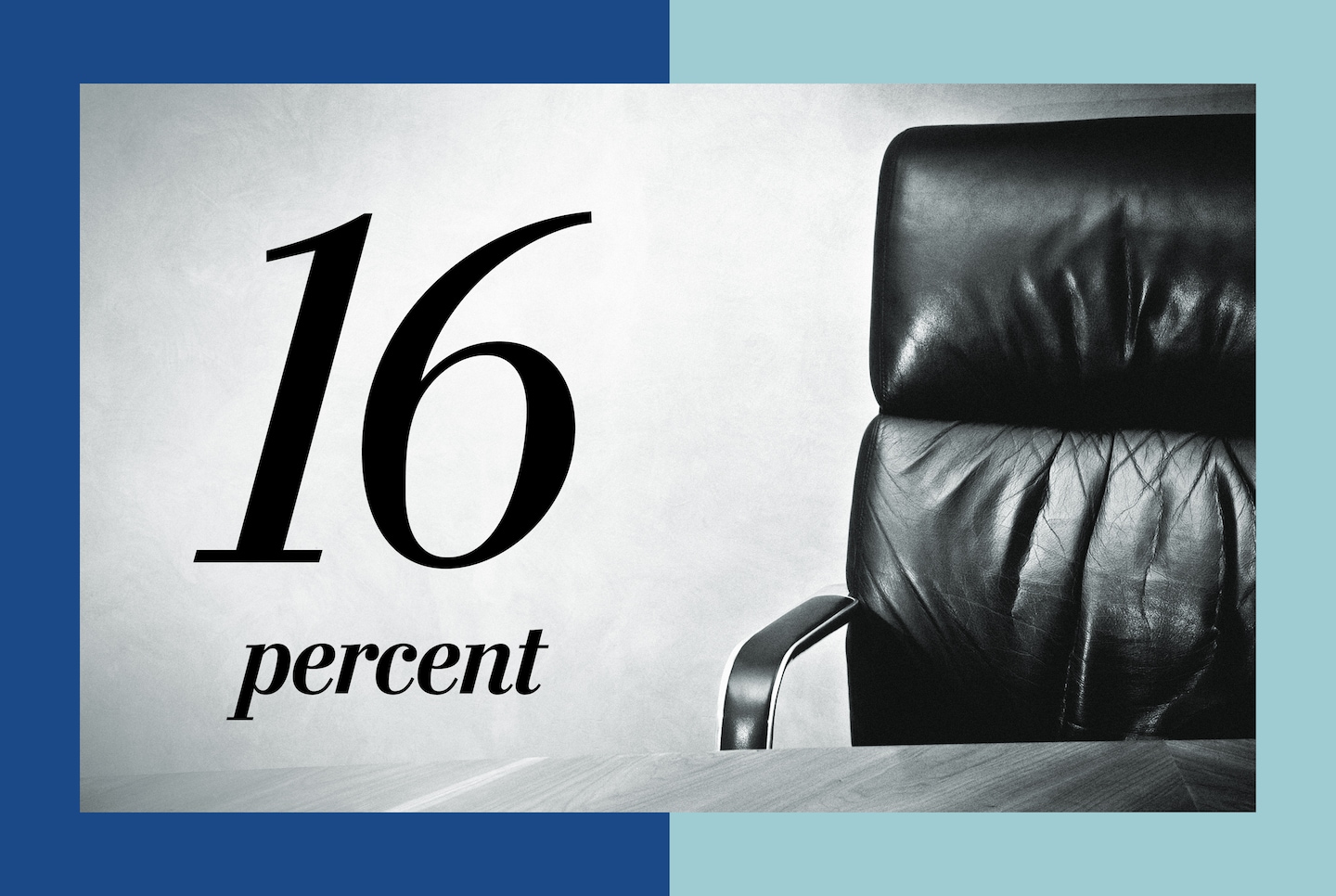
A study published in JAMA Network Open found that people who predominantly sit at work have a 16% higher risk of early death, with a 34% higher risk of dying from cardiovascular disease. However, those who combine sitting with standing or movement do not experience an increased risk. Increasing leisure-time physical activity by just 15 to 30 minutes a day can lower the risk of early death for those who sit at work. The study suggests workplace changes such as standing tables, activity-permissive work stations, and more frequent breaks, while recommendations include taking breaks from sitting every 30 minutes and joining colleagues for walking meetings.
Prolonged sitting can lead to health risks, but even small movements throughout the day can help mitigate these effects. Studies have linked sedentary behavior to increased risk of diseases and premature death, with Americans spending a significant portion of their day being sedentary. Experts recommend incorporating regular movement breaks, such as short walks or simple exercises, into daily routines to counteract the negative impact of sitting. While regular exercise is important, incorporating mini-movements throughout the day is also crucial for maintaining overall health and well-being, especially for those with desk jobs.
A study of 481,688 people over 13 years found that sitting at a desk all day can increase the risk of dying from heart disease by a third and the risk of early death from any cause by 16 percent. However, the risks can be offset by 15 to 30 minutes of daily exercise. The study suggests that employers can help by providing designated areas for physical activity, and incorporating regular breaks in work settings can be beneficial. Not exercising enough has been linked to higher rates of type 2 diabetes, heart disease, cancer, and dementia, and the NHS recommends daily physical activity and strength training at least twice a week.
A study by Glasgow Caledonian University suggests that doing a three-minute yoga routine every hour at work can reduce the risk of diabetes by up to 25%. The study found that this approach significantly lowers blood glucose levels without compromising concentration or well-being, making it beneficial for desk-bound staff. The research also indicates that brief yoga sessions can boost concentration and productivity, countering the misconception that physical activity during work hours negatively impacts output. The study's findings highlight the potential of short bouts of yoga to improve health and productivity for both office-based and remote workers.
The rise of remote work has normalized working while sick, as the current surge in illnesses blurs the lines between productivity and well-being. With technology enabling work from home, the dilemma of taking sick days becomes challenging, leading to concerns about the impact on employee well-being and stress levels. As the new year prompts goal-setting, there is a call to reconsider priorities and take genuine days off when unwell, highlighting the need to reevaluate the work culture and its impact on employee health.