Tag

Worker Protections

All articles tagged with #worker protections

industry4 months ago

Blizzard Employees Unionize to Secure Pay, AI Regulation, and Job Protections

Activision Blizzard's recently unionized SFD team, along with other departments, seeks better pay, AI regulation, layoff protections, and transparency amid industry instability and layoffs following Microsoft's acquisition. The unionization effort aims to secure stability, protect creative work, and improve working conditions in a rapidly changing industry, reflecting a broader trend of increased union activity driven by layoffs and industry frustrations.

politics1 year ago

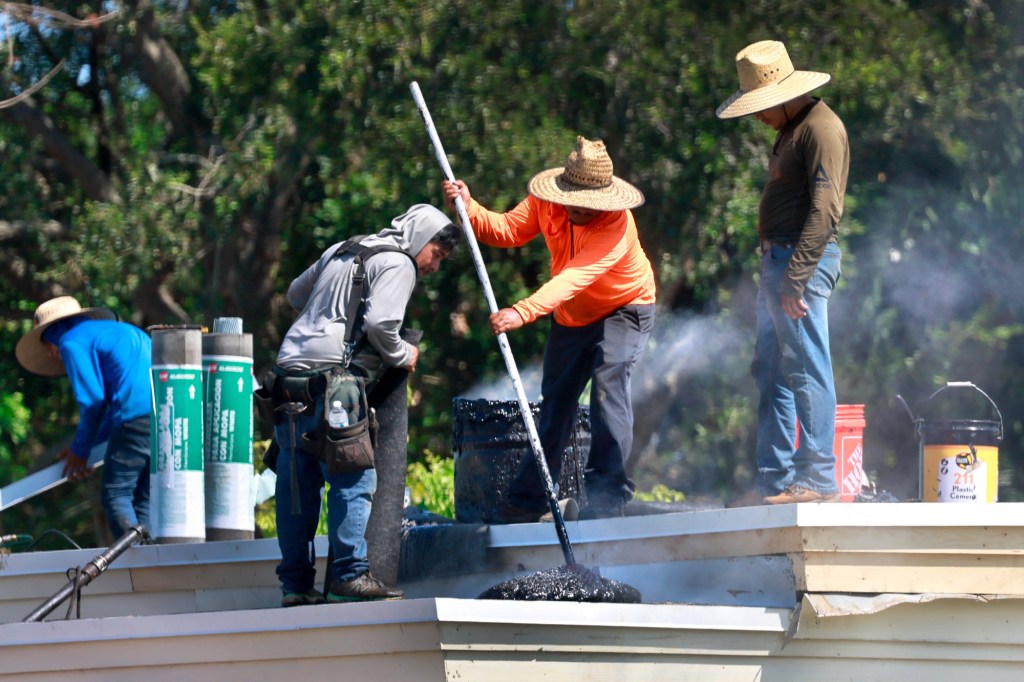
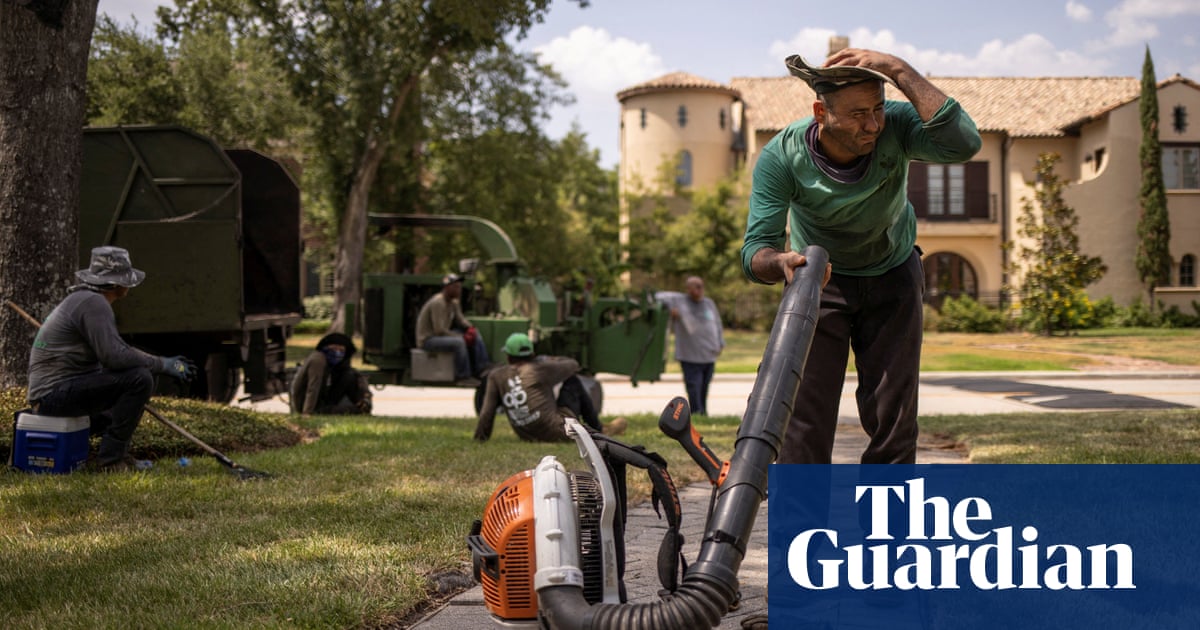
"Florida Governor DeSantis Blocks Heat Protections for Outdoor Workers"

Florida Governor Ron DeSantis signed a law preventing local governments from setting heat-exposure rules for workers and imposing minimum wage requirements on contractors, a move supported by business groups but opposed by over 90 organizations. The law will negate local ordinances such as Orlando's Responsible Contractor Policy, which mandates a $15 minimum wage for city contractors, and has sparked debate over worker protections and local government authority.

business1 year ago

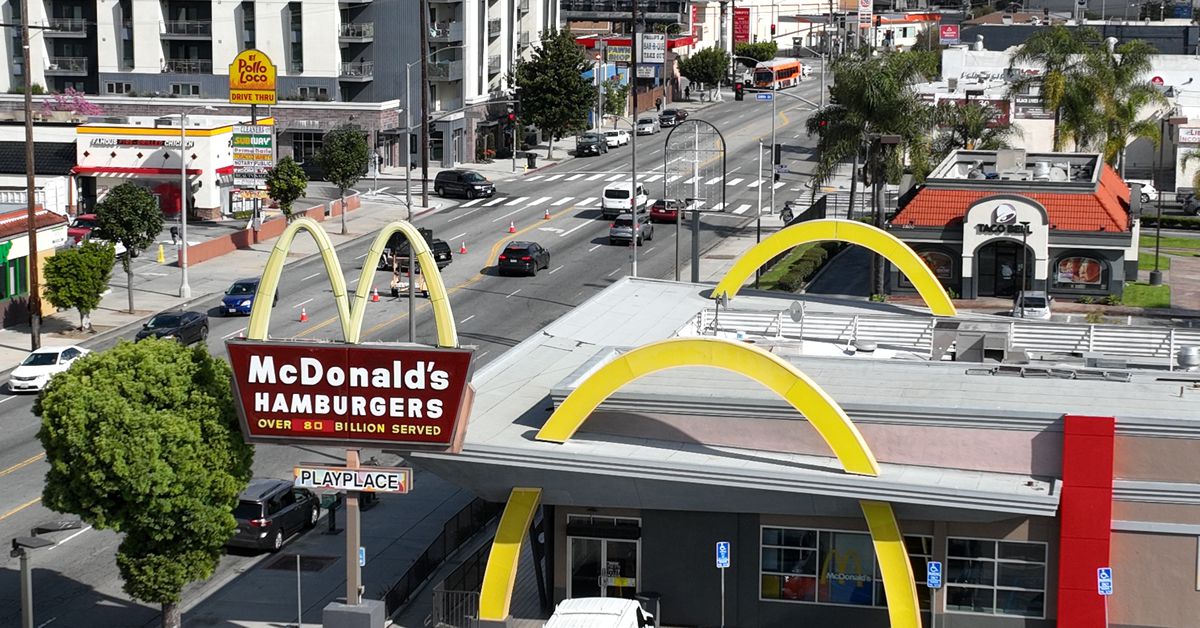
"California's Fast Food Minimum Wage Impact: Exemptions, Closures, and Franchise Strategies"

California's new law, AB1228, has raised the minimum wage for fast-food workers to $20, sparking differing responses from employees and franchise owners. While franchise owners express concerns about increased operational costs and potential menu price hikes, workers generally support the wage increase. The law has faced scrutiny over alleged exemptions for certain businesses, but the Governor's office has issued expanded guidelines to clarify which businesses are affected.

technology2 years ago

Navigating AI Regulations and Mental Health Strategies in the Workplace

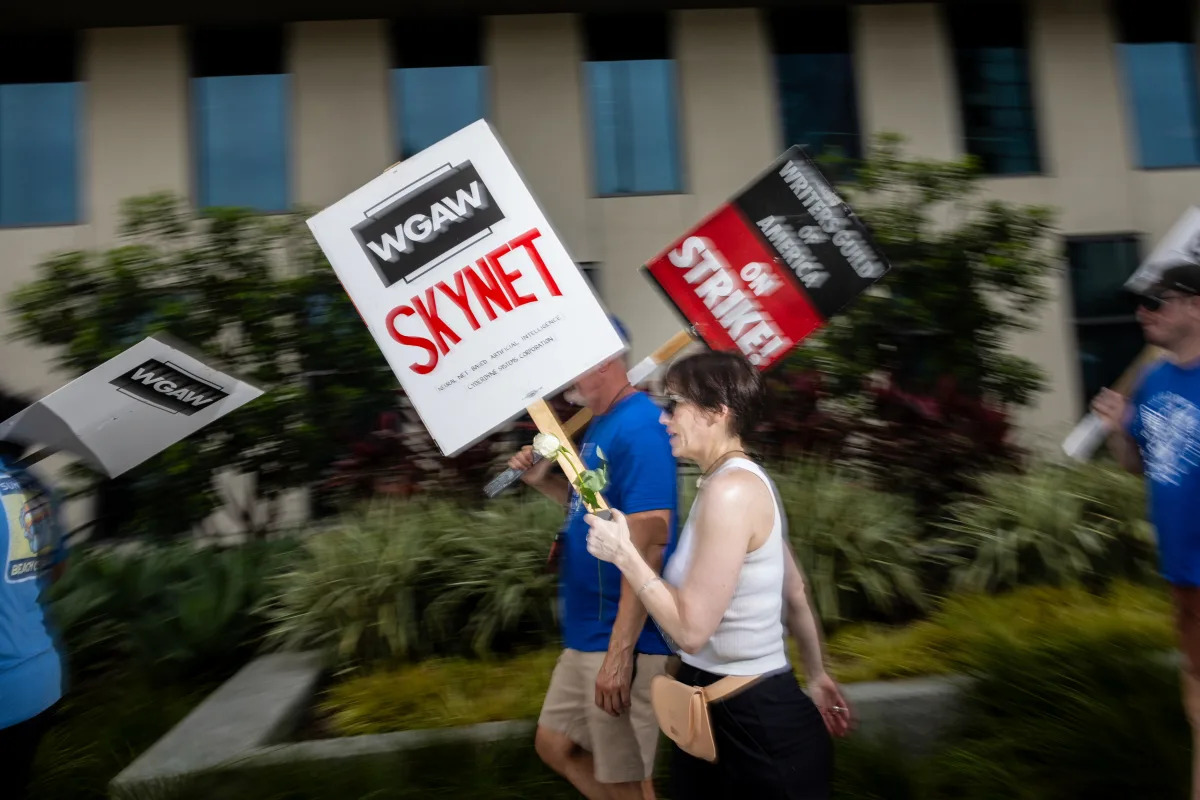
As the government lags behind in regulating AI, workers are taking the lead in securing protections against the potential harms of automation. Unions are playing a crucial role in setting boundaries and demanding safeguards in industries like entertainment, where provisions have been included in contracts to prevent the use of AI in writing or rewriting literary material. Recent cases of corporate abuses, such as the exploitation of synthetic content by Sports Illustrated, highlight the need for worker protections. Microsoft and the AFL-CIO union federation have also partnered to address labor issues related to AI, with workers having a say in how the technology is deployed in the workplace. Workers argue that guidelines are crucial in the emergent phase of AI to ensure their voices are heard and their safety is prioritized.

labor-and-business2 years ago

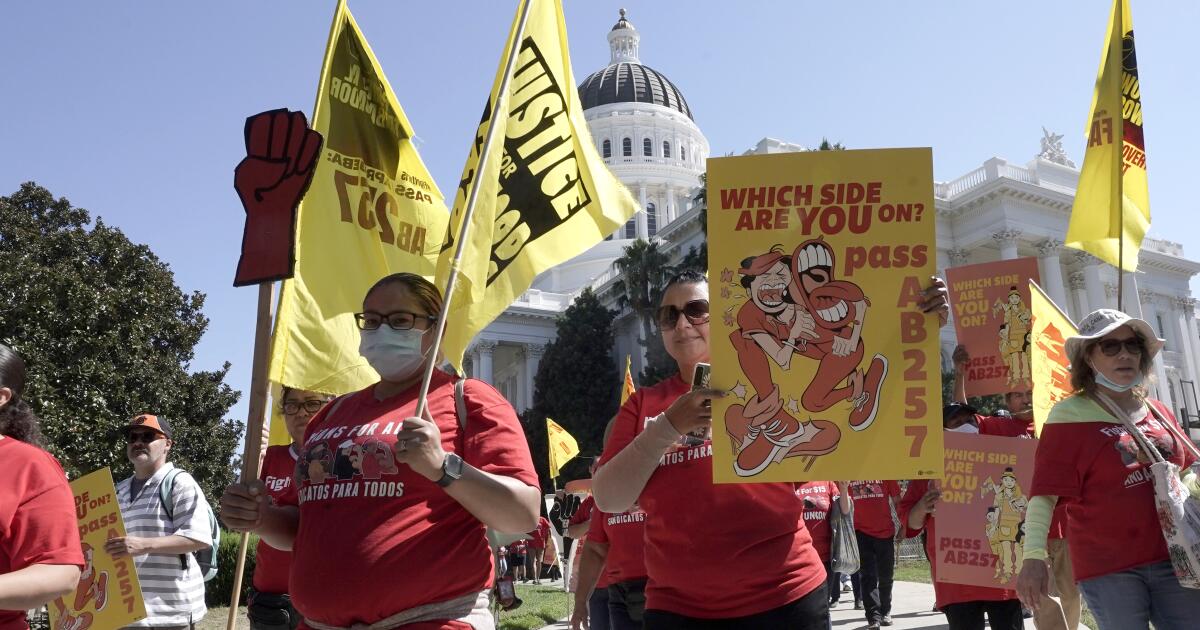
California Fast Food Workers Secure $20 Minimum Wage in Historic Labor-Industry Agreement

Fast-food companies in California have reached a deal with labor unions to withdraw a referendum seeking to reverse a worker-protections law. Under the agreement, the minimum wage for fast-food workers will increase to $20 per hour in April, and a new council will be formed to consider future pay increases. The deal, negotiated with the help of Governor Gavin Newsom's advisors, allows both sides to avoid a costly political battle. The law, known as Assembly Bill 257, had created a fast-food council to set wage and working condition standards, which could have resulted in pay increases of up to $22 per hour by 2024. The agreement represents a compromise that benefits workers, local restaurant owners, and brands, while protecting the franchise business model.

politics2 years ago

Texas Judge Strikes Down Controversial State Law, Protecting Local Water Breaks and Progressive Cities

A Texas judge has declared a controversial bill, known as the "Death Star law," unconstitutional, just days before it was set to take effect. The law aimed to prevent local municipalities from passing ordinances that went beyond state law, including paid sick leave and mandated water breaks for workers. The judge ruled in favor of cities that argued the bill was vague and unclear. Worker advocate groups praised the decision, highlighting the importance of local leaders being able to respond to their communities' needs. Texas is expected to appeal the ruling.

labor-rights2 years ago

"Insufficient Legal Safeguards for Workers in Extreme Heat Conditions"

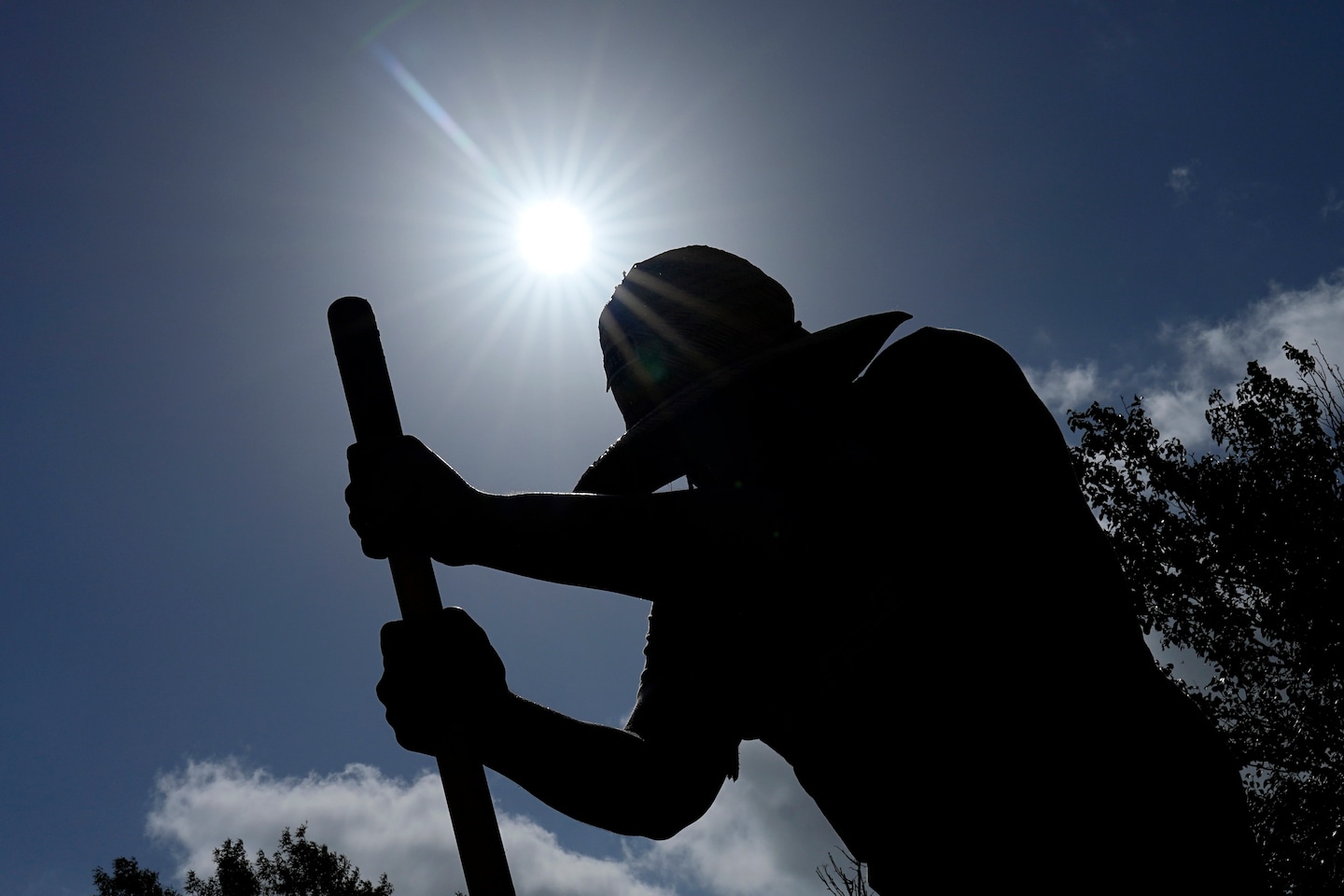
Most U.S. workers have few legal protections related to extreme heat conditions, leaving them vulnerable to heat-related illnesses and fatalities. Only six states have regulations guaranteeing laborers access to water, rest, and shade. The federal government is in the process of drafting heat safety rules, but it is a lengthy process. Recent climate studies show that Earth is experiencing record-high temperatures, exacerbating the risks faced by workers. The consequences of heat illness can be deadly, and heat-related deaths are often undercounted. The lack of specific guidelines makes it difficult for regulators to hold employers accountable for heat injuries. State legislatures or labor departments are left to issue their own workplace heat protections, but many states have yet to implement comprehensive measures.

labor-rights2 years ago

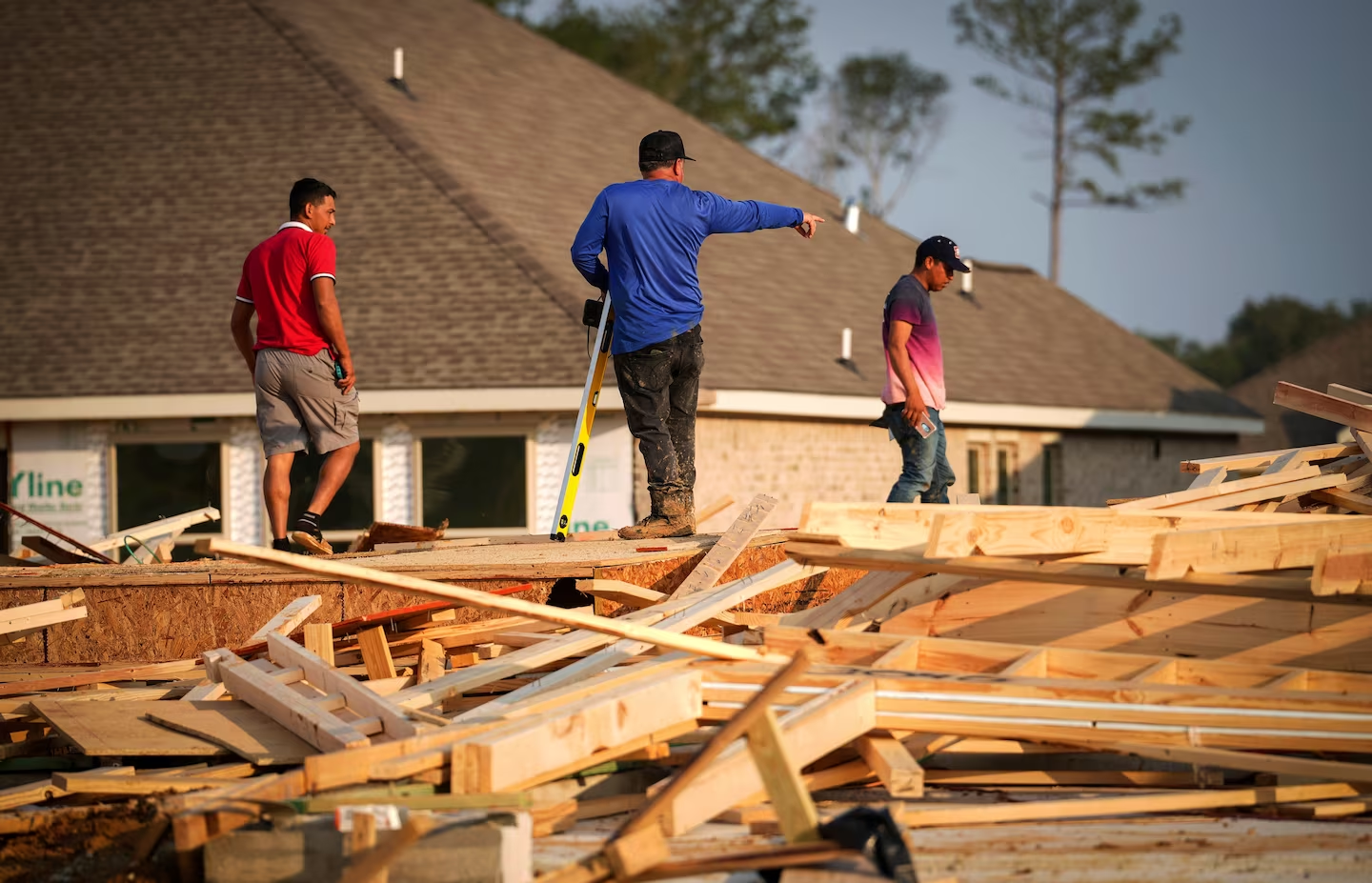
Texas Governor Eliminates Water Breaks for Construction Workers During Heat Wave

A new law in Texas will override local labor ordinances that guarantee worker protections, including mandatory water breaks for construction workers in the heat. The law, signed by Gov. Greg Abbott, will require cities and counties to follow state codes instead. Opponents warn that the law overturns worker protections in more liberal municipalities that aren’t able to pass in the state legislature, where the GOP has majorities. Since 2010, at least 53 Texas workers have died of heat-related illness, and climate change is expected to make the Texas heat worse.

business2 years ago

Minnesota Takes Steps to Protect Gig Workers' Rights.

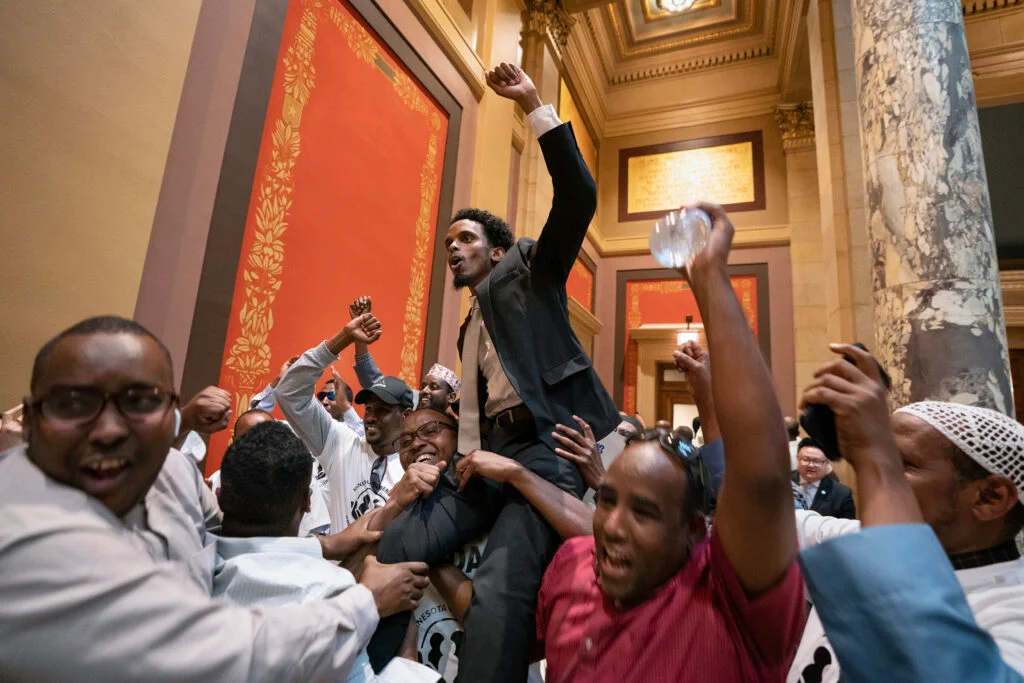
The Minnesota Legislature has passed a bill that would set minimum pay rates for Uber and Lyft drivers and establish greater protections against wrongful termination. The bill requires transportation network companies, including Uber and Lyft, to pay drivers a $5 minimum fee plus $1.45 per mile and $0.34 per minute in the seven-county Twin Cities metropolitan area. Drivers in greater Minnesota would be entitled to $1.25 per mile and $0.34 per minute. The bill also includes protections for drivers against wrongful deactivation. Uber and Lyft both blasted the bill and urged Gov. Tim Walz to issue his first ever veto in more than four years in office.