The EU plans to strengthen regulations and enforcement to combat the influx of unsafe products from China sold on online platforms like Shein and Alibaba, aiming to better protect consumers and ensure fair competition, amid rising concerns over dangerous goods and inadequate current measures.
The article discusses the recent surge in public attention towards sex workers, highlighting both the positive shifts in societal acceptance and the ongoing challenges they face, such as stigma, legal barriers, and safety concerns, emphasizing the need for genuine recognition and protections for sex workers' rights and experiences.
The article discusses how economic struggles and a tough job market have led many in Generation Z to turn to sex work as a viable income source, especially during and after the pandemic, with oversaturation and declining rates now making it less lucrative and complicating career transitions.
The European Data Protection Board has recommended that Meta Platforms and other large online platforms offer users the option to use their services for free without targeted advertising. This opinion was issued in response to inquiries from national privacy regulators in the Netherlands, Norway, and Germany regarding consent or pay models adopted by these platforms. The EDPB emphasized the importance of providing a free alternative without behavioral advertising if a fee is charged for access to the equivalent alternative.
The Supreme Court is set to hear arguments on two cases that challenge laws in Florida and Texas seeking to limit the ability of large online platforms to curate or ban content, with potential implications for free speech and the future of online public discourse. The cases will test the constitutionality of laws that aim to fight what lawmakers claim are rules that suppress conservative speech, and a ruling for the states could force social media companies to carry "lawful but awful" speech, impacting not only big social media platforms but also traditional publishers, individual moderators, and nonprofit organizations. The decision will have far-reaching implications for state and federal legislation regulating social media platforms' content moderation and could influence the future of public discourse online.
The European Union's Digital Services Act (DSA) is expanding to cover all online platforms with users in the EU, in addition to the 19 Very Large Online Platforms (VLOPs) and Very Large Online Search Engines (VLOSEs) already subject to its rules. The DSA imposes new obligations around content moderation, online advertising, and user privacy, including bans on targeting underage users with ads based on personal data and rules for content moderation transparency. While the DSA aims to create a safer and more transparent online environment, concerns remain about the readiness of EU member states to enforce its rules more broadly.
The European Union is expanding its Digital Services Act to cover almost all online platforms in the bloc, imposing strict requirements to keep internet users safe, including easier reporting of counterfeit goods and harmful content, a ban on ads targeted at children, and transparency in digital ads and content moderation decisions. The rules will now apply to nearly all online platforms, marketplaces, and intermediaries with users in the 27-nation bloc, with only the smallest businesses exempt. The EU has also started investigating Elon Musk’s social media platform X, formerly known as Twitter, over suspicions of infringing the DSA’s provisions.
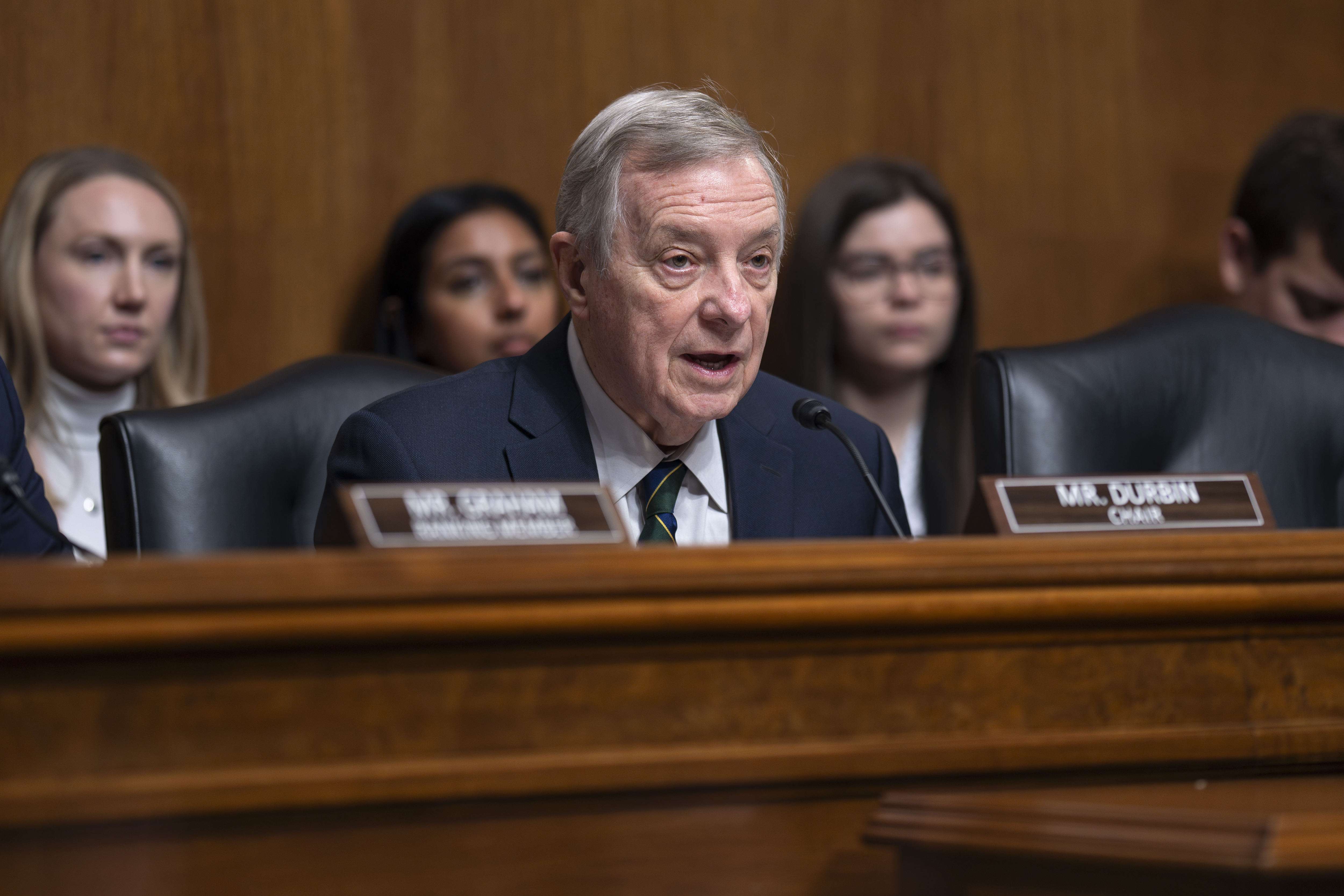
The CEOs of major tech companies are testifying in a hearing about allegations of failing to protect children from abuse on their platforms, as senators aim to push for bipartisan bills that would increase tech companies' liability and require stronger safety features for kids. This comes amid government efforts to address online harms to children, with three executives appearing on Capitol Hill for the first time after subpoenas were issued for their testimony due to alleged lack of cooperation with oversight requests.
The Senate Judiciary is summoning the CEOs of Meta, TikTok, X, Snap, and Discord to discuss child safety on their platforms, with a focus on policing child sexual abuse material. Despite years of congressional attention, little legislative progress has been made due to disagreements and tech industry opposition. While some companies have announced internal changes, the prospects for passing new bills remain uncertain, with industry lobbying and disagreements over specific provisions hindering progress. As Congress struggles, states and other countries have taken the lead in regulating social media for children's safety.
Three of the world's largest porn websites, including Pornhub, XVideos, and Stripchat, are now subject to stricter controls under the European Union's Digital Services Act (DSA), which requires age verification for users. These platforms, classified as "very large online platforms," face fines of up to 6% of global revenue or potential bans for non-compliance. The DSA aims to protect users from illegal content and products. France, Germany, Britain, and some U.S. states have also drafted laws mandating age verification on porn sites, raising concerns about privacy and discrimination. The DSA also addresses the spread of illegal content and requires risk assessments, transparency reports, and access to data for researchers.
Three pornographic websites, including Pornhub, have been added to the European Union's list of "very large online platforms" that will face stricter safety regulations under the new EU Digital Services Act. These platforms, which have over 45 million active users in the EU, will be required to implement measures to protect children and address the dissemination of illegal content. The EU will monitor their compliance and can impose fines or even ban them from operating in Europe for serious violations. The designation will allow for higher scrutiny and accountability of their algorithms and processes.
Pornhub, Stripchat, and XVideos have been designated as "very large online platforms" (VLOPs) by the European Union (EU), subjecting them to the EU's strictest digital regulations under the Digital Services Act (DSA). The move aims to address concerns about the dissemination of illegal content and the protection of minors. The designation triggers new rules for the three adult content companies, including obligations to mitigate risks related to illegal content, fundamental rights, and public security. The EU plans to expand the list of platforms subject to these regulations, with Only Fans and Telegram among those under scrutiny. The EU's main concern is the lack of effective age verification tools to protect minors accessing pornographic content. The new regulations will come into effect in February 2024.
The European Commission has designated popular porn websites Pornhub, Xvideos, and Stripchat as "very large online platforms" and imposed new content moderation rules on them under the Digital Services Act. These platforms will have to crack down on harmful and illegal content by April 2024 or face fines of up to 6 percent of their global turnover. The decision comes after growing scrutiny of these platforms for not doing enough to prevent the upload of illegal content, such as child abuse videos. The EU has clashed with these platforms over the threshold for extra content moderation rules, but the Commission's designation marks a victory.
Goodreads, the popular book review platform owned by Amazon, is facing criticism for its inadequate moderation system after an author admitted to creating fake accounts to leave negative reviews on other authors' books, particularly targeting authors of color. Despite claiming to take the responsibility of maintaining the authenticity and integrity of ratings seriously, Goodreads' guidelines and enforcement mechanisms remain unclear. The platform's lack of verification processes and the ability for anyone in good standing to post reviews, including before a book's publication, has made it susceptible to review-bombing campaigns. Critics argue that Goodreads needs to implement more comprehensive moderation or internal tools to protect its users and authors who rely on the platform.
YouTube remains the most widely used online platform among U.S. teens, followed by TikTok, Snapchat, and Instagram, according to a survey conducted by Pew Research Center. Despite concerns about the impact of social media on youth, teens continue to use these platforms at high rates, with some describing their social media use as "almost constant." The survey also found that teens' site and app usage has remained relatively stable over the past year, with YouTube and TikTok being the most frequently visited platforms. There are also differences in platform usage based on gender, race and ethnicity, age, and household income. Additionally, nearly half of teens report using the internet "almost constantly," with smartphone ownership being nearly universal among teens.