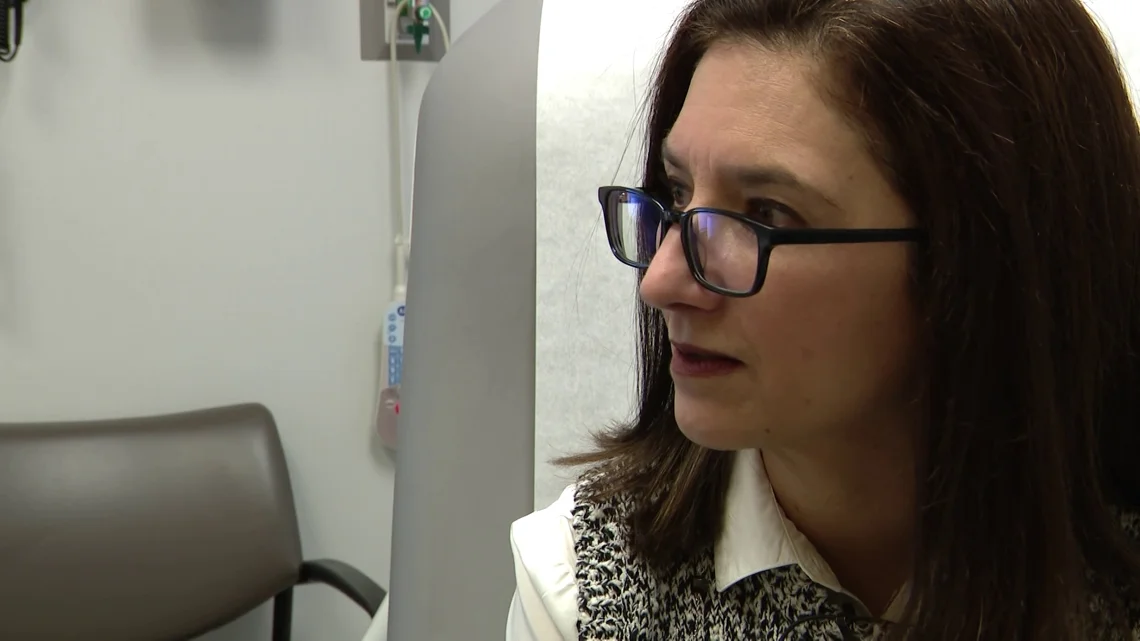
A study published in the International Journal of Sexual Health found that women's understanding of their anatomy and feelings about their genitals significantly influence their masturbation habits, with early sexual experiences linked to greater sexual satisfaction later. The research highlights gaps in female sexual education and suggests that better knowledge and positive self-image can promote healthier sexual behaviors.
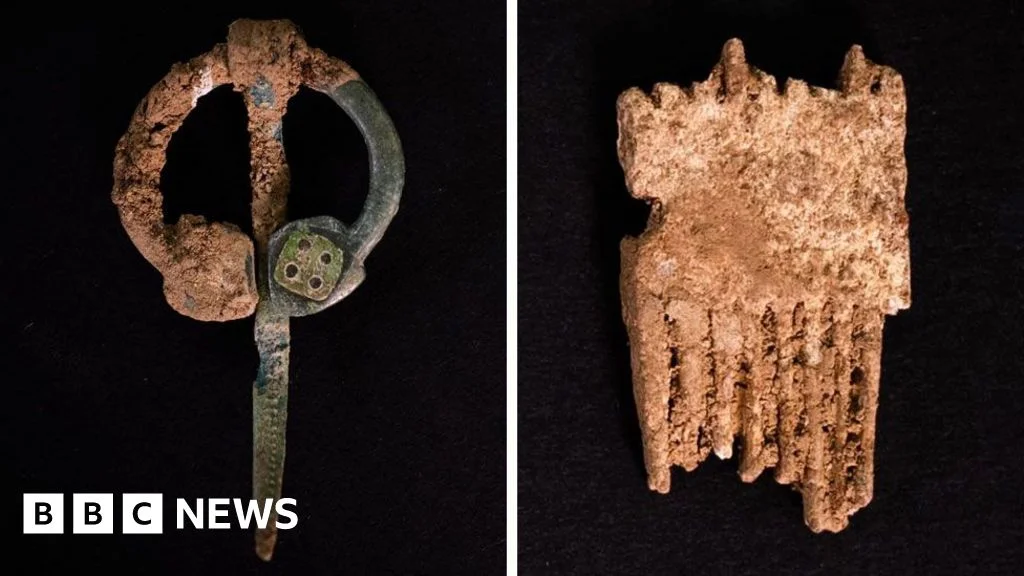
Archaeologists in Wales have uncovered a 6th or 7th-century burial site with predominantly female skeletons, domestic artifacts, and a possible small religious building, suggesting it was part of an early female religious community, with ongoing excavations aiming to understand more about early Christianity and community life.
The article shares various safety tips from women living alone, including using security devices, carrying deterrents like bear spray, creating distractions, and practicing self-defense, to help them feel safer in their homes and while out.
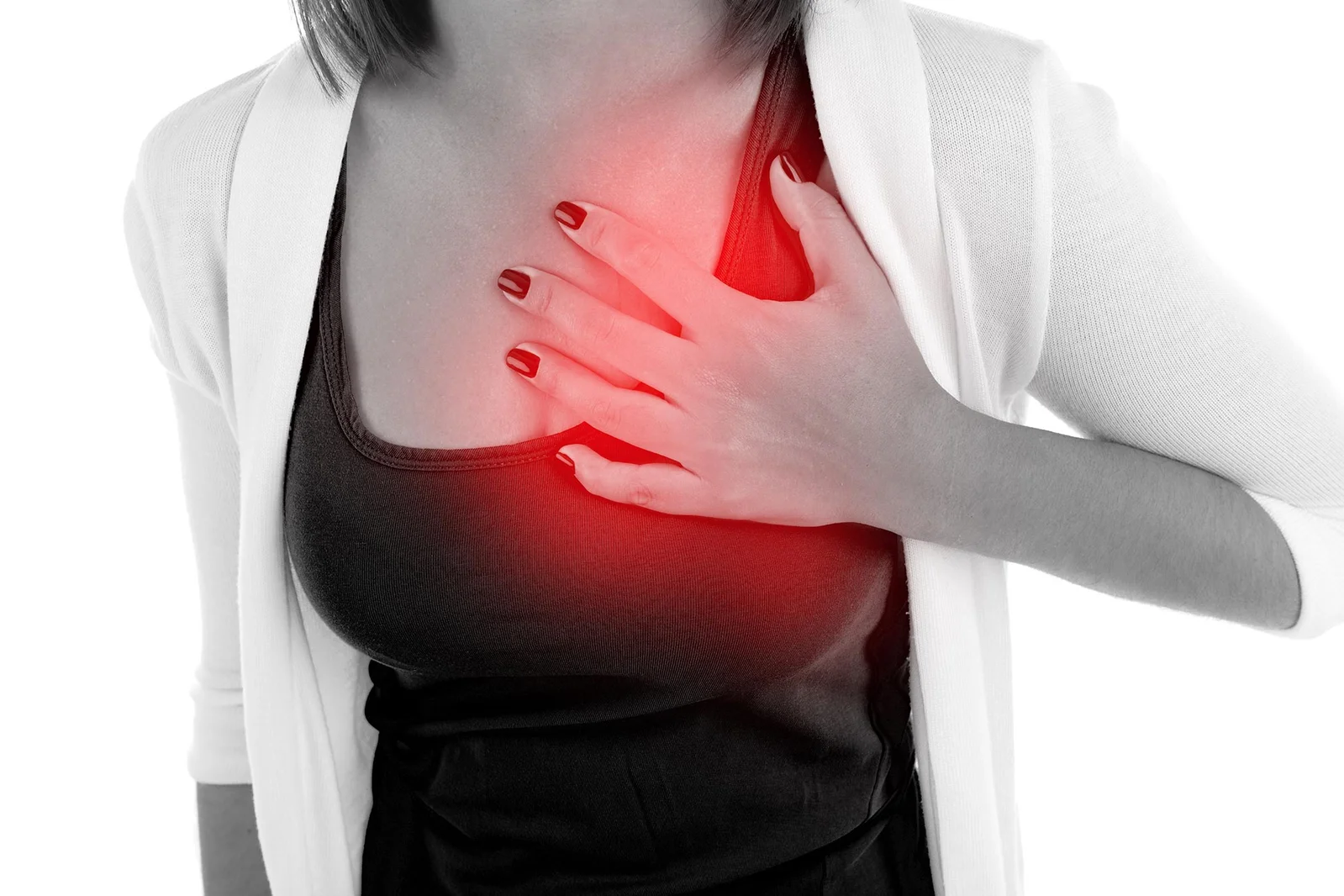
Research from the Mayo Clinic reveals that over 50% of heart attacks in women under 65 are caused by non-atherothrombotic factors like stress-related conditions and artery tears, highlighting the need for improved diagnosis and personalized treatment approaches.
Young women in Iran continue to defy strict hijab laws despite increased enforcement and penalties, driven by a desire for personal freedom and disillusionment with the regime's priorities, signaling a shift in public attitude and resilience against authoritarian control.
The article discusses 11 items women tend to buy when they are close to breaking down, including weighted blankets, self-improvement journals, skincare products, tea, comfort clothes, candles, takeout, wellness supplements, new hobbies, organizing items, and plants, as ways to cope with stress and emotional overwhelm.
A comprehensive study reveals that the longevity gap between women and men is rooted in biology and evolution, driven by genetic differences, reproductive strategies, and immune system variations, and persists across species and societies despite medical advances.
Women in Argentina accuse Opus Dei of trafficking and forced servitude from childhood, prompting an international gathering and investigations, with calls for the church to listen and implement reforms.
Women should prioritize higher-quality protein in their diet to support long-term health, muscle maintenance, and bone strength, especially as they age or undergo hormonal changes. Consuming around 1.2 g/kg/day of protein, spread across meals and including diverse sources, can lead to better muscle mass, strength, and overall functional health. Practical strategies like incorporating protein-rich snacks and plant and animal sources can help women meet these targets.
Women in Tehran are increasingly riding motorbikes, challenging traditional gender norms and reflecting broader societal shifts, despite legal and cultural restrictions. This change is driven by practical needs like avoiding traffic congestion and symbolizes a move towards greater independence and societal participation for women in Iran.
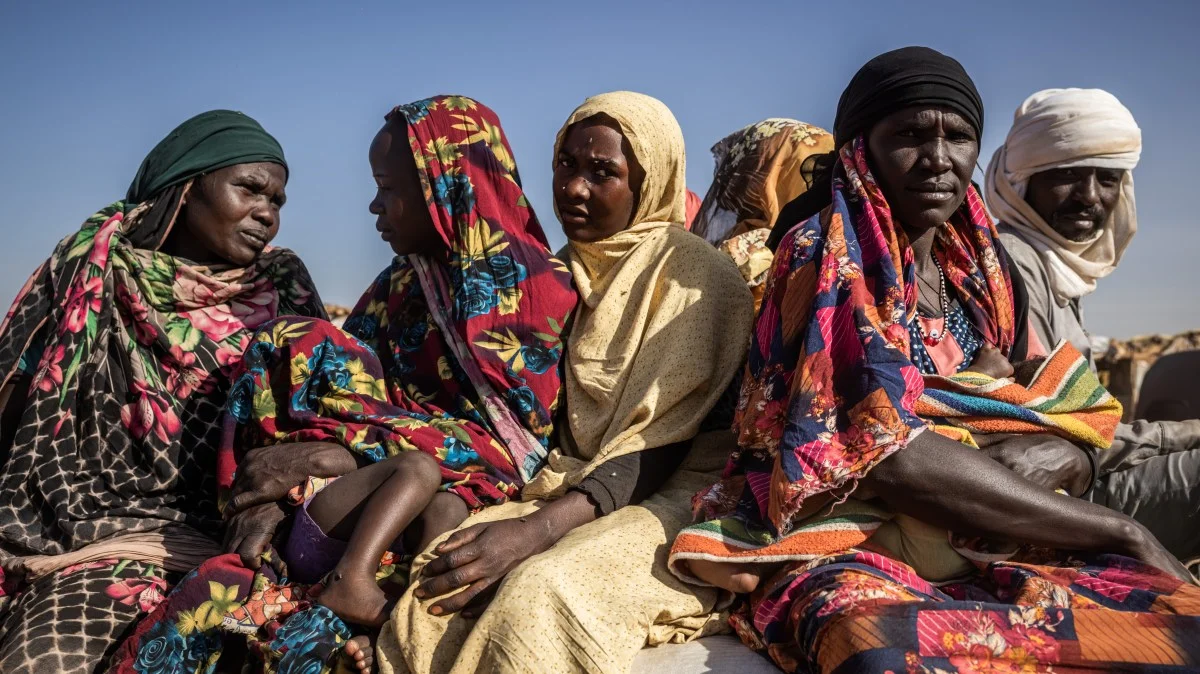
The Taliban in Herat, Afghanistan, has ordered women to wear burkas to access hospitals, leading to a decline in urgent medical admissions and sparking protests and international criticism over restrictions on women's rights.
A group of young women diagnosed with A.L.S. gather annually on Cape Cod to share stories, support each other, and find moments of joy despite their challenging condition, highlighting their resilience and the unique community they have built.
Many women are choosing not to post their boyfriends on social media due to reasons like maintaining independence, privacy, avoiding perceived cringe, and social pressures, reflecting a shift in how relationships are publicly presented and perceived in the digital age.
Dr. Jeremy London highlights four subtle but critical warning signs of heart attacks—shortness of breath, weakness, pressure in the jaw/neck/back, and fatigue—that are often overlooked but can be life-saving if recognized early, especially in women and older adults. Prompt attention to these symptoms and regular health screenings are essential for prevention and better outcomes.
Autoimmune diseases, which can affect nearly every part of the body and are more common in women, occur when the immune system mistakenly attacks healthy tissues. There are over 100 such diseases, with symptoms ranging from mild to life-threatening, and diagnosis can be complex. Recent research offers hope for more targeted treatments and early interventions, with ongoing clinical trials showing promising results. The global market for autoimmune treatments is substantial, reflecting the widespread impact of these chronic conditions.