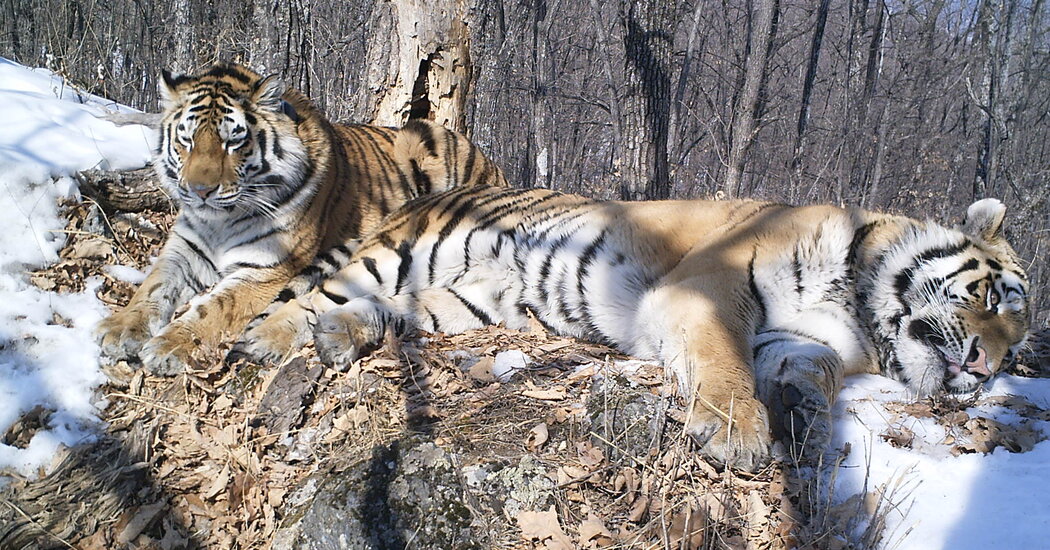
Two Siberian tigers managed to find each other despite being separated by 120 miles of Russian forest, highlighting the remarkable navigational abilities and strong instincts of these endangered animals.
An emperor penguin, named Gus, was released back into the Southern Ocean after being found on an Australian beach, 3,500 kilometers from Antarctica. The penguin, the first of its species recorded in Australia, was rehabilitated by wildlife caregiver Carol Biddulph, gaining weight and strength before his release. The return was time-sensitive due to the approaching Southern Hemisphere summer, which is crucial for the penguin's ability to thermoregulate.
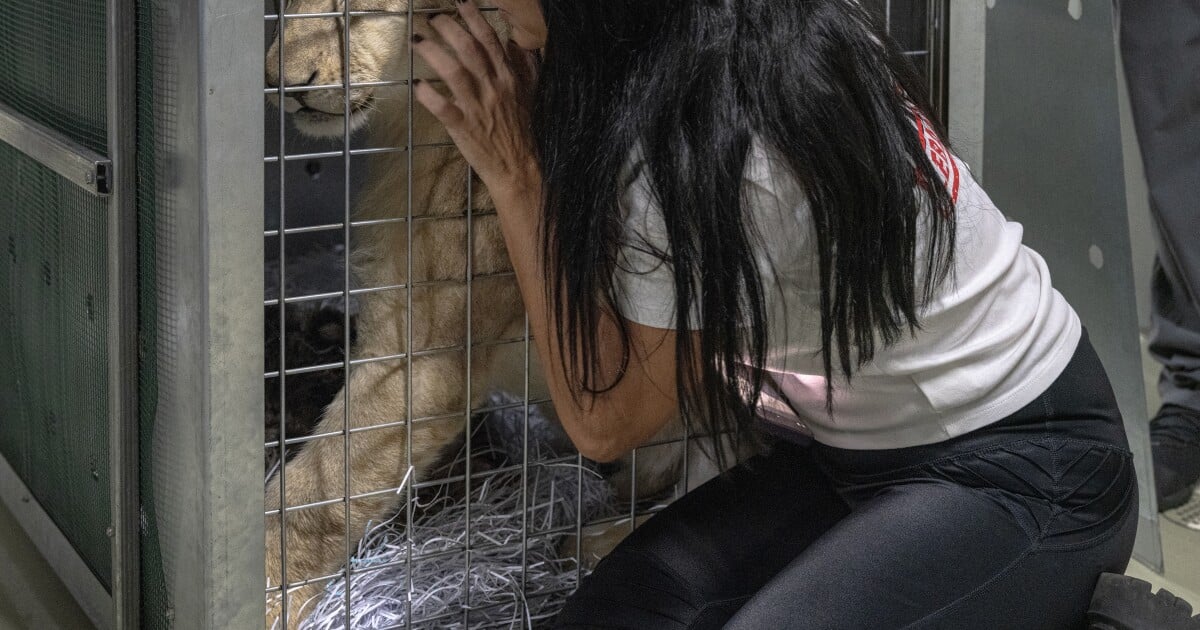
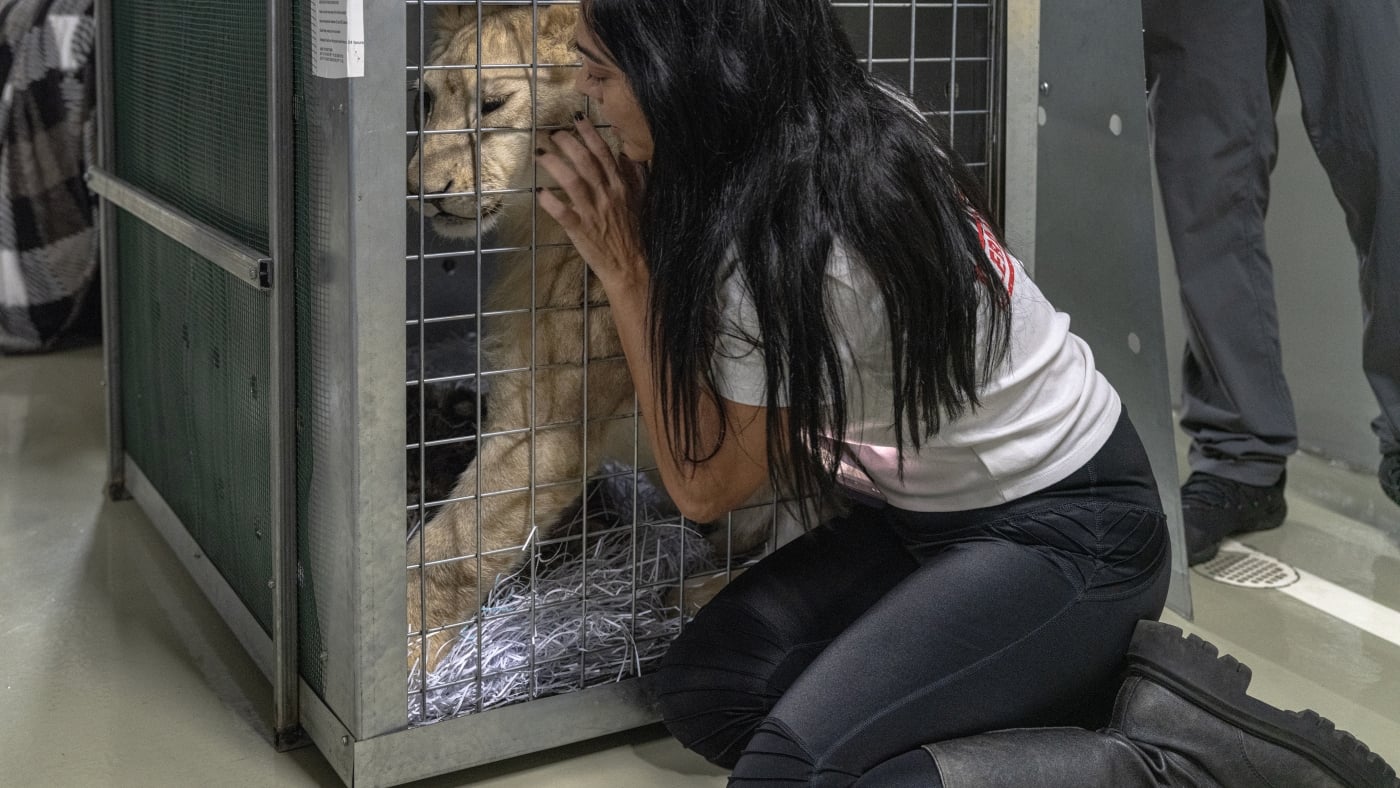
A lion cub named Sara, rescued by Animals Lebanon from being used as a TikTok prop, has been evacuated from war-torn Lebanon to a wildlife sanctuary in South Africa. The organization, which has rescued numerous big cats since its founding, faced challenges due to the ongoing conflict between Hezbollah and Israel, including restrictions on animal transport by airlines. Despite the human suffering caused by the war, Animals Lebanon emphasizes that their work in rescuing animals also supports the affected community.
Animals Lebanon successfully evacuated a lion cub named Sara from war-torn Lebanon to a wildlife sanctuary in South Africa. The cub, previously used as a TikTok prop, was rescued amidst escalating conflict between Hezbollah and Israel. The organization, which has rescued numerous big cats since its founding, faced challenges due to flight restrictions but managed to transport Sara via yacht to Cyprus, then by air to her new home. The rescue highlights the ongoing efforts to save animals affected by the conflict and the broader issue of exotic pets in Lebanon.
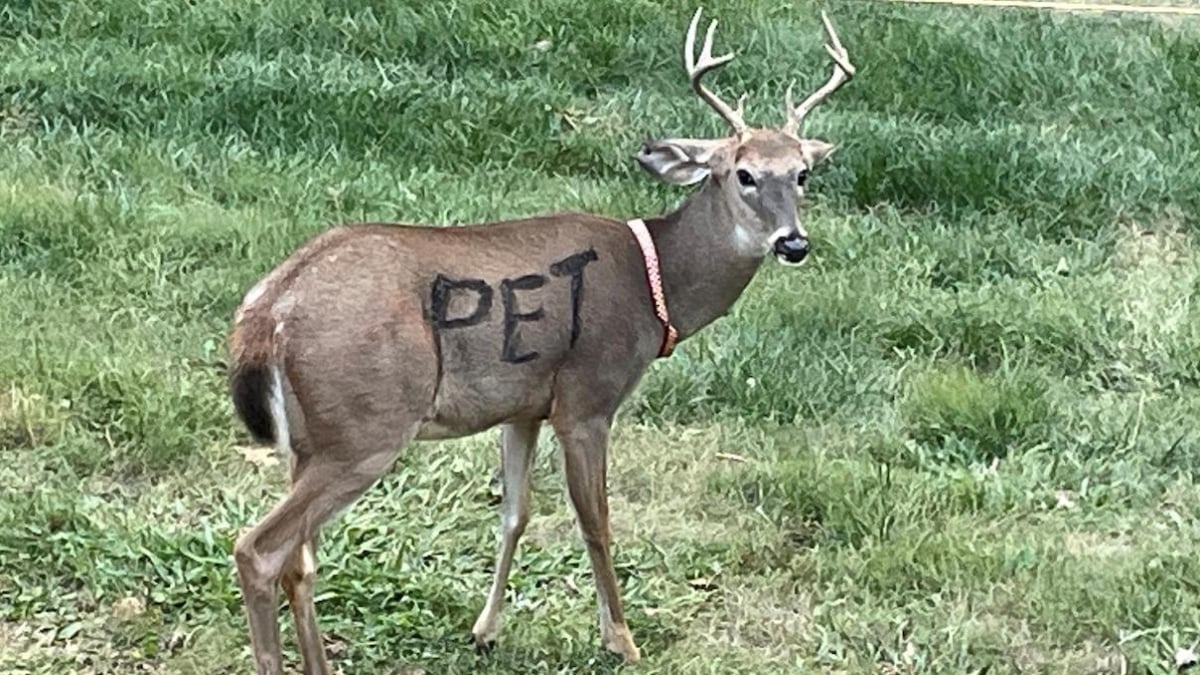
A property owner in rural Missouri discovered a deer with a collar and the word "pet" painted on its body, prompting concern for its well-being. Authorities suspect an attempt at domestication and emphasize that wild animals, especially deer, are not suited for domestic life. The Missouri Department of Conservation issued a reminder about the dangers of interacting with deer, citing the risk of Chronic Wasting Disease. Efforts are underway to safely capture the deer, remove the collar, and release it back into the wild, highlighting the importance of respecting wildlife and their natural habitats.
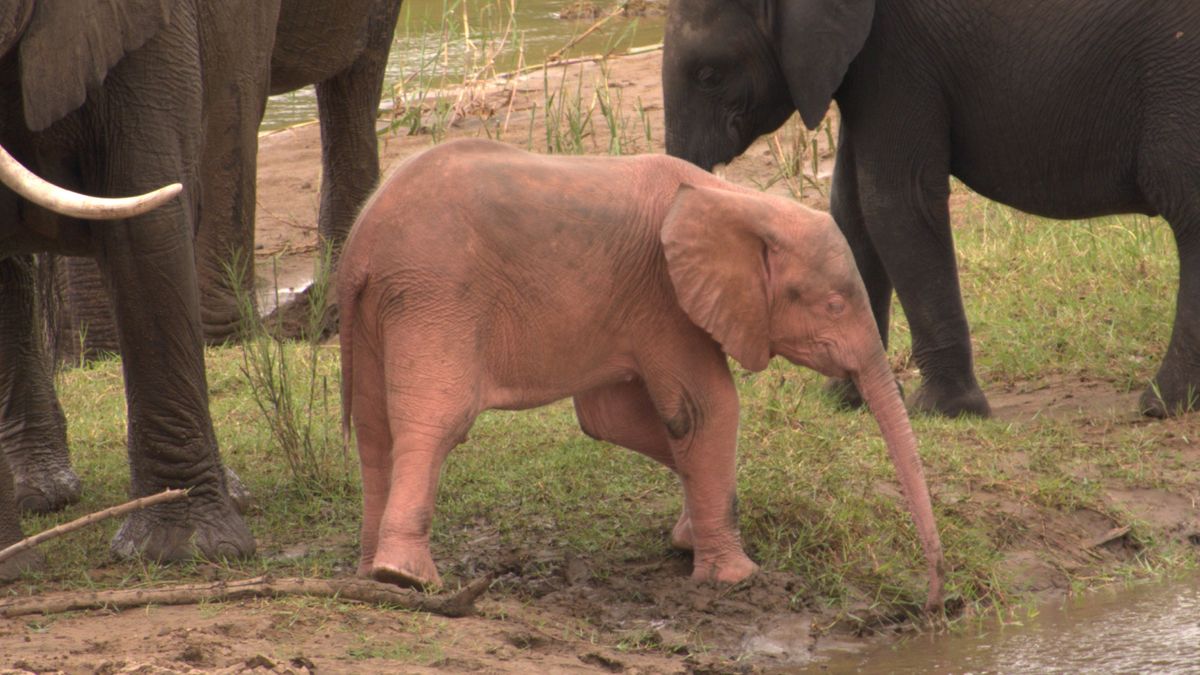
Heartwarming footage captures a rare pink albino elephant calf playing in Kruger National Park, South Africa, due to a genetic condition called albinism, which affects pigment production. The calf, estimated to be around 1 year old, is fully accepted among the herd, contrary to potential ostracization observed in other species with albinism. This rare sighting highlights the importance of wildlife conservation efforts in protecting unique and vulnerable species.
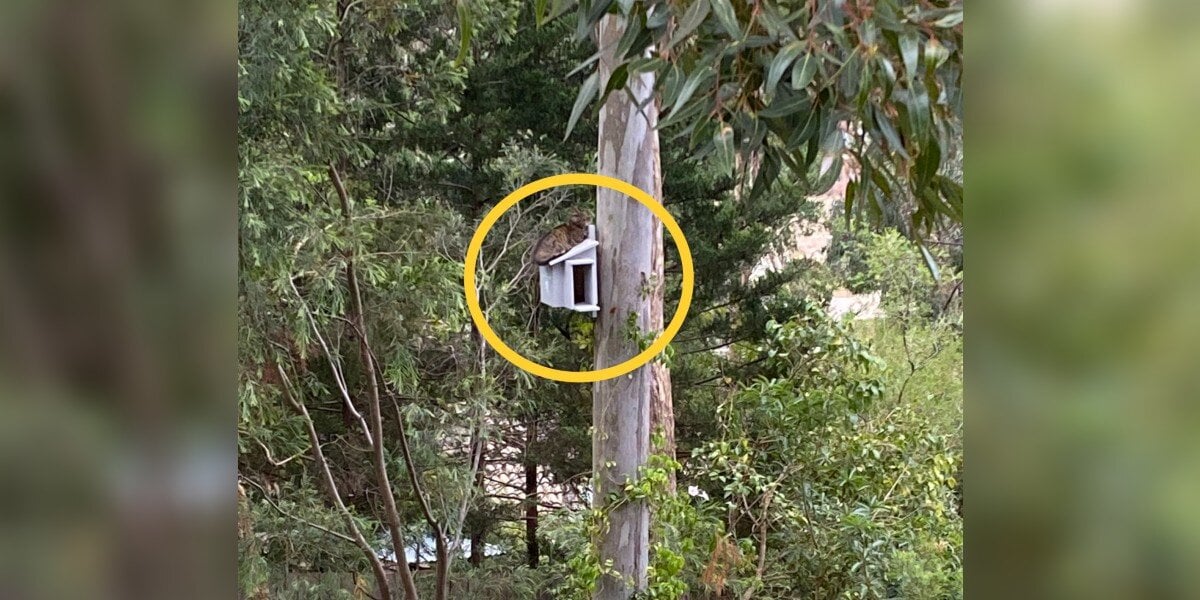
Harry Saddler installed a nesting box in his backyard in Melbourne, Australia, to attract owls but instead found a lost domestic cat inside. Saddler, an avid birder, was concerned about the potential threat to local wildlife but was relieved to discover the cat was an indoor pet that had escaped. After posting a photo in a local community group, the cat's owner was located, and the cat was safely returned home, allowing the nesting box to be available for birds once again.
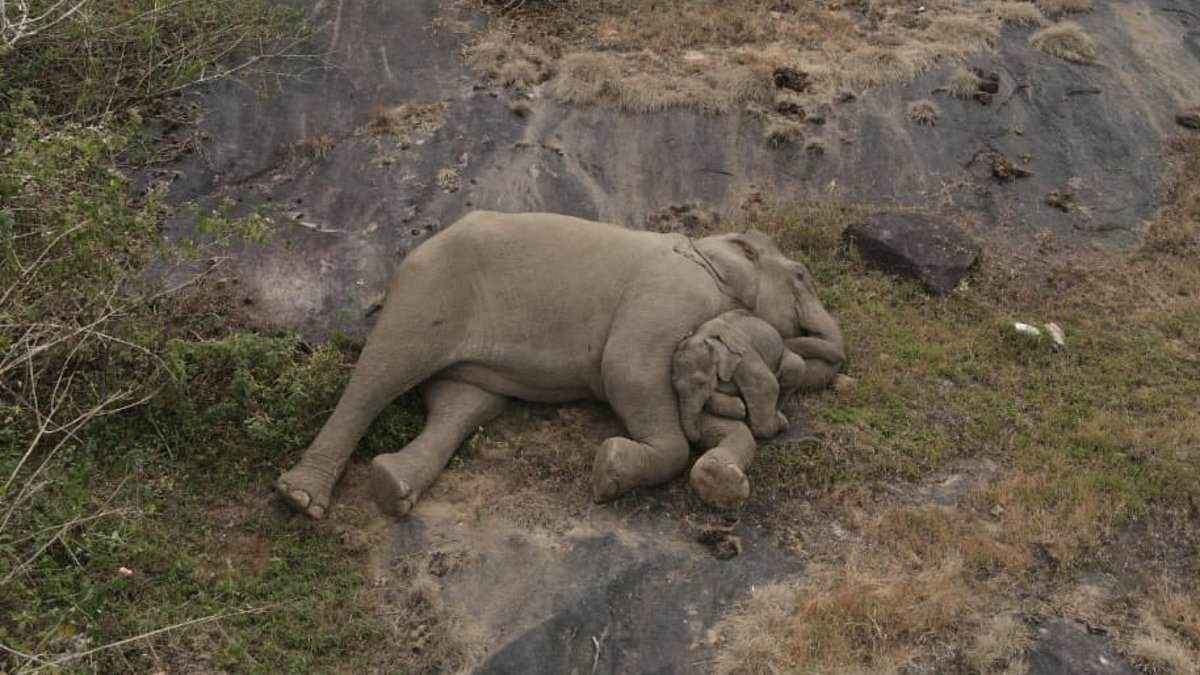
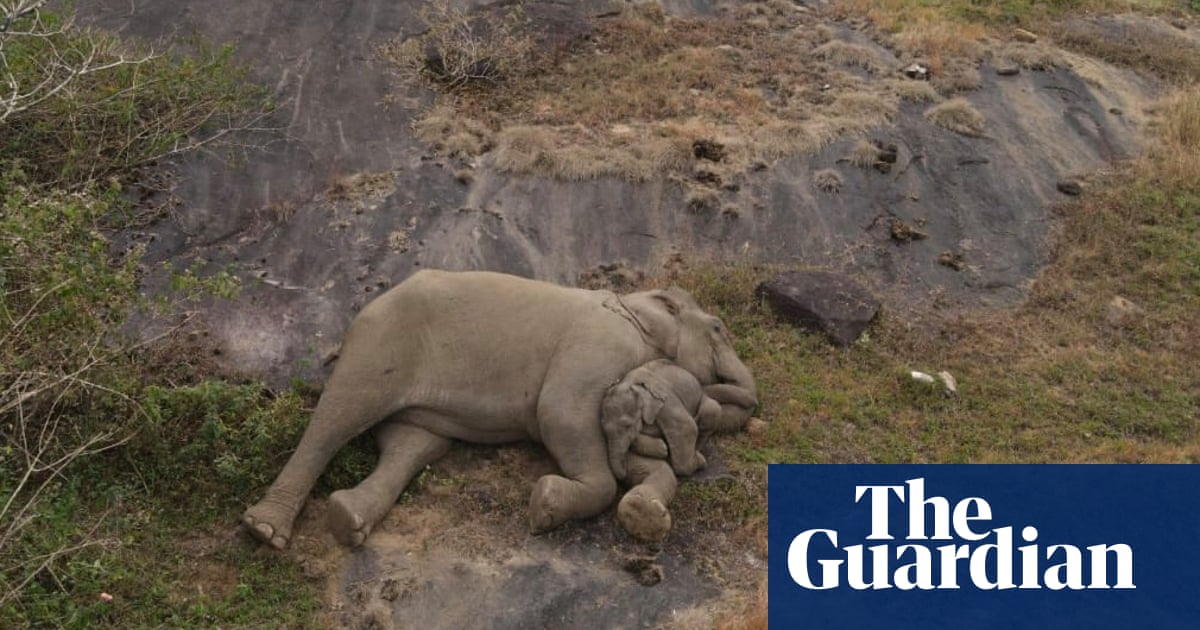
In a heartwarming event at the Anamalai Tiger Reserve in Tamil Nadu, India, a mother elephant and her calf were reunited after being separated for three days. The young elephant, aged four to five months, had gotten lost from its herd on December 29. Park officials utilized drones to locate the herd, which had moved 2.5 miles away. To ensure a safe reunion, the calf was cleaned to remove human scents before being returned to its mother, resulting in an emotional moment captured on camera where the calf was seen sleeping against its mother, secure once again.
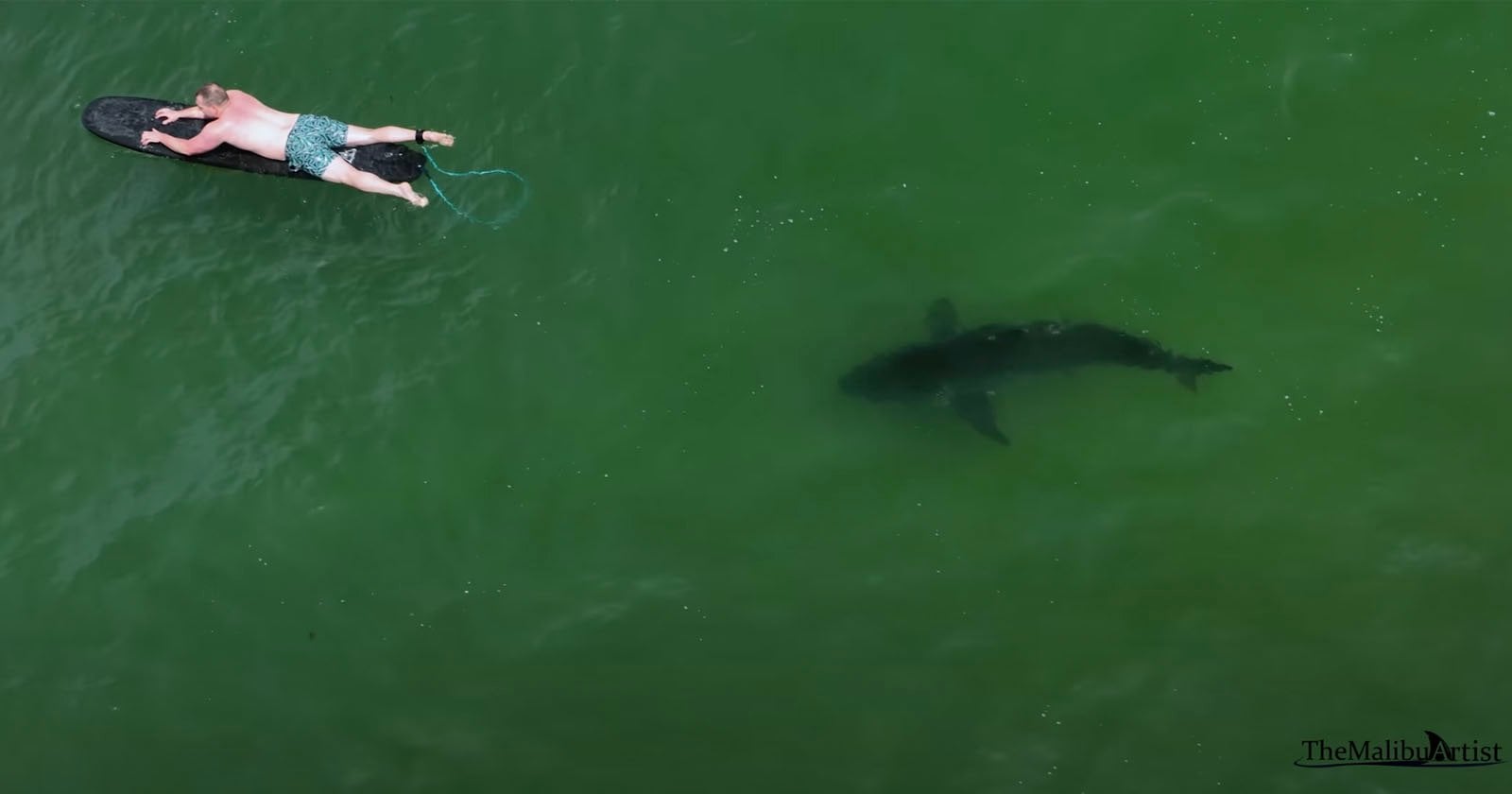
Carlos Guana, a photographer and filmmaker known as The Malibu Artist, has shared a compilation of his best shark drone footage of 2023 off the California coast. Despite challenging weather, he captured remarkable shark behaviors, including a fisherman's close encounter with a great white, which he helped avoid using his drone. Guana emphasizes that while sharks are not inherently aggressive, they are unpredictable and should be left alone. His drone footage has revealed unique behaviors, such as sharks chasing drone shadows and possibly the first sighting of a newborn white shark immediately after birth.
A young elephant calf, who was separated from its herd in Anamalai Tiger Reserve, Tamil Nadu, India, has been successfully reunited with its mother after a three-day separation. Park officials used drones to locate the herd and took measures to ensure the calf would be accepted back without stress from human scents. The reunion was successful, and the mother and calf were later seen napping together, indicating a happy ending to the ordeal.
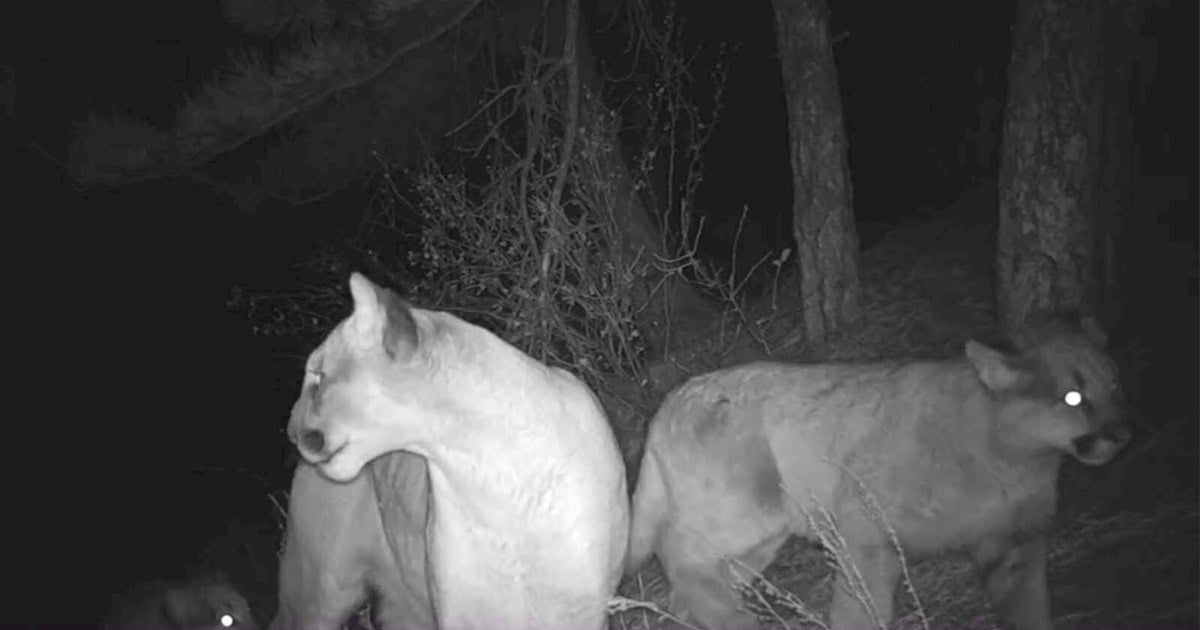
In rural Laramie County, Wyoming, a trail camera set up by resident Donald Harris captured a rare sight of a mother mountain lion with three cubs, indicating a successful breeding despite the low survival rates for kittens in the wild. Harris, who consulted a wildlife expert to optimize camera placement, is an advocate for the role of mountain lions in controlling deer populations affected by chronic wasting disease (CWD). While taking precautions for safety, Harris appreciates the presence of these top predators in maintaining ecological balance.
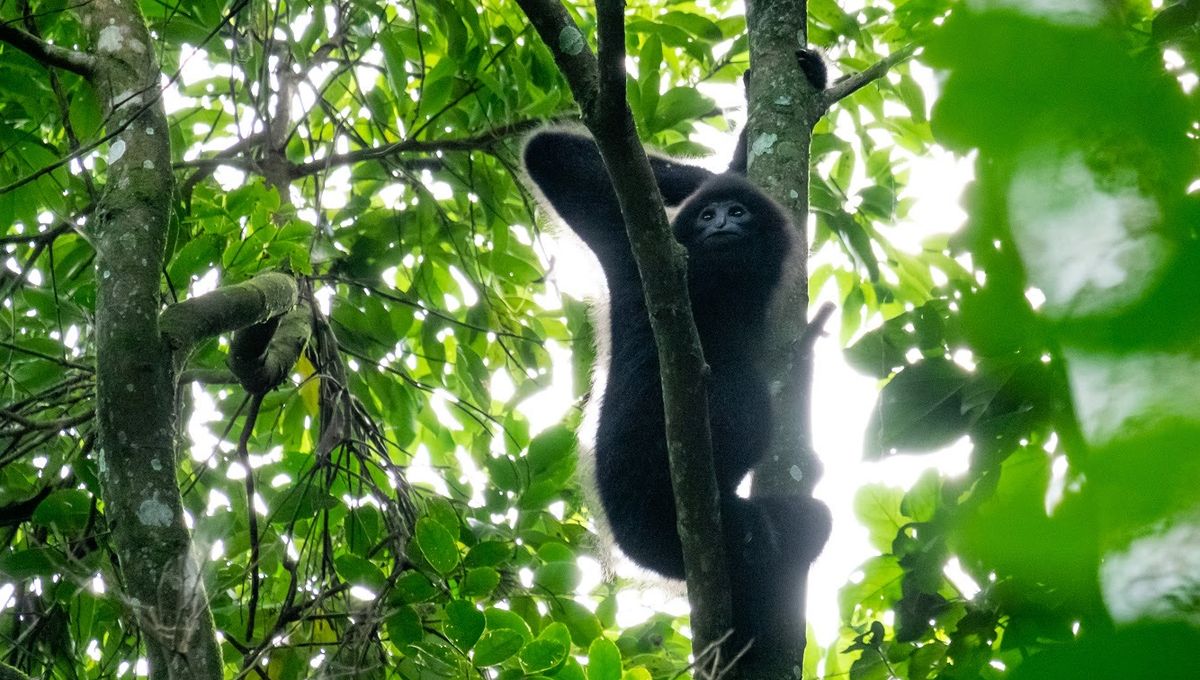
The cao-vit gibbon, the world's second rarest primate with only 135 individuals left in the wild, has been captured on film in Vietnam. This critically endangered species, known for its distinctive sexual dimorphism and territorial songs, faces threats from habitat loss and degradation. Conservation efforts by Fauna & Flora International and agreements between Vietnam and China aim to protect and increase the population of these gibbons. The world's rarest primate is the Hainan gibbon, with only 28 individuals remaining.
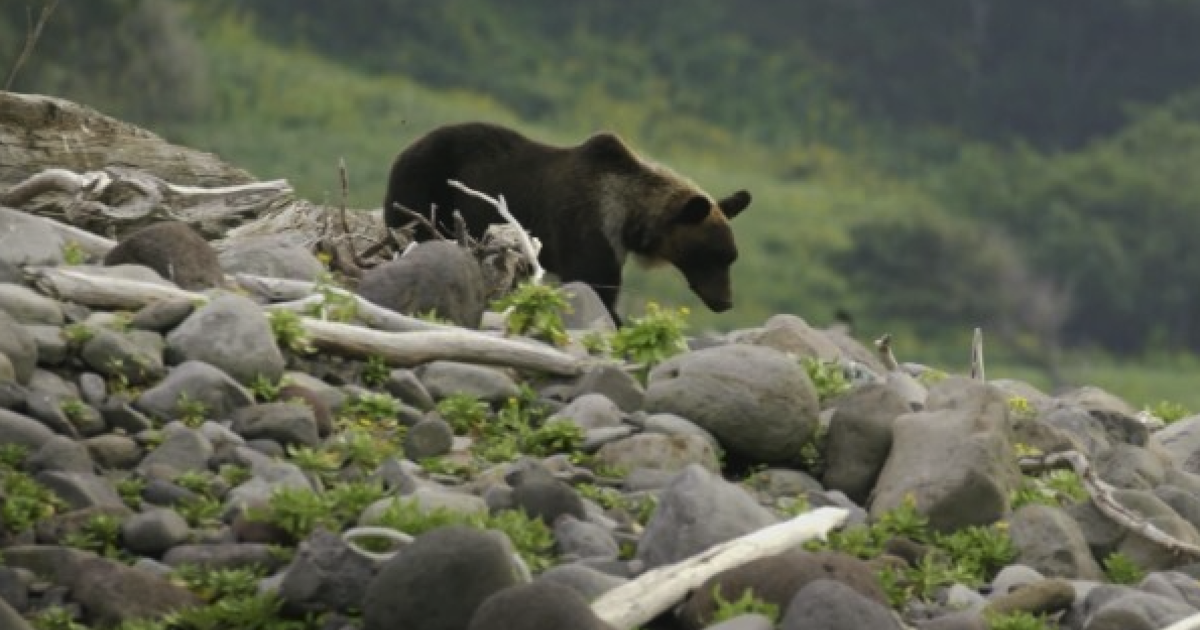
Japan has experienced a record number of bear attacks in 2023, with 193 incidents, six of which were fatal—the highest since records began in 2006. The increase in attacks is attributed to a scarcity of food sources like acorns and beech nuts due to a dry summer, and the expansion of bear ranges into areas vacated by a shrinking human population. Biologist Koji Yamazaki is leading efforts to monitor bear health and a government-planned bear census is expected to provide more accurate population numbers. As bears reclaim habitat in Japan, the challenge remains to ensure the safety of both humans and bears.
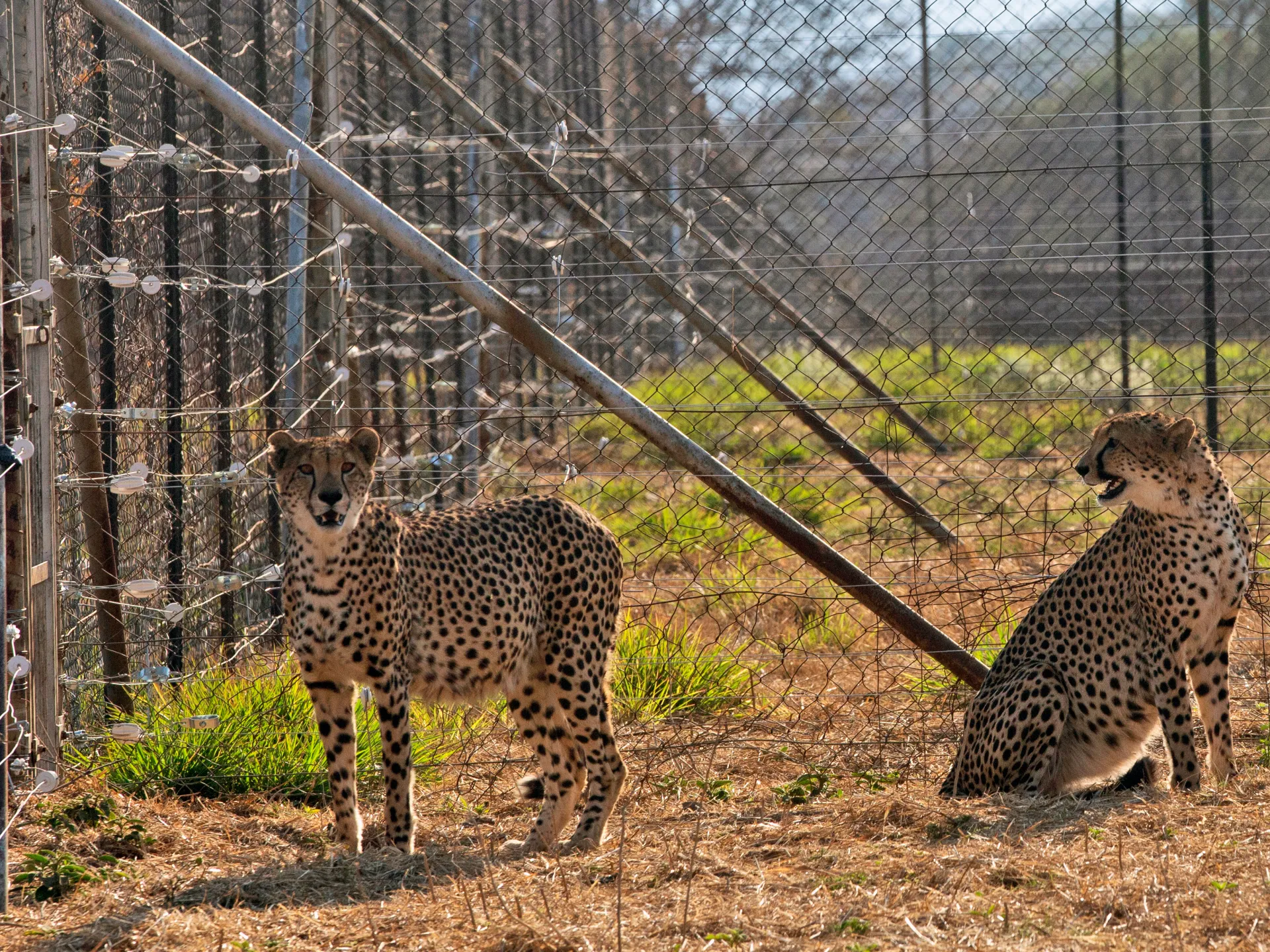
A second African cheetah, Uday, has died in India's Kuno National Park, where 12 cheetahs were brought from South Africa in February as part of a government programme to reintroduce the big cats to India. The cause of Uday's death remains unclear, and an autopsy will be conducted. The first cheetah, Sasha, died of a kidney ailment at the same park on March 27. The Asiatic cheetah subspecies became extinct in India more than 70 years ago, but under the government programme, cheetahs were reintroduced to the South Asian country last year.