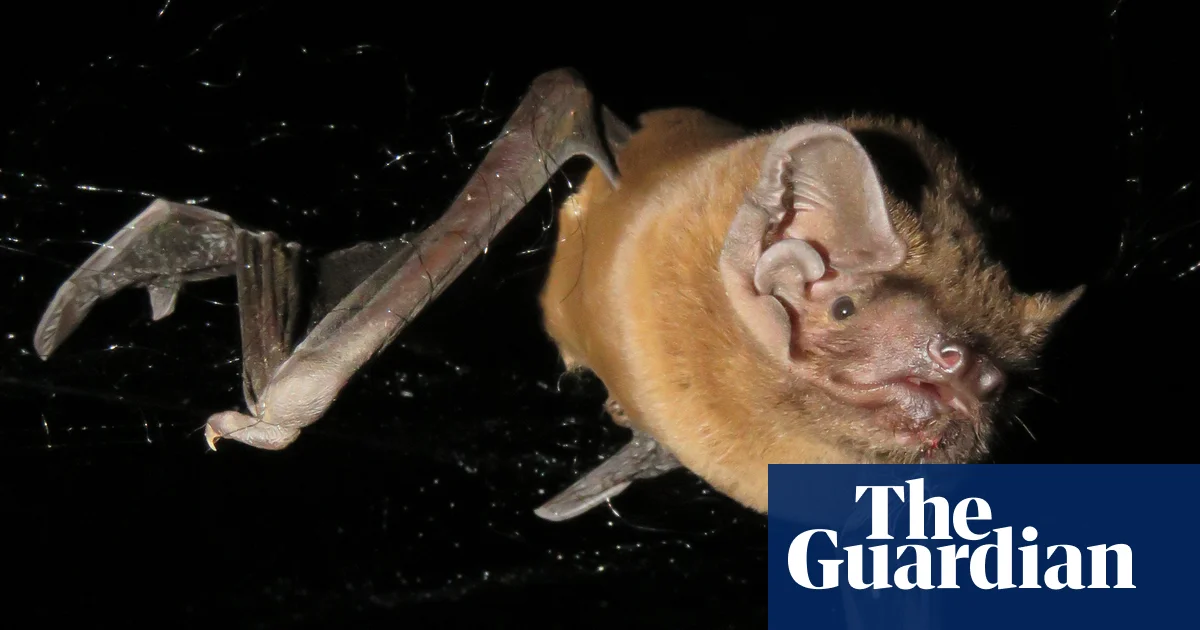
Scientists captured a rare recording of Europe's largest bat species, the greater noctule, hunting, killing, and eating a robin mid-flight at high altitude, revealing a previously underestimated predatory behavior in bats. The study highlights the bat's stealth approach and ability to consume prey during flight, contributing to understanding of bat-bird interactions and natural predation.
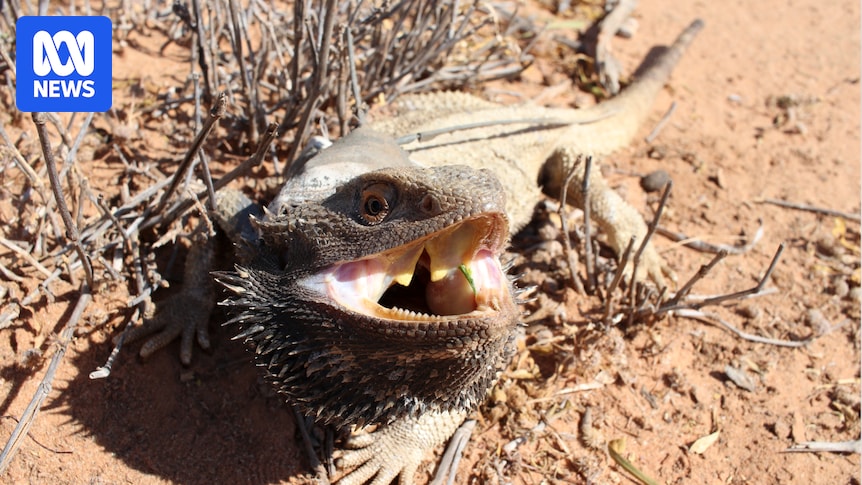
A PhD study tracked Australian bearded dragons with tiny backpacks containing GPS and sensors, revealing that faster lizards were more likely to die young, contrary to expectations. The research highlights complex survival strategies and the challenges of tracking small animals in the wild.
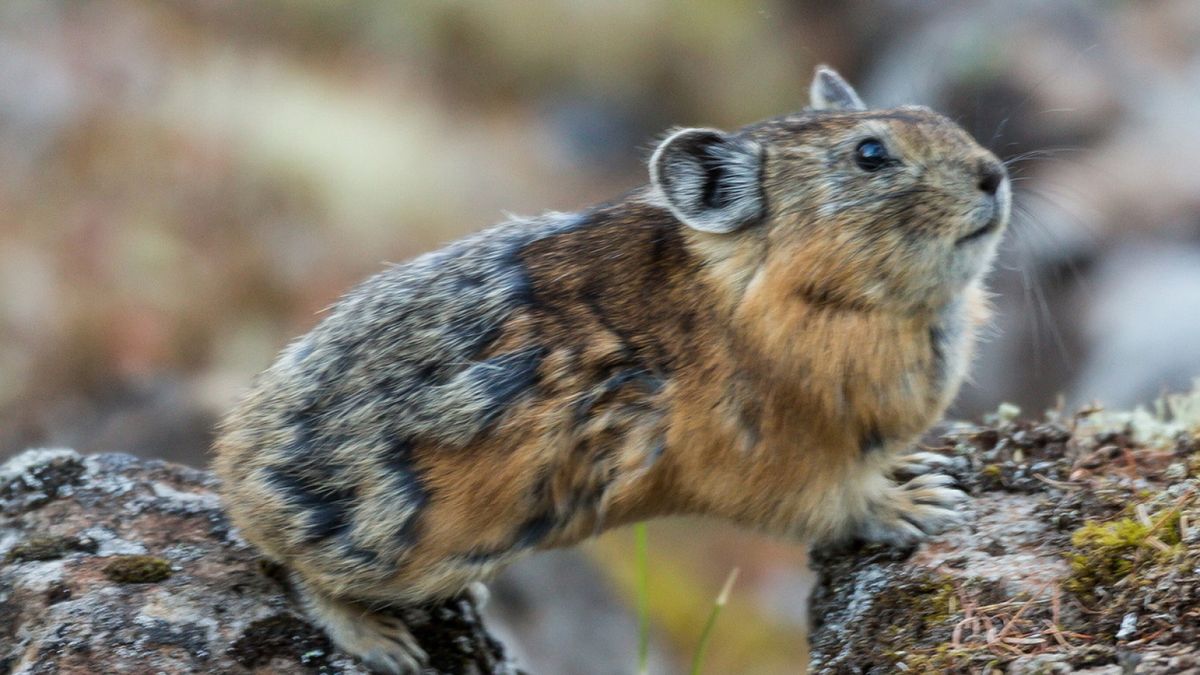
Turuchan pikas, small mammals native to the mountainous regions of central Siberia, are known for their playful behavior, engaging in activities like swinging from branches and playing chase. These rock-dwelling creatures, covered in dense fur, are adapted to cold environments and have been observed participating in various types of play, including locomotor, object, and social play. This behavior, documented by Russian researchers, marks the first time such play has been observed in the Lagomorpha order, which includes rabbits and hares, suggesting that the pikas play purely for enjoyment.
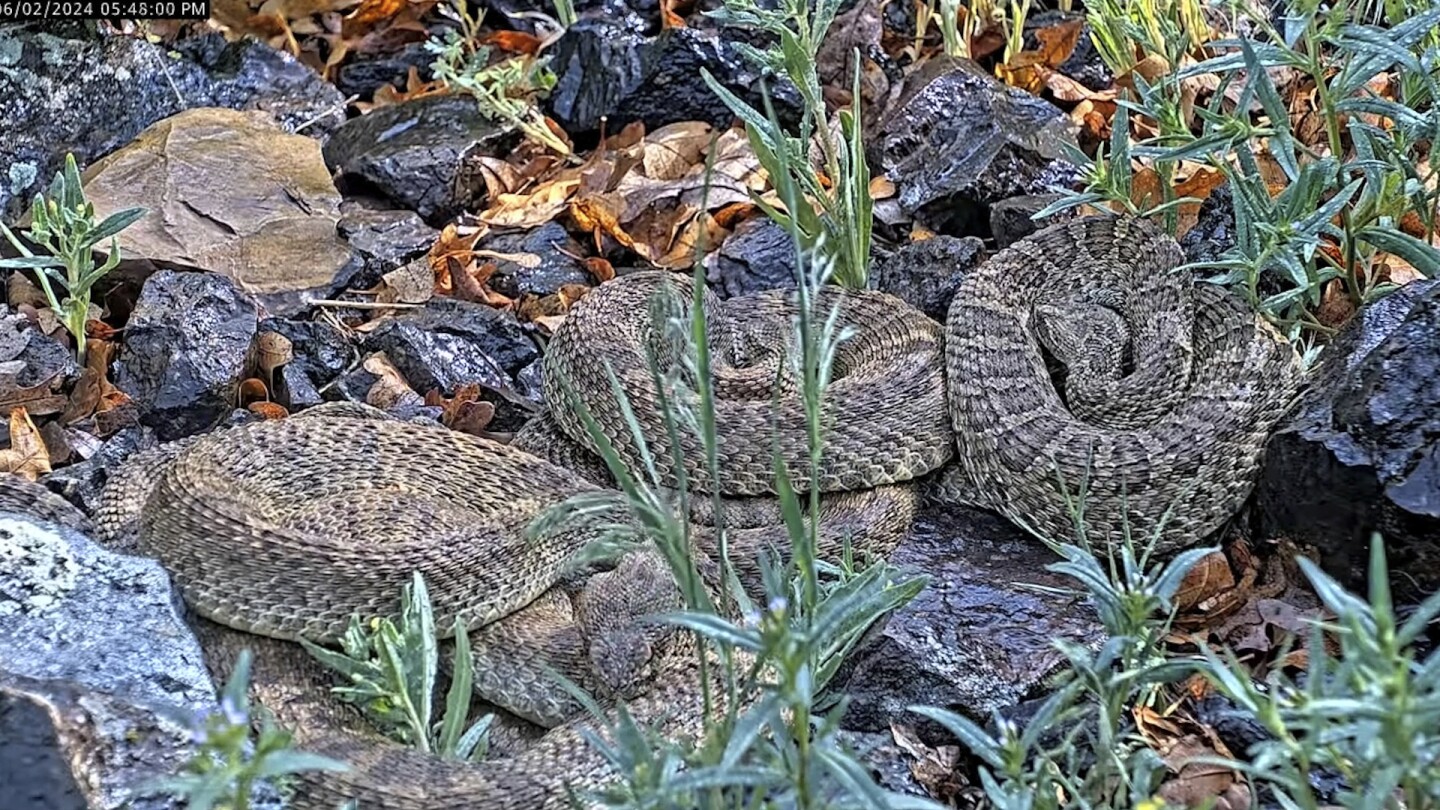
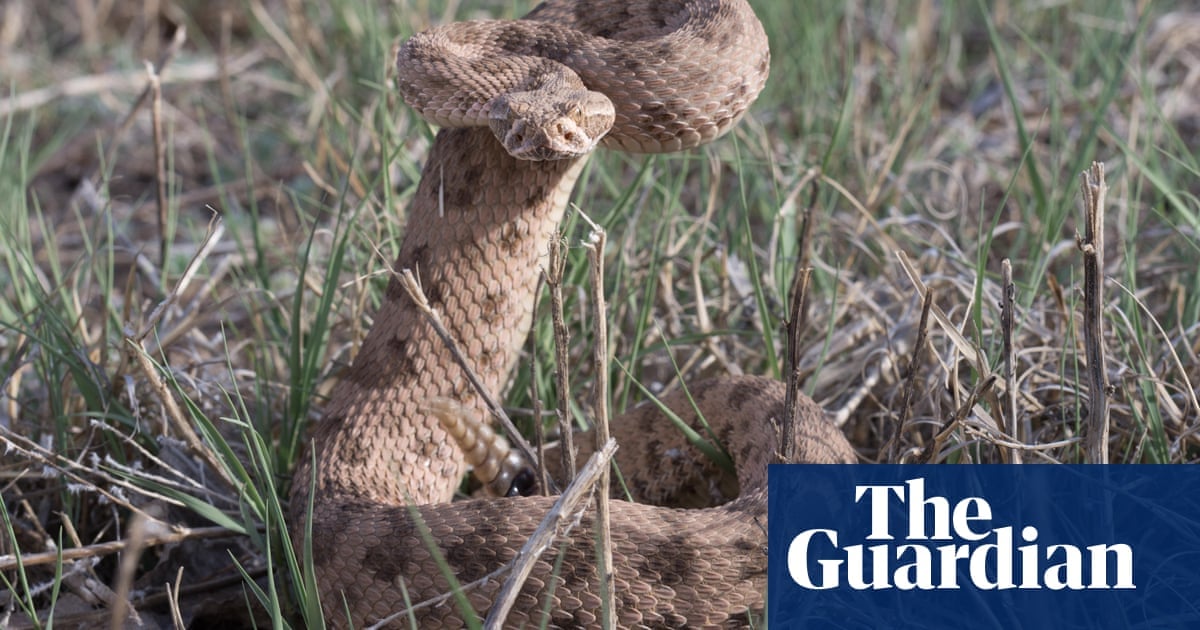
A webcam has been set up at a "mega den" in northern Colorado, home to up to 2,000 rattlesnakes, allowing scientists and enthusiasts to observe their behavior without interference. The project, led by Cal Poly researchers, aims to broaden understanding of these often-maligned reptiles. The den's exact location is kept secret to protect the snakes. The webcam also enables citizen scientists to contribute to the research by reporting observations.
Scientists have set up a webcam in a Colorado rattlesnake "mega den" with up to 2,000 reptiles to study their behavior and improve understanding of these often-maligned creatures. The project, led by Cal Poly researchers, allows for non-intrusive observation and community science contributions. The den, located on private land, provides a unique opportunity to observe rattlesnakes' social behaviors, maternal care, and interactions with predators.
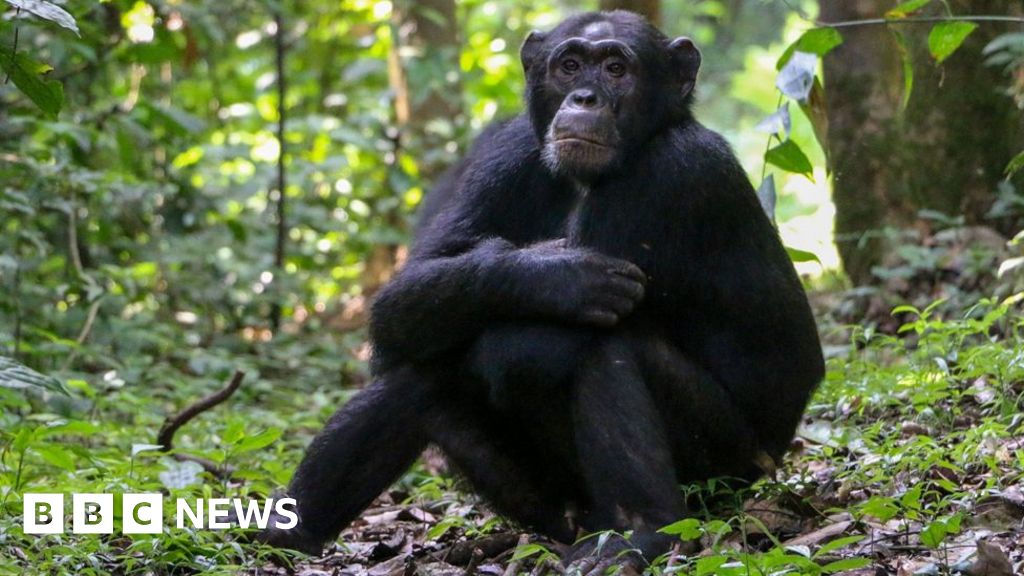
Scientists have observed wild chimpanzees in Uganda using plants with pain-relieving and antibacterial properties to heal themselves. By analyzing plants sought out by injured or ill chimps, researchers found that many had medicinal properties. This discovery, published in PLOS One, suggests that chimps' behavior could aid in the search for new medicines and highlights the importance of preserving natural habitats.
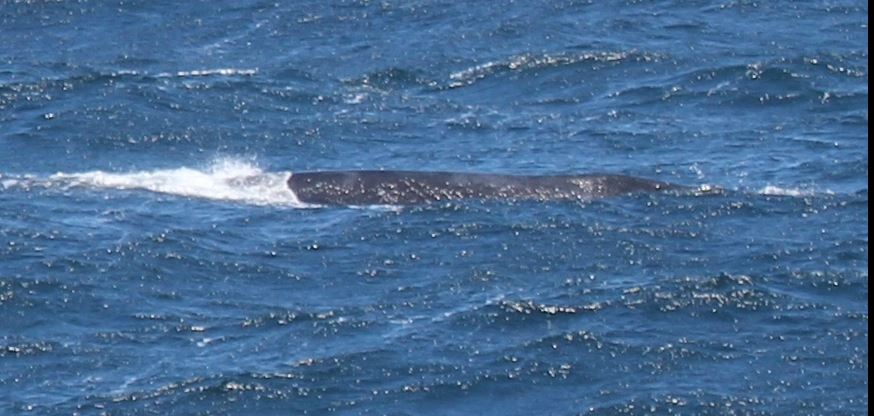
A critically endangered North Pacific right whale, one of fewer than 40 remaining, was sighted off the coast of Point Reyes, California, thrilling scientists. The whale, identified by its distinctive features, was observed resting near a research vessel. Despite protections, the species remains threatened by human activities and environmental changes.
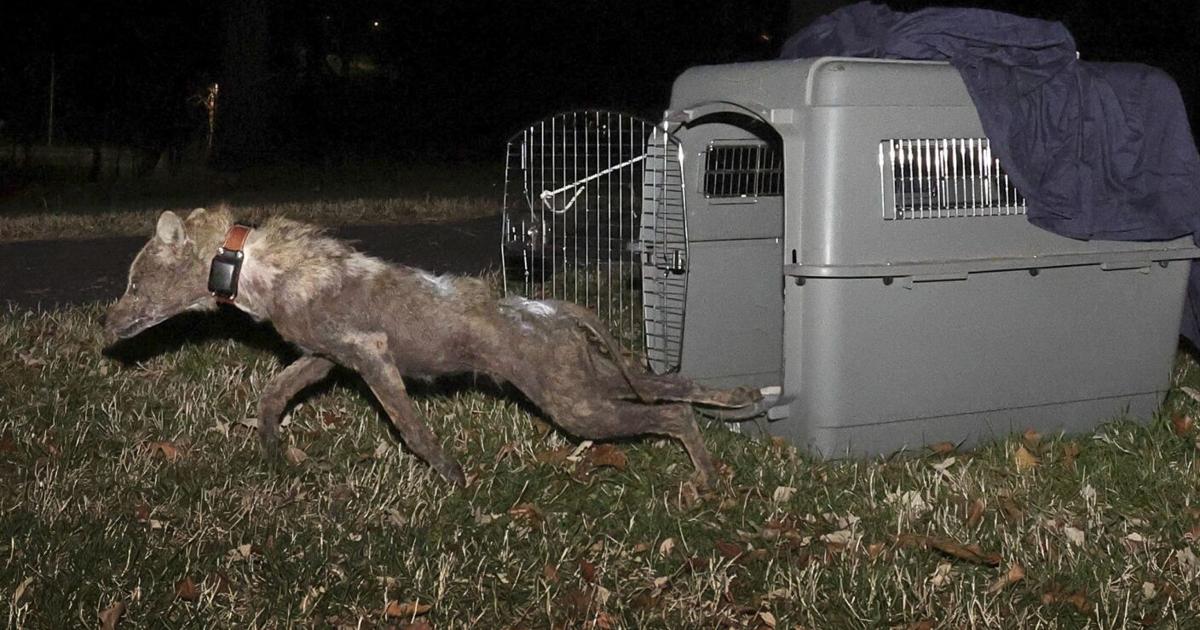
Scientists are investigating the increasing presence of coyotes in St. Louis' Forest Park, aiming to understand their behavior, health, and impact on the ecosystem. The team, led by wildlife veterinarian Sharon Deem, is using traps and GPS collars to study the animals' movements and diet. While some residents express concern, experts emphasize that coyote attacks are rare and that the animals play a role in maintaining ecological balance by controlling deer populations.
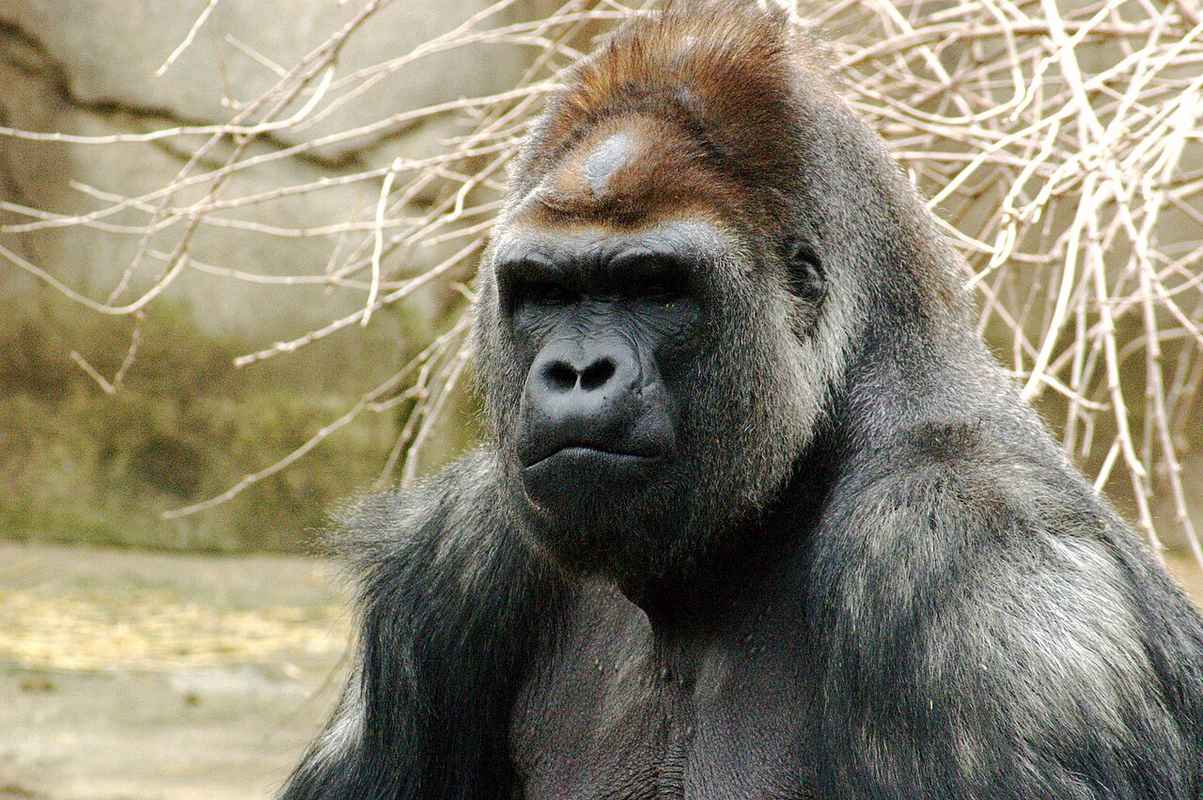
A new study based on years of observation of mountain gorillas reveals that chest beating serves as an honest demonstration of body size, with larger males producing deeper sounds to broadcast their dominance and keep rival males away. The thumping is believed to diffuse fights rather than provoke them, as smaller males use their own chest thumps to alert dominant males of their presence while demonstrating they're no match physically. Additionally, the chest thumps correlate to reproductive success and may influence female behavior, with future studies set to explore their impact on attracting females from other social groups.
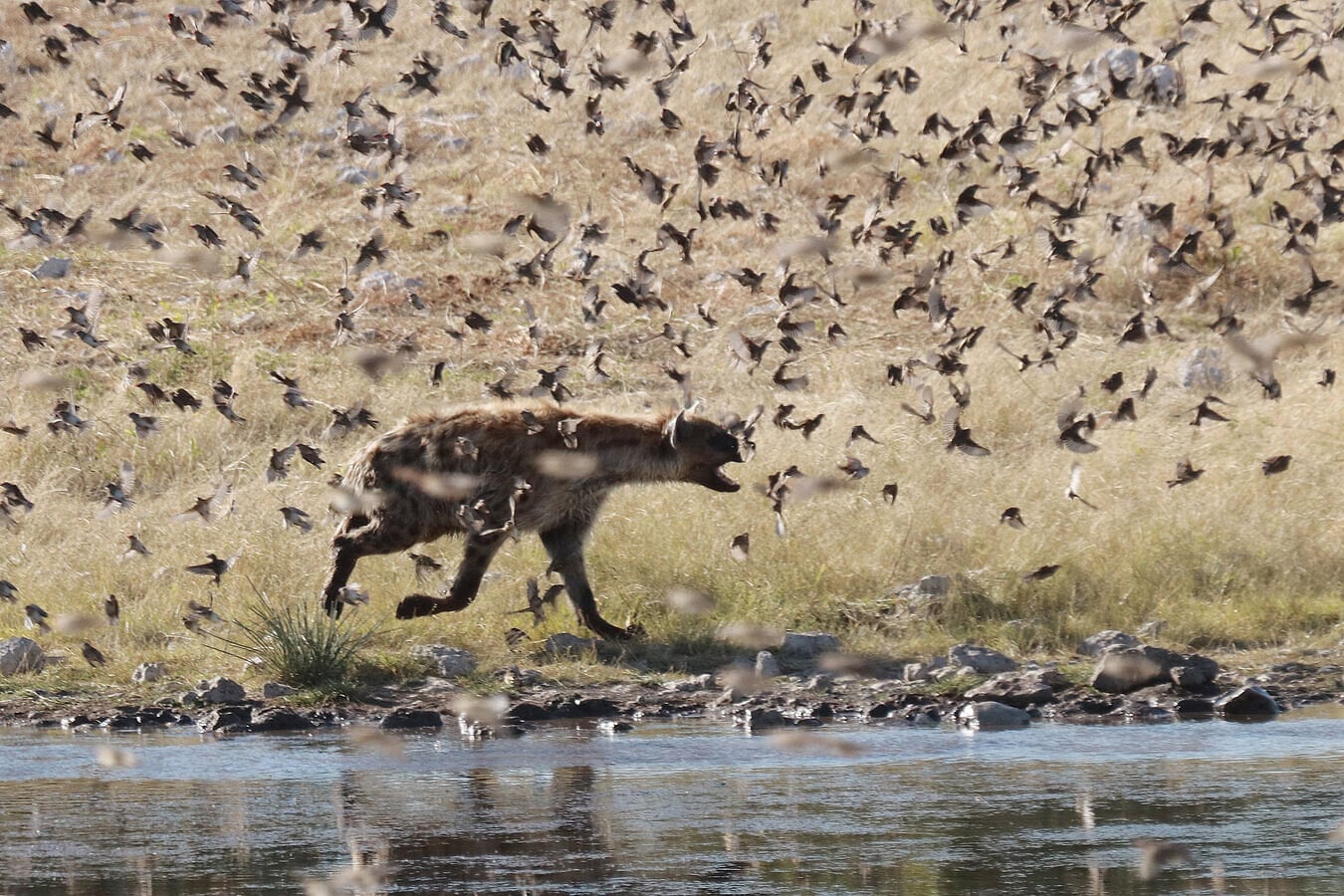
Scientists from the Leibniz Institute for Zoo and Wildlife Research and the University of Ljubljana observed spotted hyenas in Namibia hunting and feeding on red-billed queleas, a type of passerine bird, at a waterhole in the Etosha National Park. The hyenas were observed chasing flying birds, picking them from the ground or water surface, and swallowing them whole at a rate of approximately one bird every three minutes. This behavior adds to the known variety of the spotted hyena diet and hunting tactics, demonstrating their flexibility and ability to exploit foraging opportunities and obtain food from unusual sources.
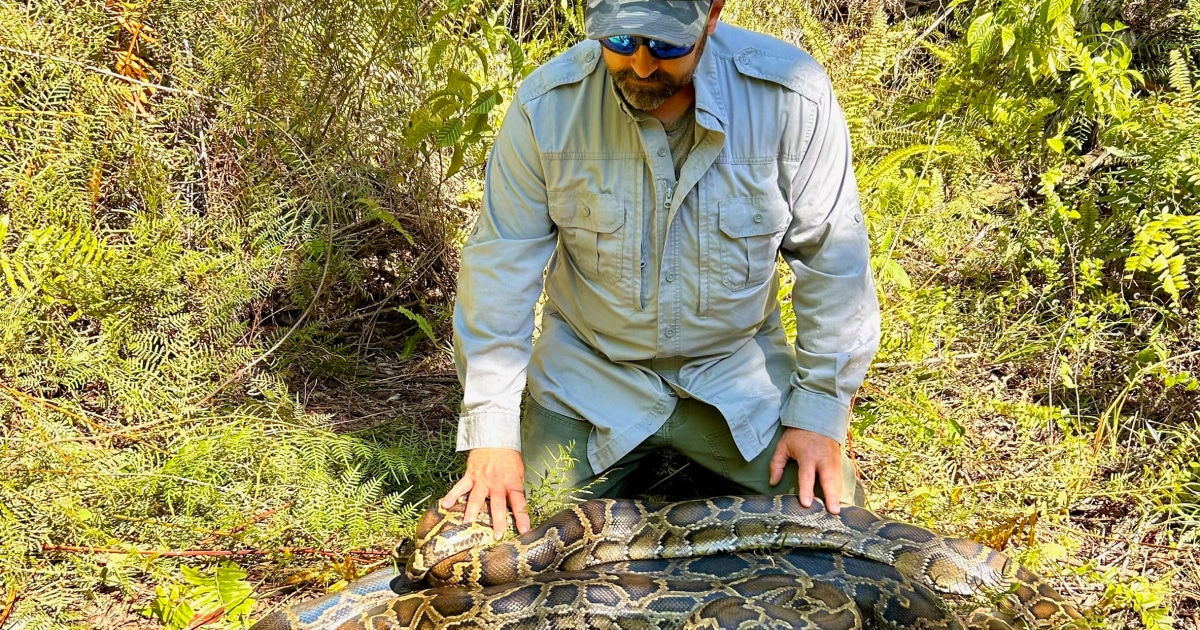
Wildlife conservators in southwest Florida found 11 Burmese pythons, totaling 500 pounds, in three separate "mating balls," marking a record daily capture for the area. The invasive species, originally from Southeast Asia, has become an established apex predator in the Greater Everglades ecosystem, leading to a 90% decline in native mammal populations. The Conservancy of Southwest Florida has been actively researching and removing these pythons, with over 1,300 snakes weighing more than 35,000 pounds removed to date.
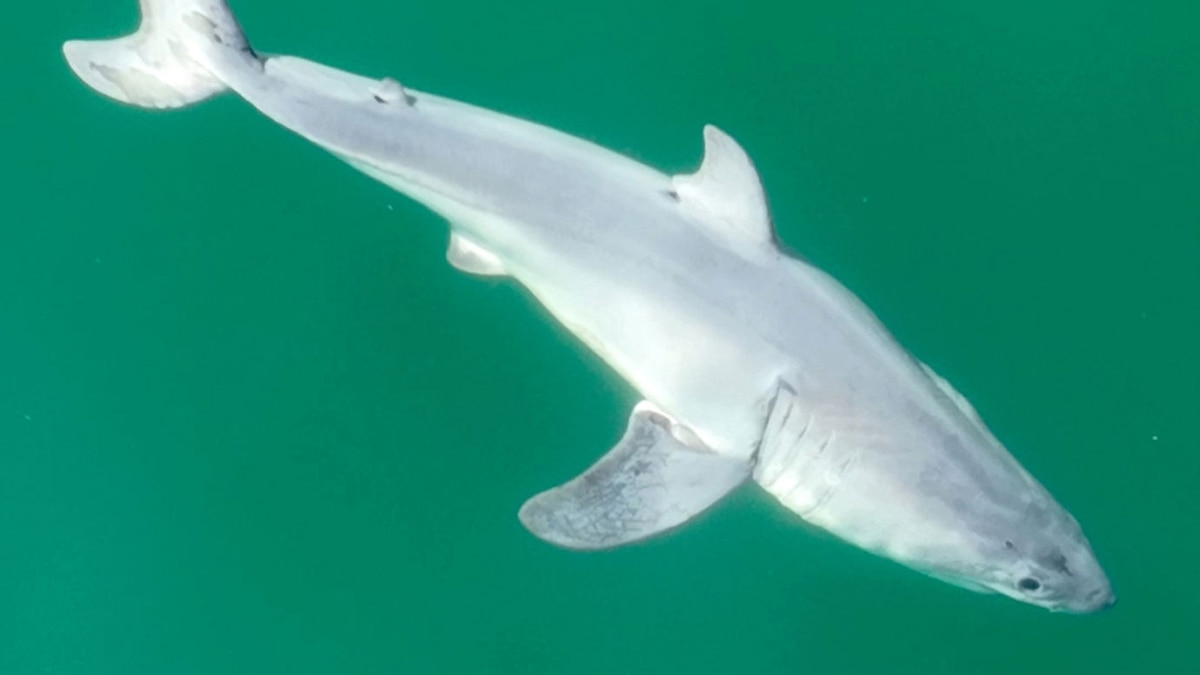
Filmmaker and biologist capture rare footage of a potential newborn great white shark off the coast of Santa Barbara, California, suggesting a previously unknown birthing location for the species. The young shark displayed unique features, including a milky white film flaking off its tail, possibly indicating a form of uterine "milk" or an undocumented skin condition. This discovery could provide crucial insights for conservation efforts and further research into the reproductive habits of great white sharks, a species listed as vulnerable to extinction.
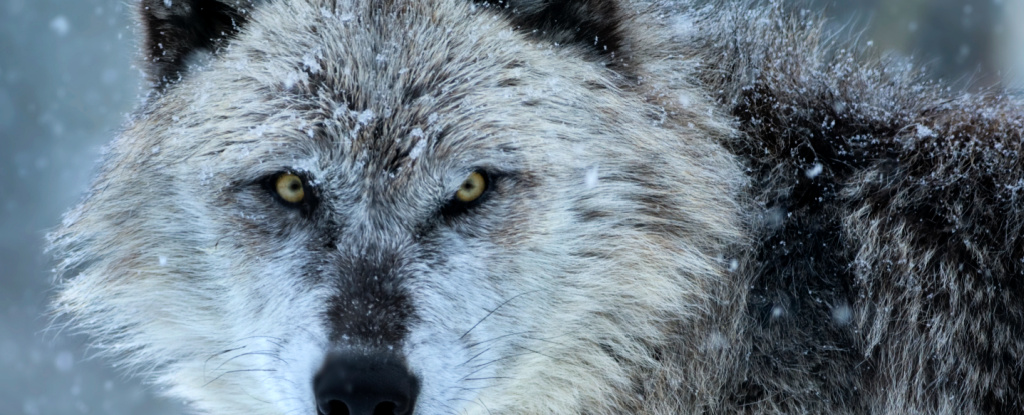
A study spanning 26 years has revealed that wolves infected with the parasite Toxoplasma gondii are 46 times more likely to become pack leaders, leading to increased risk-taking behavior and territorial expansion. The parasite, commonly associated with cats, can influence the behavior of its hosts, potentially impacting entire wolf packs and ecosystem dynamics. This research underscores the significant influence of understudied parasites on wildlife behavior and ecosystem processes.