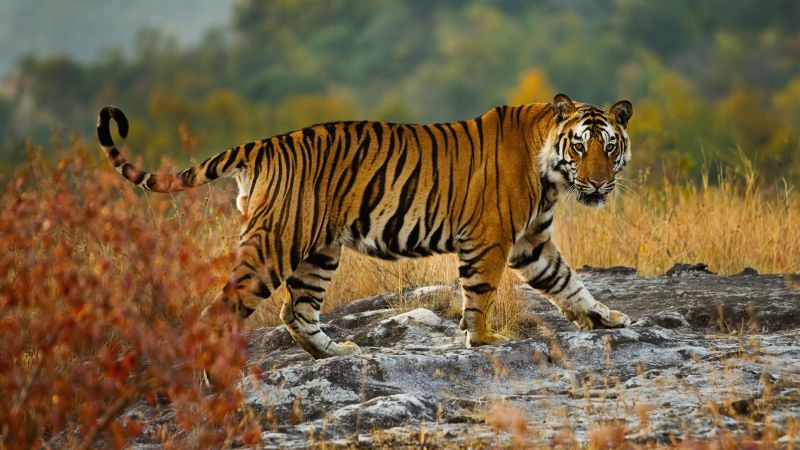
NASA, the European Space Agency, and Google Earth Engine have collaborated with conservationists to create a real-time monitoring system called TCL 3.0 for tiger habitats, providing vital information to identify priority areas and monitor changes in habitat and populations. This dynamic mapping system uses satellite imagery and GIS technology to track tiger territories and identify potential restoration landscapes, offering hope for increasing tiger populations by 50%. The open-source mapping system could be adapted for other vulnerable species, signaling a positive outlook for wildlife conservation.
The 2024 British Wildlife Photography Awards showcase stunning images of British wildlife, including surprising finds like barnacles on a football in the Atlantic Sea. The winning photo highlights the enduring beauty of British wildlife while also raising awareness about the potential environmental impact of marine pollution. The competition aims to inspire people, especially youngsters, to protect and preserve the natural spaces and wildlife in the British Isles.
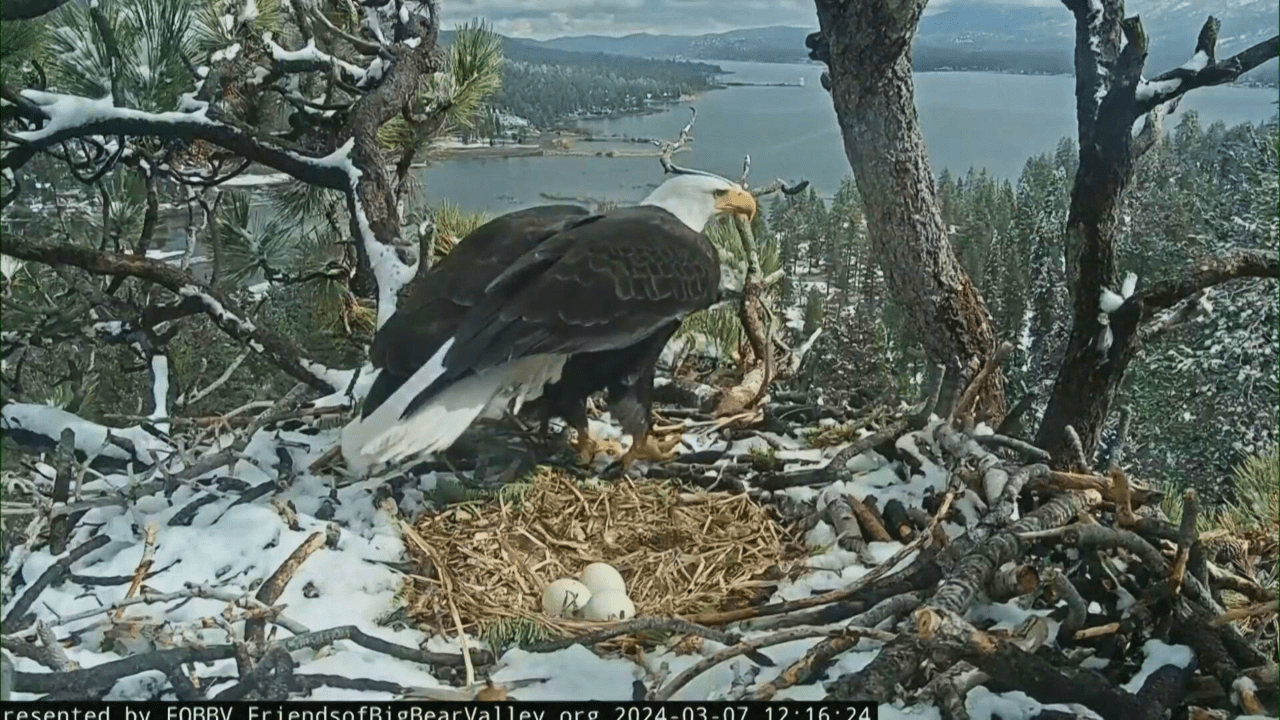
The first of three eggs belonging to a famous Big Bear bald eagle couple is unlikely to hatch, according to an expert, while the other two eggs still have a chance. Tens of thousands of followers have been watching the process on a live nest cam provided by Friends of Big Bear Valley (FOBBV). The eagles themselves will indicate when the remaining eggs are no longer viable, and the couple's nest is located in Big Bear Valley in the San Bernardino Mountains.
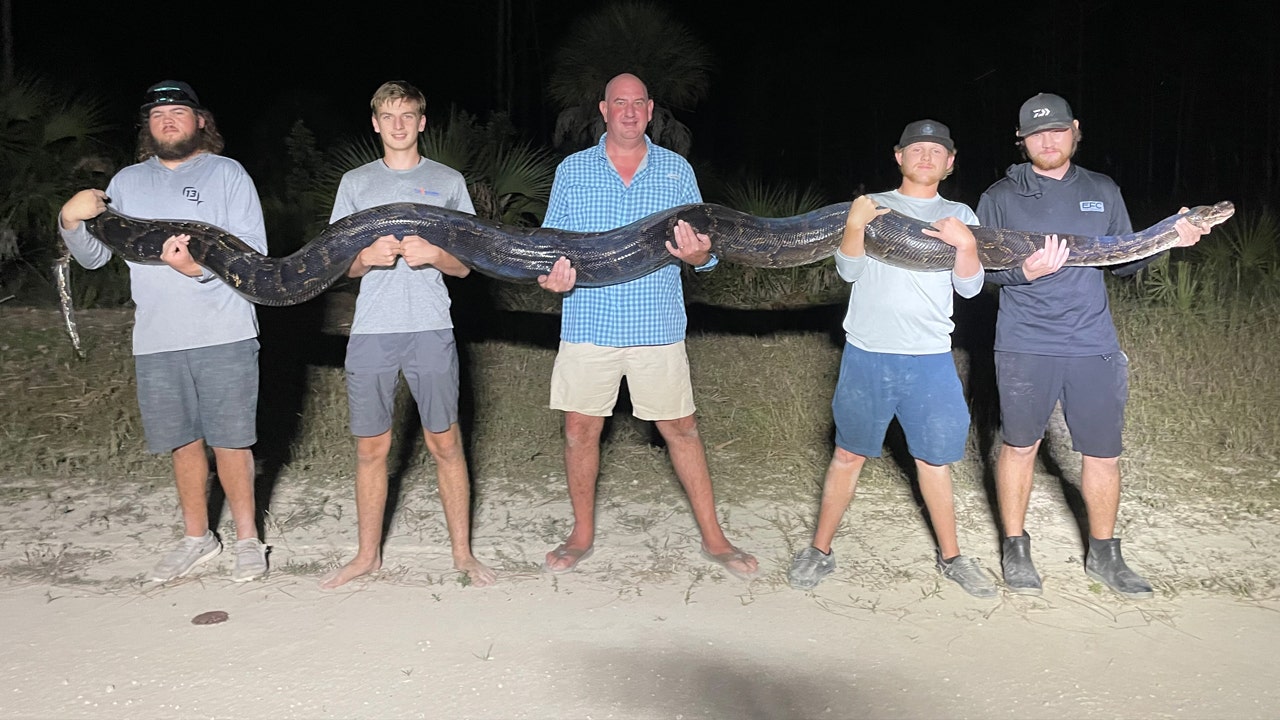
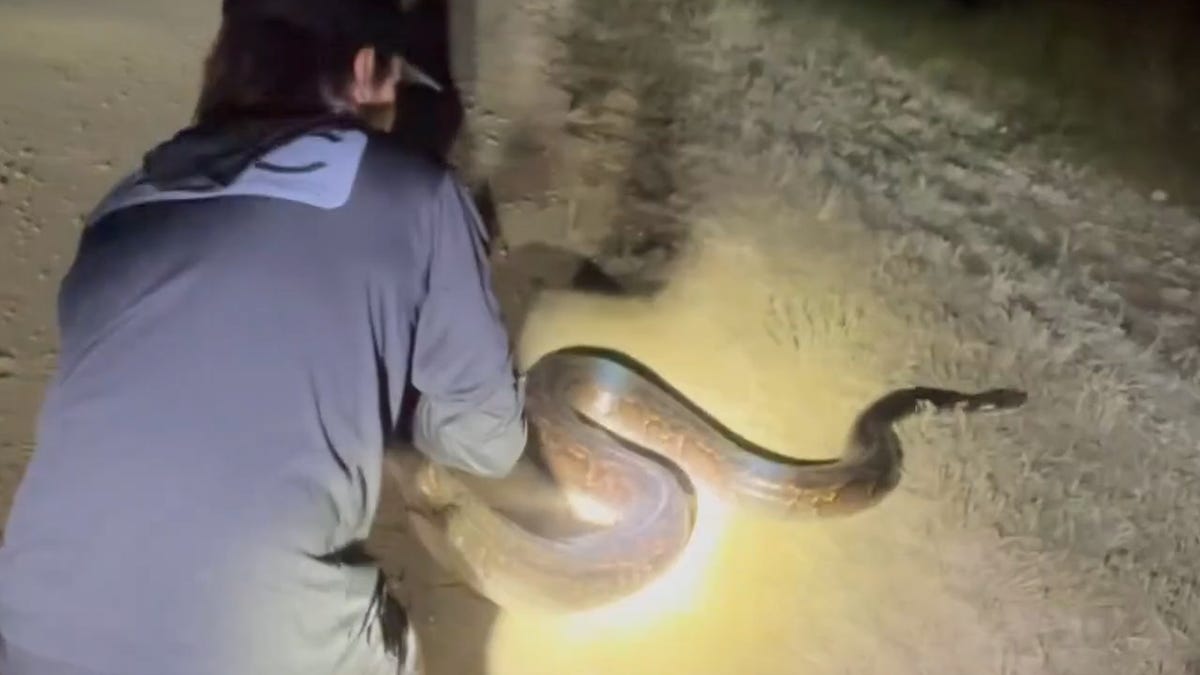
A group of Florida men captured a massive 17-foot, 200-pound Burmese python in the Everglades, making it the second-heaviest python ever removed from Florida. The men, who encountered the snake while driving back from fishing, teamed up to wrangle and hold it until a game warden arrived to euthanize it. The Burmese pythons are considered a threat to native wildlife and are prohibited as pets in Florida. They have established populations in and around the Everglades, causing harm to the ecosystem and endangering native species.
Snake wranglers in the Florida Everglades captured a massive Burmese python weighing 198 pounds and measuring 17 feet 2 inches, making it the second heaviest python ever recorded in Florida. The snake had consumed a white-tailed deer before being caught. Burmese pythons, originally from Southeast Asia, were introduced to Florida as pets and have become an invasive species, posing a threat to local wildlife and ecosystems. Conservation efforts involve capturing and removing these pythons to protect native animals.